
Britain's biggest carbon store is hidden beneath our forests – and it can help to future proof our planet
While many of us may be aware of the importance of our woodlands when it comes to nurturing wildlife and the benefits they can bring to an ecosystem, their lesser-known impact is just as important: carbon storage.
Through fungal tendrils and accumulated organic matter, the woodland’s invisible processes affect the soil beneath our feet and contribute to a more sustainable and resilient planet. We will explore how it works, its importance and why becoming a member of the Woodland Trust is a way of supporting the fragile foundations that enable us to enjoy the UK’s beautiful forests.
Find out how you can help support the Woodland Trust and become a member today.
How soil’s living ecosystem stores carbon
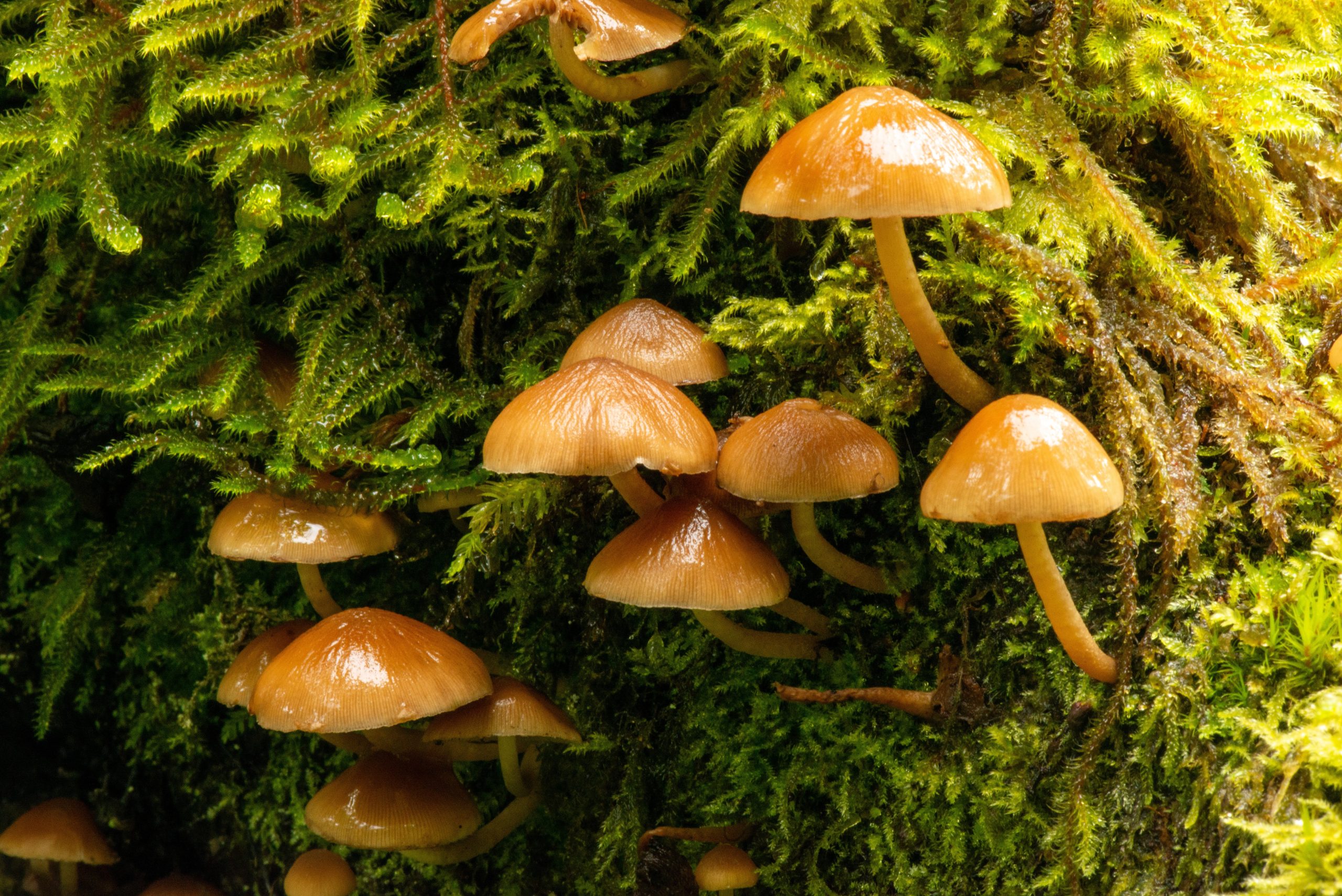
It’s easy to view soil from a reductive point of view: a mass beneath our feet that harbours microorganisms. The reality is that soil is responsible for many moments we may take for granted, such as wandering through ancient forests lush with fauna or hearing the knock of a woodpecker ring out in the distance.
An important part of soil’s ability to preserve these moments lies in its ability to preserve carbon. You may already be familiar with the carbon storage process, but here is a quick reminder:
Trees absorb atmospheric carbon through photosynthesis, storing it in wood, roots and leaves. When this organic matter decomposes, fungi and microbes drive it into the soil where a portion is locked away for long periods rather than cycling back into the atmosphere.
Carbon storage in healthy, functioning ecosystems is just one of the ways nature helps to regulate our planet.
The term ‘storage’ doesn’t mean it’s lying inert in the soil. Soil is a vibrant living ecosystem, home to underground networks of fungi whose hyphae - long networks of thread-like tubular filaments - work in partnership with plants and trees, as well as earthworms and microscopic fauna like springtails and mites.
The absorbed carbon helps biodiversity thrive in three key ways:
- Improves soil health and structure, enriching the wider ecosystem it supports above and below ground (fungi, insects, specialist species).
- Helps soil retain water, improving infiltration and slowing runoff.
- Improves ecosystem resilience to climate change and extreme weather events such as droughts, while supporting biodiversity through nutrient recycling.
There is nearly twice as much carbon stored in the soil as is stored in all global terrestrial ecosystems and the atmosphere combined. One centimetre of topsoil (the fertile layer that plants need to grow) can take 1,000 years to form - and it’s estimated that two million hectares of topsoil are at risk of erosion in the UK every year.
Ancient woodland harbours enriched soil
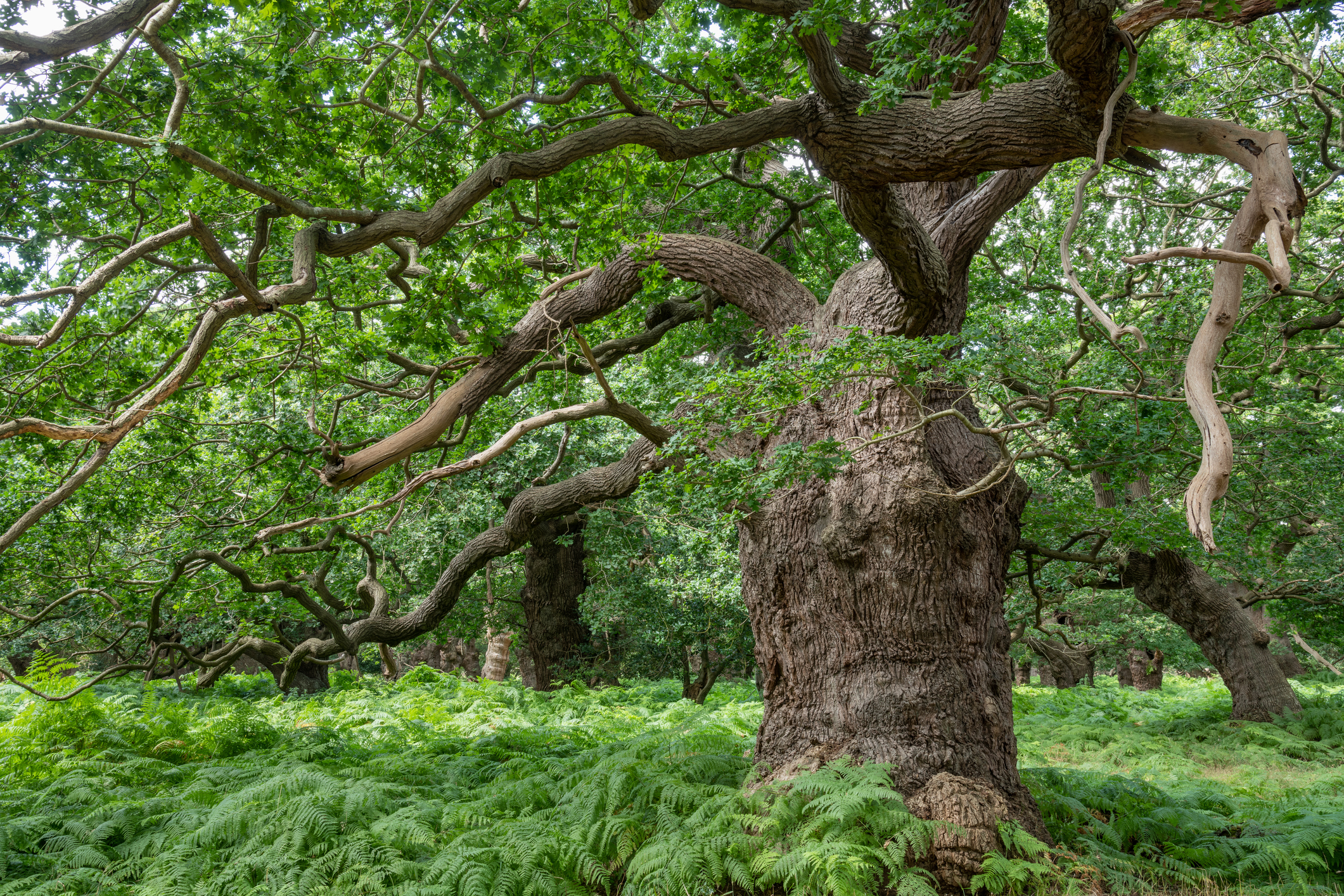
Soil is heavily intertwined with ancient woodland, evolving as one ecosystem above and below ground. Ancient woodland contains soil cultivated over hundreds of years, housing unique and complex communities of plants, fungi, insects and microorganisms.
Only 2.5% of the UK is covered by ancient woodland, representing around 25% of the total woodland area within the UK. Not only does it represent how lucky we are to experience the delicate joys of these living antiques, it also translates to a significant portion of the carbon stored within them.
Housing developments, mining, quarrying and climate-related change, such as drought, can severely harm natural carbon stores. Not only does this mean increased rates of carbon being released into the atmosphere, it also means destruction of ecosystems and fungal networks that have been nurtured over generations. Because woodland soils and their biological communities develop over such long periods of time, recovery from disturbance can take decades or even centuries, compromising both how soils support aboveground biodiversity and below ground carbon storage.
Preserve our ancient woodland with the Woodland Trust
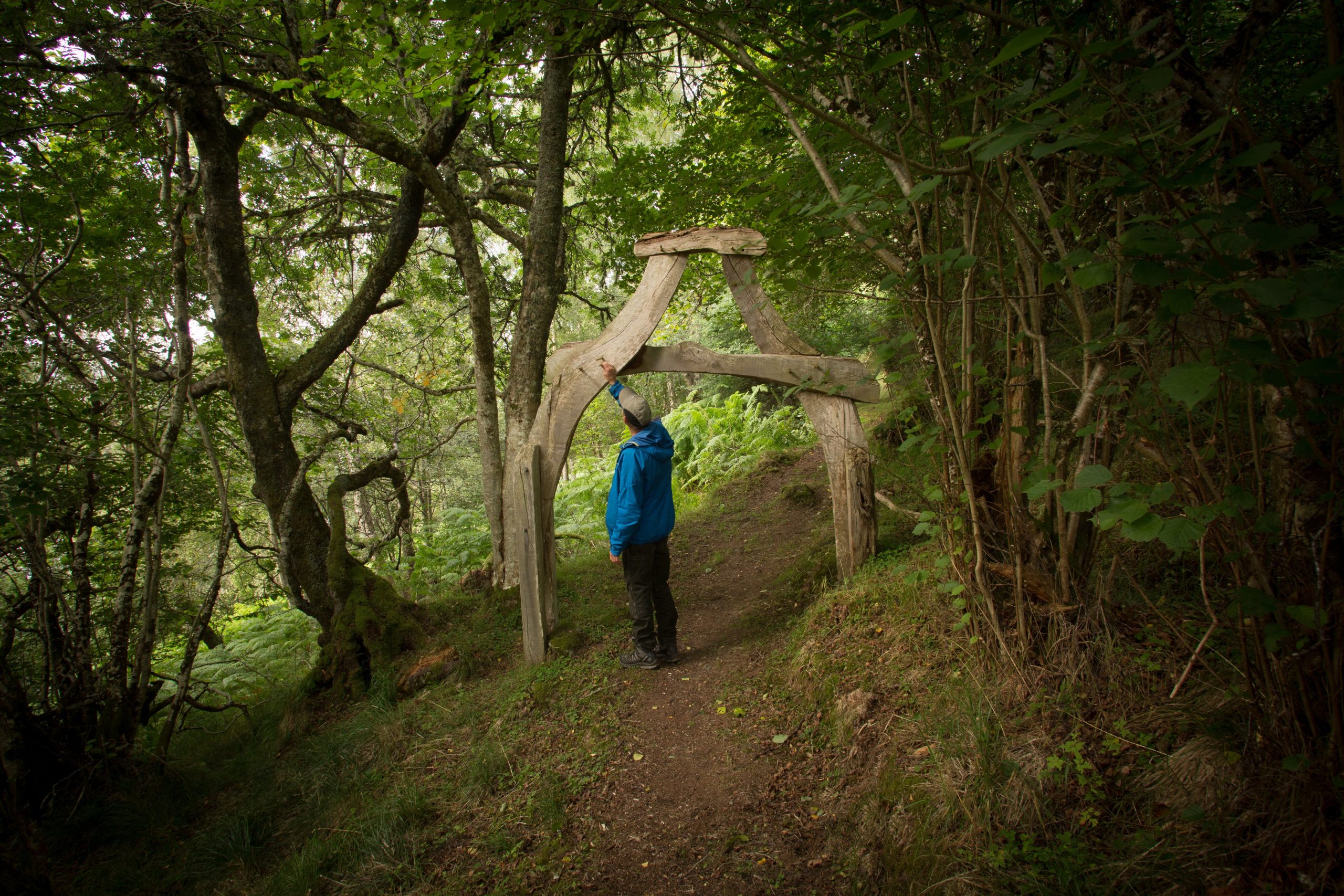
Getting your boots muddy among mossy branches and gnarled trunks. Inhaling fresh air as dappled light filters through the canopy. Lifting rocks and seeing insects scuttle.
To protect moments like these is to better understand carbon storage, the role our ancient woodlands play within the cycle and how we can make a difference to the biocommunities operating beneath our feet.
The Woodland Trust is the UK’s largest woodland conservation charity, helping to preserve ancient trees and woods, for everyone, now and in the future. Since 2008, nearly 31,000 hectares of ancient woodland have been committed to restoration through its work.
Become a member and you can help on projects like these:
- Oldhouse Warren in West Sussex was saved from a holiday park development that would have destroyed 300 football pitches' worth of irreplaceable ancient woodland.
- Transform formerly overgrazed sites such as Glen Finglas into wildlife havens.
Become a member today and support the Woodland Trust’s safeguarding of woods and their ecosystems.
Find out how you can help support the Woodland Trust and become a member today
