
Described as an 'information highway' that tells your organs how to rest, the vagus nerve may be one of the most important of the crucial nerve networks that branch out into your body. While research is still developing, scientists are investigating whether stimulating the vagus nerve could be applied across a range of mental and physical health conditions.
- What are the symptoms of vagus nerve dysfunction?
- Could vagus nerve stimulation be a safe alternative to ice baths?
One such device is the Nurosym, a piece of wearable tech that clips around your ear and stimulates the nerve with a mild electric current. Below we'll explore how it works, the science behind it and what current research suggests.
What is the vagus nerve?
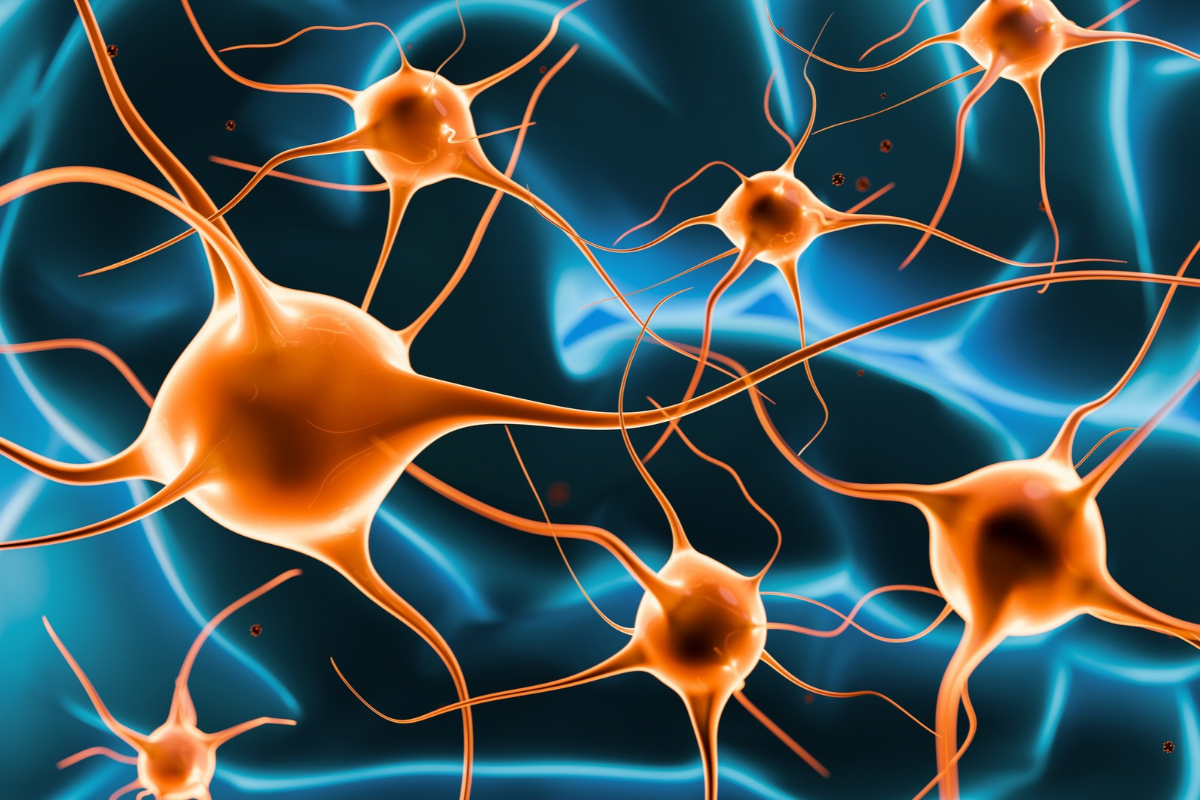
The word 'vagus' means 'wandering' in Latin, a role that it certainly fulfils. Running from the brainstem to organs including the heart, lungs and gut, the vagus nerve is the longest cranial nerve in the body and plays a central role in many automatic functions we rely on every day.
Essentially, many fibres within the vagus nerve relay information from your organs back to the brain. By doing so, it gives the brain an overview of what's happening within the body so other fibres can respond and regulate in turn.
How does it link to stress and relaxation?
The vagus nerve is the main component of the parasympathetic nervous system, often described as the body's 'rest and digest' mode.
This system acts as a counterbalance to our 'fight or flight' response - heart rate and breathing increase as we react to a stress response - which is controlled by the sympathetic nervous system. Once the stress has passed, the vagus nerve helps us to calm down and return to a more settled state.
“It’s the only counterbalancing system we have in the body to dampen the stress response,” says Dr Elisabetta Burchi, who heads up translational research at Parasym, the company behind Nurosym.
Researchers are increasingly interested in how the vagus nerve helps regulate the body's response to stress. Some Parasym studies have linked depression and other mental health conditions with altered autonomic nervous system activity, including reduced markers of parasympathetic function.
Our heart rate variability (HRV) - the variation between heartbeats - is often used as a measure of how effective our parasympathetic nervous system is. Higher heart rate variability is generally associated with greater parasympathetic activity, while lower variability may indicate the body is spending more time in a heightened state of stress.
What is vagus nerve stimulation?
Vagus nerve stimulation (VNS) works through sending small electrical impulses to activate the nerve.
The concept isn't new. Implantable devices have been used over decades to treat conditions such as epilepsy and, in some cases, rare treatment-resistant depression.
More recently, non-invasive devices that clip onto the side of the ear have been used to stimulate the nerve. These devices deliver a mild electrical pulse to the nerve, often resulting in a mild buzzing or tingling sensation.
Research is far from conclusive, but it has been expanding over the years. Some findings are encouraging, like the University of Texas at Dallas who treated nine people with post-traumatic stress disorder using VNS through a different miniaturised device. Within six months substantial improvements were reported, although larger clinical trials are needed to better understand and evaluate the efficacy of these devices.
In other studies, VNS has been shown to help improve anxiety.
How does Nurosym work?
Worn on the ear, Nurosym stimulates the auricular branch of the vagus nerve by delivering gentle, targeted electrical impulses. This technology is known as 'auricular vagal neuromodulation therapy' and is designed to increase parasympathetic activity.

Nurosym recommends using the device for 30 to 60 minutes per day. You can also wear it during low-intensity tasks like reading, studying or lounging before bed.
