

Superfoods have become a familiar term in modern food culture, from acai berries to matcha. Another ingredient attracting attention is monk fruit, a sugar alternative long used in southern china and now increasingly popular in the West.
So, is monk fruit a worthy sugar substitute, or does it deserve the title of superfood? Before we answer that, it's worth looking at where the superfood label came from.
The rise of superfoods in wellness culture
The concept of the so-called ‘superfood’ has grown rapidly over the past two decades as marketers use the term to brand their products as the next big thing in health.
Examples include Vita Coco, who launched its coconut water in the US with an aggressive campaign positioning it as ‘nature’s sports drink’ before dialling back its health claims after a class action settlement in 2012. Pom Wonderful, a pomegranate juice brand, was also forced to rethink its marketing after a US judge ruled it didn’t have sufficient evidence to back up its claims in some of its ads that its juice would reduce the risk of heart disease, prostate cancer and erectile dysfunction.
What is the definition of a superfood?
It's worth noting that ‘superfood’ has no official, scientific or legally regulated definition. Regulators including the US Food and Drug Administration (FDA) and the European Food Safety Authority (EFSA) don't recognise the term. In the UK and the EU, products marketed as superfoods must be accompanied by a specific authorised health claim, following regulations introduced in 2006.
In practice, it's a marketing label, generally applied to foods seen as particularly rich in nutrients or linked to health benefits. Examples range from blueberries and salmon to olive oil, avocados and chia seeds.
So does monk fruit deserve the title of superfood? Before we answer that, let's take a look at where the superfood label came from.
What is monk fruit?
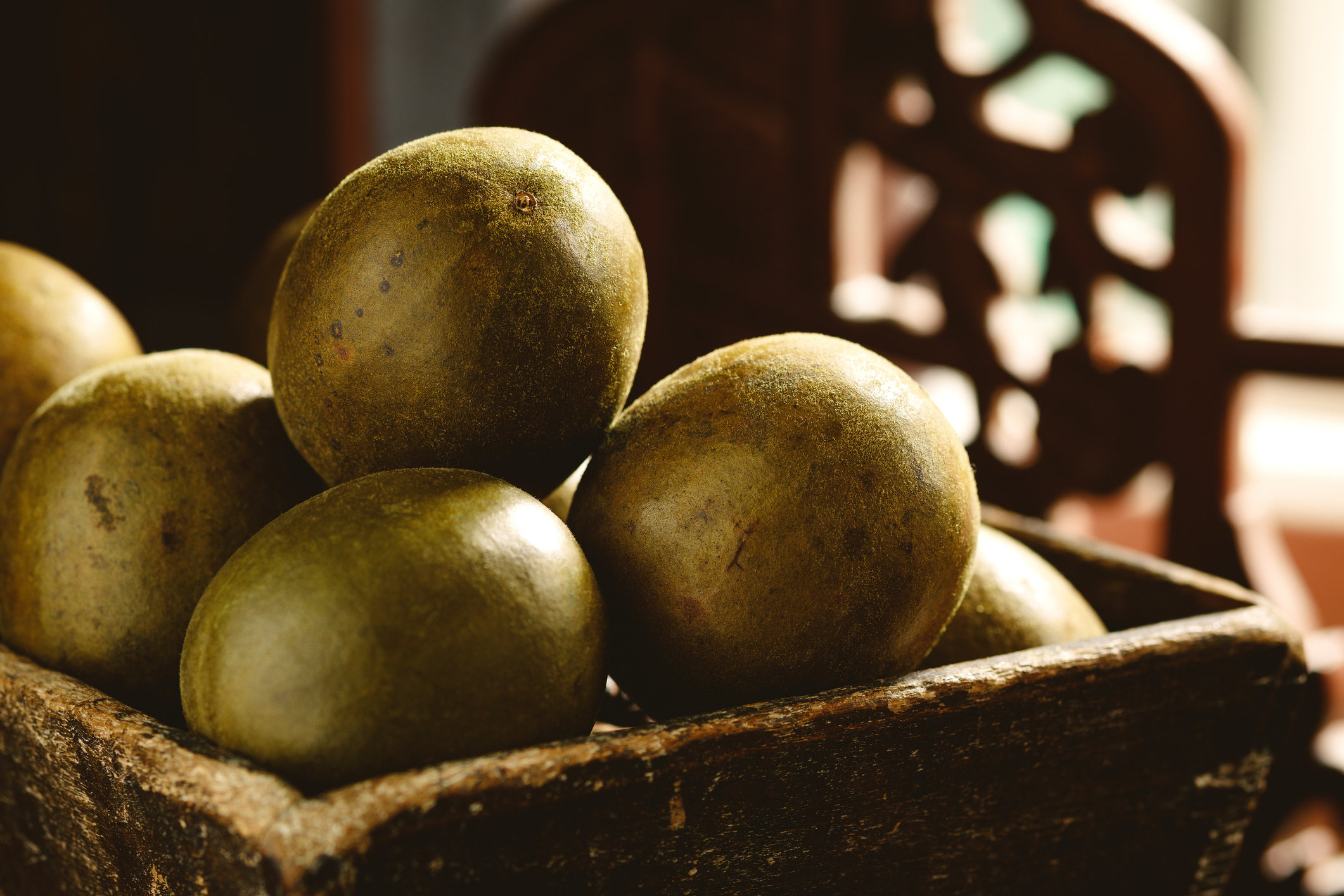
Monk fruit, also known as luo han guo, is a small fruit grown in the mountains around Guilin, in China's Guangxi region. Research published in 2023 in Ecology and Evolution put Guilin's share at more than 85% of global production. The fruit has been cultivated and eaten for centuries and takes its name from the Buddhist monks said to have first cultivated it.
Monk fruit's popularity in the West has grown alongside interest in sugar alternatives, after it first gained a following in low-carb and sugar-free communities. Unlike table sugar, its sweetness comes largely from compounds called mogrosides, which aren't metabolised in the same way as sugar.
Is monk fruit a superfood?
Monk fruit is often grouped with superfoods because it has a long history of traditional use and contains naturally occurring mogrosides.
Researchers have studied mogrosides for possible antioxidant and anti-inflammatory properties. This research is still early, though, and much more is needed before any firm conclusions can be drawn.
The short answer is that monk fruit doesn't yet have the evidence to be called a superfood. It can be a way of reducing your sugar intake, although experts say your overall diet matters more than any single ingredient.
Why choose Zilch?
Most mainstream monk fruit sweeteners are blended with erythritol, a sugar alcohol used as a bulking agent. Monk fruit extract is incredibly sweet on its own, so erythritol adds volume with lower calories than other sugar alcohols.

Erythritol is an approved additive across the UK and EU, but it can cause stomach upset in some people. One 2023 Nature Medicine study also suggested that higher blood erythritol levels may be linked to more cardiovascular events. However, that was an observational study, and more work is needed before any conclusions can be drawn.
Zilch is made from a traditional monk fruit decoction, paired with soluble tapioca fibre. It's also made without erythritol, xylitol or other sugar alcohols.
