

Many of us are chasing better sleep. But it's increasingly difficult to separate helpful advice from the latest viral sleep hacks. One influencer might recommend mouth taping, while another might advocate for weighted blankets. The problem? Much of it is contradictory, confusing and not always supported by the right evidence.
Below we'll round up popular sleep myths and get an expert take on whether there's any truth behind them, or if they're worth ignoring entirely.
Myth 1: You can get by on less sleep
Only a very small number of the population are 'natural' short sleepers, as they have a genetic mutation that enables them to get by on a few hours' sleep.
Researchers have identified several rare genetic variants including SIK3, DEC2, ADRB1, NPSR1 and GRM1, that are associated with natural short sleep. However, natural short sleepers are thought to make up only around one to three per cent of the population.
For most people, sleep requirements are heavily influenced by biology and genetics. While it may be possible to reduce sleep temporarily, research has linked chronic sleep disruption with poorer cognitive performance and increased long-term health risks.
Myth 2: You can achieve the 'perfect' sleep
The pursuit of the 'perfect' sleep through methods like mouth taping have led to sleepmaxxing becoming popular on social media.
Methods like mouth taping could work for some, but researchers have cautioned that it isn't suitable for everyone, particularly those with nasal congestion, allergies, nasal obstruction or some sleep-breathing disorders. Other methods like white noise and weighted blankets may help, but more research is needed to understand their efficacy.

Myth 3: Everything centres around bedtime
Many of us focus entirely on improving our evening routines, but forget that higher quality sleep is often associated with healthy habits throughout the day. Research has consistently shown that exposure to natural morning light helps regulate the body's circadian rhythm, which plays an important role in determining when we feel alert and when we feel sleepy.
There's also a clear link between physical activity and better sleep. A research review published in Nature showed that consistent exercise is associated with longer total sleep duration and less night-time waking among people who are already good sleepers.
Other recommendations include reducing late-day caffeine, limiting alcohol and maintaining consistent routines.
Myth 4: You're just tired
One of the most interesting insights from sleep researchers is that tiredness and sleepiness aren't necessarily the same thing.
While tiredness can have many causes, excessive daytime sleepiness may sometimes indicate an underlying sleep disorder. One of the most common disorders is sleep apnoea, which researchers estimate may affect as many as one in eight people worldwide.
Many people dismiss symptoms such as loud snoring, repeated waking and daytime sleepiness as simply part of getting older or being busy.
What do experts actually recommend?
While sleep experts may disagree over the efficacy of popular sleep trends, many come back to the same key points:
- Maintain a regular sleep schedule
- Get regular morning daylight exposure
- Exercise regularly
- Maintain healthy daytime habits
- Create a sleep-friendly environment
Don't overlook your mattress
While there may be no single sleep hack that can help you rest overnight, sleep researchers consistently emphasize the importance of creating a sleep environment that supports healthy sleep habits. A healthy sleep environment can influence how easy it is to fall asleep and help you wake up feeling more refreshed.
For many looking to improve their sleep environment, the mattress is often the first place they start.
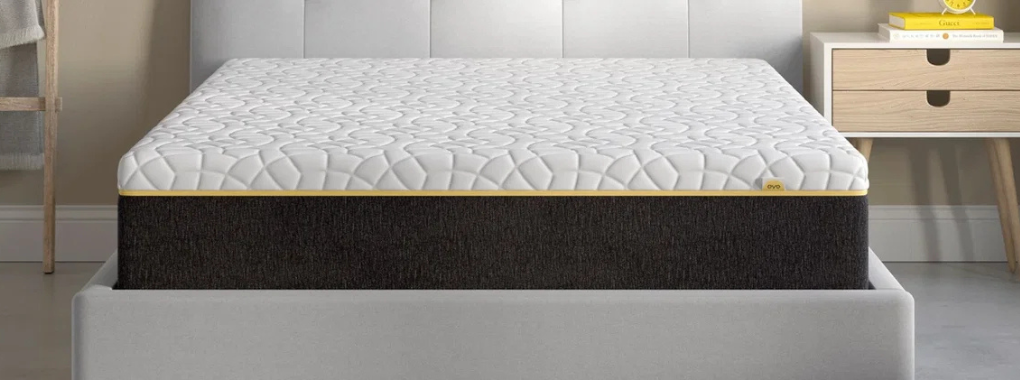
Eve Sleep's range of hybrid mattresses combines the contouring of memory foam with the responsive support of springs. They're designed to provide pressure-relieving comfort, support and temperature-regulating features for a range of sleeping styles.
- 200-night risk-free trial
- Free room-of-choice delivery
- Winner of multiple Which? Best Buy awards
- Get 50% off when you spend over ??1000*.
Upgrade your sleep environment
*Offer starts from 4th November and ends 12:00am on 1st December. Offer subject to change, please see website for full details.
