Want to live forever? Here’s a two-stage plan: first, make billions in Silicon Valley; second, spend those billions on bizarre longevity treatments and wait for immortality to arrive.
At least, that seems to be the working theory among a certain class of tech billionaires. For instance, Sam Altman, the CEO of OpenAI (the company behind ChatGPT), stares into a bright LED light while doing his emails in the morning, fasts 15 hours a day and takes diabetes drug metformin, a drug whose supposed anti-ageing benefits remain largely untested in healthy humans. (I asked ChatGPT “Should I take metformin for longevity?”, to which it replied, “Short answer: it’s not a good idea.”)
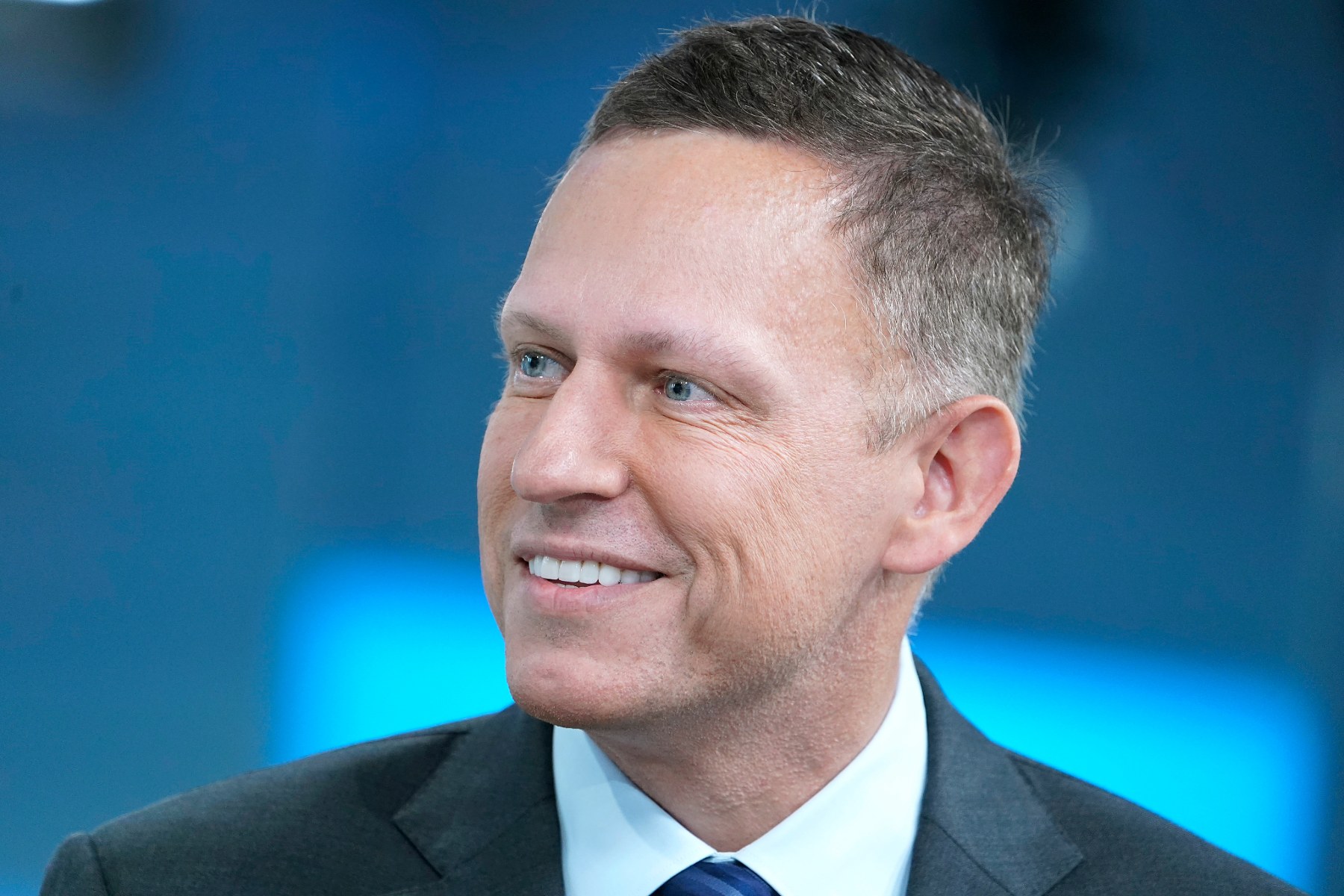
Then there’s Peter Thiel, the billionaire co-founder of PayPal, who told an interviewer he was “looking into parabiosis stuff” – a controversial area of research in which young blood is used to rejuvenate older animals, and perhaps one day even people. (When later pressed on the rumours directly, Thiel responded: “I am not a vampire.”)
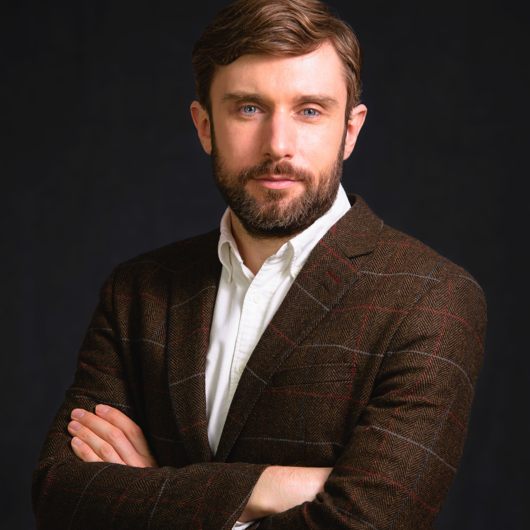
And Bryan Johnson may only be a ‘centimillionaire’ (he claims to be worth $200m, or about £150m), but what he lacks in net worth he makes up for with his vast social media output.
He posts about everything from his sauna ‘protocol’ to the device he uses to measure his (and his son’s) nightly erections. He explains that his ‘Blueprint’ protocol (it’s protocols all the way down) – a combination of an extreme diet, obsessive exercise and sleep, dozens of supplements and even gene therapy – has reversed his biological age to the point where he’s the ‘healthiest person on the planet’. Whatever that means.
And it’s not just Californian tech titans. Basketball billionaire LeBron James reportedly spends $1.5m (£1.1m) a year on his health, including sessions in his at-home pressurised oxygen tank, and undergoing cryotherapy at -160°C (-250°F).
The Kardashians have done full-body MRI scans which claim to detect cancer and other problems early, but aren’t recommended by medical bodies.
Russian billionaire Dmitry Itskov founded the ‘2045 Initiative’, which aims to upload human brains into computers.
97-year-old Chinese billionaire Li Ka-shing swears by a supposed anti-ageing supplement called nicotinamide riboside, and has invested $25m (£18.5m) in a company that makes it.
What do all these diverse longevity protocols and their various ultra-wealthy adherents have in common? None of the treatments are likely to help their users live much longer than average.
The things shown to help wealthy people live longer are, reassuringly, the same things shown to help everyone live longer: not smoking, better diet, more exercise, lower stress and better healthcare. None of which, thankfully, cost millions of dollars a year.
And the genuinely life-extending breakthroughs that don't yet exist won't come from billionaires experimenting on themselves. They'll come from properly funded science – which, as it turns out, is exactly what most of the ultra-rich are failing to invest in.
Follow the money
Let’s start with the facts. Rich people definitely live longer – in the US, the richest 1 per cent live 10 to 15 years longer than the poorest 1 per cent. Yet it’s not because of their cryo chambers, metformin and parabiosis, but for all the boring, and far more widely available, reasons we just mentioned.
Even if you do have infinite money, there’s quite simply not much extra that you can do with current medical tech to live a dramatically longer life.
Scientists have plenty of intriguing anti-ageing ideas that work in worms, flies and mice, but no treatment has ever even been put to a clinical trial to find out if it can meaningfully slow human ageing.
In other words, Sam Altman may or may not live longer as a result of taking metformin – there’s currently no solid evidence either way.
Metformin’s benefits are uncertain, but some of what ‘biohackers’ subject themselves to may be actively harmful. For example, in 2019, the US Food and Drug Administration (FDA) warned about the risks of getting blood transfusions, from infections to serious allergic reactions.

Similarly, extreme dietary restriction has also been shown to backfire, weakening bones and impairing the immune system in later life.
Then there are the infamous ‘supplement stacks’: sprawling combinations of pills, powders and experimental compounds taken all at once in the hope that they’ll somehow add up to longer life.
Rather than improve your lifespan, supplements are regularly linked to contaminated ingredients, liver damage and dangerous side effects.
And combining dozens of interventions together creates another problem entirely. We know that multiple treatments used simultaneously can ‘interact’, meaning that ingredients that might work individually actively make things worse when taken together.
A well-known example in medicine is that Viagra plus some heart medications can cause death from dangerously low blood pressure.
Human biology is complicated, and it’s much easier to break things than fix them – just as replacing one random component in a car engine is far more likely to worsen performance than improve it.
To find out what actually works doesn’t just require having millions of dollars – it needs proper human testing.
The price of immortality
If you’re still worried that billionaires are secretly buying access to immortality while the rest of us focus on gym memberships, decent sleep and eating our greens, there’s something reassuring to remember: most ultra-wealthy people don’t actually behave as though revolutionary anti-ageing treatments are around the corner.
In fact, based on their behaviour, they’re surprisingly un-obsessed with longevity.
While there are a handful of newsworthy billionaires doing kooky things, the pickings get pretty slim once you get past the most well-known examples. Given that there are several thousand billionaires, you’d think there would be more stories of crazy longevity interventions.
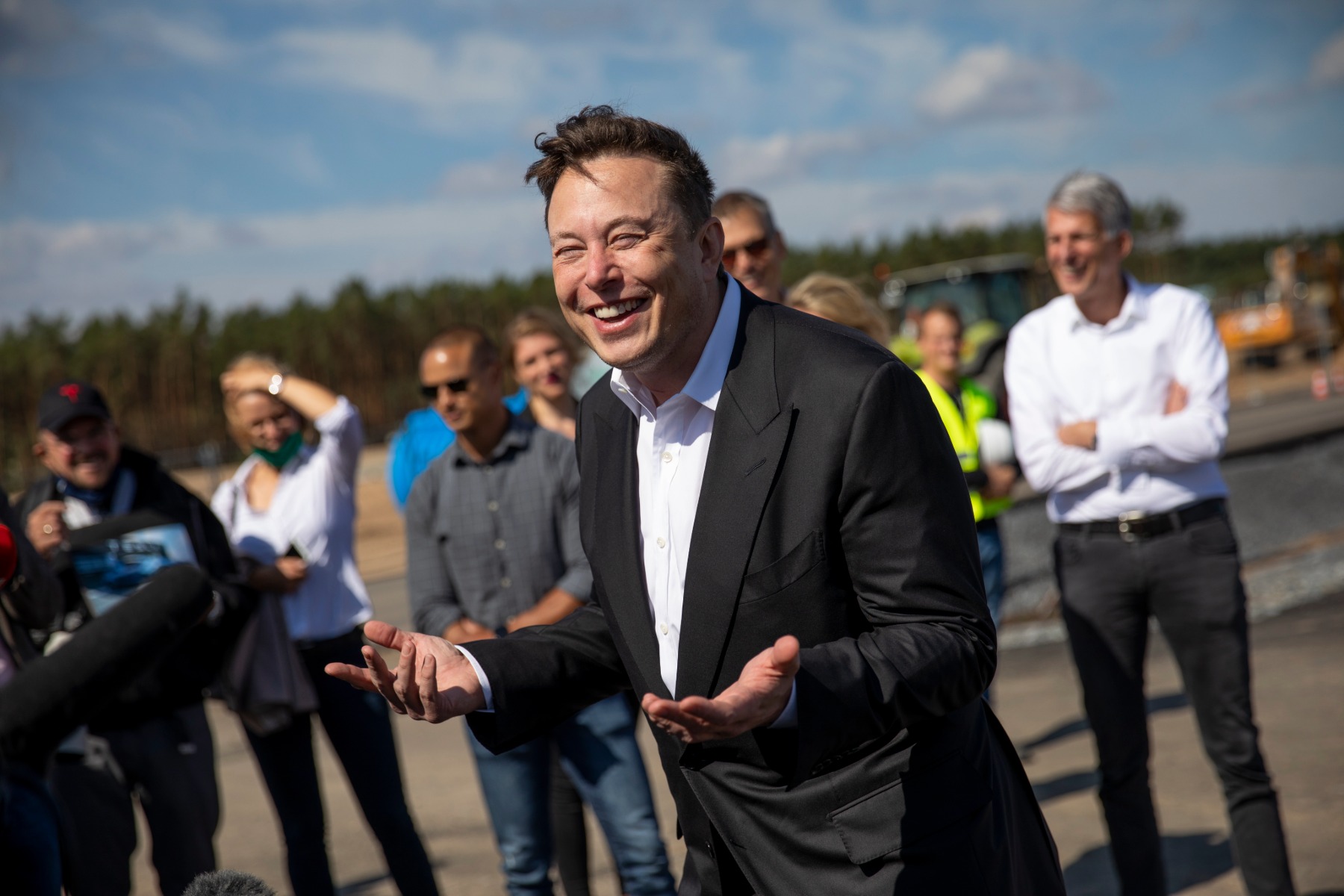
There are even high-profile counter-examples: Elon Musk is on the record repeatedly saying that longer lives would be bad news: “I don’t have any longevity investments,” he told an audience in Cannes in 2024, “If we live for too long, I think it does ossify society.”
But even if every ultra-rich person (except Elon) were secretly hoarding high-end longevity therapies and simply not bragging in the media, we can still be pretty certain they don't do the one thing they'd do if they really cared about longevity: invest in it.
Investing is harder to hide, with biotech startups’ well-publicised fundraising rounds, their need to hire top scientists who we’d notice disappearing from their universities, and so on.
There are a few who invest: perhaps the highest-profile is Altos Labs, a secretive longevity startup which received an initial $3bn (£2.2bn) investment that was reputedly partly funded by Amazon’s Jeff Bezos. The company attracted attention for hiring Nobel Prize-winning scientist Shinya Yamanaka, whose research explored how adult cells can be reprogrammed into stem-cell-like states resembling those found early in development.
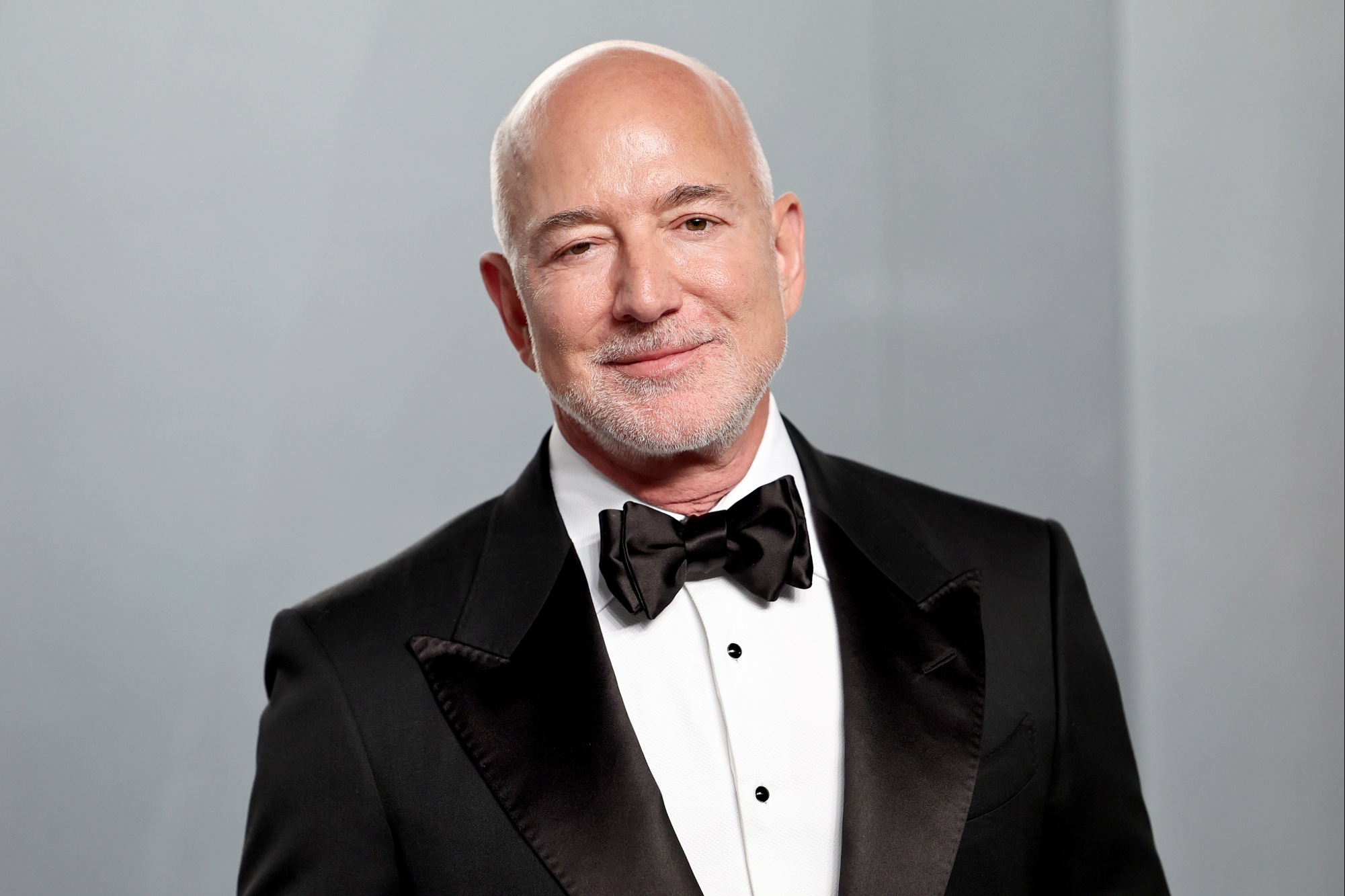
But, while that sounds like a lot of money, it’s actually surprisingly small – Bezos’s net worth is around $270bn (£200bn) in 2026, meaning that, even if he funded Altos solo (which he didn’t), it represents about 1 per cent of his wealth. It’s also in the same ballpark as the amount he sinks annually into his rocket company, Blue Origin.
At 62, Bezos probably has 20 to 30 years left – so if he genuinely wanted to bet that longevity science was his ticket to immortality, you'd expect him to put rather more than 1 per cent of his chips on it.
The real ageing cure
The great irony is that billionaires who genuinely want to live longer would probably do more good by funding large-scale scientific trials than experimenting on themselves with poorly-proven treatments.
Right now, such research is surprisingly underfunded. In the US, understanding ageing gets about 20 times less government funding than work on cancer – even though most cancers are caused by ageing.
And despite headline-grabbing investments in companies like Altos Labs, longevity research still accounts for only a tiny fraction of overall biotech investment.
That’s particularly striking considering the ultra-wealthy would give almost half their money for an extra ten healthy years, according to some surveys. The world’s billionaires are estimated to be worth $20tr (£14.8tr) in total.
Half of that is $10tr – which might be more than we’ve invested in health research in the entire history of the human species. Ultimately, it would only take a fraction of the world’s billionaires to decide to fund longevity science to give themselves – and the rest of us – a pretty decent shot at those extra ten years in good health.
And that’s the key point: once developed, anti-ageing treatments won’t only be available to the wealthy.
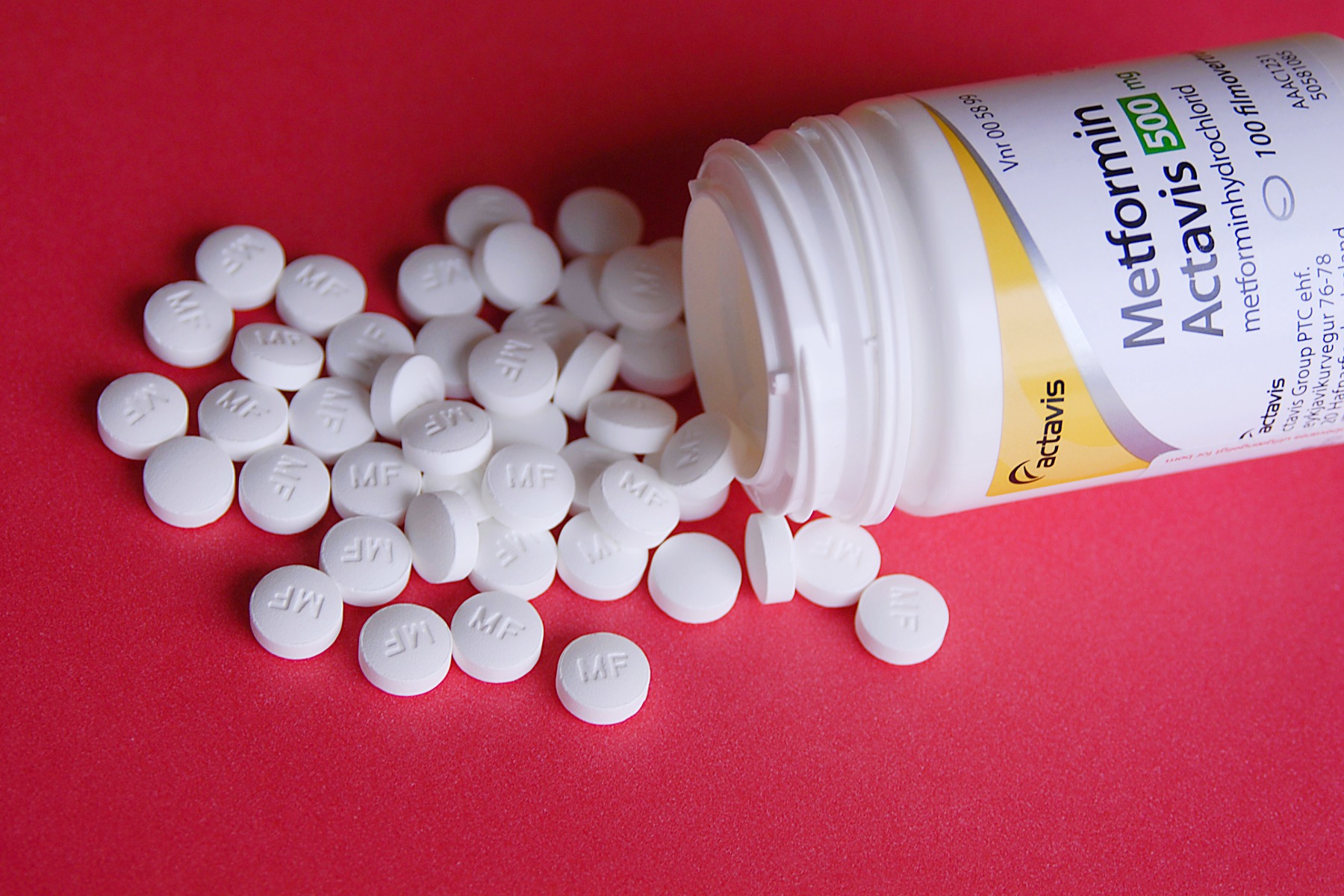
To return one final time to Sam Altman’s metformin habit, this isn’t some exotic personalised drug that costs $1 million per year – it’s a cheap, generic tablet that costs pennies per pill. The reason we don’t give it to everyone isn’t cost – it’s that no one has stumped up the $45–70m (£33–52m) needed to run a trial to find out if it actually works as a longevity medicine.
Part of the reason is actually how cheap the pills are – no one stands to make any money on a bargain-basement, mass-produced medicine, even if it adds years to human lifespan.
If governments, or a handful of philanthropic billionaires, could find the cash down the back of the sofa, a one-off investment of a few tens of millions could add years of healthy life for billions of people around the world – including the billionaire donors who funded the trial.
For $1bn (£740m), we could do 10 to 20 trials of drugs like metformin – other promising candidates include rapamycin, diabetes drugs like acarbose and canagliflozin, and ‘senolytic’ drugs that clear out aged cells – and it seems pretty likely that at least some of these would help people live longer, healthier lives.
The US Interventions Testing Program, which discovered or validated many of these drugs in mice, runs on an annual budget that’s only about twice what Bryan Johnson spends on his health every year.
So, if you’re a billionaire, or even a centimillionaire, reading this, back away from the cryo chamber and consider opening your chequebook to fund some science that could truly make millions of people, yourself included, live longer and healthier.