
"Pretty much everyone agrees that creating so-called 'mirror-life' is a very, very bad idea." Those are the words of Prof John Glass, a synthetic biologist at the J Craig Venter Institute, quoted in the leading scientific journal Nature in 2025.
According to Glass, and other experts, the man-made organisms could pose a genuine threat to life as we know it.
And yet, preventing mirror life from being created is proving to be more difficult than you might think.
Thankfully, for now, it remains strictly hypothetical. Mirror life is just an idea that has spun out from research into mirror biology.
The field is based on the fact that many chemicals, known as chiral chemicals, can exist in two forms that are opposite reflections of each other.
The two versions of these chemicals, known as left- and right-handed enantiomers, have the same chemical formula and behave similarly, but their molecular structures are mirror images.
The mirror-image versions of those chemicals could help scientists discover new, more effective medicines and maybe even reveal the secrets of life on its most fundamental level.
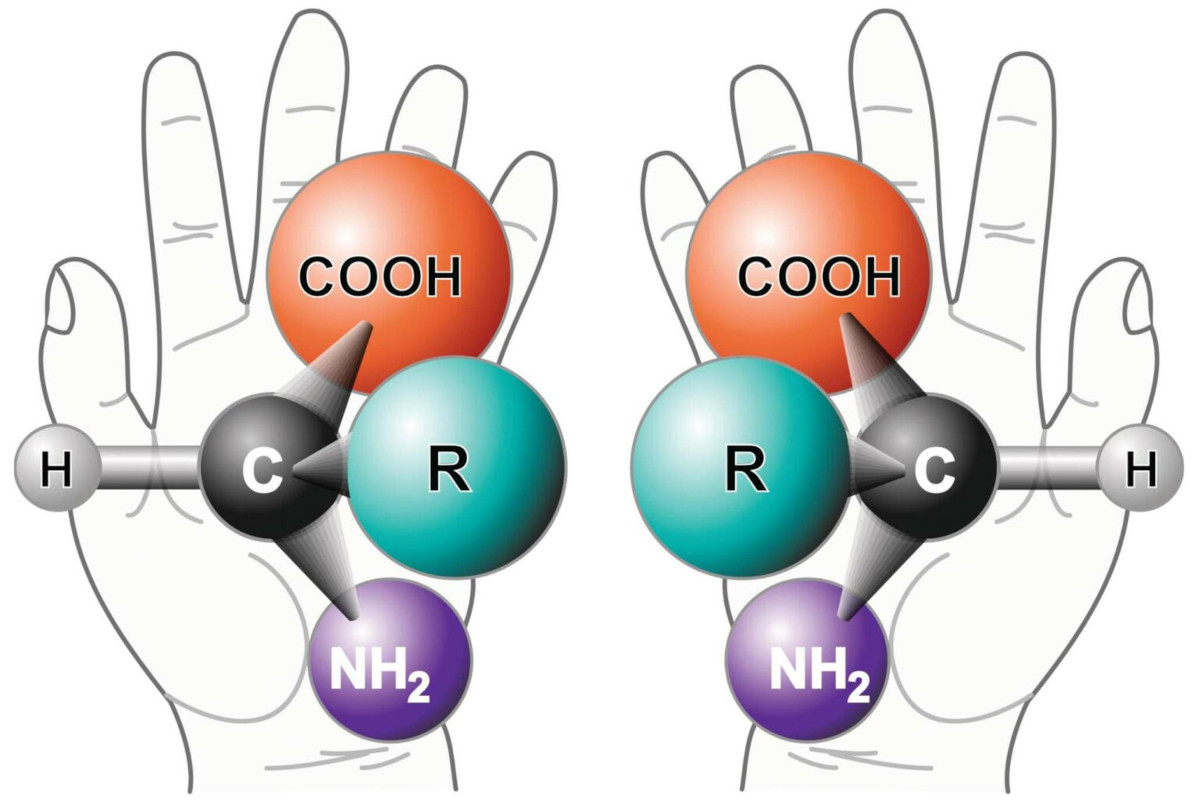
Many biochemicals (DNA, proteins and sugars – the most basic components of life) can exist in two mirror-image forms, but more complex living organisms (cells, for example) overwhelmingly exist in only one form.
Since the dawn of time, life began working in a certain ‘chirality’ and has stuck with it. It’s as if complex living structures are all ‘right-handed’, but the simpler components – the ingredients – that combine to make them can be either right- or left-handed.
If you were to replace every single biochemical ingredient in a cell with its opposite enantiomer, you could, theoretically, create a ‘mirror cell’.
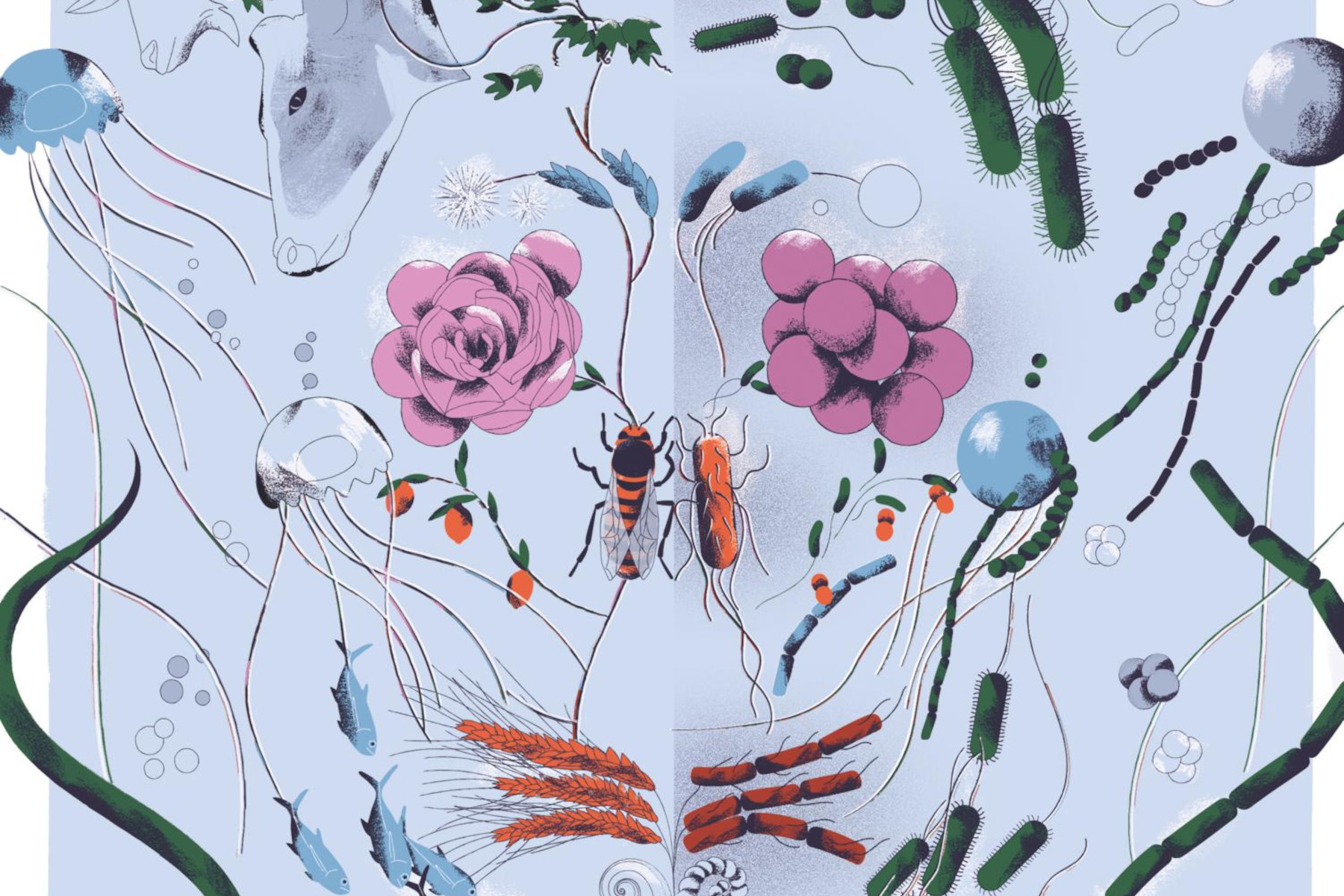
It would be a reflection of the naturally occurring cell (the smallest, most fundamental unit of living matter) – virtually identical, yet extremely unnatural, all at the same time. It would be mirror life.
A danger like no other
Scientists first warned against attempts to make such strange life forms in 1992, when advances in molecular biology and genetic engineering started to make the idea of ‘redesigning’ life in unnatural ways feasible.
Given that our immune systems have never been exposed to anything like mirror life before, we could be extremely vulnerable to infection by a mirror microorganism – a bacterium, say – should it ever be created and released.
Our immune systems could detect and attack such a bacterium, but our antibodies wouldn’t work against it, scientists warned in the journal Science.
And it wouldn’t just be us – mirror bacteria might be able to evade the immune systems of our crops, our livestock and even wildlife. Antibiotics might not work on them, and viruses and protists – the natural predators of bacteria – might not be able to detect them either.
With no barriers to stop or fight their growth, the mirror bacteria could multiply rapidly through populations and the environment, causing a catastrophic wave of disease, crop failures and ecological chaos.
No research groups are known to be actively working on projects to create mirror organisms (although there have been mirror life projects funded by the EU, US and China, some as recently as 2019).
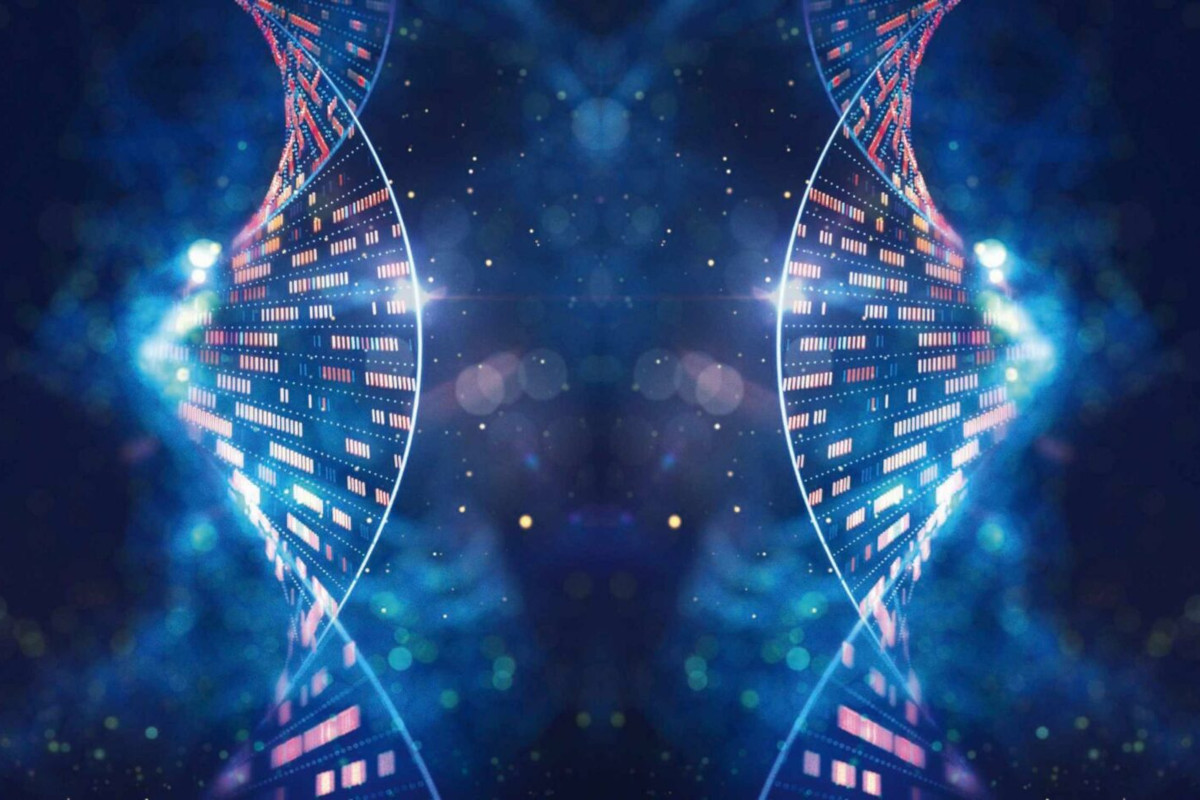
Even if there were still researchers working on it, experts estimate that it would take another 10–30 years to overcome the complex technical challenges required to create mirror life.
At the end of 2025, however, a large group of international experts called the Mirror Biology Dialogues Fund (MBDF) warned that other types of bioscience research might inadvertently open the door for someone to create mirror life in the near future – and more must be done to stop that from happening.
Many biologists create and study mirror-image biological molecules, for example. These molecules can help us understand how cells work and often have unique properties that make them potentially useful as therapeutic drugs.
Mirror versions of peptides and proteins, for example, seem to last longer in the body and are less likely to provoke immune responses.
At the same time, biologists working in another field of research have long been working towards synthesising a fully functional non-mirror cell from scratch.
It’s the combination of progress in these two fields that some experts worry could help a bioterrorist, rogue state or even just a curious scientist create a mirror cell in the not-too-distant future.
In March 2026, for example, the scientific advisory board of the United Nations concluded that “the ability to develop [mirror life] is growing: several foundational mirror parts have already been built in laboratories, including enzymes that can copy mirrored genetic material.
"Continued progress could reduce the cost and complexity of creating mirror life, increasing the range of actors who might attempt to assemble a replicating mirror organism.”
Read more:
- The mirror neuron: How imitating our role models shapes our brains
- DNA: a timeline of discoveries
- What is junk DNA?
Finding the line
For now, there are significant technical challenges that make the creation of a mirror cell impossible.
The scientists experimenting with mirror biochemicals may be able to make mirror versions of certain biological molecules, but crucially, they can’t make mirror versions of the highly complex molecular structures that connect and assemble other complicated elements of a cell.
Meanwhile, the large international community of biologists trying to synthesise ‘normal’, non-mirror cells from scratch has so far been unable to combine its work into a truly living, self-replicating synthetic cell.
“[We need] both the ingredients and the recipe to make mirror life,” says Dr Sebastian Oehm, one of the co-authors of last year's warning on mirror life and co-founder of SynX Therapeutics, a company that explores mirror proteins and constitutes a dangerous line that should not other biomolecules.
“The ingredients are the mirror-forms of all the many things required to make a cell function. The recipe is the protocol for making a synthetic cell. We don’t have either yet.”
Many think that a key milestone to watch out for in the journey towards the creation of mirror life would be the synthesis of a ‘mirror ribosome’.
This complex cellular structure scans genetic information and assembles proteins molecule by molecule; it’s an essential component of any living cell.
But it’s also hugely challenging to make synthetically, as it’s composed from more than 50 proteins and lengths of ribonucleic acid (RNA) intricately folded together.
“Nobody’s come up with a method for making a synthetic ribosome, be it mirror or non-mirror, that works at the efficiency you need to make a cell,” says Oehm.
That doesn’t mean people aren’t trying.
A number of research groups are working on synthesising ribosomes for a variety of scientific reasons, unrelated to the aim of making a mirror cell.
Scientists don’t agree on whether such work constitutes a dangerous line that should not be crossed, however. Some say it would bring mirror life closer, for little benefit; others say that it could be a useful scientific tool that’s not close to being a fully functioning cell.
“In a way, this debate is easier than with other technologies, where you have something that’s both potentially very useful and potentially very dangerous,” says Oehm.
“Mirror molecules are very useful and not very dangerous. Mirror bacteria are not very useful, but very dangerous. So that allows us to separate those two. The [question] really is: what is too complex, or too far on the way to a mirror bacterium, that makes it something we have to worry about?”
Oehm thinks the line needs to be drawn somewhere, but whoever draws it should err on the side of caution.
“The history of science regulation shows that you don’t want to draw the line just before the final bad outcome,” he says.
“Because even if it’s crossed a little bit, you’re then in a world that’s at risk. You want to have a line that preserves a lot of the beneficial uses of the enabling technologies, but is far enough away from a mirror bacterium that we can be safe.”
The difficulty then is not only deciding where that line should be, but also what constitutes crossing it. For example, some argue that making a mirror ribosome is acceptable, but not all scientists agree.
Dr Paul-Enguerrand Fady, a biosecurity expert at the Centre for Long-Term Resilience, who also studies mirror biology, would rather people didn’t.
“Do we want people to be making mirror ribosomes? I would say no, but others would say it would simplify biomanufacturing of opposite-chirality biomolecules,” he says.
“I could accept that, assuming that it’s contingent on never taking the next step of putting it into a living organism or synthetic cell.”
A real threat?
Fady says a sensible first step in addressing mirror life would be to issue a global moratorium (a kind of self-policed agreement not to do something) on any research with the explicit intent to advance progress towards mirror cells.

This is seen as an uncontroversial way of confirming nobody is deliberately working on or funding projects that will make mirror life easier.
A series of international conferences can then debate the finer points about which advances in other research might move us closer towards mirror life than we’re comfortable with.
But not all scientists even agree with the assumption that a mirror bacterium would be catastrophically dangerous.
Prof David Perrin, for example, a biochemist at the University of British Columbia, says the evidence that mirror bacteria would be able to evade our immune systems isn’t strong.
Short sequences of mirror amino acids, known as D-peptides, have been shown to provoke strong immune responses in some studies involving animals, he says.
He also argues that several common antibiotics don’t rely on chirality to function and therefore should work on mirror cells, and he believes that it would be relatively straightforward to synthesise mirror versions of other antibiotics anyway.
“The risks of mirror-life organisms are likely to be far less virulent than those posed by drug-resistant pathogens that can evolve or jump zoonotically [from animals to humans],” he says.
Paradoxically, this uncertainty is another reason why scientists need to study mirror biology.
Alongside the largely theoretical discussions about risk, organisations like the Centre for Long-Term Resilience are offering grants to scientists who can find out more about how the immune system responds to mirror molecules, or can provide clearer data on which antibiotics would work on mirror bacteria and which wouldn’t.
The experiments must be done, of course, without creating mirror bacteria or anything close to them.
A range of other steps are being considered, including the idea of a ban on mirror cell research through the Biological Weapons Convention, or imposing legal limits on what kind of mirror-DNA is allowed to be manufactured and sold by DNA synthesis companies.
For example, while mirror DNA that contains a small number of genes might remain legal, mirror DNA that looks more like a whole genome, or a significant chunk of it, could be off limits.
The range of activity and discussions about mirror life taking place now shows that, 30 years after those initial warnings, with biology advancing at breakneck speed, the threat is at least being taken seriously.
And even though it could be at least a decade before mirror life is even technically possible, scientists like Oehm are warning the scientific community not to be complacent.
“You sometimes hear the question, ‘Do we really need to discuss this now?’ But if we wait for too long, then we won’t be able to have the discussion, because the research will have already been done.
"Some of the key potential lines are being eroded right now. Maybe that’s fine – maybe we decide we don’t need them, but we should have at least talked about the lines before they’re eroded.”
Surviving in a mirror-image world
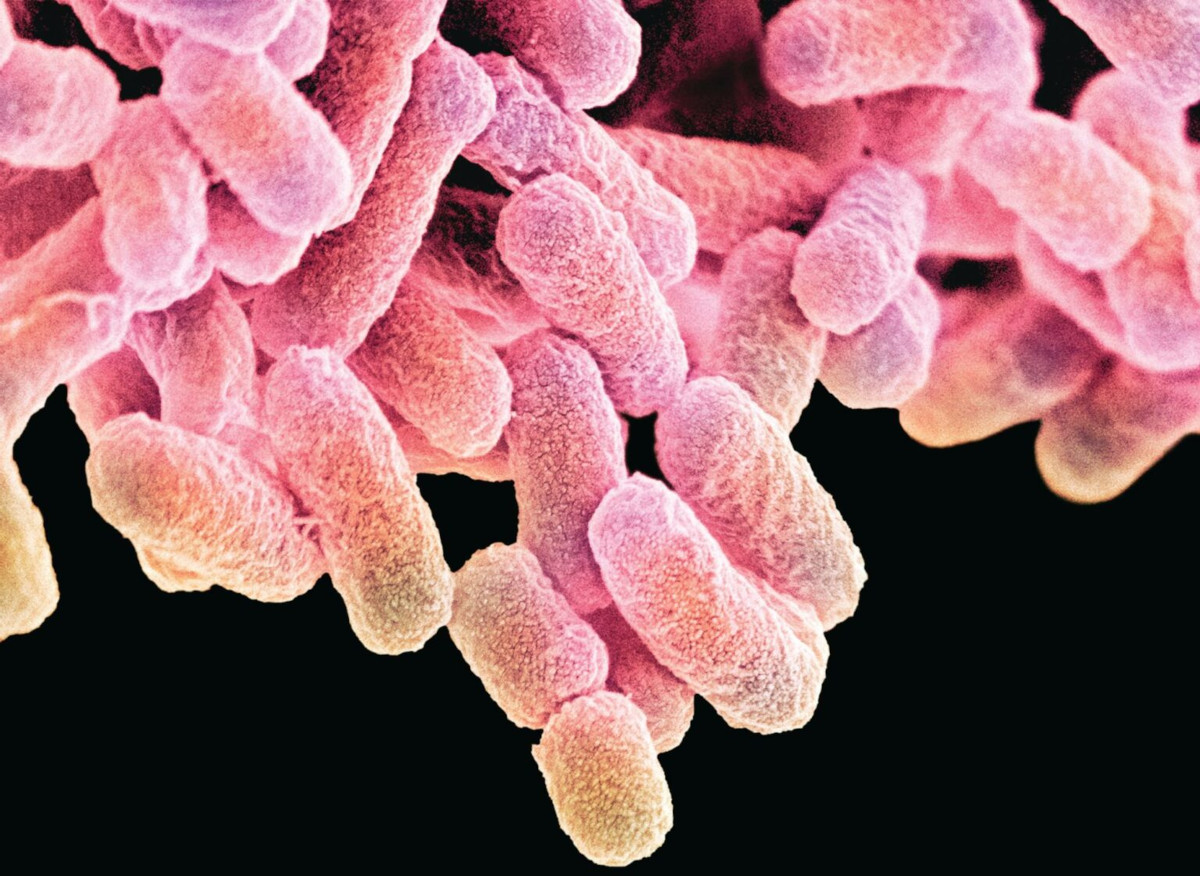
Given that life on Earth operates in a certain chirality, some mirror-image organisms might struggle to break down many of the compounds produced by other organisms.
They would, in effect, be primed to feed off chemicals of the opposite chirality to those produced by living organisms. Likewise, by the breakdown of organic matter, which would be in extremely short supply.
But many generalist bacteria, such as E. coli, are able to metabolise a range of non-chiral compounds – chemicals that don’t have ‘leand right-handed’ enantiomers.
Other bacteria, known as autotrophs, are able to create energy from extremely simple non-chiral chemicals like carbon dioxide, sulphur or nitrogen.
Mirror versions of such bacteria would therefore not be limited by a lack of nutrients if unleashed into the environment.
Even if mirror bacteria were limited by the nutrients available in the environment, their ability to evade the many types of viruses and predators that normally kill bacteria could allow their populations to expand at the expense of naturally occurring bacteria.
Read more:
