
Scientists have found dozens of new species during a survey of one of Africa’s last unexplored biodiversity regions.
The survey, called the Cassai Life Atlas, recorded eight new dragonfly species, three new species of grasshopper and around 60 new moth and butterfly species in Angola’s remote Lisima Plateau.
Specialists from The Wilderness Project led the trip, uncovering creatures and plant life previously unknown to science, including fruit beetles the size of a human palm and tiny spiders with fluorescent blue markings.
“The result of the survey was higher diversity than we anticipated,” said Rob Taylor, expedition leader and a conservation ecologist.
“Abundances were often low, partly because these ecosystems are nutrient-poor, but the diversity of specialised and unusual species was remarkable.”
The Lisima Plateau has long been considered one of Africa’s last great biodiversity blank spots. The area also carries ecological significance beyond its borders – ecosystems and communities thousands of kilometres downstream depend on water from the plateau.
“A clear understanding of the biodiversity here is essential for the effective protection of the entire system,” Taylor said.
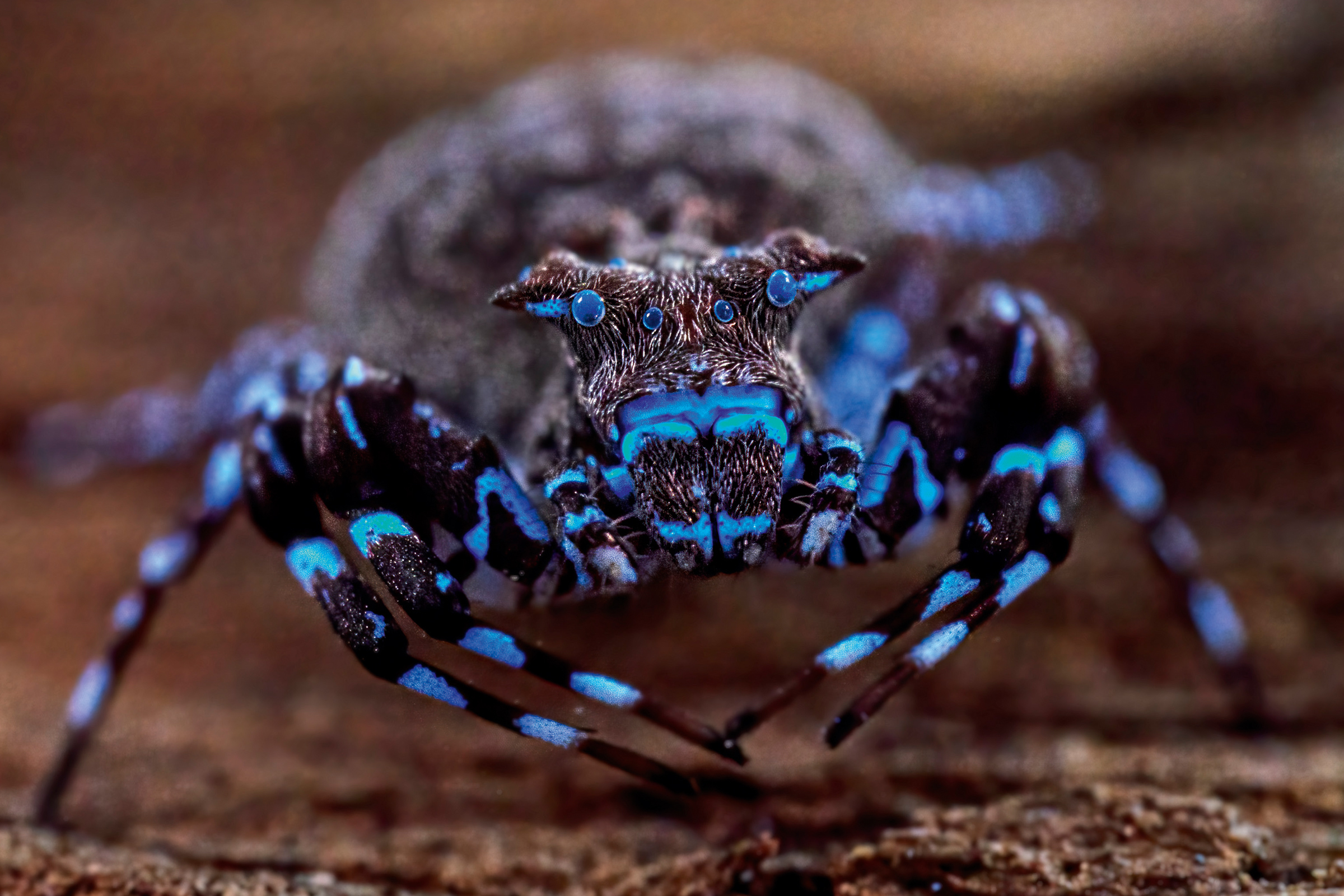
The survey provides the most detailed picture yet of a landscape almost entirely uncharted by scientists, revealing species like the crowned crab spider.
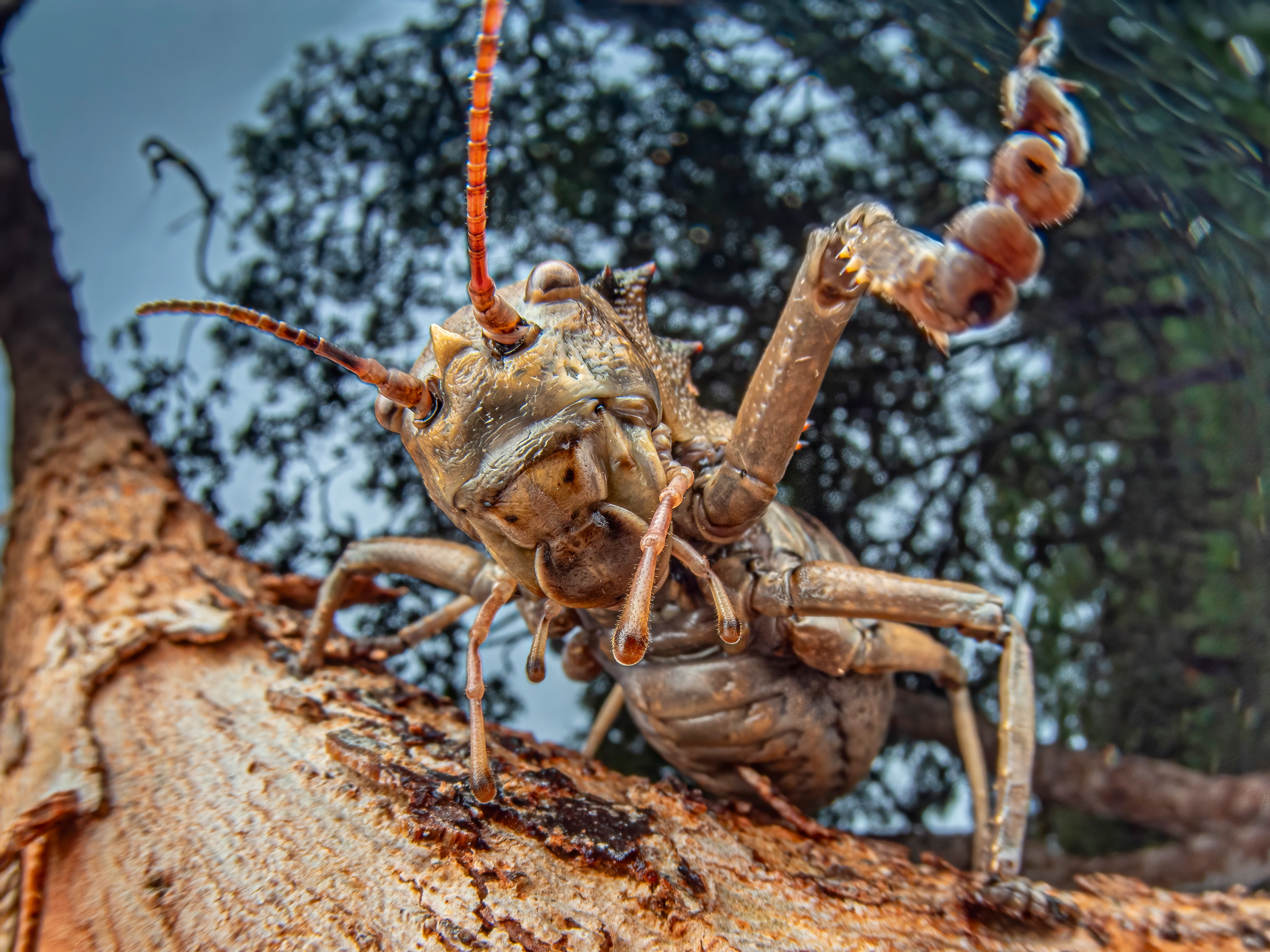
Specialists recorded 47 grasshoppers, katydid and cricket taxa, three of which were previously unknown to scientists.
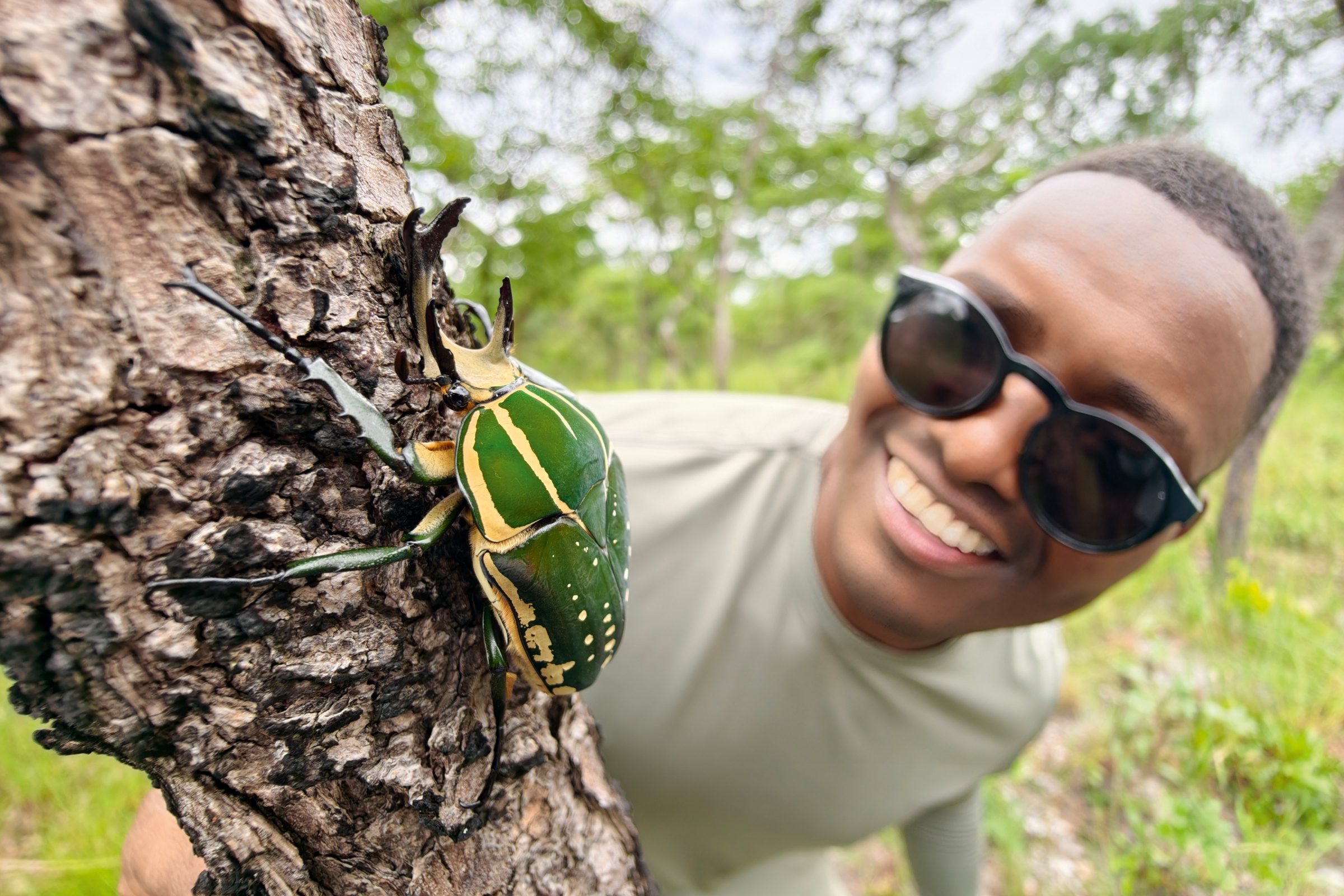
Scorpions and beetles were also discovered and await laboratory examination for identification.
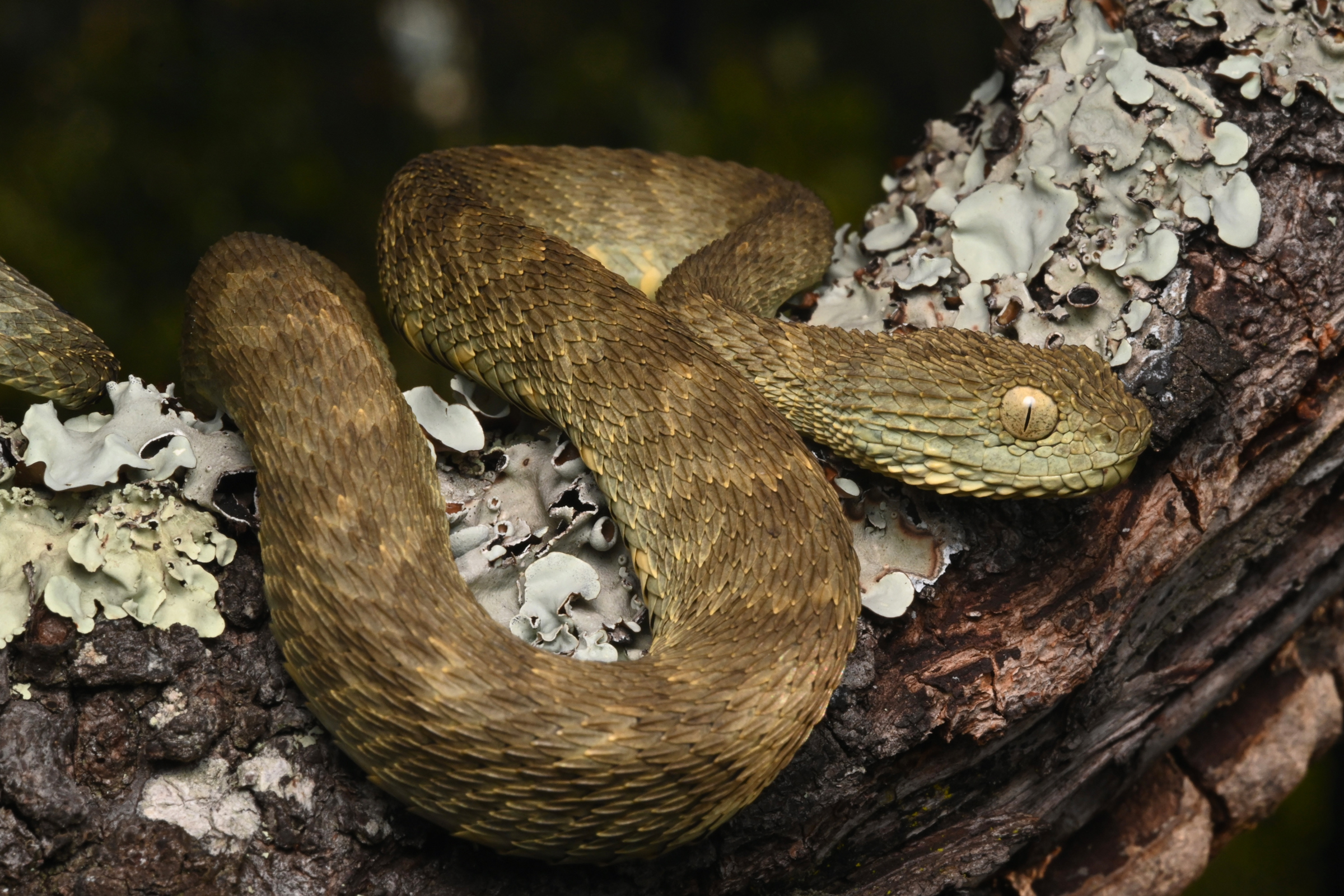
The bush viper, a highly venomous snake, is one of 23 reptiles recorded in the region.
Read more:
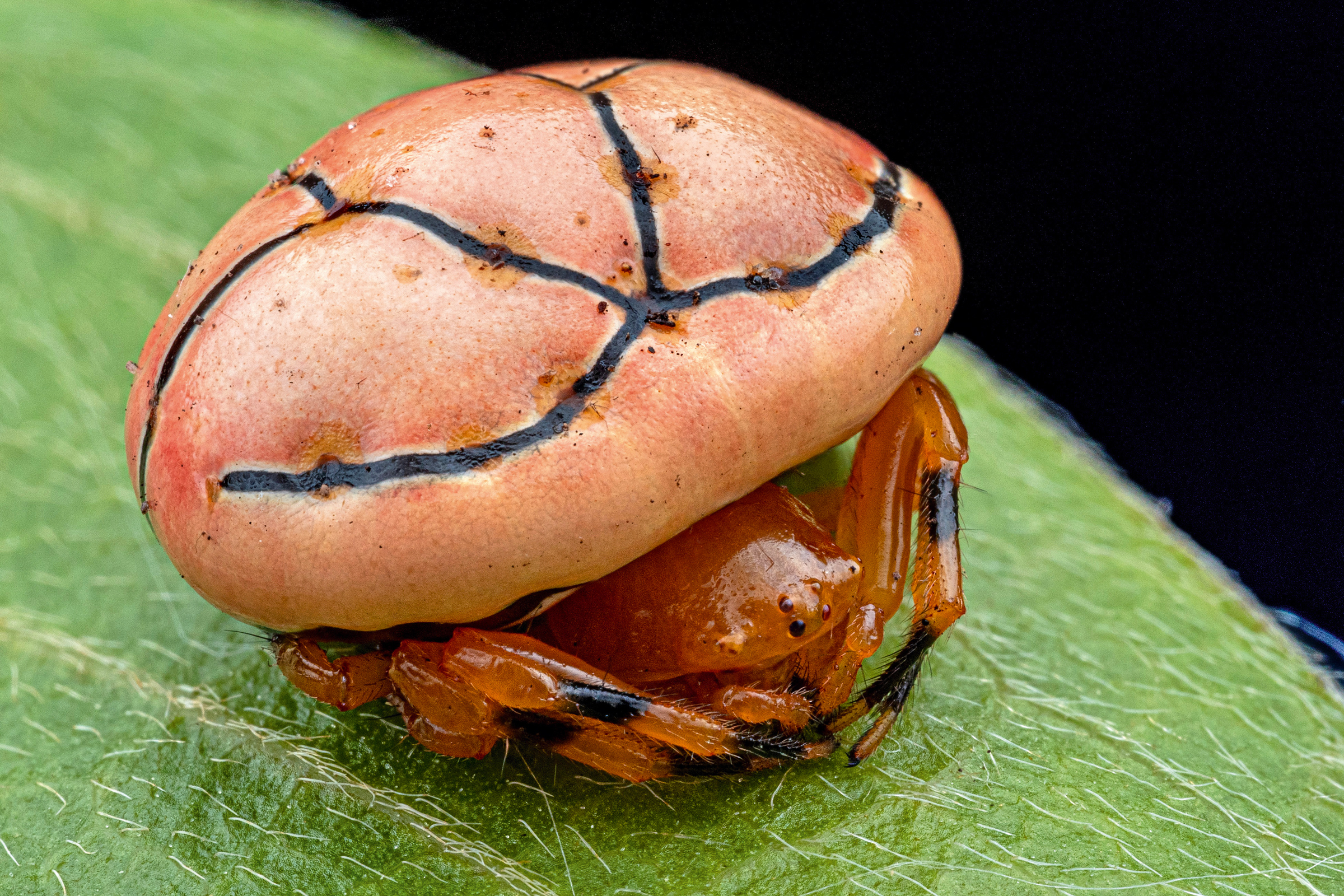
This ladybird orb-web spider, which is believed to be a new species, uses a disguise to protect itself from being eaten (ladybirds are toxic to their predators).
Read more:
