
We might see orangutans chomping down on a leaf and think they’ve just picked the plant that’s closest to them. In fact, new research has found that orangutans seek out plants with healing properties.
Based on 20 years of wild orangutan observations in Indonesian Borneo, this research shows that orangutans are able to “self-medicate” with the combination of plants they consume in sequence.
The study used long-term observations of orangutans in a Sebangau peat-swamp forest in Central Kalimantan to explore non-random dietary combinations among the animals.
The scientists assessed how often the orangutans ate plants with known medicinal benefits, and some plants featured together in the orangutan diet far more than they expected – notably, those that contain compounds linked to antimicrobial, anti-inflammatory or wound-healing effects.
“At this stage, we cannot say that orangutans are consciously ‘diagnosing’ themselves in the same way humans would,” says Georgia Allen, who led the study as part of her Masters in Conservation and Biodiversity at the University of Exeter, with the findings published in the journal Scientific Reports.
“However, our findings suggest they selectively consume certain plants with medicinal properties in ways that go beyond simple nutrition.”
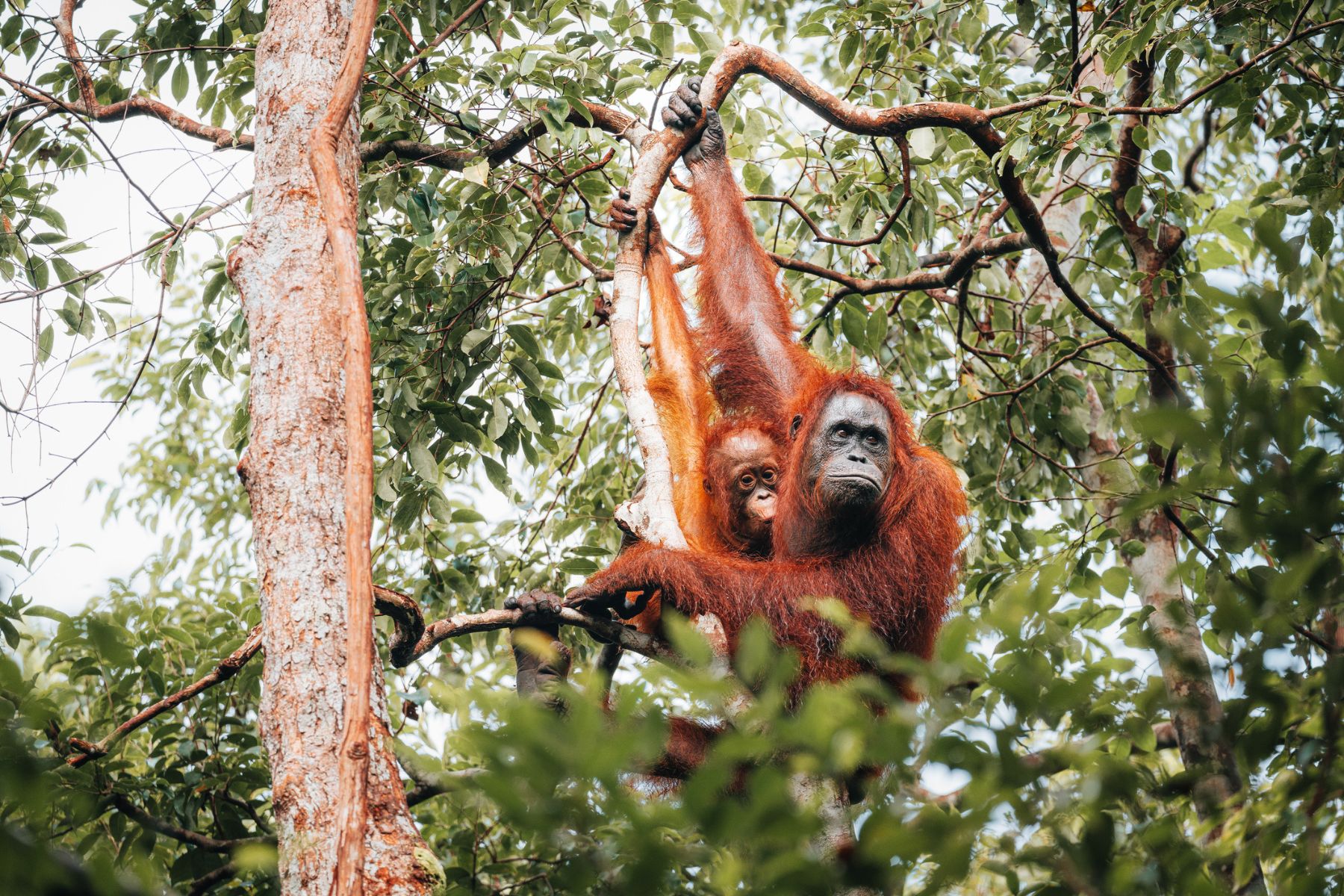
Many of the plants featured aren’t major parts of the orangutan diet overall, which suggests that they were possibly eaten for specific benefits, rather than as everyday food intake.
It’s not clear whether the orangutans are practising this behaviour through natural instinct, or whether it has been passed down over many generations.
Chimpanzees are known to 'self-medicate' in a similar way, by eating plants that reduce internal parasite infections, with similar behaviours observed in other primates, including bonobos, gibbons and gorillas.
The study – led by Allen under the supervision of Dr Kimberley Hockings, and supported by Dr Elodie Freymann – highlighted the fact that some of the featured plants are also used by local Indigenous people for medicinal purposes.
The team emphasised the importance, therefore, of preserving Indigenous knowledge for biodiversity conservation.
Read more:
