
A study of 5,000-year-old skulls has shed grisly new light on what happened to some of the people buried alongside Egypt’s first kings.
Members of the royal households appear to have been killed when their king died, so they could follow him into the afterlife – a practice known as ‘retainer sacrifice’.
Almost 4 in 10 of the skulls show signs of potentially fatal blows to the head, according to research published in Frontiers in Environmental Archaeology. The findings support a suspicion that archaeologists first raised a century ago but could never prove.
“With this type of sacrifice, when a ruler died, individuals who were close to that ruler – usually officials, family members, sometimes spouses – would then be killed to accompany that ruler into death,” said Dr Roselyn Campbell of Purdue University in the US, the study’s author.
The skulls came from graves at Abydos, an ancient burial site in southern Egypt where the first kings of a unified Egypt were buried around 3000BC. The royal tombs, and the complexes built for the kings’ funerals, are surrounded by rows of smaller, simpler graves.
“There are hundreds of these burials that are placed around the tombs of the first kings, and possibly queens, of a unified Egypt,” said Campbell.
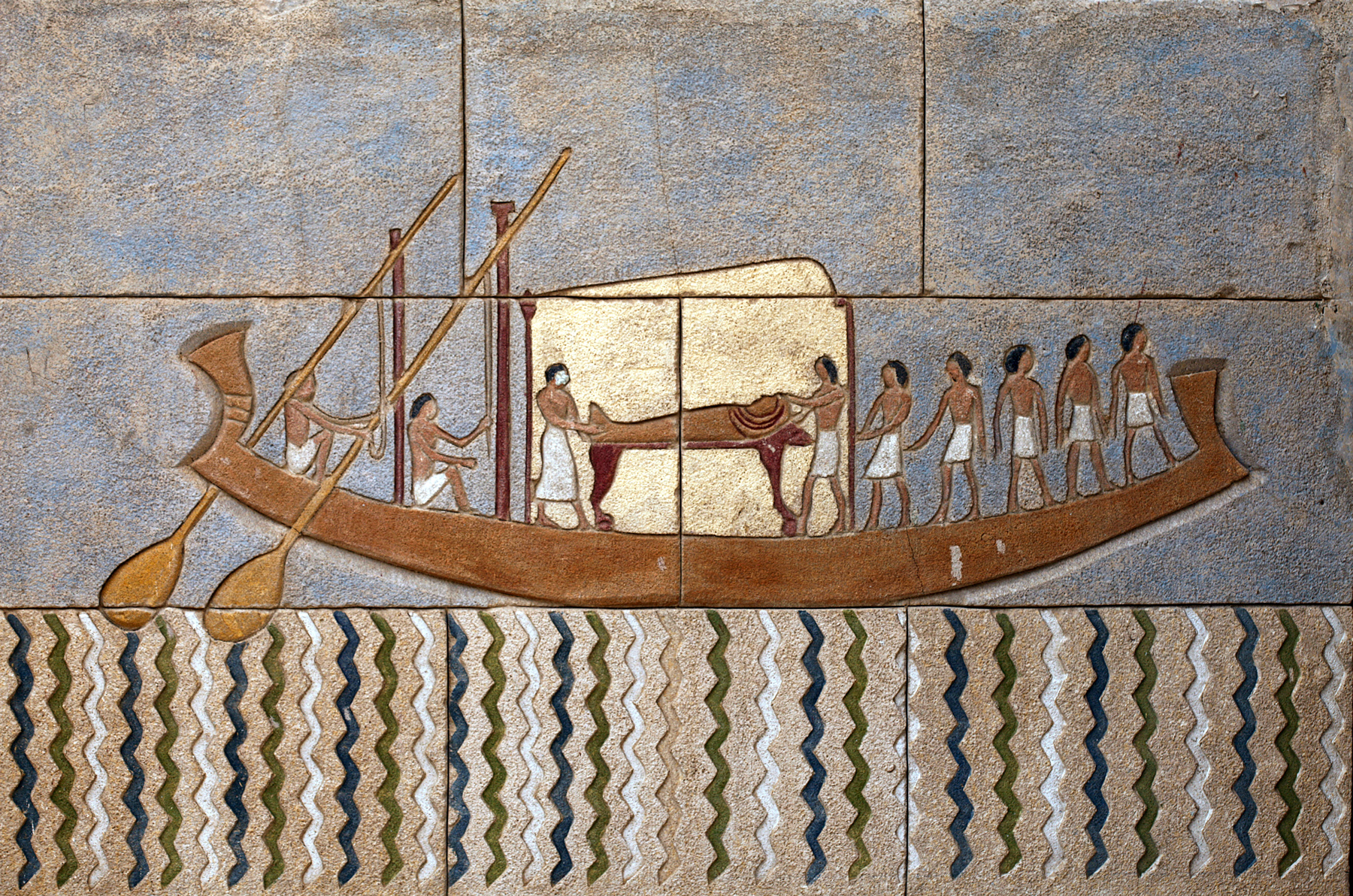
Campbell re-examined 46 skulls from these graves, now held at Cambridge University. Using modern forensic methods, she found that 18 had been broken around the time of death. Most had long cracks across the top of the head. A few had been cut, including one person who suffered a chopping blow to the eye.
Injuries to the top of the head are typical of deliberate blows rather than accidents – people who fall tend to hit their head lower down.
Campbell said the killings may have been about power as much as belief. “If you are a ruler and you’re trying to demonstrate that you control life and death, potentially you are semi-divine, what better way to do this than to convince all of your household to accompany you into the afterlife with your death?” she said.
“It’s also a very good reminder to everyone else that this is the fate that may await them.”
The study has limits. The study has limits. Only the skulls were kept after excavation – the rest of the bones were reburied – and they represent a small fraction of the graves.
Additionally, the injuries could have happened just after death rather than causing it. The 28 people whose skulls show no injury may have died naturally, or been killed in a way that leaves no mark on the skull, such as suffocation.
“There’s probably a lot more nuance and complication that we can’t see. And I think that’s what makes archaeology interesting and exciting,” said Campbell. “I think we need to lean into the mystery of it and embrace it.”
Read more:
