Like the rhythmic beating of your heart, or the regular tick of a clock, every 26 seconds the Earth's crust makes a quiet rumble.
These tiny seismic heartbeats, known as 'microseisms', are imperceptible to us but register clearly on seismologists' highly sensitive instruments.
But even though scientists first discovered this rhythmic pulse decades ago, they still can't agree on what's causing it.
Microseisms are surprisingly common. They’re generated all the time by natural events on Earth, ranging from ocean waves hitting the coastline to enthusiastic sports fans stomping in synchrony.
They create a kind of seismic background noise. But this particular microseism is unusual because of its persistent, rhythmic nature.
Dr Jack Oliver, a geologist then working at Columbia University, is widely credited with identifying this “worldwide storm of microseisms” in the early 1960s. He reported that the source of the pulse was somewhere in the southern Atlantic Ocean.
Half a century later, armed with more advanced instruments, scientists were able to pinpoint its origin more precisely.
They found the pulse to be emanating from part of the Gulf of Guinea, off the western coast of Africa, called the Bight of Bonny.
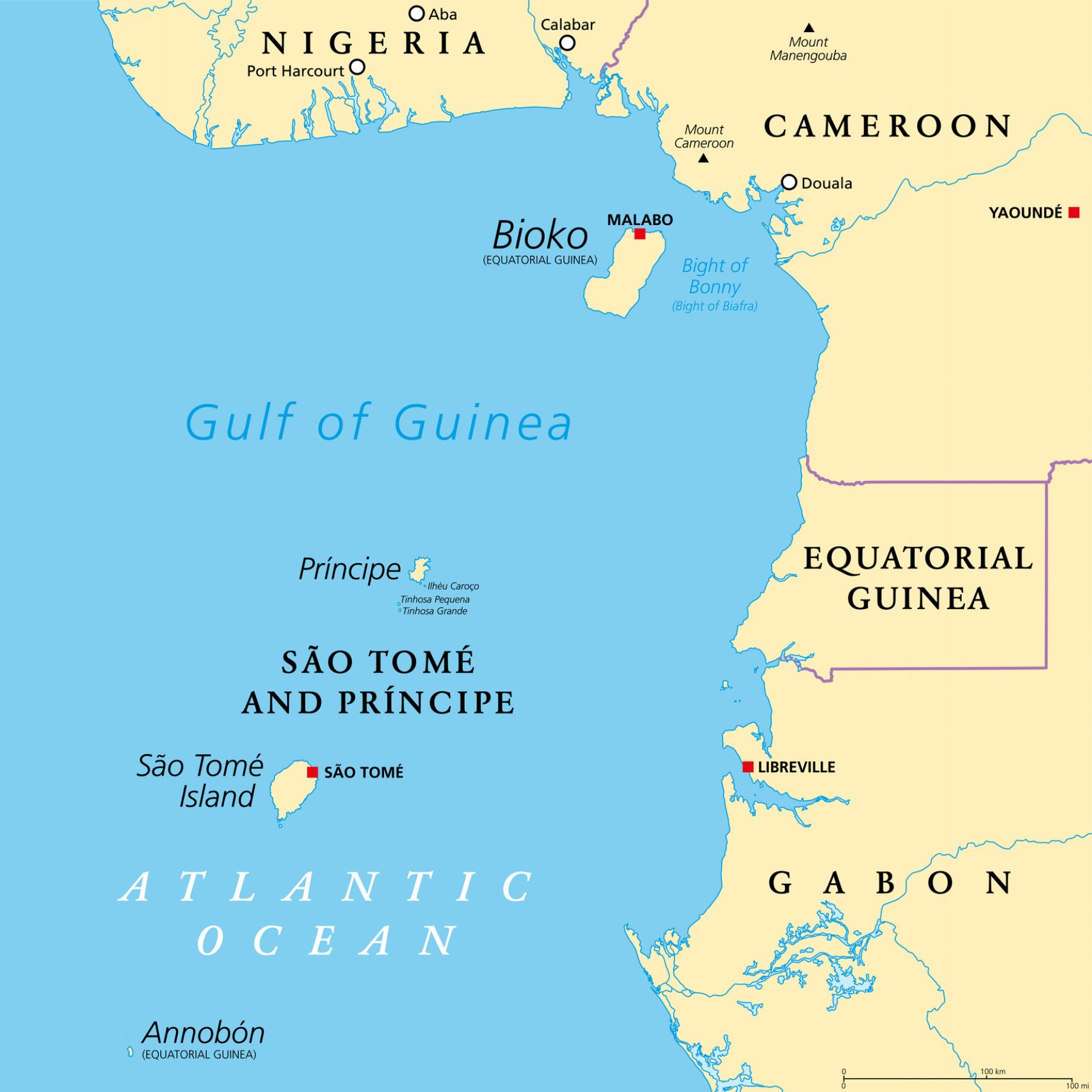
Researchers have narrowed down the cause to two theories: ocean waves or volcanic activity.
Powerful, fast-moving waves reflecting off the coast of Africa might be focused on a spot of ocean near the island of Bioko.
As the waves hit the edge of the continental shelf, their energy could ever so slightly deform the Earth’s crust, generating a regular pulse of seismic waves.
A key piece of evidence in support of this theory is the discovery that the strength of the 26-second pulse is correlated with the intensity of storm activity in the southern Atlantic Ocean.
Stronger storms mean stronger waves hitting the shallow seafloor, generating a stronger seismic wave.
Researchers in China, however, have argued that a nearby volcano on the island of São Tomé could be responsible. It wouldn’t be the first time that a volcano has been linked to microseismic activity.
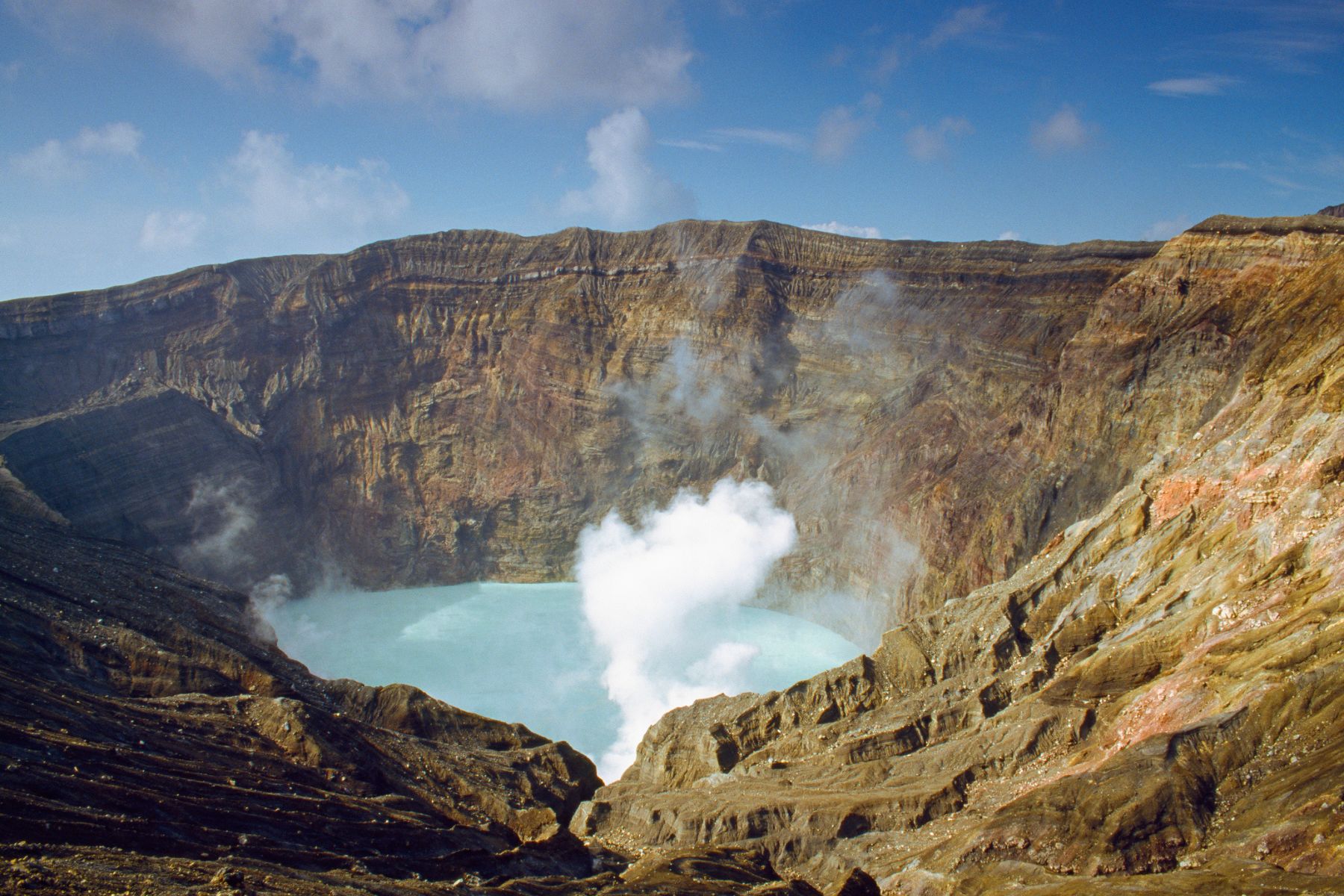
Mount Aso, a Japanese volcano, generates seismic rumbles which are thought to be caused by the movement of gases and magma below ground.
Scientists have since discovered a second source of regular microseisms coming from the same area, which provides some support for the volcanic explanation. This pulse vibrates at a slightly different frequency and happens every 28 seconds.
It seems to be emanating from somewhere near Pico Cão Grande, a volcanic formation on São Tomé, an island in the Gulf of Guinea.
This suggests that the 28-second pulse might be volcanic in origin, and the researchers speculate that the 26-second pulse might be coming from another volcano that has yet to be discovered.
Despite these tantalising pieces of evidence, we still don’t know for certain what causes Earth’s seismic heartbeat.
While the consistency of the pulse is intriguing, it doesn’t seem to be dangerous, so it’s been a relatively low-priority research area for seismologists.
Hopefully, we’ll get an answer sometime soon.
This article is an answer to the question (asked by Patrick Hawkins, via email) 'Does Earth have a heartbeat?'
To submit your questions, email us at questions@sciencefocus.com, or message our Facebook, X, or Instagram pages (don't forget to include your name and location).
Check out our ultimate fun facts page for more mind-blowing science
Read more: