
Female little brown bats mate in the autumn, but don’t fertilise their eggs or become pregnant until spring. This means there is a six-month gap where the sperm is stored inside the female’s body, waiting.
When a female animal mates and then retains sperm inside her reproductive tract, it’s known as sperm storage. The process enables sperm to be stored alive and well for prolonged periods and then used for fertilisation at a later date.
Lots of animals do this, including various insects, fish, birds and mammals. Female dogs can store sperm for around a week, female chickens for about a month, while female western diamondback rattlesnakes can retain theirs for up to six years.
During storage, sperm is housed in specialised structures inside the reproductive tract. Some insects store theirs in tiny sac-like organs, called spermathecae, while birds and reptiles keep theirs in blind-ended grooves, known as sperm storage tubules.
In people – yes, female humans can store sperm internally too – sperm can remain viable for up to five days inside tiny pockets in the lining of the cervix, called cervical crypts.
Tucked away safely, the sperm is kept viable by the local surroundings. The epithelial cells which line the storage structure produce antioxidant-rich proteins, which neutralise free radicals and prolong sperm longevity.
In addition, while the local immune system still attacks and destroys invading micro-organisms, it ignores the sperm, enabling the interlopers to lie low until their big moment comes.
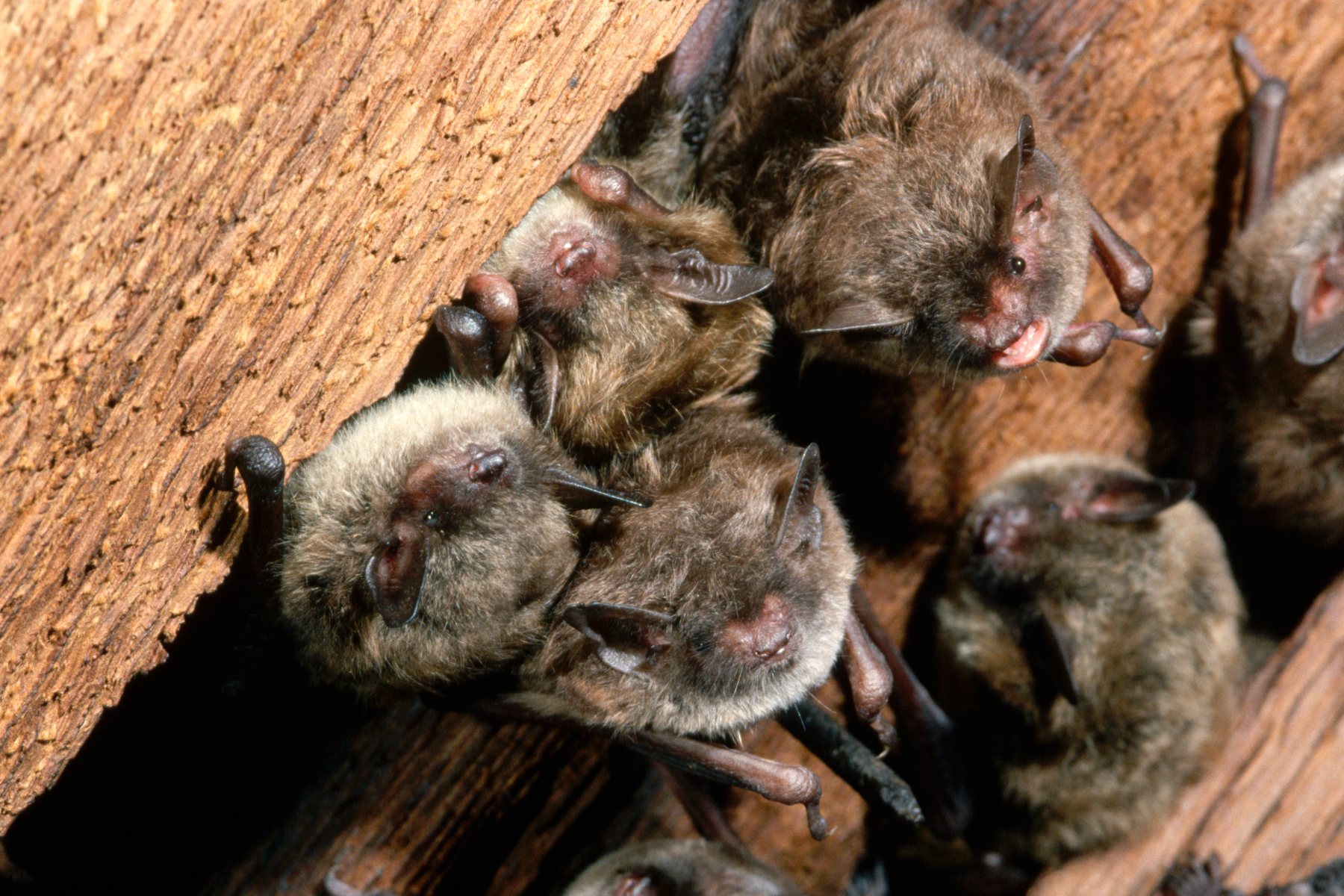
This strategy exists in so many different species that there must be a reason, and there is. Sperm storage decouples mating from reproduction. If little brown bats had their pups in winter, it would be a disaster. There’s little food, and it’s very cold.
By mating in the autumn, then hibernating, then becoming pregnant, the females time the birth of their pups to coincide with the best conditions to raise them.
In humans, sperm storage is likely to have evolved because it increases the window for fertilisation – intercourse that happens in the days before ovulation can still lead to pregnancy, because the sperm is ready and waiting.
There’s more to it, however. In some species, sperm storage enables females to influence the sex of their offspring.
Western honey bee queens, for example, mate with multiple males, then store the sperm and typically never mate again. After this, any unfertilised eggs that are laid develop into males, while any fertilised eggs develop into females.
Yellow dung flies take this a step further. Females can ‘choose’ which sperm to use from their stores. If it’s particularly cold, for example, she may favour the sperm of a male whose genetic makeup is better suited to face this hardship.
The practice boosts the offspring’s chance of survival, but exactly how she selects her sperm in this way, no one knows!
This article is an answer to the question (asked by Angela Jaiswal, via email) 'How do female animals store sperm long term?'
To submit your questions, email us at questions@sciencefocus.com, or message our Facebook, X, or Instagram pages (don't forget to include your name and location).
Check out our ultimate fun facts page for more mind-blowing science
Read more:
