
Throughout history, there have been many stupid inventions.
Take the baby cages of the 1940s, where well-meaning parents gave their children access to fresh air and sunshine by hanging them out of high-rise windows. Or the Foot-o-scope, which measured people’s shoe size by X-raying their feet (dosing them with radiation in the process).
Once thought to be breakthroughs, we now deride them as foolish.
Some inventions, though, were looked upon with scorn when they first appeared, only to go on to revolutionise how we travel, communicate and live.
Here are some of the game-changing inventions of the last 300 years that people once mocked but which we now can’t do without.
The aeroplane (1903)
For years, the early pioneers of aviation faced derision from both the public and scientific community.
The New York Times published a piece claiming a flying machine was millions of years away, while The Washington Post stated commercial flight would never exist.
Even after making the first-ever sustained flight in their aeroplane, the Wright Flyer, in 1903, brothers Orville and Wilbur Wright were mocked by their local press.
This incredulity meant the first breakthrough flights went largely unnoticed.
The bicycle (1810s – 1890s)
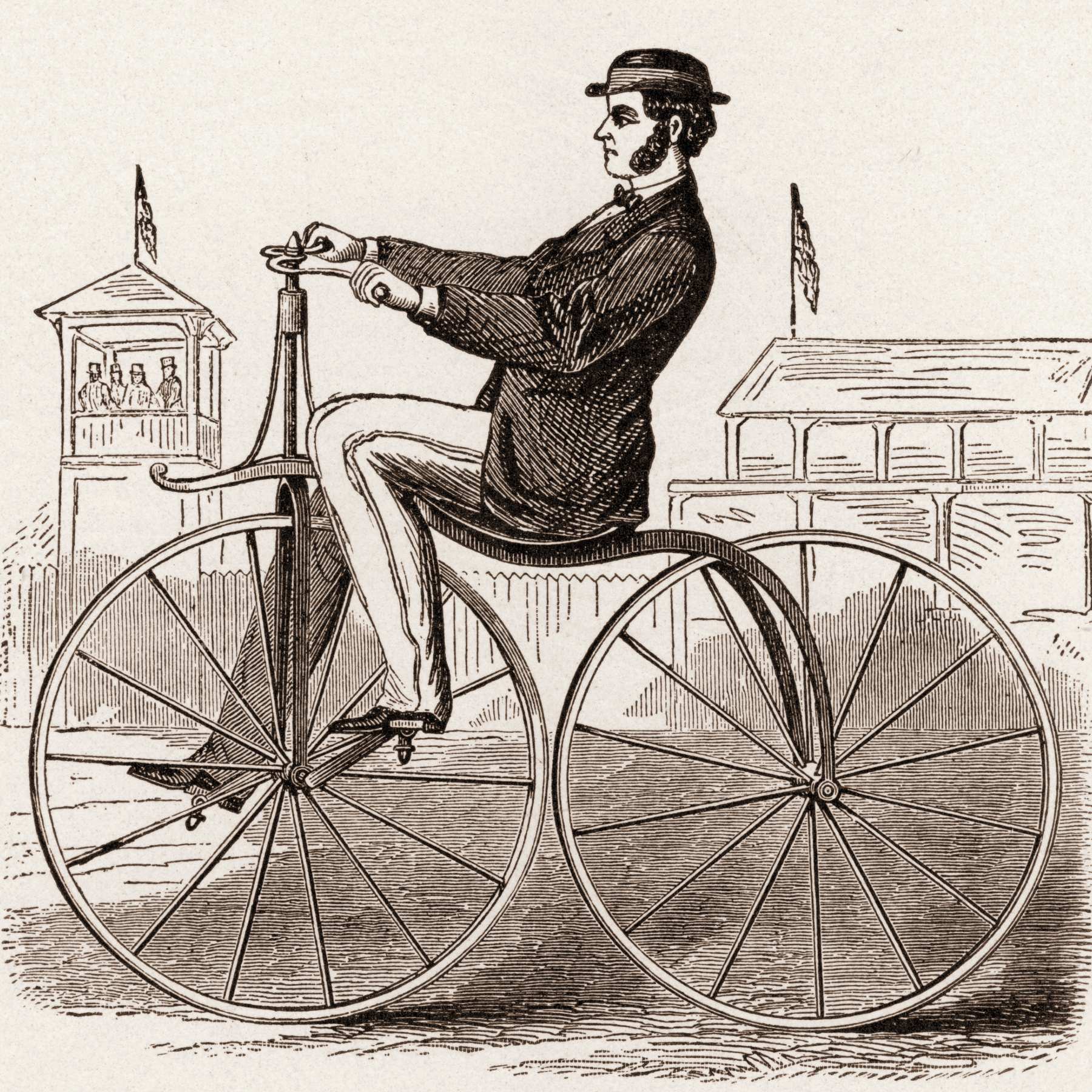
Exactly who invented the bicycle is something historians fight about at conferences. One thing they do agree on, however, is that it was a pair of Frenchmen, Pierre Michaux and Pierre Lallement, who brought the pedal bike to a wider audience in the 1860s.
Their ‘velocipede’ wasn’t like a bicycle as we know them now. The pedals were attached directly to the front axle. And rather than softly cushioned inflatable tyres, their wheels were solid and rimmed with iron, leading to a bumpy ride that earned them the nickname 'boneshakers'.
Their invention was met with guffaws in many quarters. Most dismissed the bikes as a frivolous pastime for the decadent upper and middle classes.
Despite this, the bicycle went on to become a social revolution. It offered people a low-cost, easy-to-maintain way to get around, allowing people to travel further for both work and leisure.
Today, bikes are seen as a healthy and environmentally friendly method of daily transport. Their popularity is surging once again in urban areas, with 1.5 million journeys a day being made by pedal power in London alone.
Tinned food (1810)

As Napoleon once said, “an army marches on its stomach”. Keeping soldiers and sailors fed was a huge concern for both sides in the Napoleonic Wars (1803–1815). With access to fresh supplies limited, preventing what they had from spoiling was critical.
In 1810, Englishman Peter Durand patented a way of heat-treating food and sealing it in cans that meant it could stay fresh for months, rather than days. (His discovery was based on the work of various Frenchmen, including chef Nicholas Appert, but given they were on opposing sides of a war at the time, he neglected to mention them in the patent).
The military embraced the new technology, and it soon expanded into everyday life.
The tin can’s initial reception, however, was one of ridicule. This probably wasn’t helped by the fact that the all-important tin-opener didn’t appear for another 45 years. In the intervening near-half-century, people had to chisel, hammer, and smash their way into tin cans using bayonets and hammers.
In addition, the earliest tin canisters were incredibly thick and sealed with toxic lead. And if the container didn’t get you, food poisoning might.
Early canned meat often went putrid because people didn’t fully understand how sterilisation worked. The manufacturing techniques often failed to kill heat-resistant bacteria, while poor sealing techniques let in air, allowing bacteria to grow.
Famously, an officer in the 1898 Spanish-American War over Cuba described the tinned meat that sickened his soldiers as “embalmed beef”.
Canned food has come a long way since then and now provides cheap, long-lived and safe nutrition for billions of people every day.
The electric light bulb (1879)

Imagine having to strain your eyes, relying on feeble, smoky candlelight. Then someone turns on your new electric light bulb and the room is flooded with illumination.
Some people are hard to please, though, and when electric lamps arrived to light up gloomy Victorian Britain, they were widely mocked by the public – particularly women, who feared the harsh, bright glare would render their complexions less attractive.
Early prototypes often burned out quickly or melted, fuelling doubts that Thomas Edison could deliver a practical, long-lasting product.
In Britain, MPs were sceptical that electricity could be safely distributed to private homes. They viewed the technology as an impractical novelty that posed a significant fire hazard. The light bulb, they declared, was “Good enough for our transatlantic friends, but unworthy of the attention of practical or scientific men”.
But like all great inventions, the light bulb’s usefulness eventually shone through, allowing the world to become a 24-hour society.
The automobile (late 1800s – early 1900s)
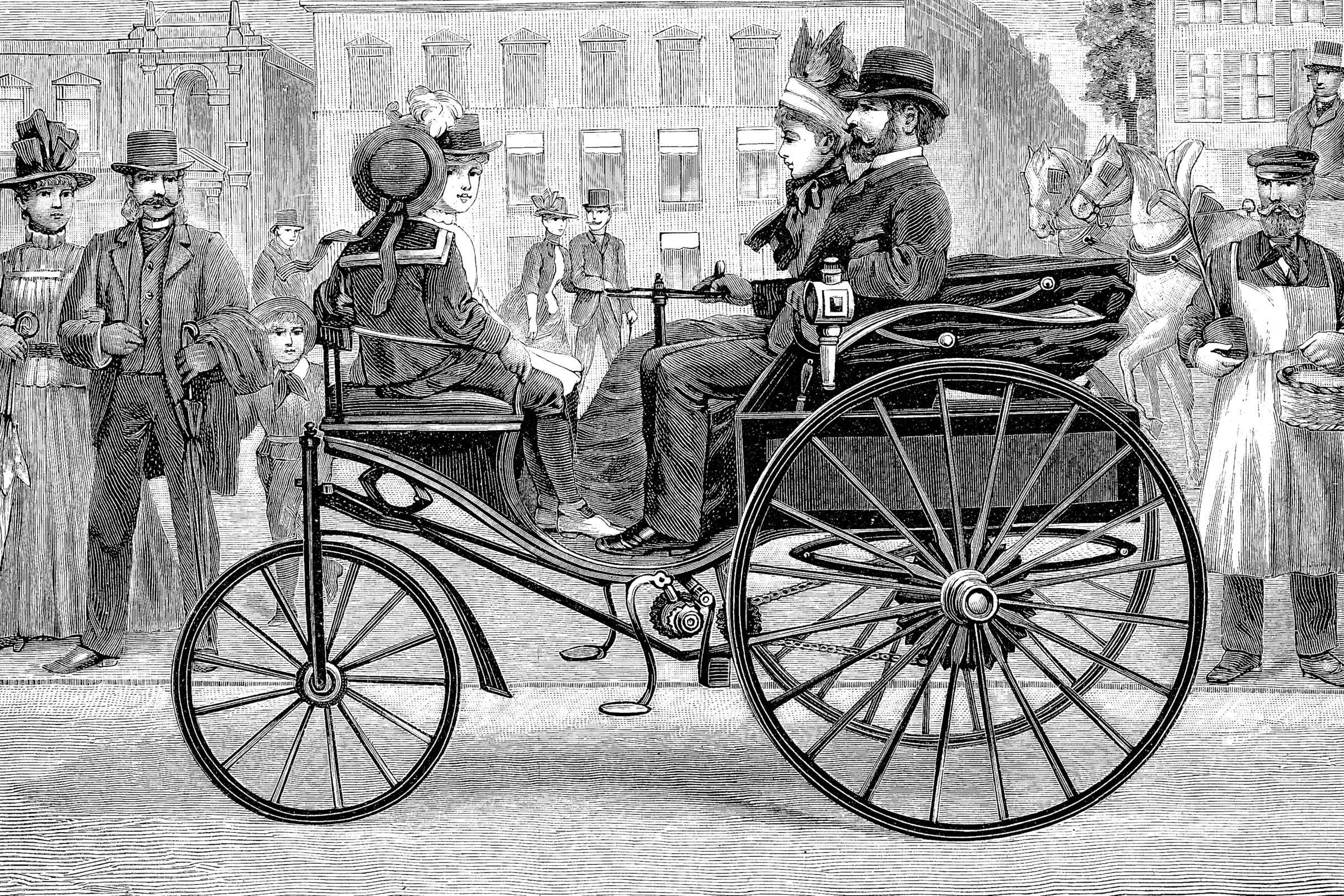
It’s not difficult to see why the first cars were something of a laughing stock.
They were noisy and prone to sudden breakdowns. They frightened horses and alarmed pedestrians. In Britain, strict laws required early vehicles to be preceded by a person walking and waving a red flag to warn citizens of the approaching danger.
A group of satirists from Pennsylvania went as far as proposing a law demanding that drivers stop and cover their vehicles with camouflage blankets if horses approached.
In 1903, British MP Scott-Montagu confidently predicted, “I do not believe the introduction of motor-cars will ever affect the riding of horses.” The New York Times opined that they were impractical novelties that would never catch on for the masses.
In reality, the era of the horse-drawn carriage was coming to an end. The age of the motorcar had dawned and would, for good or ill, shape the modern world.
The telephone (1876)
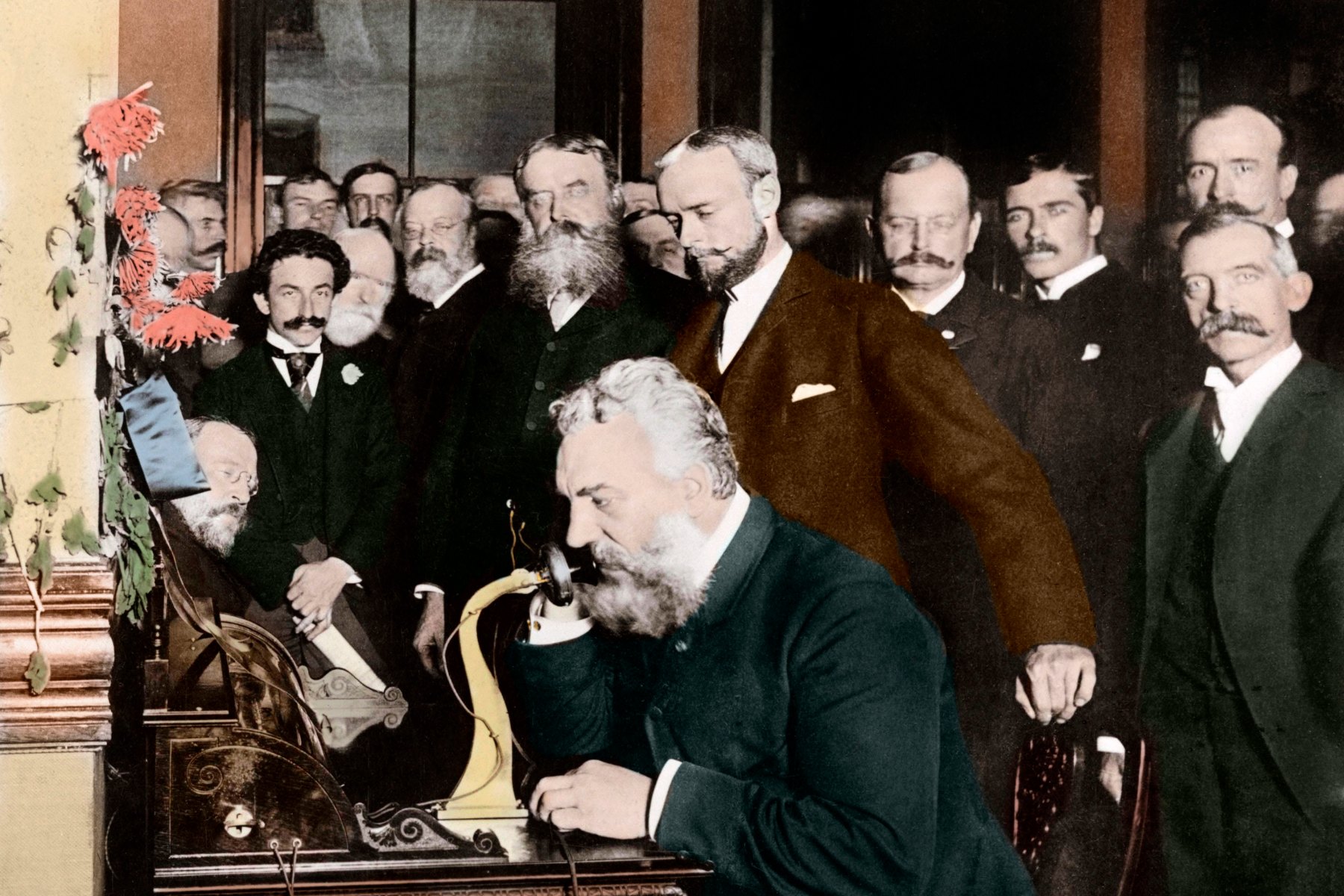
When telephones first appeared in the late 19th century, no one was quite sure how to use them. Early users often shouted into the devices, assuming the louder they yelled, the farther the sound would carry.
The public was sceptical of the new technology, and found the idea of disembodied voices travelling through wires absurd. Newspapers ran stories treating the invention like a magic trick or a joke rather than a serious communication tool.
Some elderly individuals refused to touch the device for fear of electrical shocks, and religious leaders detected diabolical forces at work.
Several businesses banned employees from using the telephone during office hours – fearing it could prove a source of distraction (not a million miles from the truth, perhaps).
Some critics questioned whether the device was even needed. Surely, people who wished to communicate could simply send a written message to the telegraph office?
When Alexander Graham Bell secured his patent for the device in 1876, he offered to sell it to the leading communications company of the era, Western Union.
The company’s president, William Orton, was unimpressed, reportedly stating, “There is nothing in this patent whatever, nor is there anything in the scheme itself, except as a toy.”
Critics only stopped laughing years later, after the Wright brothers staged undeniable public flight demonstrations in Europe.
The iPhone (2007)
When Apple announced the first iPhone, people sneered. Critics laughed at the $500 (£250) price tag and predicted the device would flop completely.
Its detractors decried the lack of a physical keyboard – how were you supposed to type without any buttons? The established BlackBerry device, with its physical keyboard, seemed much more sensible.
There were doubts that it could operate as both a music player and a computer, while also being a fully functioning phone. To the uninitiated, it all seemed unnecessarily complicated.
The fragile glass screen seemed destined to break, and the battery life was a lot less than other devices around at the time.
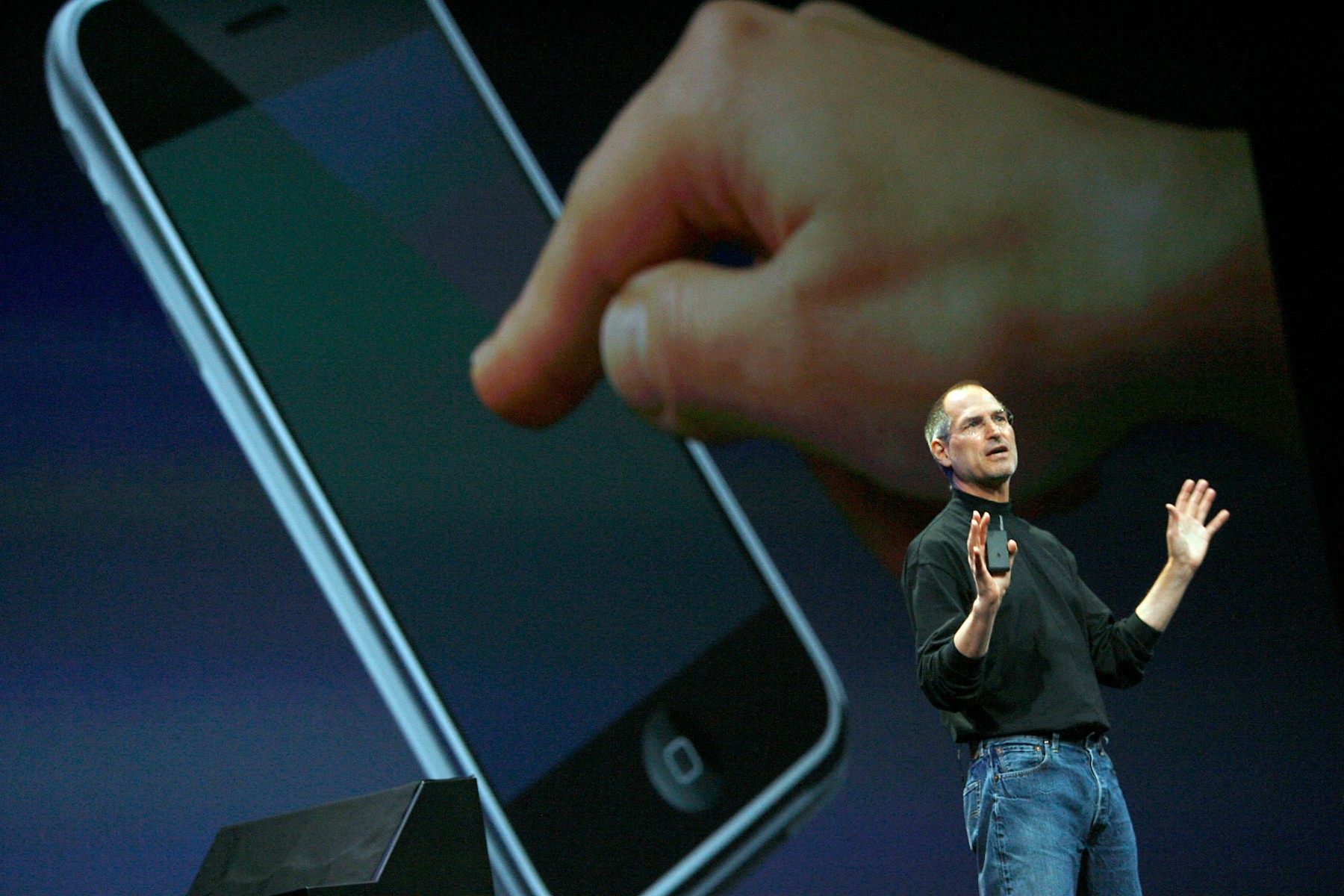
Top competitors famously laughed at the device. Steve Ballmer, the CEO of Microsoft, said, “There’s no chance that the iPhone is going to get any significant market share. No chance.”
David Platt, a tech author and Harvard instructor, infamously predicted on his blog in 2007 that the first Apple iPhone would “crash in flames”.
But unlike these comments, the iPhone has stood the test of time and generated over $2.1tr (£1.6tr) in cumulative revenue for Apple since 2007, and forever changed the way we view our phones.
Vaccination (1796)
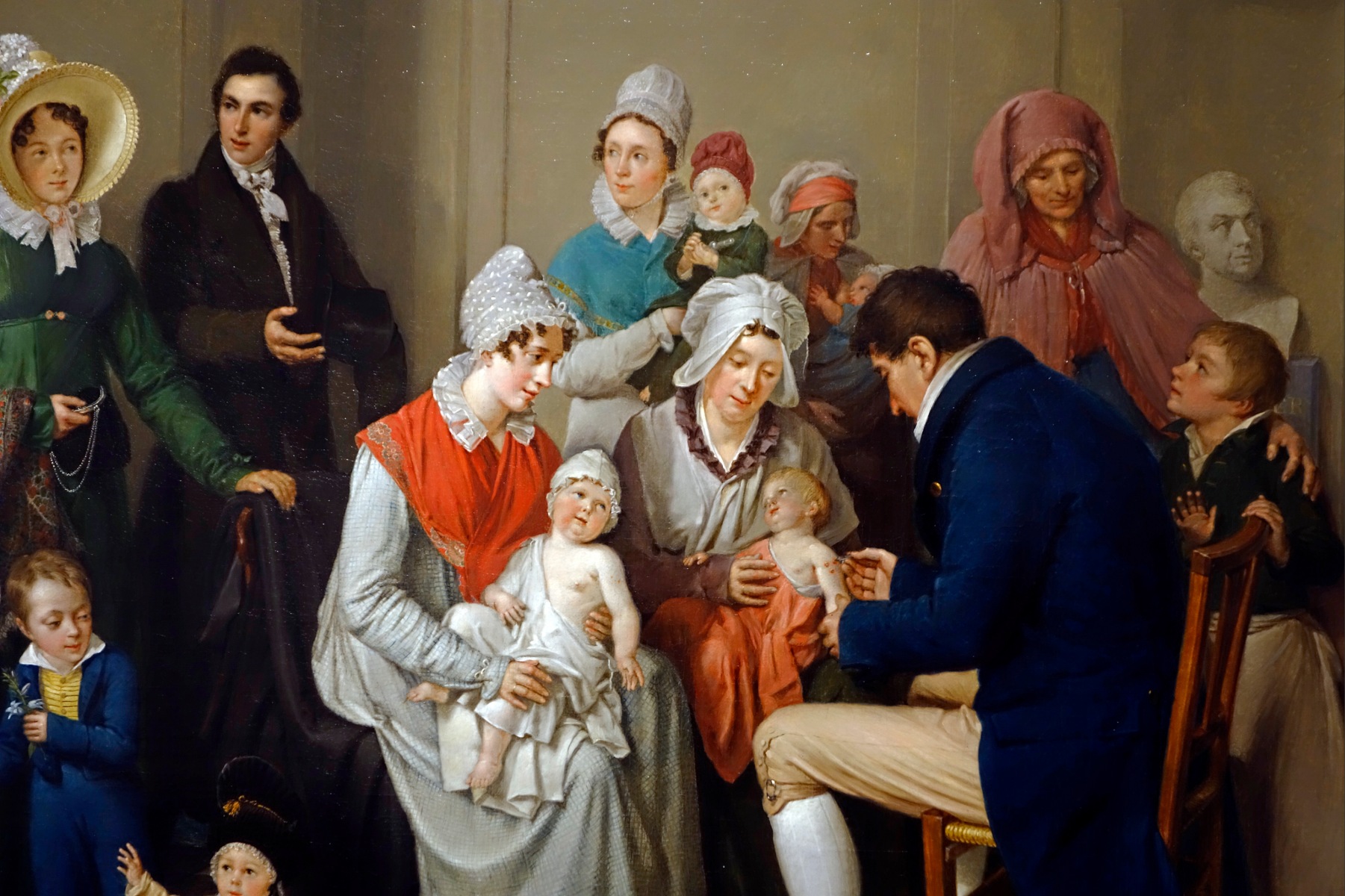
Vaccine scepticism is nothing new. When Edward Jenner successfully vaccinated an eight-year-old boy against the deadly disease smallpox in 1796, people were appalled.
Jenner vaccinated a boy by giving him a dose of the similar – but less dangerous – cowpox virus. The boy was able to fight off the disease, leaving him immune to the far more terrifying smallpox as well.
The problem was, not even Jenner understood how the vaccine worked. Today, we know that the boy’s immune system created antibodies that protected him from smallpox. But at the time, all critics saw was a man injecting an animal disease into human bodies.
The lack of understanding fuelled bizarre rumours, with cartoonists and critics famously claiming that vaccinated people would sprout cow parts, like horns. Many religious leaders argued that the practice interfered with divine will, as diseases were viewed as sent by God.
But there’s no doubt Jenner’s discovery represents a transformative moment in medical history. After Louis Pasteur developed germ theory in the 1860s, more vaccines could be developed, laying the groundwork for modern immunology and public health strategies, leading to countless millions of lives being saved.
Wheeled suitcases (1972)

Anyone who has travelled both with and without a suitcase on wheels will be in no doubt about the brilliance of this invention.
But strangely, Bernard Sadow got roasted when he patented wheeled luggage in 1972.
Mid-century gender norms dictated that “real men” carry their wives’ luggage. The invention was widely mocked as overly feminine and initially rejected by every major department store in New York City.
Store executives and buyers told Sadow that no man would ever roll a suitcase because carrying heavy bags was a sign of virility.
It took more than 15 years for the invention to go mainstream when Robert Plath created a two-wheeled version that was far easier to manoeuvre.
Nowadays, who’d even consider buying a suitcase without wheels underneath?
The umbrella (1705)

The desire to appear macho also held back the use of another eminently sensible device – the umbrella.
In 1705, the French merchant Jean Marius invented the first foldable, lightweight umbrella. It proved a huge hit among European nobility.
But in 18th-century London, men who dared to carry them faced ridicule. The explorer Jonas Hanway became one of the first Brits who dared to use a brolly in the British capital, and soon found himself with more than just the rain to deal with.
Coachmen pelted him with garbage, fearing their customers would no longer use their carriages if they could protect themselves with waterproof canopies. Traditionalists and members of the public taunted him, calling him a “mincing Frenchman”.
And the military was having none of it. The Iron Duke of Wellington forbade his soldiers from using them, declaring that it made his army look ridiculous.
Despite the initial derision, people soon realised that staying dry was preferable to being soaking wet. Within a few decades, public opinion completely flipped. The umbrella became an essential, respected everyday item for all classes.
And in rainy Britain, they’re especially appreciated.
Read more:
