

The strange 75-year quest to build the ultimate home speaker
Ever since the first crackle of a needle as it made contact with vinyl in 1948 (Mendelssohn's Concerto in E Minor), music lovers have been in pursuit of a refined listening experience. The journey of hi-fi has been marked by extraordinary leaps in technology and inventive adaptations by audiophiles in pursuit of the perfect sound.
We trace the evolution of hi-fi from the heyday of the 1950s to immersive audio to high-resolution streaming.
The early days: vinyl and valves
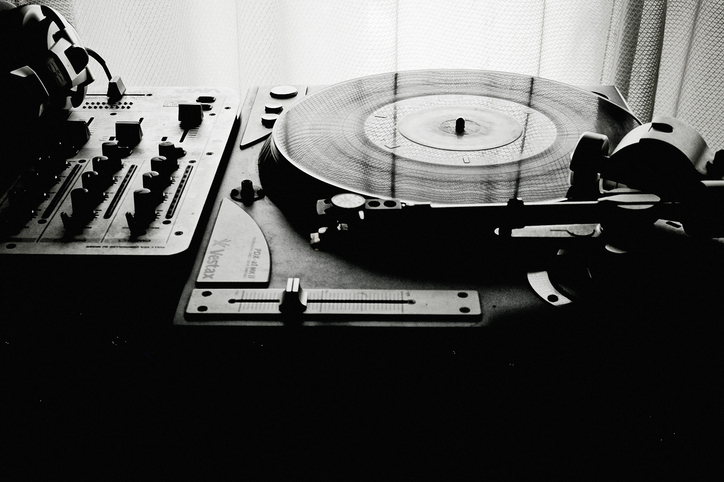
When vinyl replaced shellac in 1948, the fidelity journey began. Reproducing sound, rather than simply capturing it, meant minimising distortion, accentuating detail and creating a balance between bass, mids, and treble. Vinyl LPs also allowed for longer playing times (shellac was restricted to 3–5 minutes) and offered a wider dynamic range.
Valve amplifiers brought a depth and warmth that vinyl lovers still wax lyrical about today. The cultural phenomenon of hi-fi had begun, changing the way we listened to music. Hi-fi systems became a centrepiece in living rooms. They also influenced the creative direction of artists, who began writing with A and B sides in mind.
Listening in stereo; turning modular: the golden age of hi-fi
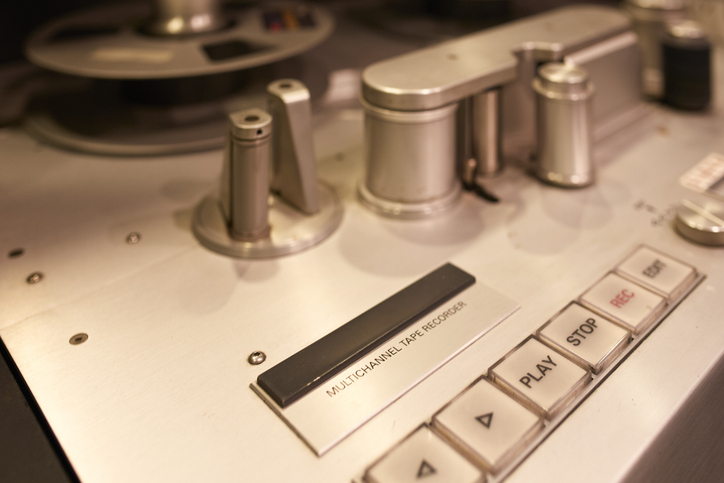
During the late 1950s and into the 1960s, hi-fi moved from mono to stereo. Two channels introduced depth and dimension, transforming sound from a single point into a sonic landscape. Music became immersive, and artists began composing for spatial storytelling. Sgt. Pepper's Lonely Hearts Club Band by The Beatles and Kind of Blue by Miles Davis capture this moment.
By the 1970s, separate turntables, amplifiers and speakers made systems modular and upgradeable. Each component had its own qualities and listening became a more curated experience.
From the 1970s into the 1980s: portability vs purity
When solid-state valve systems (using transistors rather than vacuum tubes) emerged in the early 1970s, hi-fi equipment became smaller, more reliable and far cheaper to produce. A breakthrough for the market.
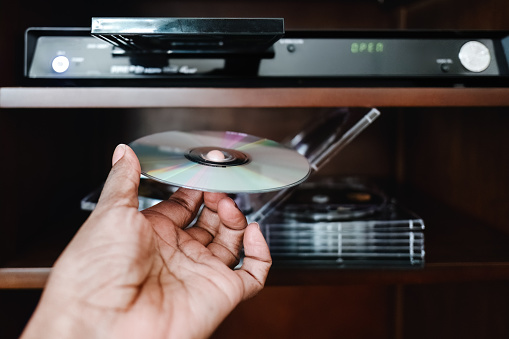
A more seismic change arrived in 1982, when Sony and Philips introduced the compact disc (CD), promising consumers ‘perfect sound forever’. For the first time, music could be stored and played back digitally, free from hiss, crackle, and surface noise, with vastly improved dynamic range. By the 1990s, digital recording had become the studio standard, and portable players like the Discman defined a new era of listening on the move.
But as audio became cleaner and more convenient, objections emerged that precision had come at the expense of emotional depth. Many listeners longed for the perceived warmth and imperfection of the pre-digital age.
This tension set the stage for the next revolution: MP3s, streaming, and huge digital libraries. By the 2000s, with the launch of iTunes and compressed audio formats, music became instantly accessible at scale. This convenience ignited debate regarding sound quality, as well as ownership.
The return of quality: lossless, high-res streaming and networked systems
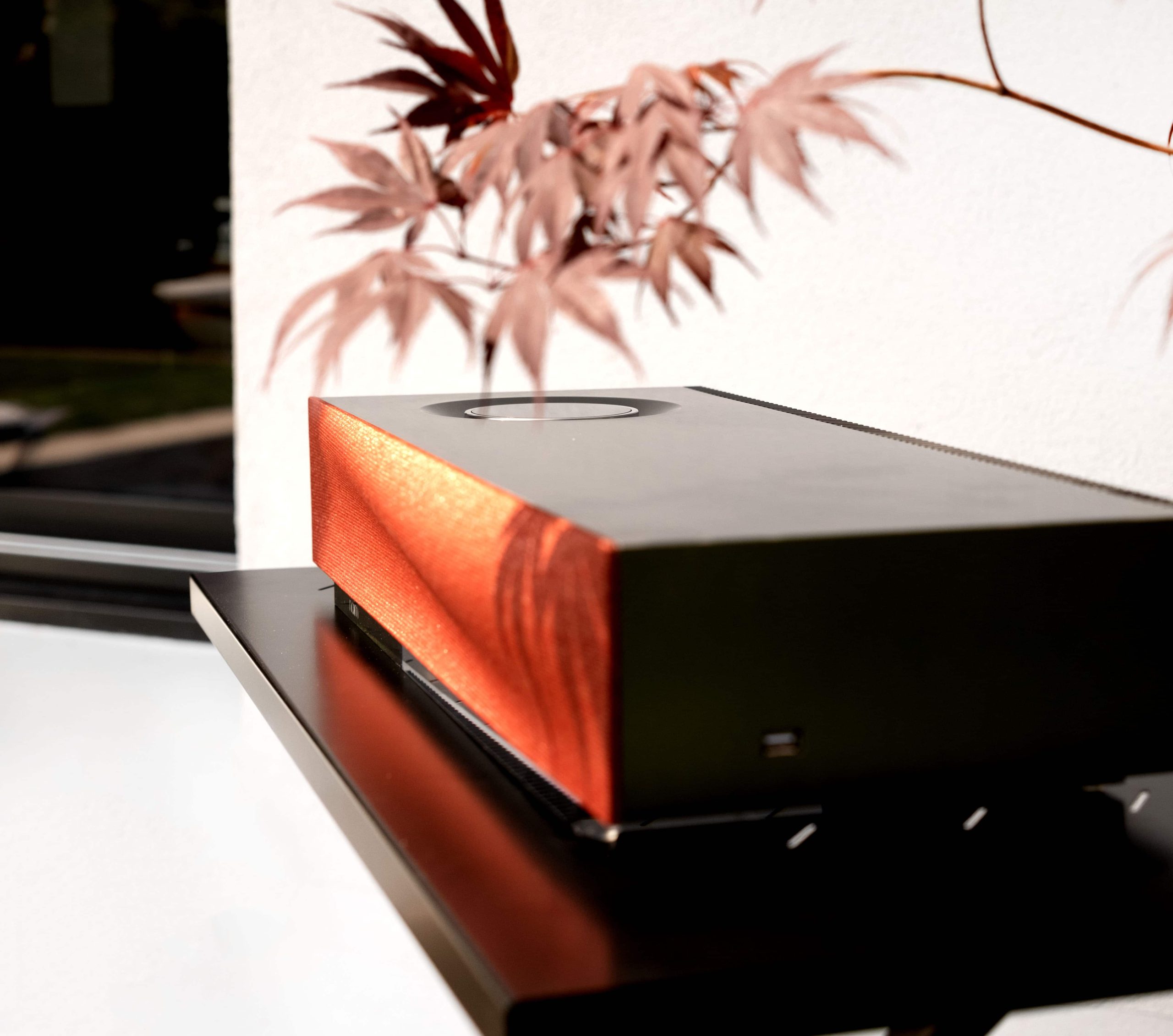
As we enter the 2020s, consumers are no longer forced to choose between convenience and quality. Lossless audio (recordings with no data removed), high-resolution files, and access to vast global music libraries now allow listeners to enjoy the full spectrum of fidelity – combining convenience, accessibility, precision and warmth.
A further evolution has come through networked hi-fi systems. Entire music ecosystems, controlled through apps, now allow seamless playback across devices, rooms and environments. Music is no longer tied to a single room or piece of hardware; instead, it flows through connected spaces. Studio-quality sound, available at your fingertips, wherever you are.
Naim Audio: pioneers in hi-fi
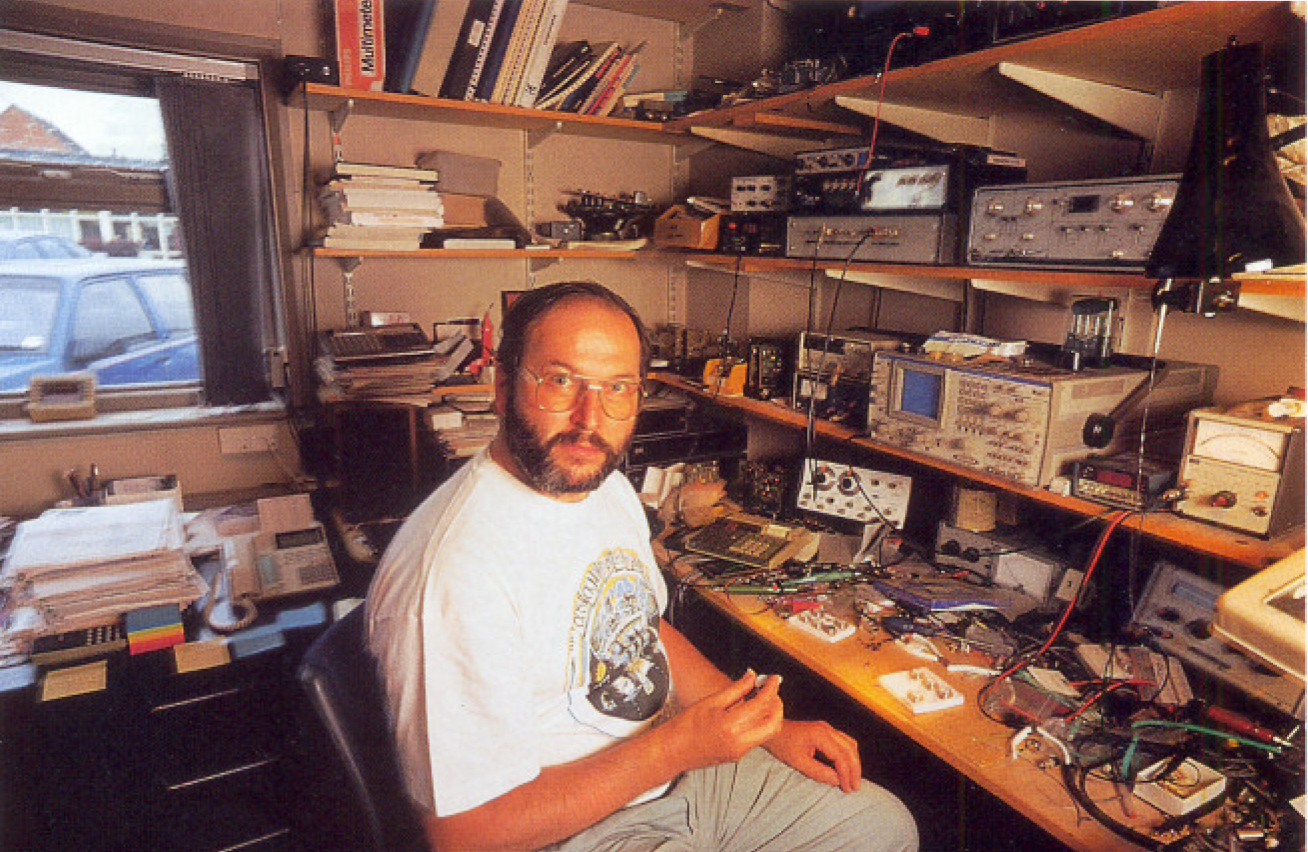
While the technology has changed dramatically, one thing remains constant: the pursuit of the ultimate listening experience. Since 1973, Naim Audio has been creating systems designed to deliver music “just as the artist intended.”
Naim Audio was founded by Julian Vereker after he became frustrated by how different music sounded at home compared to the experience of hearing it live. That frustration became a guiding principle: to recreate a pure, emotionally faithful connection to the original performance. Naim says: “Every Naim product is conceived, designed and engineered in service of the sound.”
Today, the challenge, according to Naim Audio, is balancing effortless access to music with uncompromising audio quality. “It’s easier than ever for younger generations to listen to music but more difficult than ever to present a way to listen that showcases the music as we think it should be heard. That’s what we are here to do.”
Naim has become a trailblazer in networked audio systems that do not compromise on sound quality. Wireless connectivity is paired with high-performance internal DACs for audiophile-grade conversion, alongside carefully tuned DSP filters designed to preserve the emotional texture and detail of music. The result is a synthesis of convenience, digital precision and analogue warmth.
Naim Audio systems to try
Mu-so 2nd Generation
All-in-One system
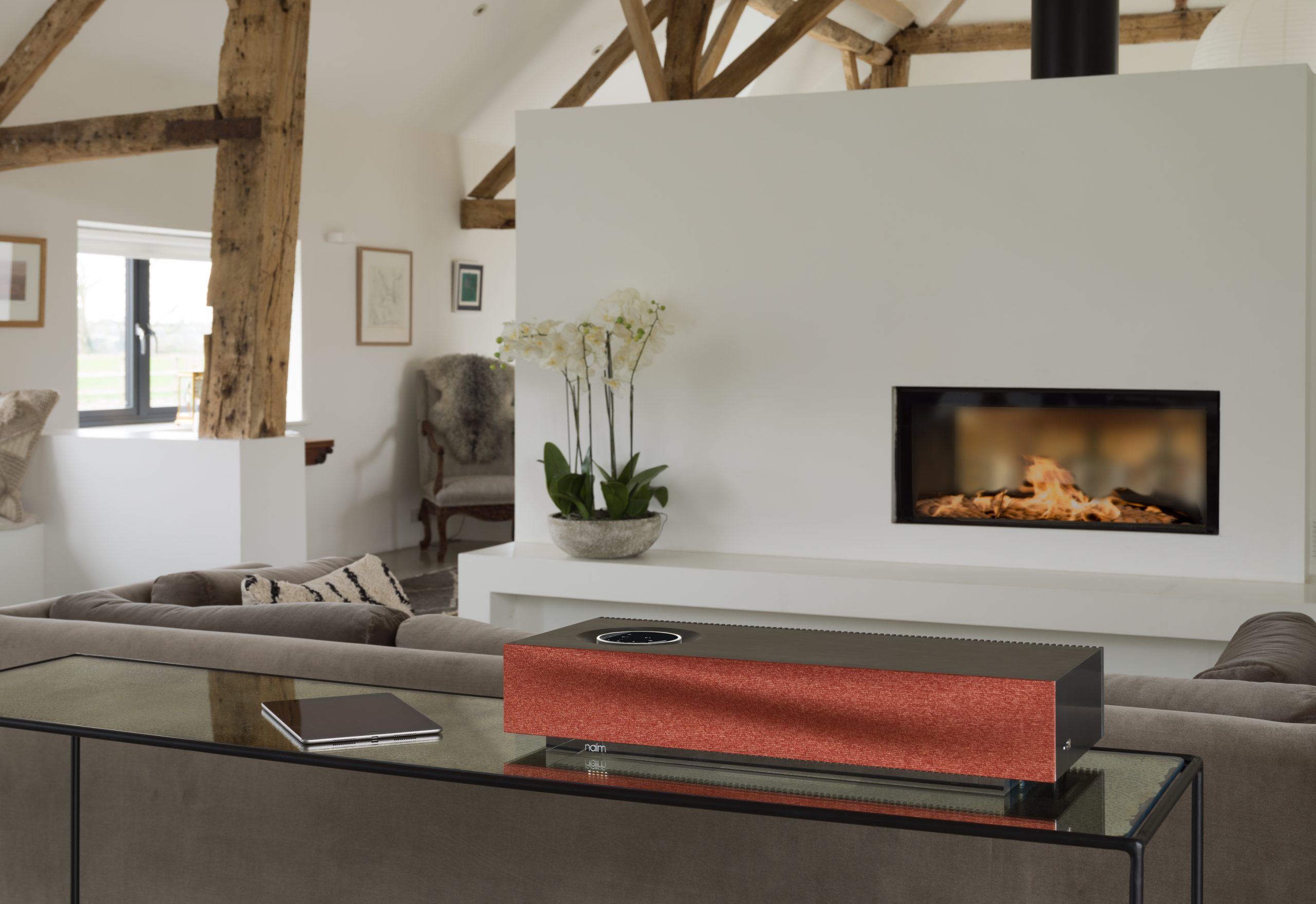
Mu-so 2nd Generation is the successor to the award-winning Mu-so wireless music system. It has been re-engineered with a new multicore Digital Signal Processor (DSP), providing 2000 MIPS. The new limiter algorithm keeps the movement of the speaker drivers under control when at a high volume, helping to retain the music’s clarity.
Uniti Nova
Streaming Amplifier
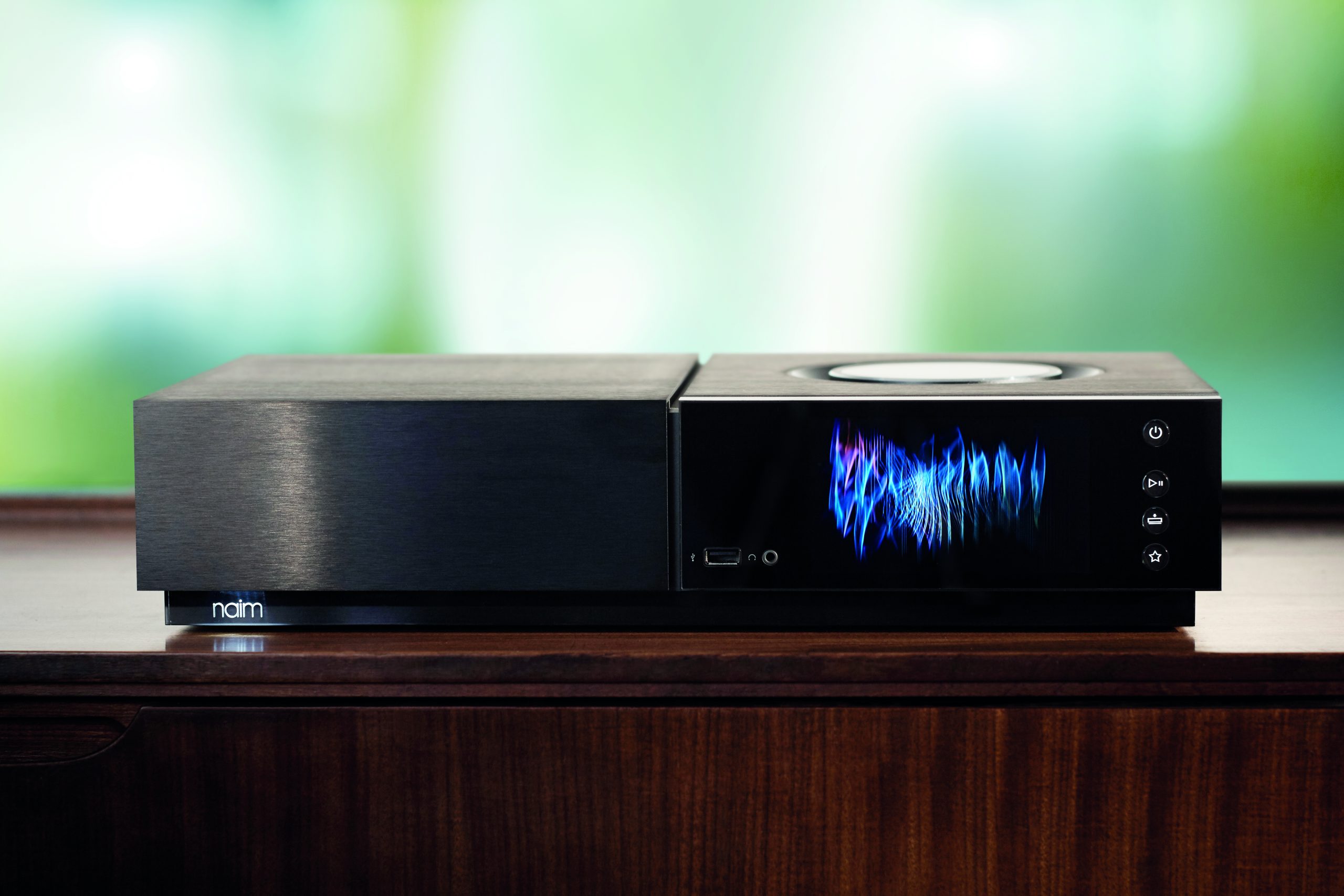
If you’re searching for flexibility, you can play your music library, radio or TV on this streaming player. The Uniti Nova supports voice control for Google Assistant and Apple Siri, and can be paired with other AirPlay 2-compatible wireless speakers via the Apple Home app, or with other Chromecast built-in devices via the Google Home app.
New Classic
200 Series and 300 Series
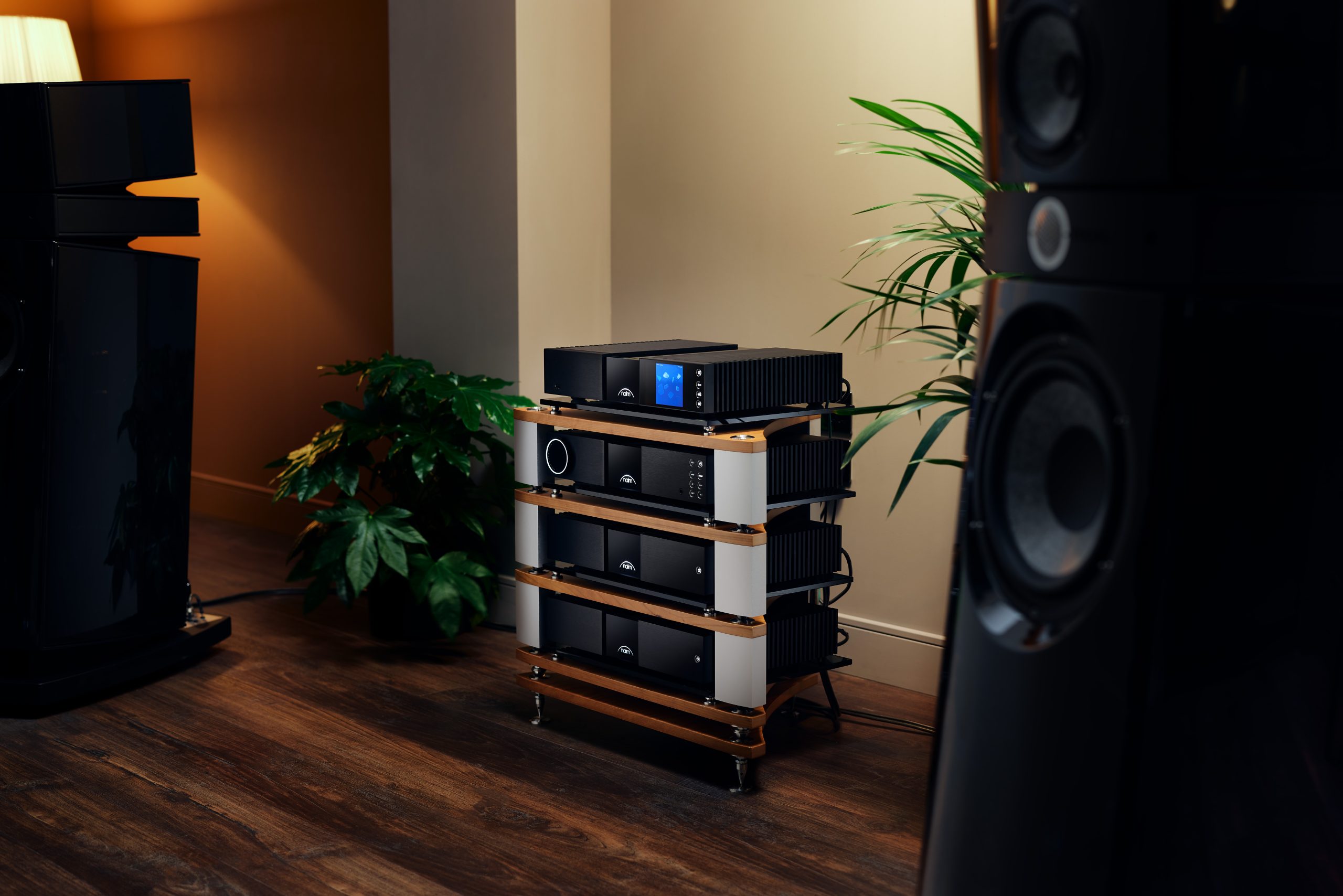
The Classic range is Naim Audio’s signature series of separate hi-fi elements – combine to design a music system just as you like it. The New Classic range - the 200 Series and 300 Series - benefit from Naim's unique electronics expertise, cutting-edge technological innovation and sharp styling.
