

Before 1979, music listeners had to put needle to vinyl to hear the sounds they loved. Despite its fragility and lack of portability, the vinyl era is still revered as a high point of audio. Vinyl could preserve remarkable levels of detail, from the atmosphere of the recording studio to the smallest nuances of a performance – the breath of a vocalist, the sustain of a piano pedal or the slide of a guitarist’s fingers across the frets.
Decades of technology designed around convenience have shaped the modern listening experience and now we can all enjoy and share music instantly, wherever we like. The infrastructure of listening has not been in favour of quality. Music is largely consumed via compressed files and low-bitrate audio formats and often played through tiny smartphone speakers or Bluetooth earbuds, which means a compromise in detail and a greater distance from the authentic version of the song.
The pipeline of loss: where and how does it happen
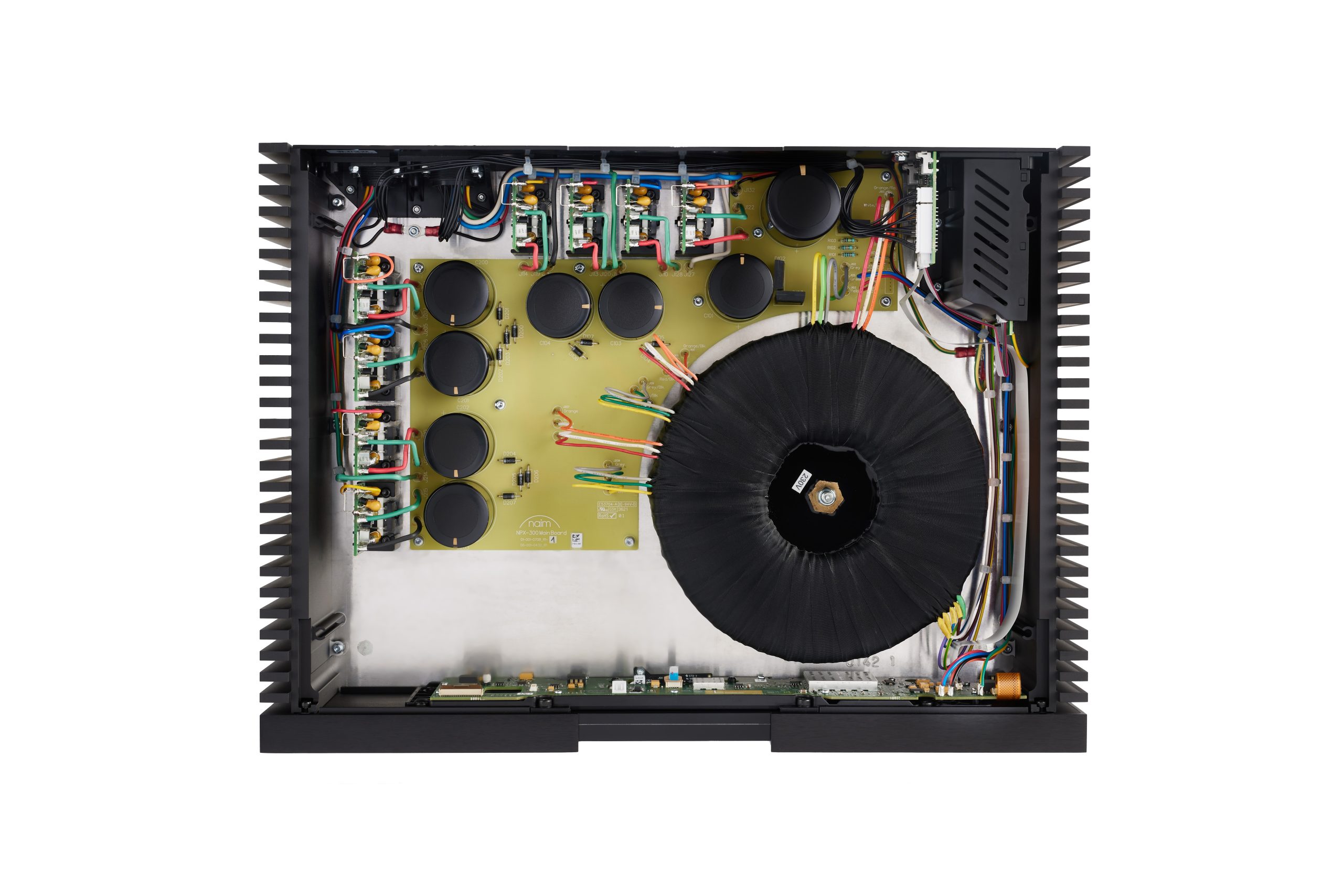
At the studio stage, music is recorded in its purest form, capturing not just the performance but spatial information, dynamic range and harmonic detail. From there, the recording begins a journey through compression, streaming and playback systems, where subtle layers of detail can gradually be lost.
Lossy compression
When internet speeds couldn’t handle large audio files, recordings were compressed into formats such as MP3, AAC and Ogg Vorbis, meaning parts of the original audio data had to be removed. This wasn’t done randomly. Instead, compression algorithms discarded sounds considered less noticeable to human hearing, particularly those masked by louder sounds.
This often included subtle layers of detail, such as upper harmonics, room ambience and quieter textures within a recording. The changes could be difficult to detect, especially for listeners who had never heard the original uncompressed version.
Mastering techniques
As many people now listen to music through headphones, laptops and smartphones – often in noisy environments – recordings are mastered to suit the conditions. The emphasis is placed on louder, more immediate sound that cuts through background noise, sometimes at the expense of the delicate contrasts within a recording’s dynamic range.
Streaming
To make streaming fast, smooth and reliable across varying internet speeds and mobile networks, music has often been delivered in compressed, lower-bitrate formats. This requires parts of the original audio data to be removed in order to reduce file size. Streaming services, such as Tidal and Spotify, now offer lossless streaming options, but many listeners still access compressed audio through default settings, data-saving modes or playback devices that limit sound quality.
Playback hardware
Audio files are only as good as the hardware used to play them. Bluetooth has limited bandwidth, meaning even lossless audio is often compressed during wireless transmission before reaching headphones or speakers. Small speakers, such as those found in smartphones and laptops, also have physical limitations. Their drivers struggle to reproduce deep bass, spatial depth and dynamic impact, reducing the scale and immersion of recordings.
So what gets lost?

This process of loss doesn’t remove obvious chunks of music. Rather, it’s the more subtle layers of detail within a recording.
Fine detail: instrument resonance, such as the vibration of a piano note after the key is released, or breathy vocal texture.
High-frequency detail: the tonal brightness of the clash of a cymbal or the delicate delay as a note fades.
Spatial separation: the sense of instruments occupying their own space rather than merging into a crowded blur, helping recordings sound wider, deeper and more three-dimensional.
Dynamic subtlety: the swell of an orchestra, the contrast between a whisper and a crescendo.
Roger O'Donnell reflects on these differences in an interview with Naim Audio brand ambassador Jason Gould in the YouTube video The Expression of Everything.
“When I’m around younger people and they’re listening on their phones, I’m like, you know, it sounds way better than that,” says O'Donnell. “I remember when I got my first really good quality CD player and nice speakers, and I sat on the floor listening to it, there were things I’d never heard before.”
Bringing music back to life
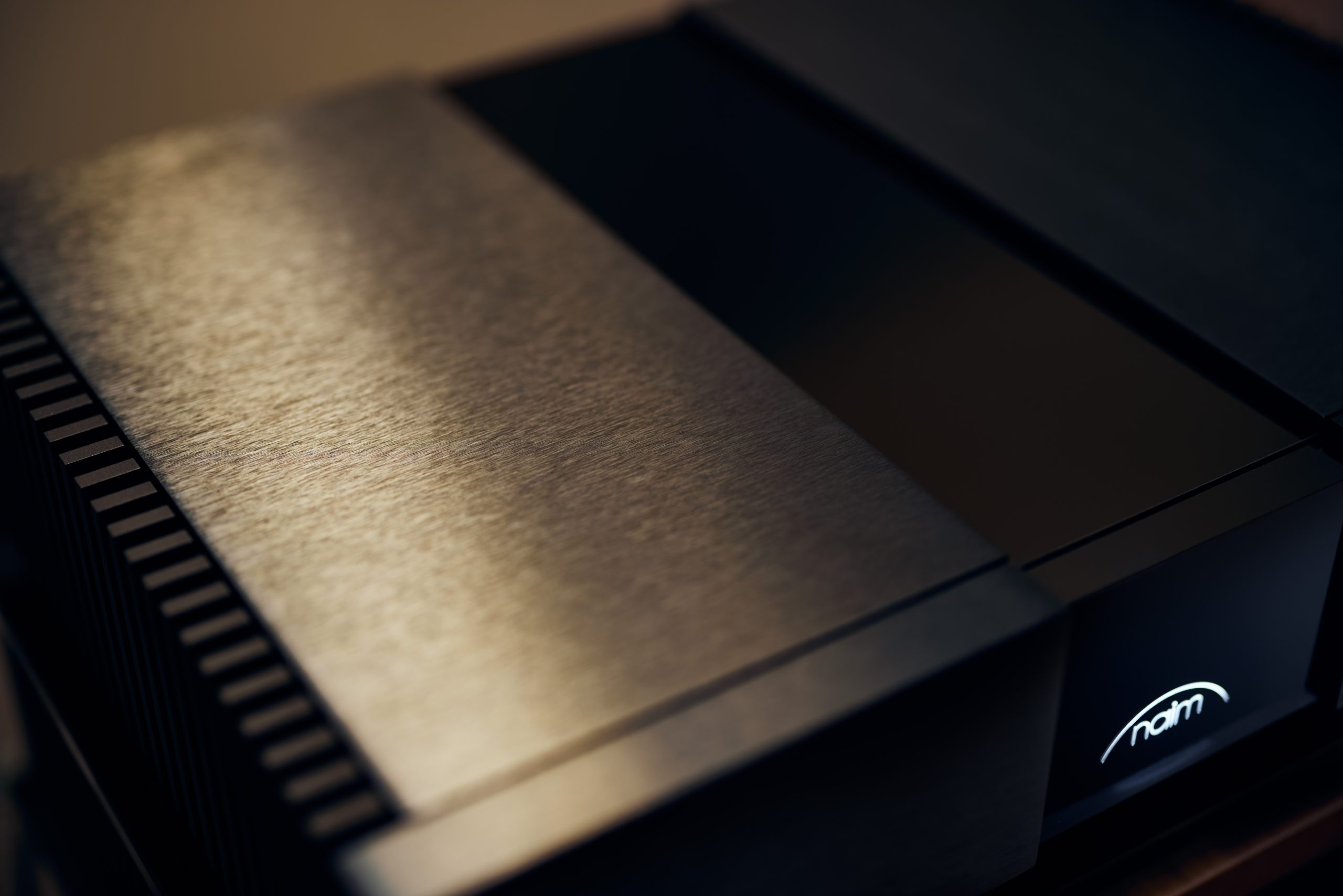
The good news is that lossless streaming and high-performance audio systems mean listeners no longer have to settle for flattened, compressed sound. Modern hi-fi systems can deliver clearer, more immersive audio while preserving more of the detail captured in the original recording, alongside the wireless connectivity and ease expected from modern technology.
Since 1973, Naim Audio has been guided by the principle of ‘listening as the artist intended’. The high-end British audio company believes a great hi-fi system doesn’t enhance music, but rather removes obstacles between the listener and the original performance.
Working alongside its partner, acoustic specialist Focal, Naim pursues this goal through high-end materials and advanced engineering designed to reproduce recordings as faithfully as possible.
Wireless connectivity is paired with high-performance internal DACs for precise digital conversion, alongside carefully tuned DSP filters that preserve the depth, texture and detail of recordings. The result is a listening experience that combines the ease of wireless streaming with the richness and clarity associated with high-fidelity audio.
The history of hi-fi has been shaped by continual innovation, but for music lovers, the pursuit has always remained the same: hearing recordings in their most authentic form. With advances in streaming technology and the engineering precision behind Naim Audio and Focal products, listeners are now closer than ever to hearing music as the artist intended.
To discover more about Naim Audio and its acoustic partner Focal, visit www.naimaudio.com
