
Sitting high in the Chilean Andes, the Vera C Rubin Observatory is home to the largest digital camera ever built – a machine designed to capture the Universe in unprecedented detail. Construction began in 2015, and the observatory released its first-ever images in June 2025, marking the start of its ten-year mission.
Its 8.4m (28ft) telescope houses a camera roughly the size of a small car and weighing around three tonnes. It captures 3,200-megapixel images so detailed that a single one would require around 400 Ultra HD TVs to display at full resolution.
So, what will it actually photograph? Every three nights, the observatory will sweep across the entire southern sky, photographing every visible galaxy, star and asteroid. By repeating this survey for a decade, astronomers will create the most detailed time-lapse of the changing Universe ever assembled.
Collecting around 10 terabytes of data every night, the observatory will help scientists map the invisible influence of dark matter, discover previously unseen asteroids, and catch distant stars in the instant they explode as supernovae.
Here's a look back at what it's captured over its first year in operation.
Trifid and Lagoon Nebulae
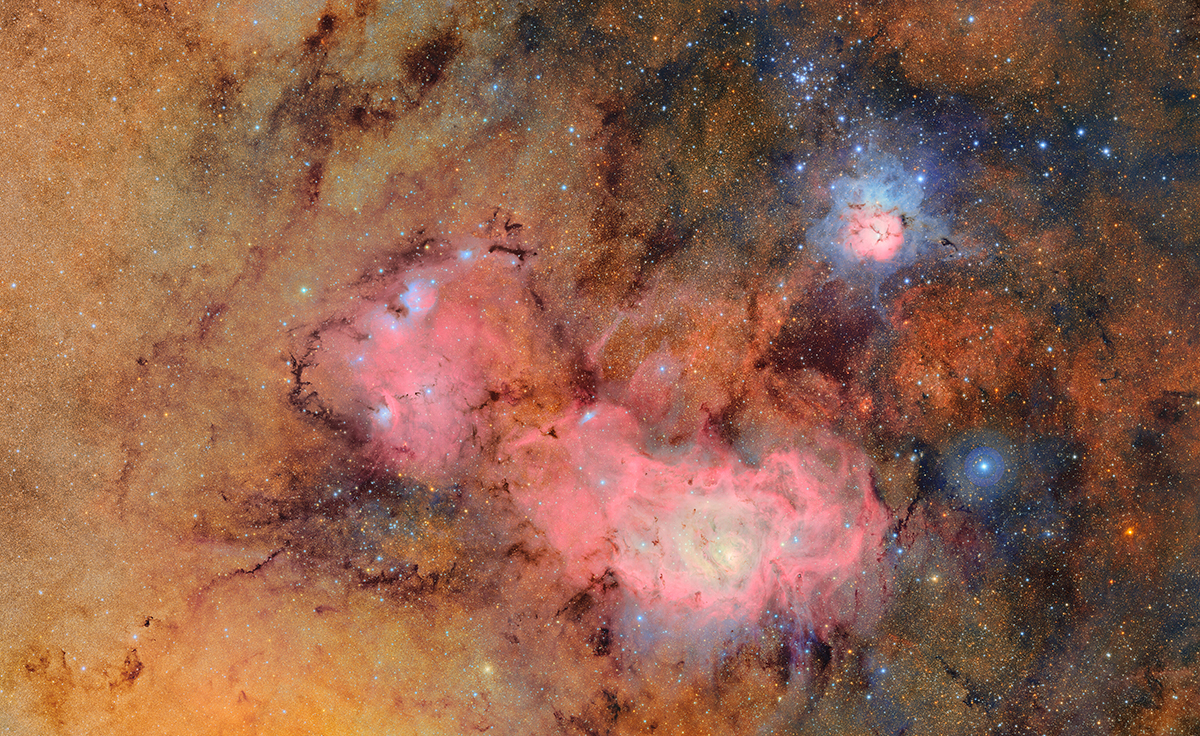
One of the first images taken by the Vera C Rubin Observatory was this photograph of the Trifid and Lagoon Nebulae. It was crafted from 678 exposures, taken over just 7.2 hours, creating about two trillion pixels of data.
The final image is nearly 5 gigapixels and reveals swirling clouds of gas and dust where stars are being born around 4,000 to 5,000 light-years away in the constellation Sagittarius.
The pink and blue clouds of the Trifid Nebula sit above the Lagoon Nebula, showcasing Rubin’s ability to capture enormous swathes of the Milky Way with extraordinary depth and clarity.
Take a tour through the spectacular star fields here.
A star city
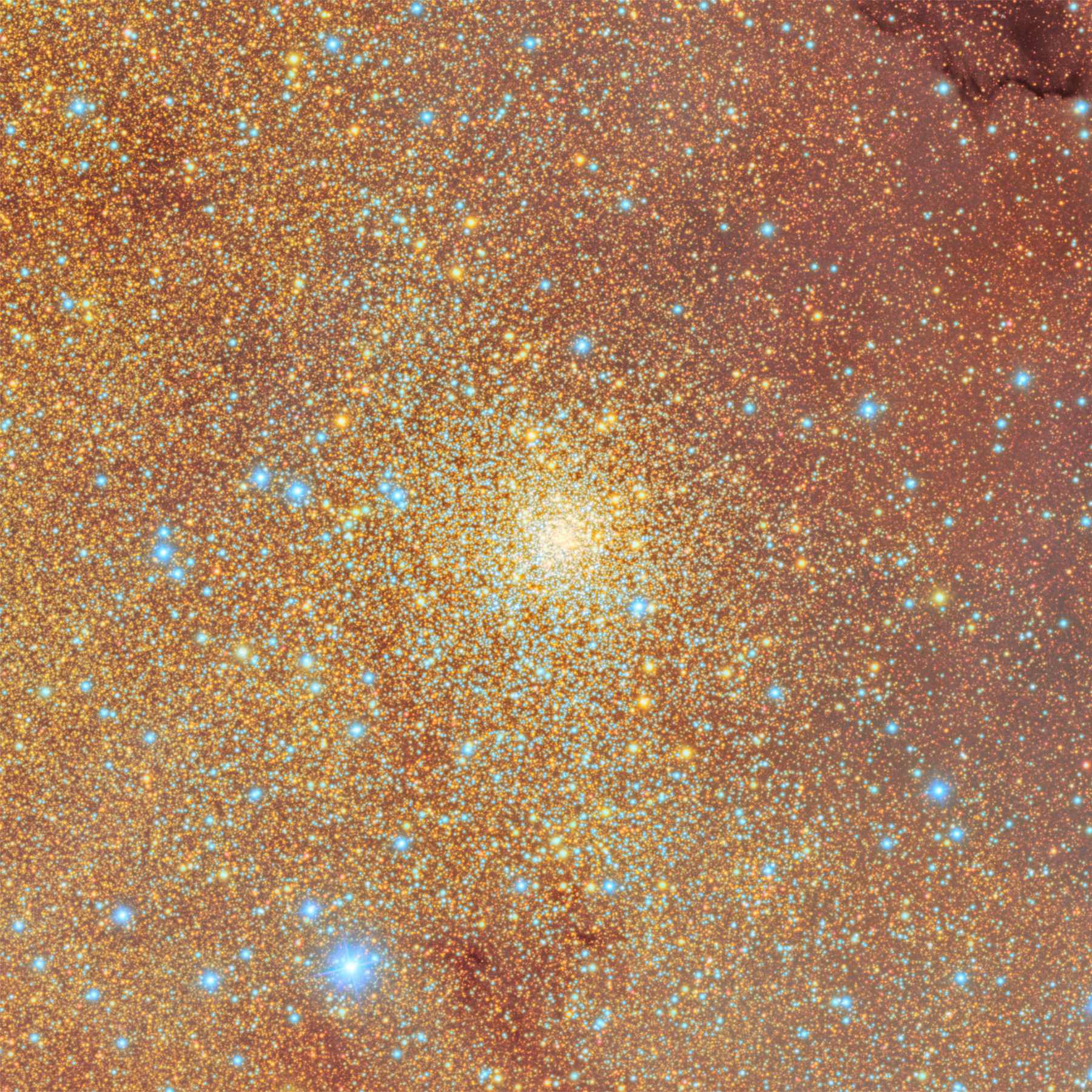
This close-up shot zooms in to reveal the tens of thousands of stars within the globular cluster NGC 6544.
It is one of around 150 such clusters orbiting the Milky Way. The star-filled clusters can be found around most galaxies, and many of the stars within them are almost as old as the Universe itself.
Cosmic treasure chest
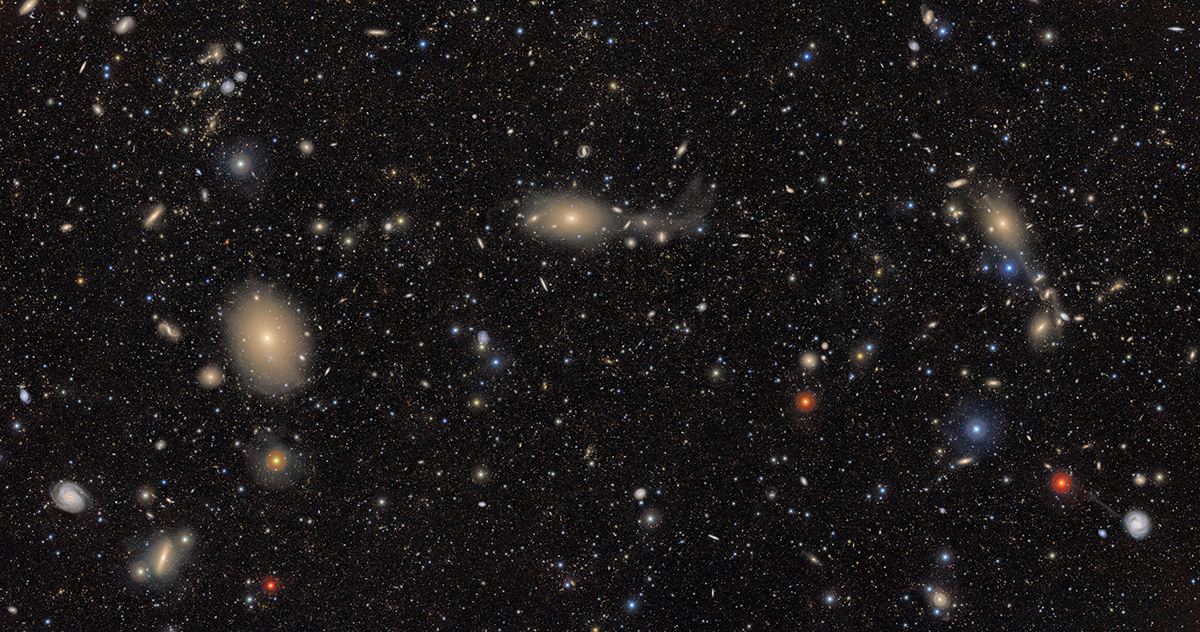
This high-resolution image of the southern region of the Virgo Cluster, located about 55 million light-years away, was another of the first images released to showcase Rubin’s incredible potential.
Almost every dot in this image – other than a handful of bright red and blue stars located in our own Milky Way – is a galaxy. It’s estimated there are around 10 million in this one image, but this is only 0.05 per cent of the 20 billion Rubin will catalogue over the next 10 years.
Rubin will return to this same region many times over the next decade, catching brief but important events, such as supernovae and flares from stars being consumed by black holes.
Close-up of the Virgo Cluster
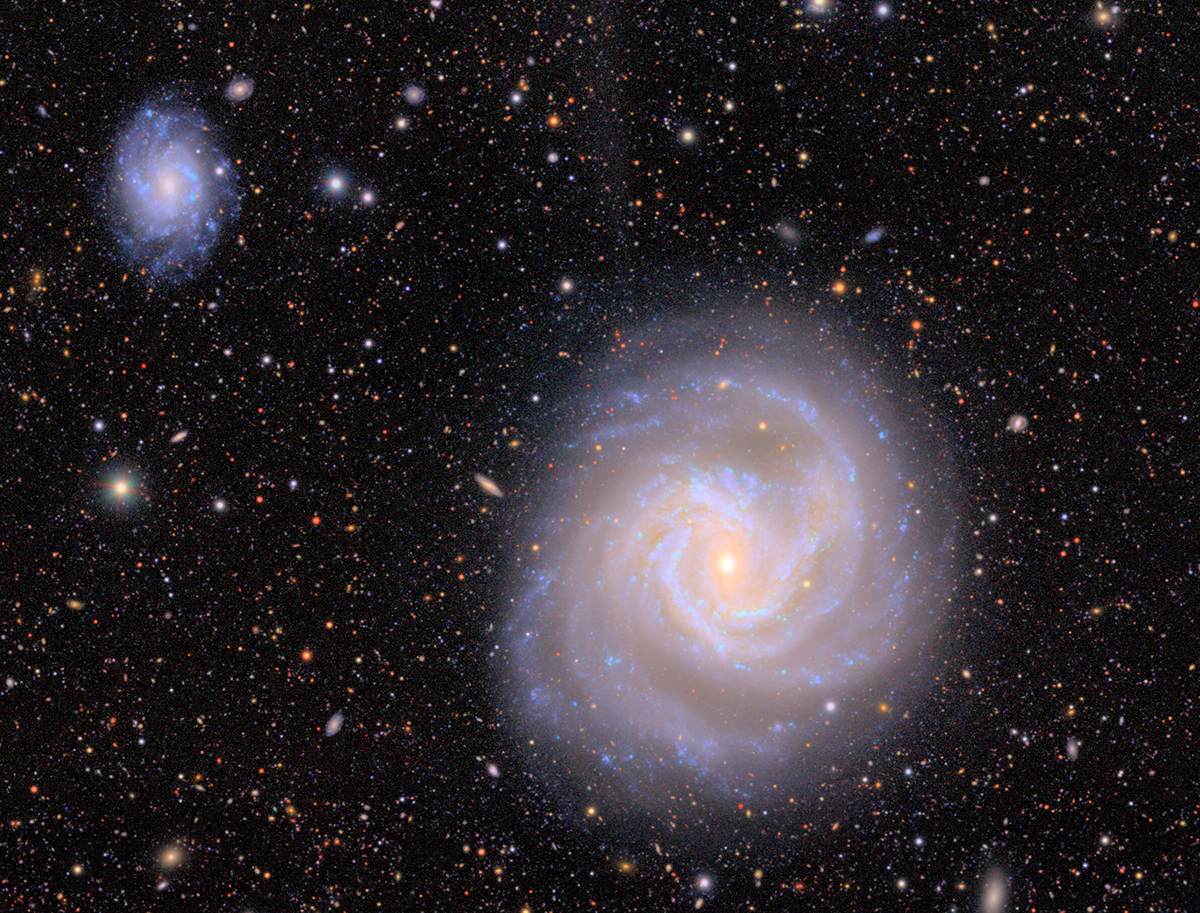
Zooming in on an individual galaxy (seen in the bottom right of the previous image) reveals just how detailed Rubin’s images are.
The dust lanes on the spiral arms are clearly visible, while many of the ‘dots’ surrounding it can now clearly be made out as distant galaxies as well.
Bochum 14
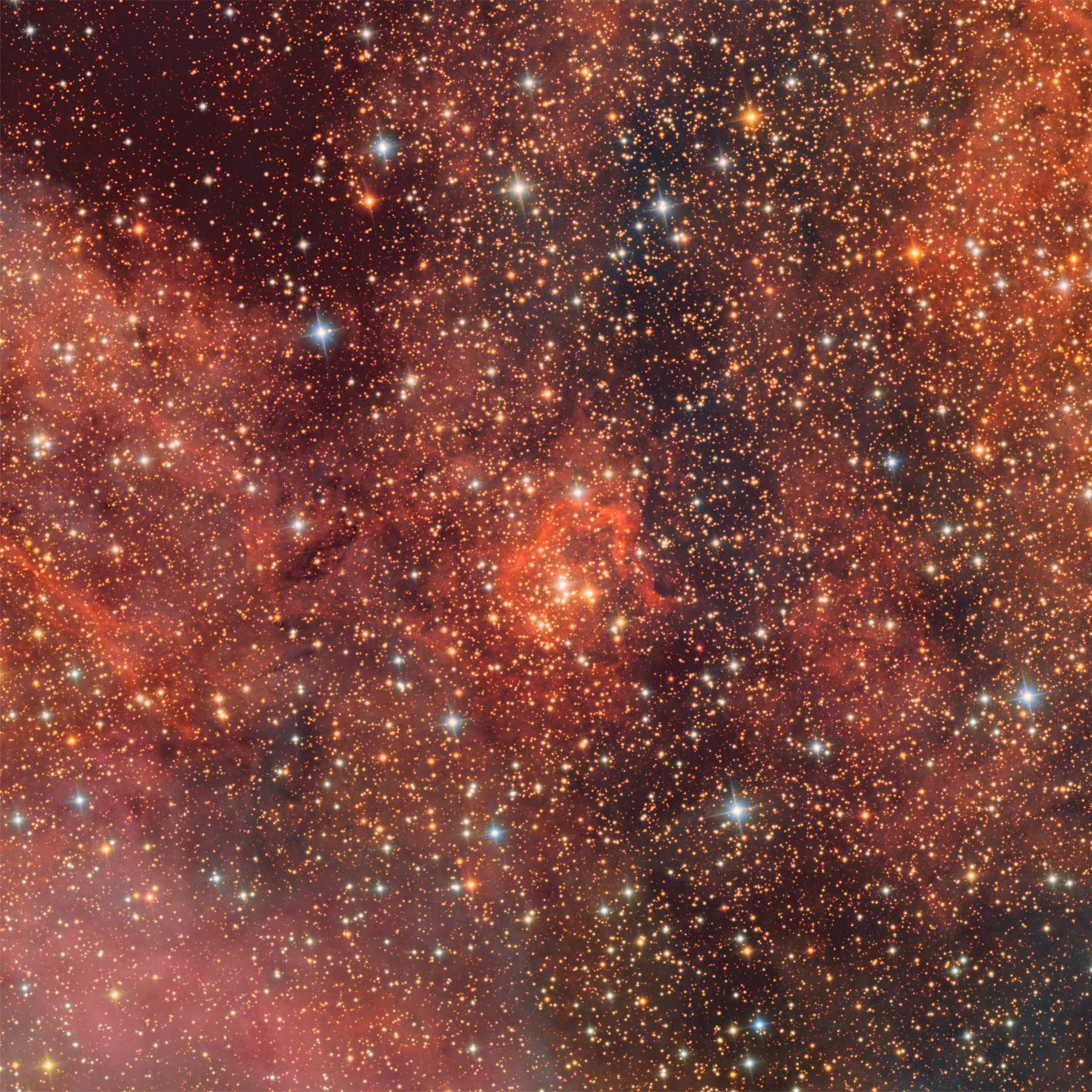
Bochum 14 is an open cluster, meaning it is a group of stars bound loosely together by gravity.
The cluster is completely invisible to the naked eye, but Rubin is able to reveal its many stars against a colourful background of clouds.
An ocean of stars
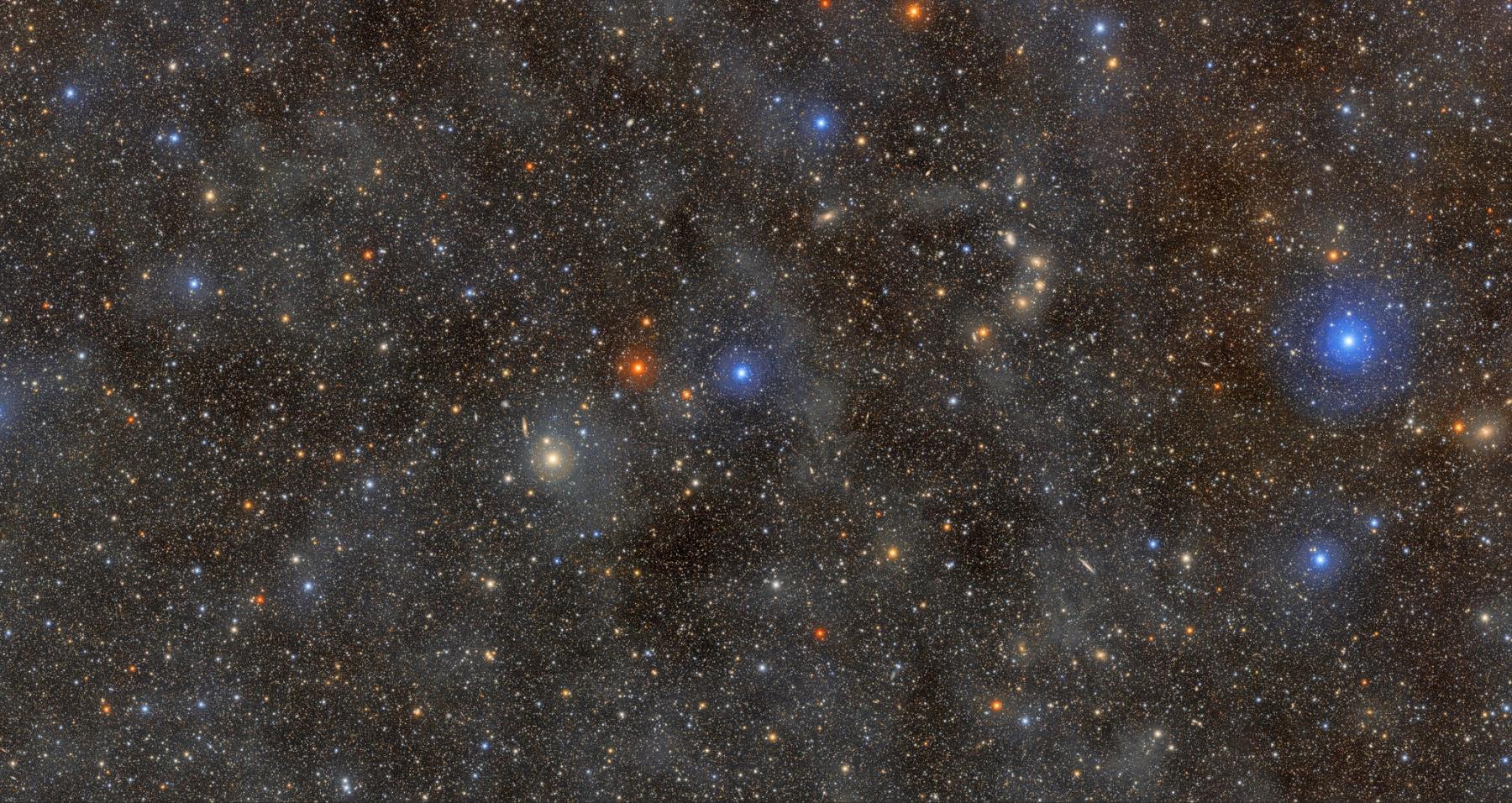
This 1.7-gigapixel image shows a field of stars in the constellation of Lupus, and contains millions of stars as well as distant galaxies beyond.
The view is covered with a wispy sheen of galactic cirrus – the clouds of interstellar gas and dust found throughout the Milky Way.
Close-up on the ocean of stars
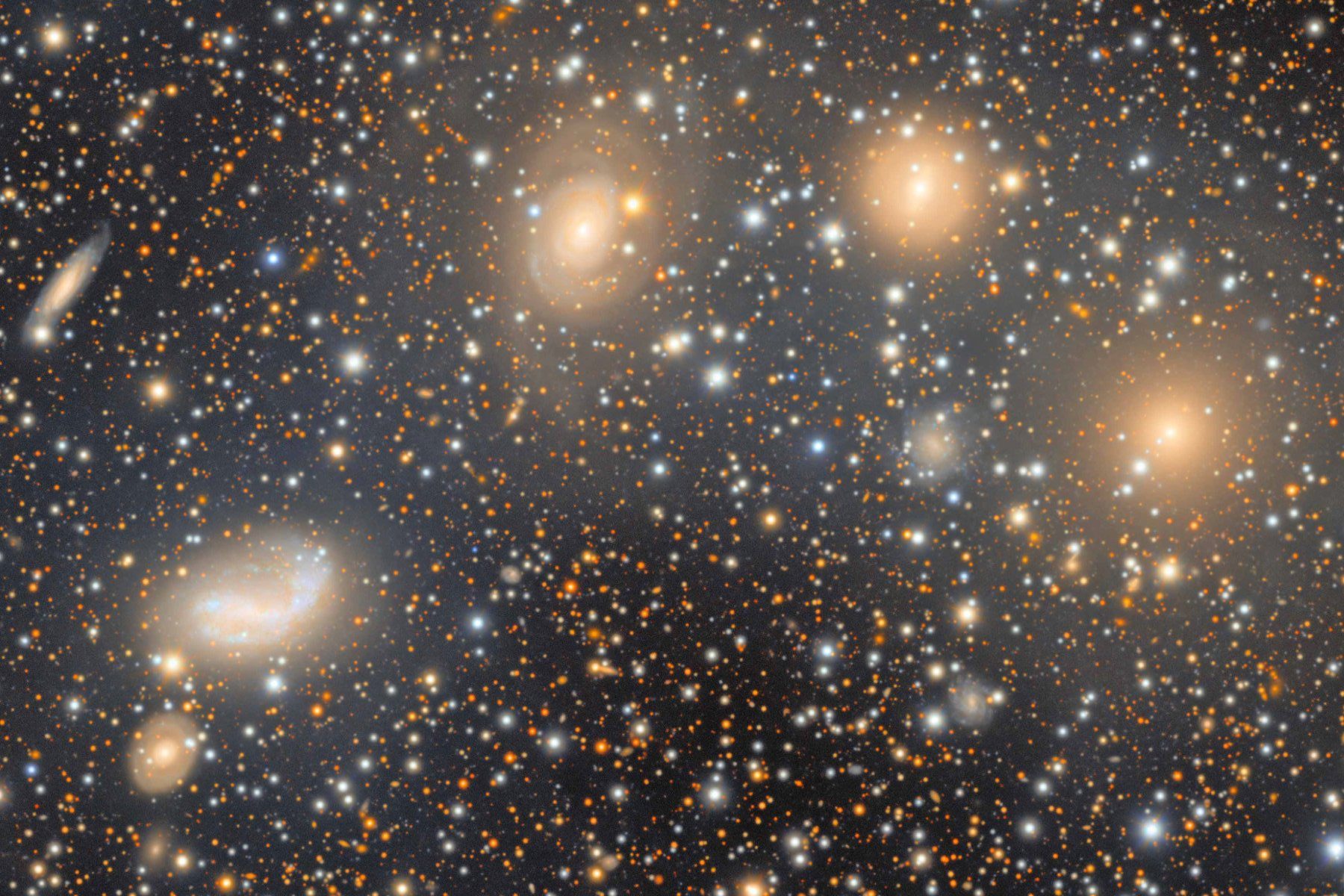
Rubin uses six different filters, each capturing a different wavelength (or colour) of light. Astronomers can use this colour information to learn things about their size, temperature and age.
For instance, blue stars are generally more massive, hotter and younger, while red stars are generally cooler, smaller and older.
Messier 21
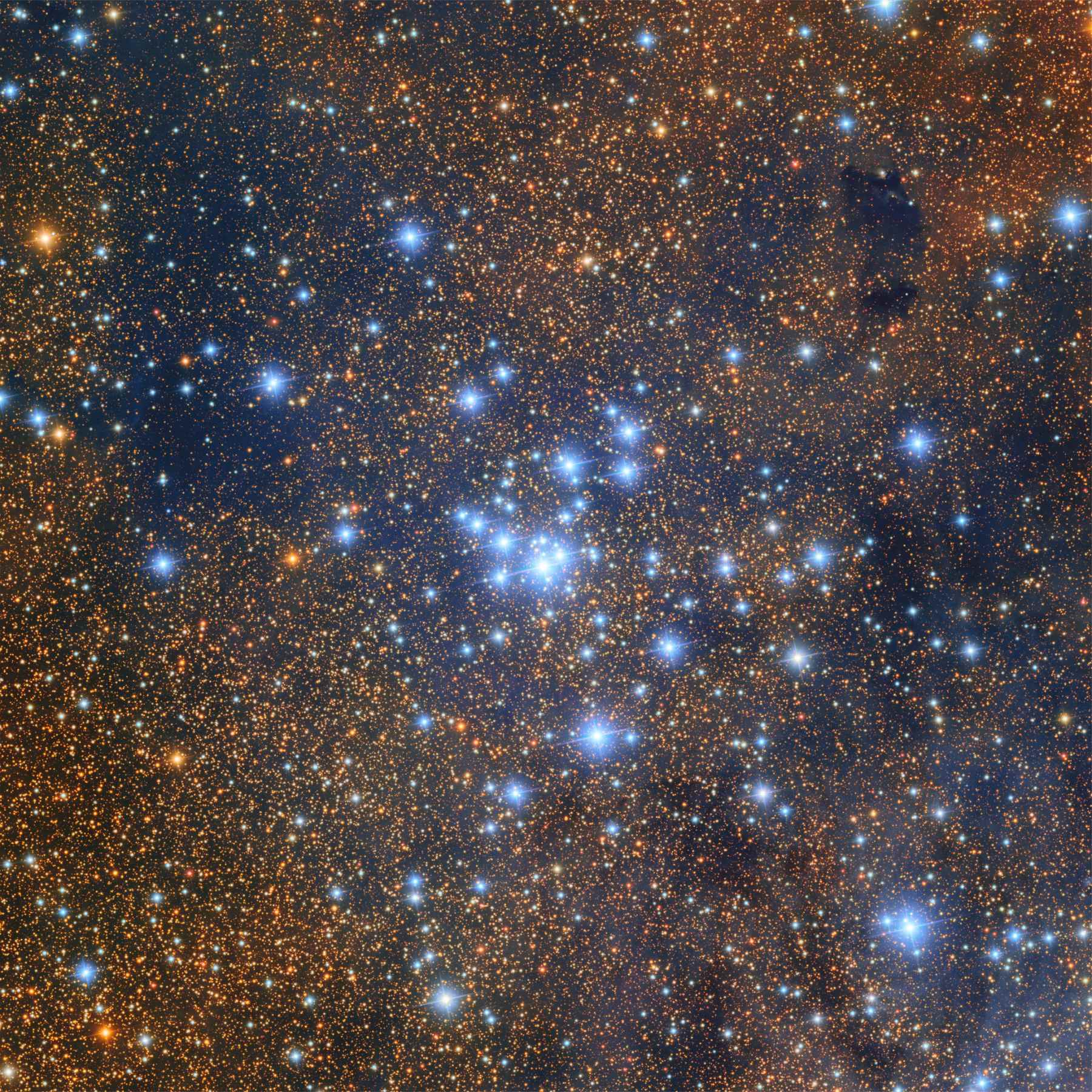
Rubin captures another open cluster, named Messier 21. All the stars within it are around 6.6 million years old, suggesting that they all formed at the same time, perhaps in the same stellar nursery.
The cluster is mainly made up of dim stars, but to Rubin’s sharp eye, they seem to shine brightly.
A colourful spiral
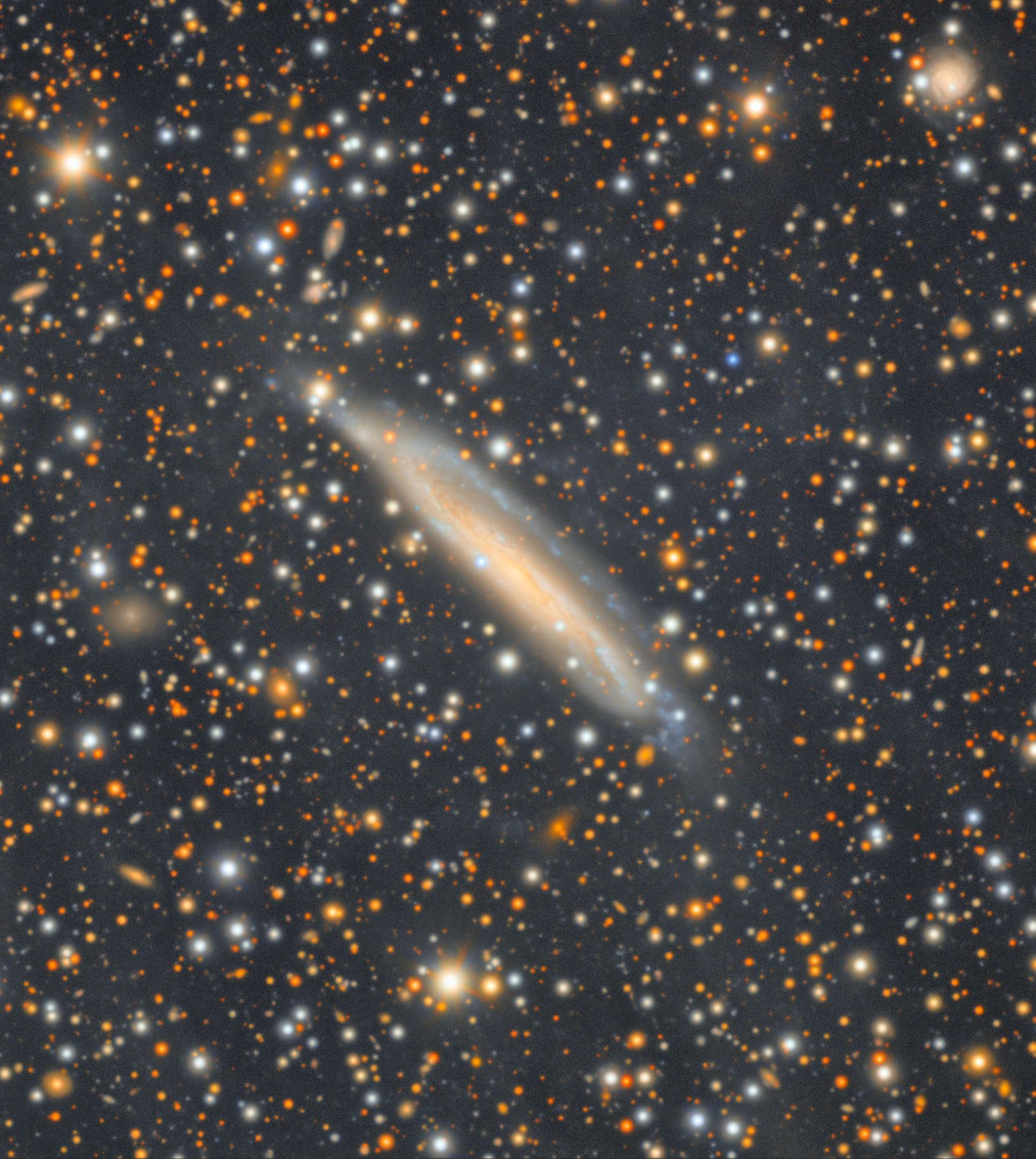
A close-up of a spiral galaxy captured by Rubin. Dark tendrils of dust wrap around the central region, while the outer rim is ringed with blue stars.
Barred spirals
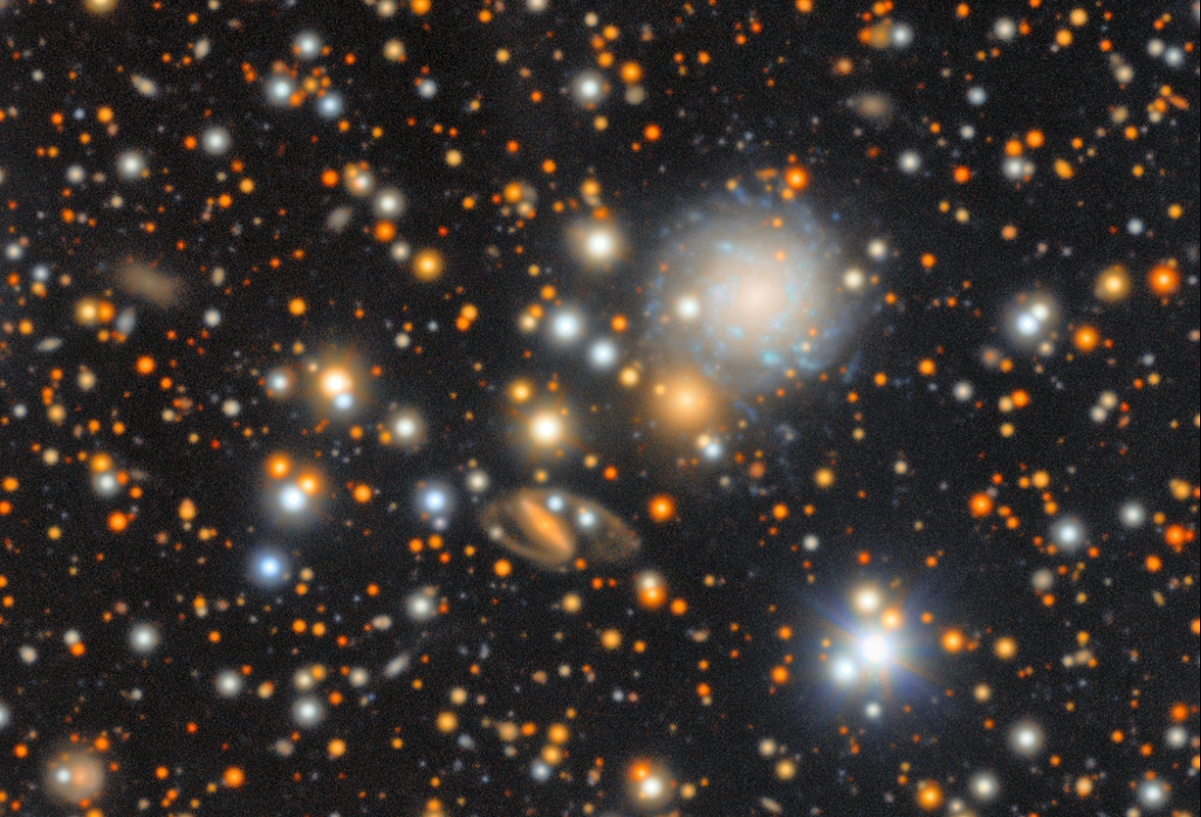
Here, Rubin is able to capture enough detail to clearly make out the barred structure of a spiral galaxy.
These are galaxies which have a long, central bar-shaped structure of stars, with spiral arms extending from the ends.
Around two-thirds of spiral galaxies are barred, including the Milky Way, though most aren’t quite as pronounced as this one.
Cosmic broccoli
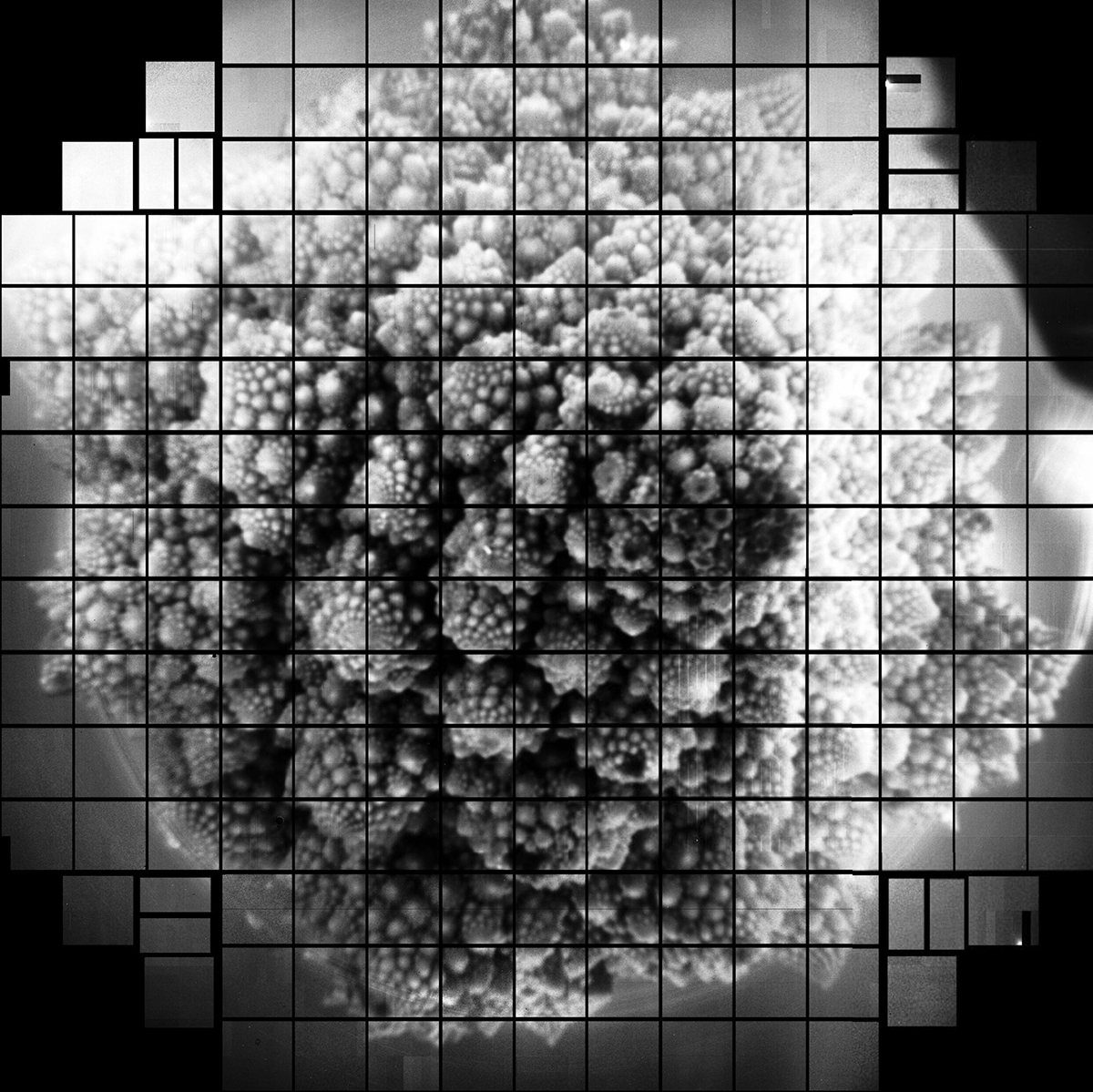
The first-ever images taken by Rubin weren’t of giant galaxies or stars, but of something much more humble – a head of Romanesco, a broccoli-like vegetable.
The team projected the image of the vegetable onto the sensor using a pinhole camera to test whether the optical elements were all working together.
The resulting image, taken in September 2020, was the first 3,200-megapixel digital photograph, making it the largest single image ever taken.
Fitting the camera’s sensor
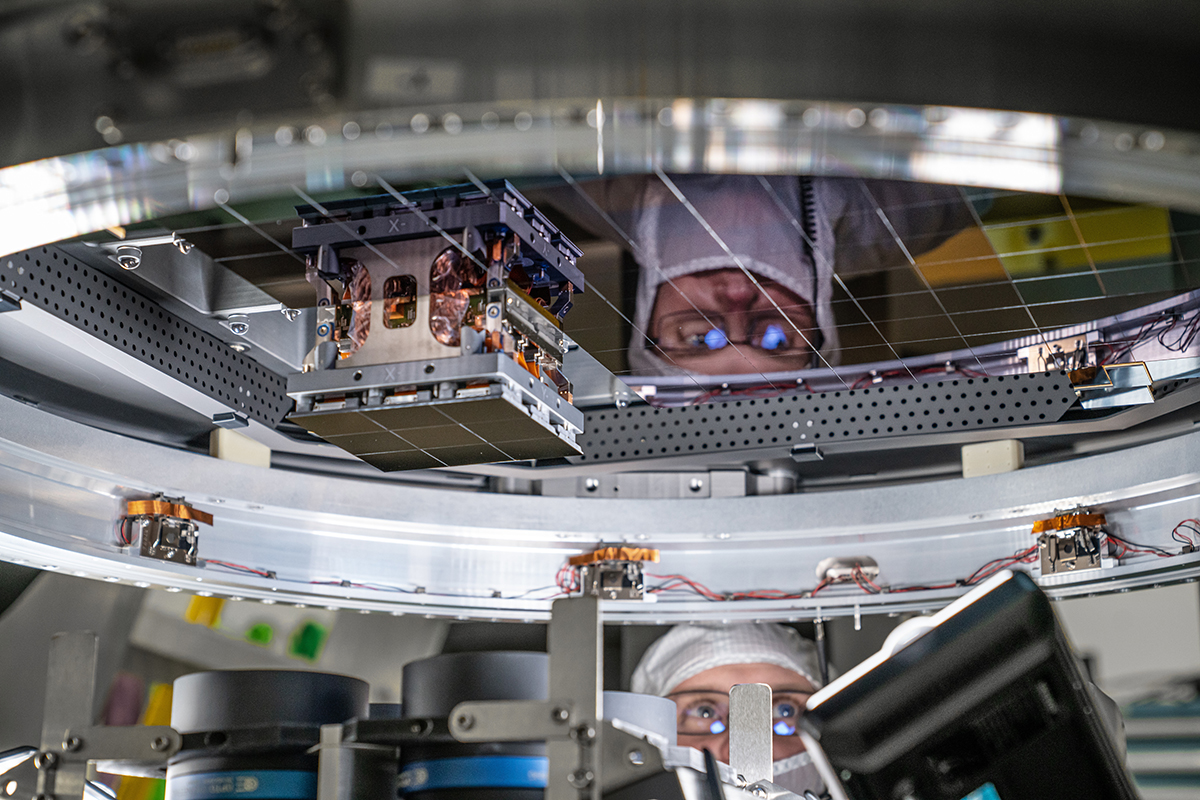
A camera as big as Rubin’s needs an equally big sensor, and Rubin’s is made up of 21 Raft Tower Modules (RTM) – 144 megapixel sensors made of nine separate CCD chips.
Here, mechanical engineer Travis Lange carefully monitors the installation of the 14th RTM. It proved to be one of the most difficult of the bunch, requiring multiple stops and conferences to sort out its installation.
Rubin’s first look at the night sky
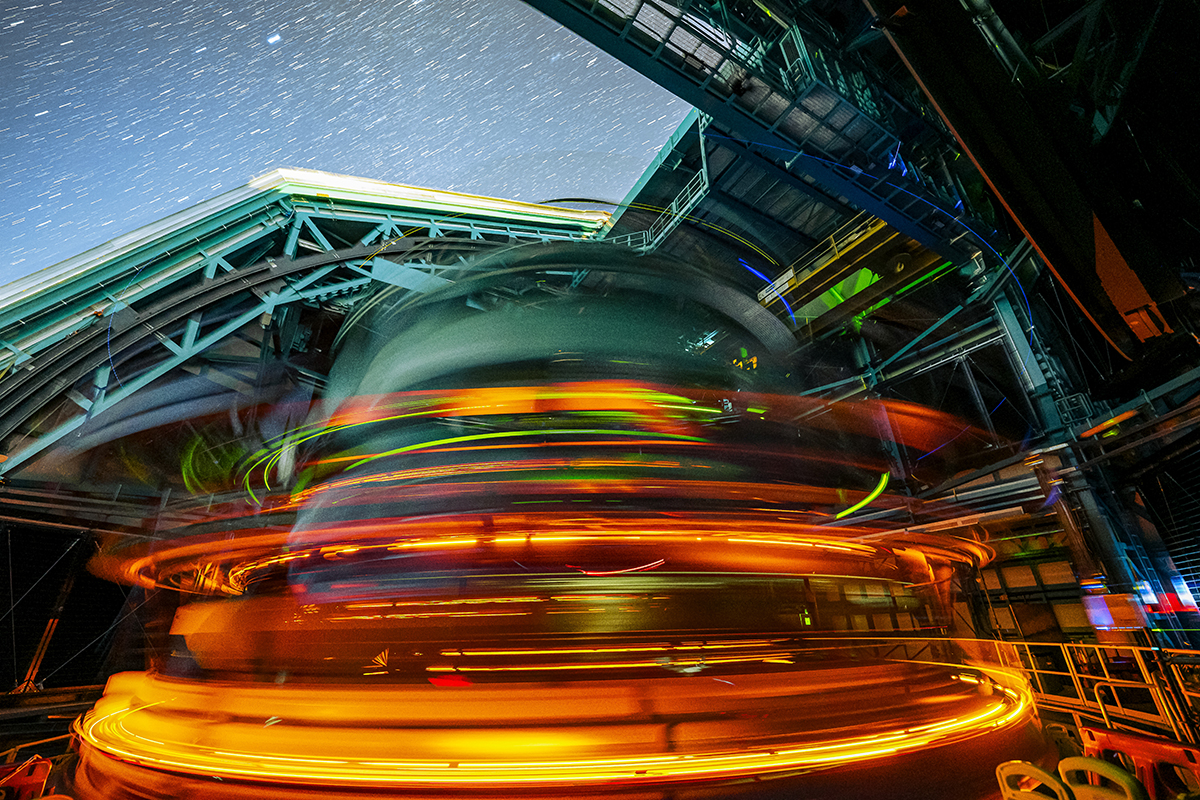
Rubin begins its mission to map the sky every night, shortly after darkness falls on Cerro Pachón, Chile. This time-lapse shows it slewing back and forth across the night sky.
Dealing with the data deluge
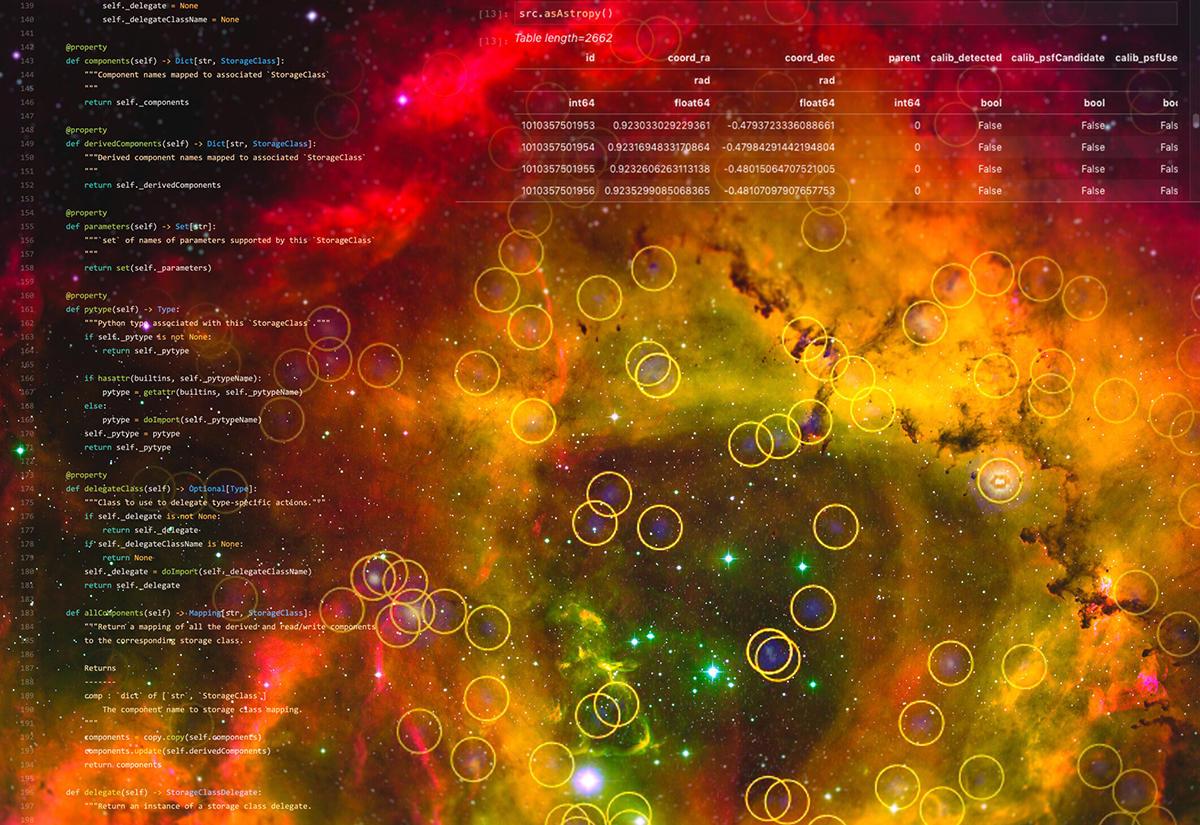
Rubin captures a new 8-gigabyte image every 40 seconds. That’s a lot of data to deal with, and so the Rubin team have developed a streamlined system to handle it all.
Take this image of the Rosette Nebula. Within seconds of being taken, the data would have been transferred to a local facility and automatically compared to a reference image.
This would highlight any differences, such as those in yellow circles, and generate an alert. There are around 10 million alerts every night, many of which are imaging artefacts, asteroids or satellites.
Some, however, are much larger cosmic events, such as supernovae. When Rubin spots one of these, the team sends out an alert to the astronomical community. That way, observers around the world can rush to their own telescopes and catch it before it fades away.
3D Animation of asteroids discovered by Vera C Rubin Observatory
One thing Rubin has to contend with is asteroids. They often zip across the field of view, leaving bright streaks in images that have to be removed.
It does mean, however, that the telescope is ideal for discovering these space rocks. By April 2026, the telescope had discovered around 11,000 new asteroids, including 33 near-Earth asteroids.
This animation shows previously known asteroids in dark blue and those discovered by Rubin in light teal.
Vera C Rubin Observatory under the Milky Way
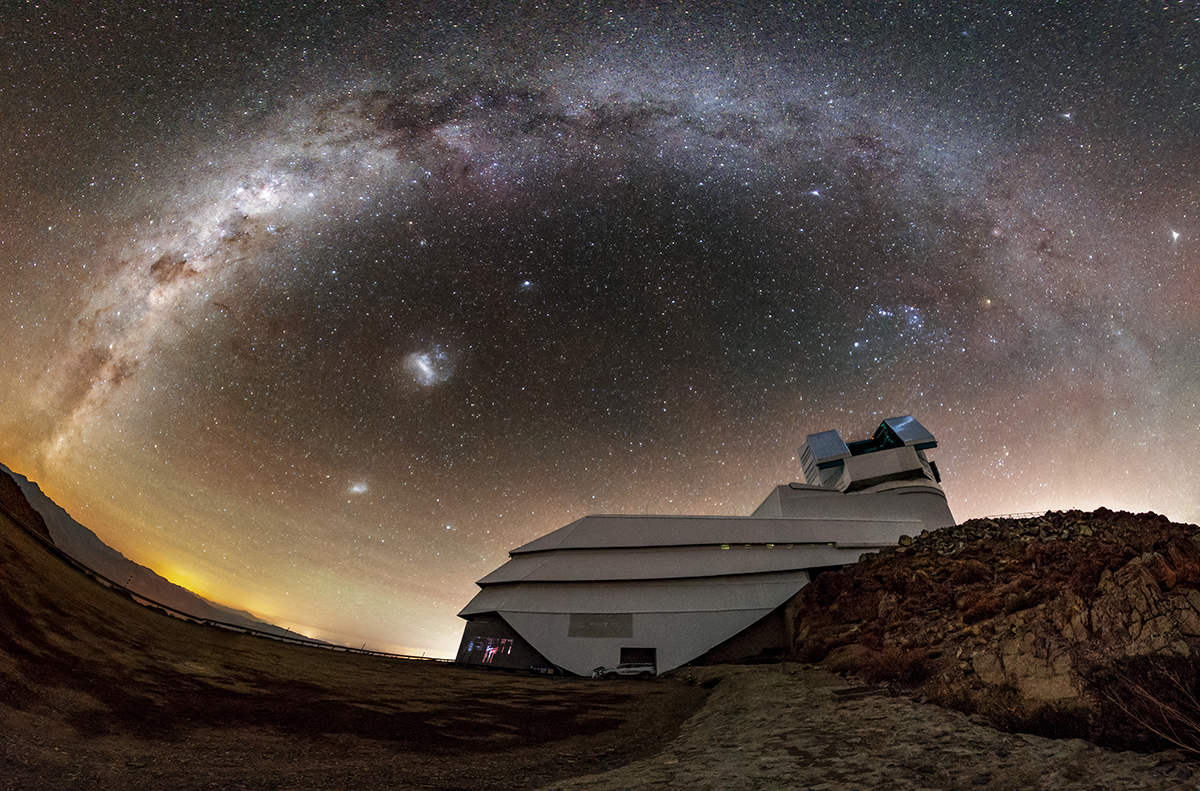
The Vera C Rubin Observatory sits on the remote Cerro Pachón in Chile, far away from urban light pollution. Located 2,647m (8,684ft) above sea level, the air is extremely clear and dry, creating the perfect conditions to image the sky night after night without interruption.
Read more:
