
Right this second, a staggering number of people are living with diabetes. Globally, around 590 million adults have the condition, including some 40 million Americans.
But there’s an even more common blood sugar disorder that gets far less attention: prediabetes. An estimated 635 million people worldwide have the condition, including some 115 million Americans – more than two in five US adults – and most are thought to have no idea they have it.
Prediabetes occurs when blood sugar levels are higher than normal, but not yet high enough to meet the threshold for diabetes. It usually causes no obvious symptoms and can affect people who are a healthy weight, meaning there may be little reason to suspect anything is wrong.
But no symptoms doesn’t mean no harm. Prediabetes is an independent risk factor for heart attack and stroke, and not just because it can develop into diabetes down the line.
One large US study found that people with prediabetes had 25 per cent higher odds of a heart attack even after accounting for other risk factors like blood pressure, cholesterol and weight. High blood sugar, it turns out, starts damaging blood vessels well before it crosses the line into diabetes.
So far, so scary. But the good news is that prediabetes doesn’t have to progress. In many cases, it can be reversed with relatively simple lifestyle changes – and, for some people, without even losing weight.
The path to diabetes
To understand what makes prediabetes different from diabetes, it helps to know how blood sugar is supposed to work in the first place.
When we eat, our body breaks down carbohydrates into a sugar called glucose – one of our main sources of energy. Getting that glucose out of the bloodstream and into our cells is the job of insulin, a hormone made by the pancreas. Insulin acts a bit like a key, unlocking cells so glucose can enter and be used for energy.
Diabetes develops when this system stops working properly and blood glucose levels become too high. Left unmanaged, high blood sugar can cause serious health complications, including cardiovascular disease, stroke and problems affecting the eyes, feet, kidneys and nerves.
There are several types of diabetes, but the two you’ve probably heard of are type 1 and type 2. Type 1 is an autoimmune condition in which the body attacks the cells that produce insulin, and isn’t caused by lifestyle factors.
Type 2, which accounts for more than 90 per cent of cases, develops when the body doesn’t produce enough insulin or stops responding to it properly – a problem known as insulin resistance.
But these changes don’t happen overnight. Before someone develops type 2 diabetes, their body may begin struggling to keep blood sugar under control, causing glucose levels to creep above the healthy range without becoming high enough for a diabetes diagnosis. This is prediabetes.

Because prediabetes usually causes no obvious symptoms, it is typically detected with a blood test. One of the most common is the A1C (or HbA1c) test, which gives an indication of average blood glucose levels over the previous two to three months. There is no internationally agreed threshold for prediabetes, but in the US, an A1C result of 5.7–6.4 per cent falls within the prediabetes range.
Crucially, though, prediabetes is a warning sign rather than a diagnosis of type 2 diabetes. And crossing into that range doesn’t mean developing the disease is inevitable.
What really causes prediabetes?
So why do some people develop prediabetes while others don’t? There’s no single cause. Instead, your risk is shaped by a mixture of factors – some you can influence, and others you can’t.
Among those you can’t control are your genes. Having a family history of type 2 diabetes raises your own risk of prediabetes. Age matters too, as does ethnic background: people from Black African, South Asian or African Caribbean backgrounds, for example, are at higher risk than those from a White background.
Then there are the factors you can influence. “Body weight is a crucial factor,” says Roy Taylor, Emeritus Professor of Medicine and Metabolism at Newcastle University, UK.
Taylor’s pioneering work with people with type 2 diabetes has shown that substantial, sustained weight loss can put the condition into remission, returning blood glucose to healthy levels.
He’s found weight doesn’t affect everyone in the same way. Some people develop prediabetes despite having a healthy body mass index (BMI), while others can live with obesity without developing it. According to Taylor’s research, one reason may be not simply how much fat we carry, but where our bodies are able to store it.
Taylor’s work suggests that each of us has a genetically determined “personal fat threshold” – essentially, a limit to how much fat our body can safely store beneath the skin.
Once this subcutaneous storage begins to reach capacity, excess fat starts spilling over into less healthy places, accumulating as ‘visceral’ fat around our internal organs and as ‘ectopic’ fat within the organs themselves.
Two organs appear to be particularly important here: the liver and pancreas. When too much fat accumulates in the liver, it interferes with the organ’s ability to regulate the amount of glucose it releases into the bloodstream.
“Your liver constantly supplies your body with fat for energy, but if there’s too much fat in the liver, it produces more than is needed,” says Taylor.
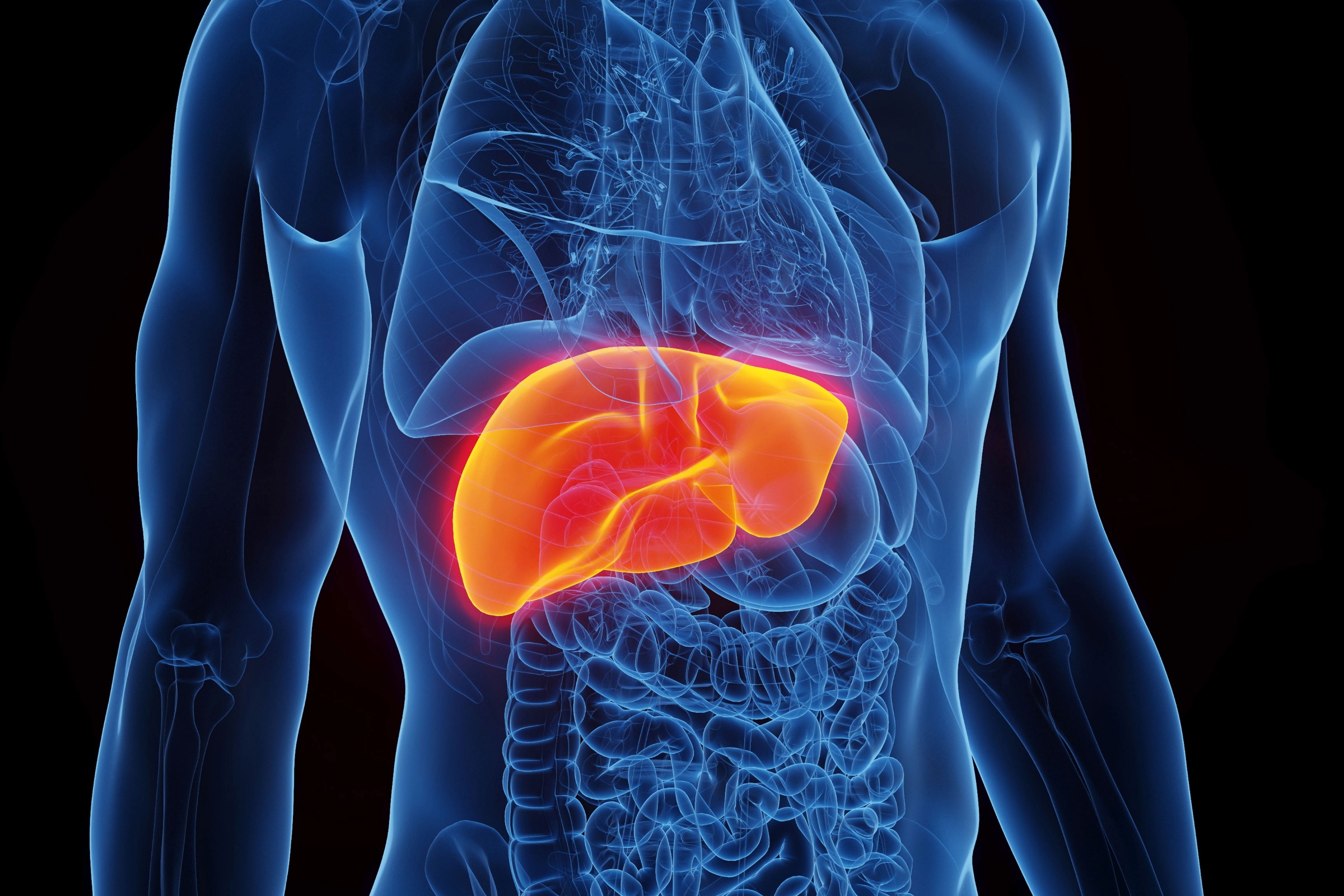
The liver also sends excess fat out into the bloodstream, some of which can accumulate in the pancreas. There, too much fat can disrupt the insulin-producing beta cells, making it harder for the pancreas to release enough insulin to keep blood glucose under control.
Rising blood glucose can then contribute to the production of yet more fat, helping to drive the cycle onwards.
Importantly, this process begins before someone crosses the threshold into type 2 diabetes. “The fat inside the liver is at a maximum before type 2 diabetes develops,” says Taylor.
This helps explain why BMI alone can be a poor guide to someone’s risk. A person with a relatively low personal fat threshold may begin storing fat around and inside their organs at a lower body weight, while someone with a higher threshold may be able to store considerably more beneath their skin before that happens.
People who develop this pattern despite having a healthy BMI are sometimes described as TOFI – ‘thin outside, fat inside’ or ‘metabolically obese, normal weight’.
Unsurprisingly, diet and physical activity both also shape our risk of prediabetes – partly by affecting how much fat we store, and partly through their own direct effects on blood sugar control.
Poor sleep and chronic stress have also been linked to the condition, though Taylor says these likely play a smaller role.
With so many factors at play, and so few visible signs, it’s hard to know just from looking at someone – or even from how you feel – whether prediabetes is present. The only way to know for sure is to get your blood sugar tested. The information below can help you get a sense of where you stand, but if you’re concerned, Taylor recommends asking your doctor for a blood test.
Know your risk
A handful of organisations, including the American Diabetes Association (ADA) and the US Centers for Disease Control and Prevention (CDC), have developed short questionnaires that estimate someone’s chances of developing prediabetes or type 2 diabetes, based on factors like age, weight and family history.
The quickest way to check is the ADA’s 60-second quiz – but broadly speaking, these tools flag a higher risk if:
- You’re 45 or older
- You have a parent, sibling or child with type 2 diabetes
- You’re physically active fewer than three times a week
- You’ve been told you have high blood pressure
- You’re carrying extra weight, particularly around the abdomen
- You’ve had gestational diabetes, or given birth to a baby weighing over 4.1kg (9lbs)
- You’re from a Black African, South Asian, African Caribbean, Hispanic or Native American background
This isn’t a diagnosis, but the more of these that apply, the more worth raising with a doctor, especially since prediabetes so rarely causes any symptoms of its own.
How to reverse prediabetes
A prediabetes diagnosis doesn’t have to lead to type 2 diabetes. Research suggests that programmes focused on diet and exercise can help up to 52 per cent of people with prediabetes bring their blood glucose back below the prediabetes range.
The earlier you take action, the better – but it’s never too late to make changes that can improve your blood sugar and reduce your risk of developing type 2 diabetes. Here are five expert-backed ways to get started.
1. Focus on losing weight
Weight loss is the single most effective way to reverse prediabetes, because it targets the hidden fat that drives the condition in the first place. The good news is you don’t need to lose a huge amount to make a difference.
“Losing five per cent of your body weight is a good target for the average person with prediabetes,” says Taylor.
Dietary changes aimed at reducing overall calorie (energy) intake are key to achieving this, and Taylor’s main focus is on reducing the quantity of food consumed – and making this a regular habit.
He recommends cutting down portion size where possible. “Can you halve the amount of rice or pasta, for example?” he says.

Reducing snacking between meals, and alcohol intake, will also help keep the calories down. But treats aren’t off the table. “If you’re over-treating, then a fairly substantial reduction might be in order, but cutting them out completely is not appropriate,” says Taylor.
“Someone in our type 2 diabetes study wanted to keep having a glass of red wine every Friday evening. He still achieved 20 per cent weight loss.”
Another easy win: watch how many types of carbohydrate you’re piling onto one plate.
“If you find reducing portion size difficult, a simple rule could be to make sure you don’t have more than one type of carbohydrate on your plate,” says Frank Arsenyadis, a clinical-academic dietitian at Leicester Diabetes Centre, UK.
In practice, that might mean skipping the fries with your lasagne, the naan with your rice or the garlic bread with your pizza.
Read more:
- Here's the only science-backed way to lose belly fat
- The 6 most important lessons about belly fat (and how to lose it)
Weight loss isn’t just for people who are overweight or obese, either. Even those with prediabetes who fall within a healthy BMI range often carry excess fat around the waist – a common sign of the visceral fat we covered earlier.
That said, there are limits. Losing enough weight to drop into the underweight category isn’t safe, so if you’re ever unsure, it’s worth speaking to a doctor.
2. Make simple food swaps
Most healthy eating plans for prediabetes share a few common threads – many of which won’t come as a surprise.
It’s recommended to build your meals around non-starchy vegetables like carrots, broccoli, onions and salad greens. Also, choose foods that are less processed and lower in added sugar.
And where you can, go for whole grain versions of carbohydrates – cereals, rice, bread, pasta – rather than their refined equivalents. Whole grains contain more fibre, which slows digestion and helps blunt the glucose spikes that follow a meal.

Protein matters too, but the source matters as much as the amount. Prioritise lean or plant-based options such as skinless chicken, fish, beans and lentils.
“Red or processed meats such as beef, pork, ham, salami and bacon are high in saturated fat, and studies have shown that they increase your risk of type 2 diabetes,” says Arsenyadis. If cutting out your beef chilli entirely feels like a step too far, look for your supermarket’s leaner red meat option instead.
Another swap worth making: sugar-sweetened drinks have also been linked to a higher risk of type 2 diabetes, so if you’re reaching for a soft drink, go sugar-free.
The beauty of a food swap is that it works twice over. “Every time you make a decision to eat one thing, you’re actively making a decision not to eat another thing,” says Arsenyadis. “You’re avoiding a negative effect and inducing a positive one.”
3. Reduce your visceral fat
Weight loss is the standard advice for reversing prediabetes, but it isn’t the only path.
A 2025 study led by researchers at the German Center for Diabetes Research found that around one in five people who didn’t lose weight during a lifestyle intervention programme still managed to reverse their prediabetes.
How? They changed where fat was stored in their bodies. These participants had effectively shifted fat away from visceral stores (the harmful kind packed around your organs) and into subcutaneous stores (the kind just beneath the skin).
The researchers stress this isn’t a reason to abandon weight loss as a goal, but it does show that losing weight isn’t the only route to healthy blood glucose.

So how do you know if you’re carrying too much visceral fat? Your waist-to-height ratio can offer a rough guide. “If this ratio is over 0.5, you’re probably living with excess fat here,” says Arsenyadis.
And if you are, how can you reduce it? There’s evidence that swapping saturated fats for unsaturated ones leads to less visceral fat gain.
Good sources of unsaturated fat include olive oil, avocados, olives, walnuts, almonds and oily fish like salmon and mackerel – all staples of the Mediterranean diet, which also leans heavily on fruit, vegetables, whole grains and plant-based protein, while keeping red meat and processed food to a minimum.
That said, no single diet has a monopoly on results. “The major dietary impact on prediabetes overwhelmingly comes from the amount of diet, not the type of diet,” says Arsenyadis.
4. Get moving – even a little
Any form of movement helps if you have prediabetes. As your muscles work, they pull glucose straight out of the bloodstream to use as fuel – no insulin required. Even something as simple as a 10-minute walk after eating has been shown to blunt the blood sugar spike that follows a meal.
Exercise also makes your body more responsive to insulin over time. “While we’re exercising, we burn through the glycogen [stored glucose] in our muscles,” says Dr Elise Brown, Associate Professor in Wellness and Health Promotion at Oakland University, US.
“Our body works to replenish those stores, becoming more sensitive to insulin as it grabs more glucose than usual from the bloodstream.” That effect can last for up to three days after a single workout.

Aerobic exercise – rhythmic, repetitive activity that uses large muscle groups, like swimming, jogging, cycling or dancing – is particularly good at burning body fat.
Health organisations including the ADA recommend 150 minutes of moderate-intensity aerobic exercise a week, which works out to around 30 minutes a day, five days a week. But you don’t need to start there.
“This is where we start to see consistent health benefits,” says Brown, “but it’s something to build up to. A good starting point might be 10 minutes a day.”
5. Add some resistance training
For longer-term improvements in blood sugar control, it’s worth adding some resistance – or strength – training to your routine. The reason is simple: strength training builds muscle, and muscle is one of the main places your body stores glucose.
“Larger muscles act as a larger ‘reservoir’ for storing glucose, helping to reduce the amount of glucose in the bloodstream,” says Brown.
And you don’t need to become a bodybuilder to benefit. A 2026 study found that people who consistently did at least 30 minutes of resistance training a week had a 42 per cent lower risk of developing type 2 diabetes than those who did little or none.

You don’t need a gym, either. Brown suggests putting together a simple home routine of around five exercises, focusing on movements that work several muscle groups at once.
“Go for movements that use multiple joints,” she says, suggesting squats, lunges, wall push-ups, bent-over rows and glute bridges.
If you’re new to strength training, start small. Try one set of five repetitions of each exercise and gradually build up to three sets of 15. Resistance bands or free weights can add an extra challenge as you get stronger.
“You want to be aiming for at least two sessions of resistance training a week,” says Brown.
And small changes outside your workouts count, too. A 2025 study found that simply cutting the amount of time spent sitting each day by 30 to 60 minutes was enough to improve metabolic health.
Ultimately, the best routine is one you can keep doing. Reversing prediabetes doesn’t mean it can never return: blood glucose can rise again if the changes that brought it down aren’t maintained. So rather than treating exercise as a short-term fix, focus on building habits that can realistically become part of everyday life.
Read more:
