
For decades, we've seen fat as something to lose, burn or banish. But fat is far more complex than that, and one type in particular is forcing researchers to rethink what fat can do.
So-called ‘brown fat’ was once considered little more than a biological heating system for newborn babies, helping keep them warm before they can shiver.
However, research over the past two decades has revealed that adults still carry active brown fat and its role may extend far beyond producing heat and regulating body temperature.
“Brown fat does seem to have some thermogenic contributions, but adults have so little of it that heat was never going to be the whole story.
"What’s more interesting is the growing evidence that it behaves like a signalling tissue that talks to the rest of the body,” says Dr Federica Amati, nutrition lead at Imperial College London.
Indeed, researchers are increasingly interested in whether brown fat can influence blood sugar, appetite and our wider metabolic health.
What is brown fat?
To better understand what brown fat does, it’s useful to know what it is, and isn’t.
“Adipose tissue [body fat] behaves like an organ, not a storage cupboard. Fat cells release hormones and inflammatory signals that tell the rest of the body how much energy is stored and whether that storage is under strain,” says Amati.
“But there isn’t just one kind of fat cell – there are several and they behave very differently.”
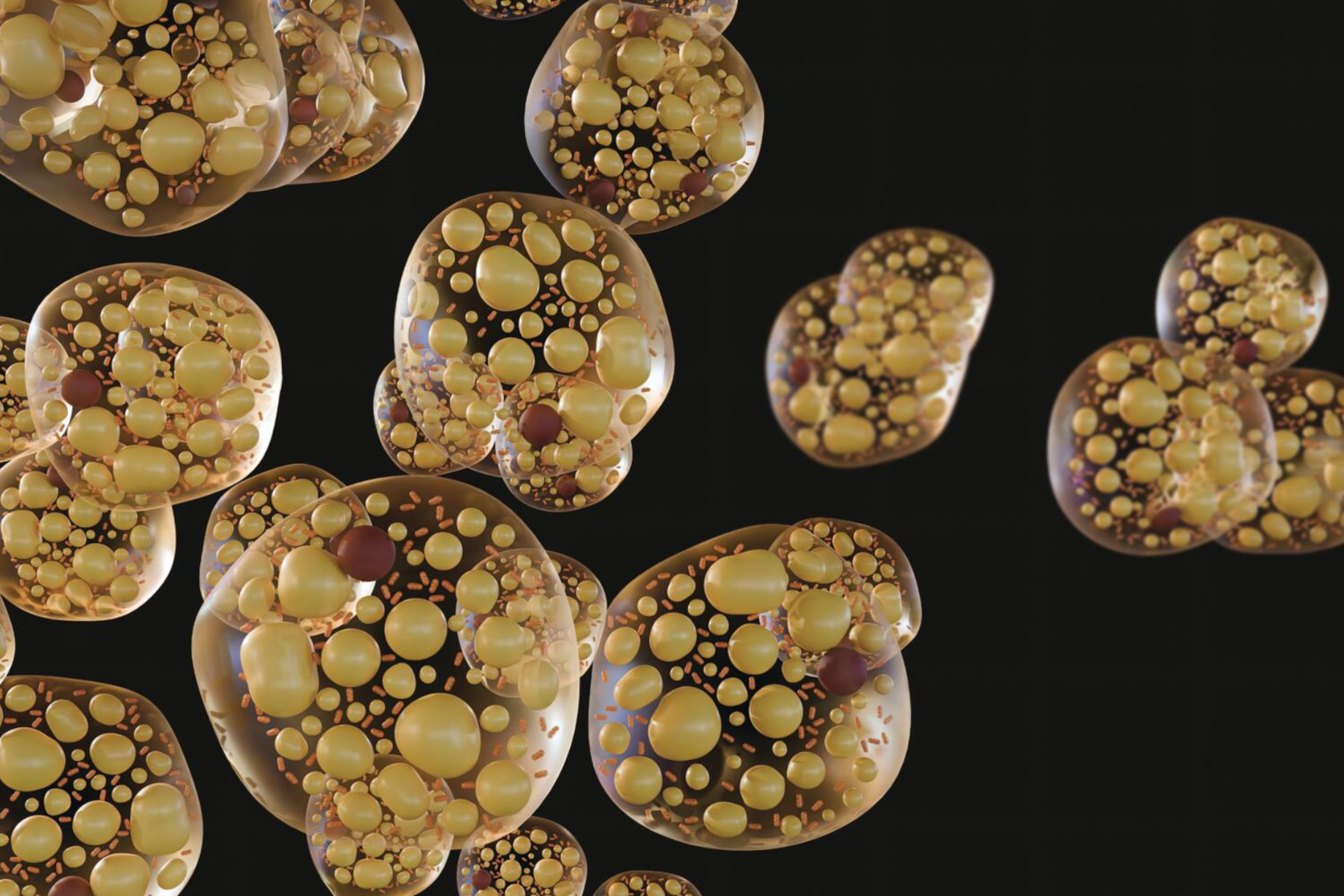
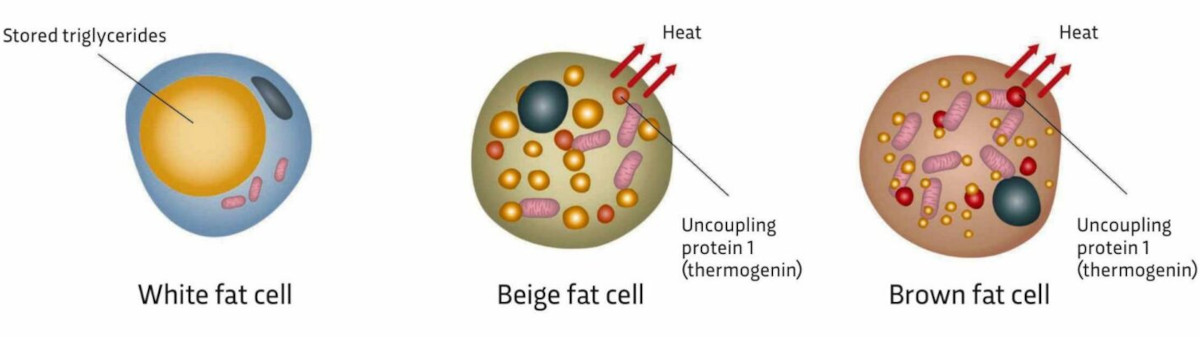
When most of us think of fat, we think of white fat: the type that exists beneath the skin as subcutaneous fat – the fat you can pinch on your arms and belly. It can also wrap around internal organs as visceral fat.
Brown fat, which gets its colour from its dense supply of iron-rich mitochondria and the blood vessels running through it, behaves differently.
“Whereas white fat is designed to store energy, brown fat is designed to produce heat. It’s really a heat-producing organ within the body rather than fat per se,” says Prof Giles Yeo, a geneticist at the University of Cambridge.
“Instead of relying on muscles contracting to create warmth, brown fat burns fuel, or calories, to generate heat through a process called non-shivering thermogenesis,” says Yeo.
This ability is particularly important early in life. Babies have little muscle mass and can’t shiver effectively, so brown fat provides a vital source of warmth during their first months.
For decades, scientists assumed it disappeared after infancy. But then everything changed.
There all along
Three landmark studies published in the New England Journal of Medicine in 2009 showed that adults retain metabolically active brown fat to help with thermoregulation.
One of those studies involved men getting PET scans after lying in a room heated to 22°C (71°F) for two hours and then again after lying in a room set to a cooler 16°C (60°F) for an hour.
Brown fat was invisible in the scans after two hours in the 22°C room, but lit up on the scan after one hour in the 16°C room.
The result caused quite a buzz.
“The excitement made sense,” says Amati, “because a tissue we thought disappeared after infancy had been there in adults all along. [It was] just switched off most of the time.”
The discovery sparked hopes that activating the tissue could offer a new way to tackle obesity, prompting a wave of research into cold exposure and other potential ways of stimulating it.
“Think of brown fat less like a boiler that’s constantly burning calories and more like a thermostat. It switches on when you need to maintain your body temperature and switches off again when you don’t,” explains Yeo.
“Brown fat burns calories and because we’ve been conditioned to think calories are the enemy, people immediately assumed it must be a treatment for obesity, but I do think it was oversold initially.”
Part of his reasoning is that adults have such a small amount of brown fat, typically between 50 and 150ml (about 1.8–5.3oz), mostly around the neck and collarbones, with smaller deposits along the spine and around the kidneys.
It means the number of calories burned by brown fat is relatively modest.
Metabolic activity in fat cells
A new perspective
For years, researchers judged brown fat according to how much fuel it consumed, measuring its activity by tracking how much glucose it absorbed from the bloodstream. But that’s only part of the story.
As more human studies emerged, scientists found that activating brown fat was associated with improvements in glucose regulation, insulin sensitivity and blood lipid markers (which show the amount of different fats and cholesterol types in your blood), even when body weight remained unchanged.
This led researchers to investigate brown fat as an endocrine organ. One that releases chemical messengers, known as batokines, which communicate with organs including the brain, liver, muscles and immune system.
“Dozens of candidate batokines have now been described from proteins, lipids and microRNAs. But most of that work is in rodents,” says Amati.
“We don’t yet know which of them matter in people, or even how much of what’s circulating actually comes from brown fat rather than the liver. This field is still very young.”
The discovery reflects a broader rethink of fat itself.
Once dismissed as little more than insulation and an energy store, adipose tissue is now understood to be a dynamic organ that constantly exchanges chemical signals throughout the entire body.
It’s why scientists are focused on decoding these signals and exploring whether they could be harnessed to improve blood sugar control, insulin sensitivity, appetite regulation and overall metabolic health.
“Judged purely as a calorie burner, brown fat is underwhelming, but judged as a signalling tissue, it gets far more interesting because signals can be studied, copied and eventually targeted. That’s where the potential sits,” says Amati.
Read more:
- The surprising truth about your body's brown fat, according to Harvard professors
- Why it's time we changed our relationship with fat
- Your fat could burn itself, say scientists in weight-loss breakthrough
A small amount, with a big say
One of the most intriguing connections is between brown fat and the brain.
A small human study published in 2021 found that giving 15 healthy young men an infusion of secretin (a hormone the gut releases after a meal) increased glucose uptake into their brown fat by around 57 per cent.
It also dampened the brain’s reward response to pictures of appetising food and delayed the point at which they wanted to eat again by roughly 40 minutes.

“40 minutes might not sound like much, and this is a small study, but when you consider how little brown fat adults actually have, it’s quite remarkable.
"It puts brown fat somewhere in the conversation between the gut, the body and the brain about when you eat again,” says Amati.
“Brown fat isn’t just spending energy. It’s potentially participating in deciding when you stop eating and when you’re going to eat again. It’s quite amazing that such a small amount of tissue could have such a strong effect on the brain.
"If we can pin down which of these signals is clinically impactful for insulin sensitivity or appetite, that’s the thing to target as opposed to the tissue itself.”
The start of a new story
The discovery has drawn comparisons with GLP-1, the gut hormone that underpins medicines such as semaglutide (in Wegovy and Ozempic) and tirzepatide (in Mounjaro).
Brown fat could complement existing obesity medicines. While GLP-1 drugs such as semaglutide and tirzepatide reduce appetite and encourage weight loss, maintaining that weight loss can be much harder.
As the body becomes lighter, the brain responds by increasing hunger and slowing metabolism, making it easier to regain lost weight.
“Imagine two people who each weigh 75kg [165lbs]. One of them has always weighed 75kg, while the other has lost 10kg [22lbs] to get there. The person who lost the weight will generally have to eat less to stay at that weight because their metabolism has slowed,” says Yeo.
“That’s potentially where brown fat could become interesting. Not as a miracle weight-loss treatment on its own, but as something that could complement existing therapies by helping to offset some of that reduction in energy expenditure.”
There are already hints this interaction may exist. In a small study of 34 premenopausal women with obesity, those taking tirzepatide showed greater brown fat activity during cold exposure than those given a placebo.
The findings generated excitement when they were announced in July, but researchers urge caution – the study has yet to be peer reviewed.
“It’s an interesting finding, and the detail that matters is that the change in brown fat didn’t track with how much weight the women lost. That points towards a direct effect of the drug rather than a knock-on consequence of getting smaller,” says Amati.
“But I’d want to see it replicated before anyone builds a theory on it.”
Questions still to answer
Given this is a relatively new area of research, there’s still a lot of debate surrounding it.
Some researchers argue adults simply possess too little brown fat to make a meaningful difference to overall metabolism, and caution that years of excitement have produced few clinical breakthroughs.
Others believe the field spent too long focusing on how many calories brown fat burns and overlooking its role as a signalling organ that communicates with the rest of the body.
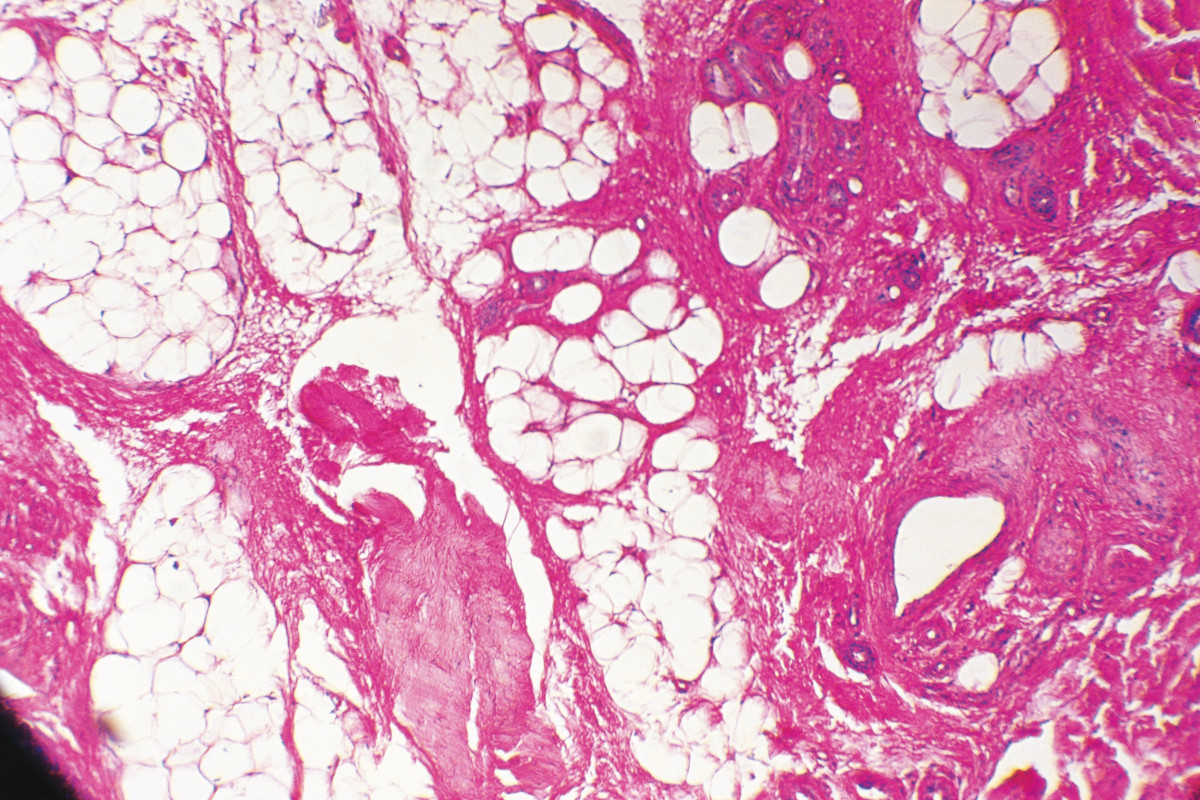
Part of the challenge is that brown fat remains surprisingly difficult to study. Unlike organs such as the heart or liver, it exists in small pockets, making it difficult to measure, and it’s only active under certain conditions.
For years, most research relied on expensive PET-CT scans to detect glucose uptake, which expose participants to radiation, limiting studies to relatively small groups. But that’s beginning to change.
Advances in AI are allowing researchers to analyse thousands of MRI scans from vast datasets, giving scientists the opportunity to investigate brown fat across larger populations.
“For the first time we can look at brown fat across tens of thousands of people instead of a few dozen.
"These are imaging proxies rather than direct measurements, so they need interpreting carefully, but they let us ask questions like who has more brown fat, whether genetics can explain it, and whether having more of it is associated with better health,” says Amati.
“We’re only just beginning to understand the language brown fat uses to communicate with the rest of the body. There are hundreds of signalling molecules to investigate, and that’s where much of the excitement lies.
"If the evidence continues to build, and we identify batokines that improve things like insulin sensitivity in people with insulin resistance… those signals could become new therapeutic targets. That’s the real promise of this research.”
Learning to listen
Despite the excitement surrounding brown fat, scientists say the evidence for deliberately activating it remains limited.
Cold exposure, done safely, is the most reliable way to activate brown fat. But this doesn’t mean extreme cold is a shortcut to better health.
“If you enjoy cold-water swimming or cold showers, that’s fine. But I wouldn’t recommend forcing yourself into ice baths purely to activate brown fat,” says Amati.
“When you’re cold, your muscles are working as well. Even before you start shivering, your muscles are contracting to generate heat.”
Some of the metabolic effects associated with cold exposure may therefore come from muscles rather than brown fat.
For most people, Amati says, there’s little reason to chase extreme cold; spending time in a cooler environment or taking a brisk walk on a winter’s day is likely to be a more practical approach.
The same caution applies to diet. “At the moment, there’s no good evidence that anything you eat can activate brown fat in a clinically meaningful way,” says Yeo.
Exercise remains one of the most effective ways to improve metabolic health, but not because it dramatically increases brown fat activation.
Its benefits for insulin sensitivity, cardiovascular health and blood sugar regulation are supported by decades of evidence.
That’s ultimately the point. Brown fat shouldn’t be seen as a shortcut to weight loss, but as part of a much bigger shift in how scientists understand fat itself.
“We used to think fat was just padding,” says Yeo. “Now we know it’s much more biologically active than that. But I think we need to understand more about [the facts at play] before we can fully weaponise them as a potential druggable target.”
Amati agrees: “For now, the biggest takeaway is helping people understand that fat isn’t just passive storage. Fat, and brown fat in particular, is an interesting tissue that has a lot to say.” The challenge now, is learning how to listen.
Read more:
