
If your morning routine rotates around the moment your lips first brush against the soft froth of a flat white, well... ahem... you’re probably over-romanticising your relationship with coffee.
But you can guarantee that your gut won’t have been left untouched by this daily ritual either.
In the past, we might have regarded coffee as nothing more than a gut irritant – a swift ticket to the toilet in the morning.
Now, though, scientists are gaining a more sophisticated understanding of its influence on both our gut microbiome and our broader health.
As studies are increasingly showing, bacteria have different predilections for coffee.
While some can take or leave a cappuccino, others thrive on coffee-associated compounds like polyphenols, guzzling them down for sustenance and, in turn, producing a range of other chemical compounds, some of which have known health benefits.
Essentially, drinking coffee – even decaf – changes the chemistry of your gut, courtesy of the bacteria that reside in it. For example, it’s thought that short-chain fatty acids produced by some coffee-loving bugs may help quell inflammation.
But how much difference does coffee really make to what’s growing in your belly?
Well, in 2021, researchers from 14 different European and US institutions enrolled over 1,000 people in the ‘PREDICT’ study.
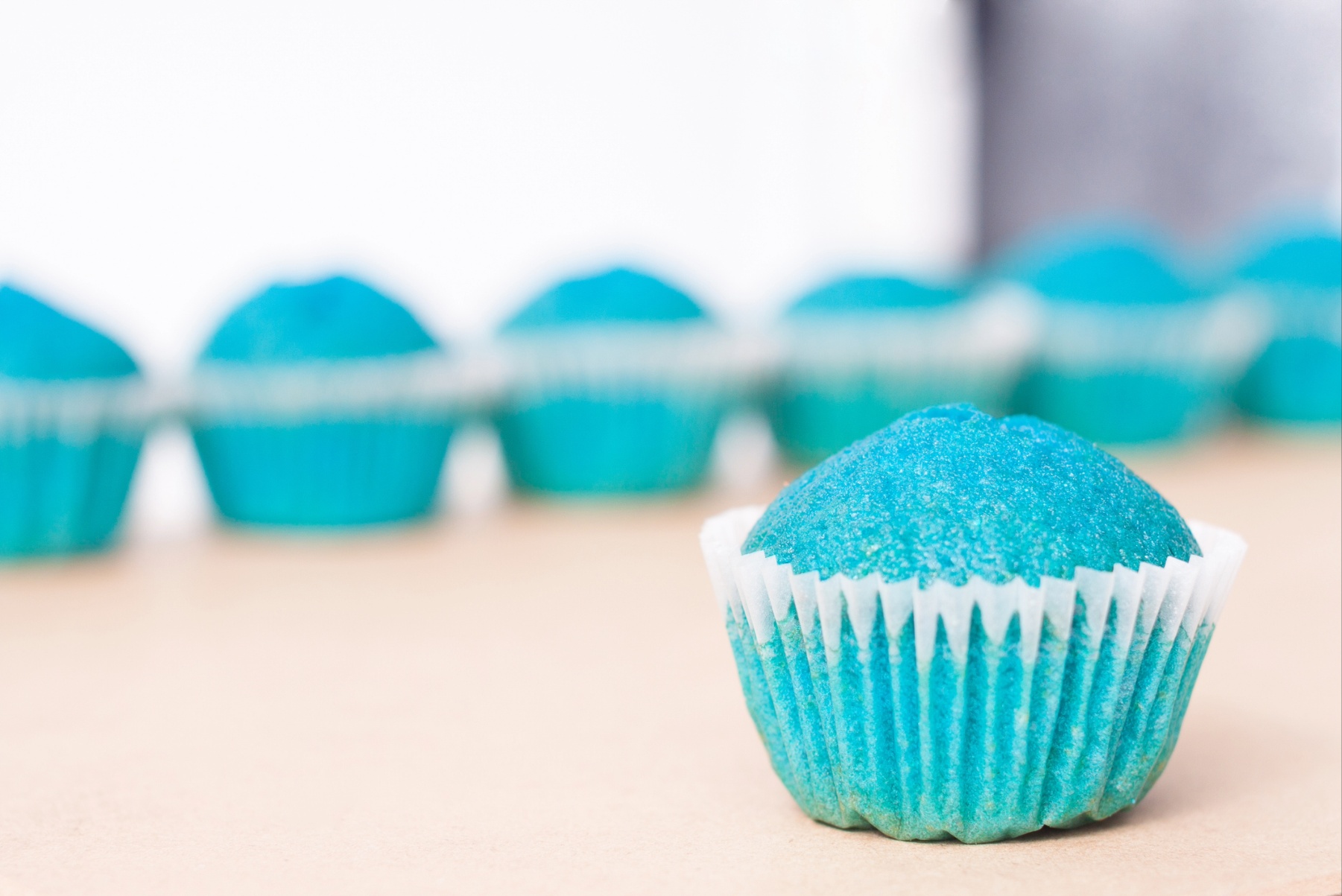
PREDICT is the Personalised Responses to Dietary Composition Trial led and funded by Zoe – yep, the health science company that makes the weird blue cookies designed to track gut transit times.
The researchers analysed their gut sequencing results in combination with details of the participants’ diets. And from over 150 food or drink items, coffee showed the strongest association with people’s gut microbiomes.
What that means is that, out of most things you put in your mouth every day, coffee has the biggest influence on your gut bacteria.
Then, in 2024, some of the same researchers delved deeper into coffee-drinking data from PREDICT.
They found that the communities inside coffee drinkers’ guts are so distinct that it’s possible to tell whether someone likes a latte simply by looking at their different levels of gut bacteria.
One of the most frequent inhabitants, it turns out, is Lawsonibacter asaccharolyticus, which is found at levels at least six times higher in coffee drinkers’ guts compared to non-coffee drinkers.
Zoe scientists claim these bacteria churn out high volumes of a compound called hippurate, fuelled by the polyphenols they consume from coffee. Hippurate has been previously proposed as a marker of good gut health.
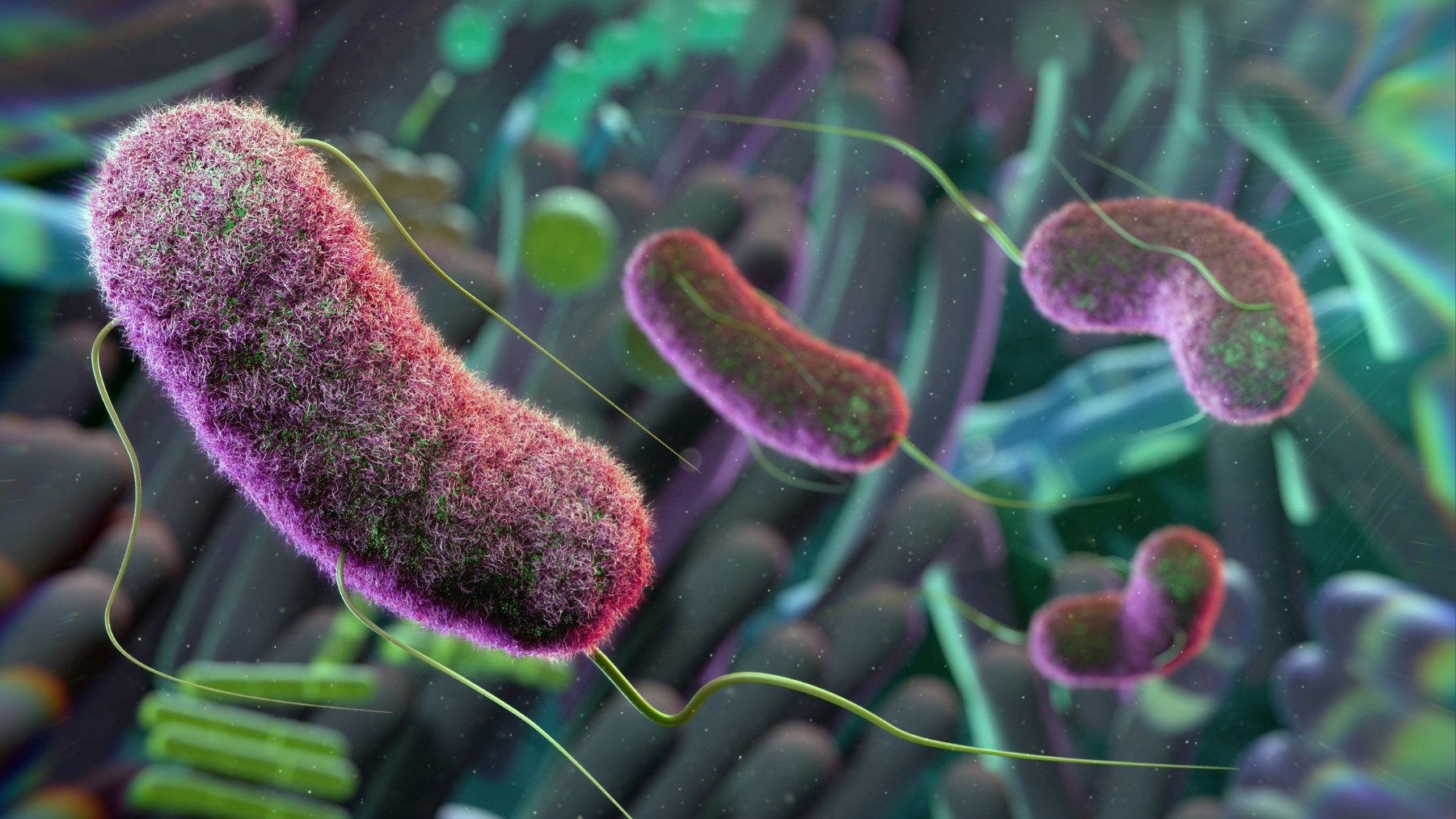
What’s fascinating about all this is that we know the gut doesn’t work in isolation. It’s plugged into the brain via the so-called ‘brain-gut connection’.
Some scientists are already starting to wonder whether some of the mental boost we get from our morning brew originates in our gut microbiome.
Interestingly, the authors of one recent study showed that the effects of coffee on stress and mood go beyond caffeine – which acts directly via our brains – suggesting that they could, potentially, be mainlined via our guts.
This article is an answer to the question (asked by Jess Ortega, via email) 'How does coffee change your gut?'
To submit your questions, email us at questions@sciencefocus.com, or message our Facebook, X, or Instagram pages (don't forget to include your name and location).
Check out our ultimate fun facts page for more mind-blowing science
Read more:
