
A statin for your cholesterol. A vitamin D tablet to avoid deficiency. An antidepressant to manage your mood. A contraceptive to ward off unwanted pregnancy, or hormonal replacement therapy (HRT) to get you through the menopause.
We rely on our pills to keep us going, happy, alive. But emerging science has hinted at potential sabotage.
Early evidence suggests GLP-1 weight-loss and diabetes drugs – like Ozempic, Wegovy and Mounjaro – might weaken the efficacy of certain medications.
Right now, scientists aren’t sure exactly how. In the words of Korean scientists in 2025, these drug-to-drug interactions “remain poorly understood and require further investigation” to ensure GLP-1s can be used safely. It’s a scientific cliché: more research needed.
But, while we wait for conclusive evidence, the potential risk remains for people who rely on their pills – and who are considering GLP-1 treatments.
So, for now, this is what we do know.
How GLP-1 drugs affect your medication
Although there’s much that scientists aren’t sure about, they do know that weight-loss drugs can meddle with medication in the same way they affect your food.
Medicines like Wegovy have been designed to mimic a hormone that your body produces naturally, called GLP-1, which makes you feel full. Extra GLP-1 makes you feel fuller, so you eat less, and lose weight.
But GLP-1 does more than just encourage you to put down your fork. It also controls the speed at which your dinner travels from your plate to your toilet.
Take it from Prof Giles Yeo, a scientist who specialises in appetite hormones and metabolism at the University of Cambridge.
“The role of these gut hormones is to regulate the flow of food between here,” he says, pointing to his mouth, “and here,” turning his hand downwards. “That can be, for example, the speed at which food is released from the stomach.”
That’s true not just for the spaghetti you had for dinner, but for any medication you swallow. GLP-1s slow down their journey from your mouth to your bloodstream.
That matters if your medicine needs to be taken at a precise time to be maximally effective – for instance, drugs that interact with hormone cycles, such as contraception or HRT. In this scenario, your pill is like an ambulance in a hurry to reach its patient – and GLP-1s hold it up in a digestive traffic jam.
But weight-loss drugs don’t just delay oral medication; they may also dampen its response.
Dr Simon Cork – a physiology lecturer at Anglia Ruskin University who researches appetite and body weight – explains.
“It is in the small intestine where most oral drugs are absorbed,” he says. “If you slow the rate at which things move through the stomach, then the drugs might get broken down quicker than they can be absorbed.”
Imagine the ambulance again, stuck in its traffic jam. Except it’s sat on a road made of acid and, as it waits, the vehicle starts to disintegrate. By the time the traffic starts moving a few hours later, all that’s left is a couple of paramedics, a bag full of medicine and a half-melted defibrillator.
They’ll get to their patient alright, but they might not be as effective as if the whole ambulance had turned up.
In a similar way, GLP-1s might not just delay your medicine from reaching your bloodstream, they may also weaken its impact when it first arrives.
Indeed, a 2024 paper found that GLP-1 treatment affected both the timing and peak concentration of a range of medications in the blood – including blood thinners (specifically warfarin), statins and certain contraceptive pills.
And that’s not all. Common side effects of weight-loss drugs, such as vomiting and diarrhoea, can disrupt your medication too.
“If you’re vomiting the drugs back out, then you don’t know how much of that drug is being absorbed,” says Cork. “Diarrhoea can also be challenging. If something is moving too fast through your system to be absorbed, then again that reduces the amount of drug that travels into the blood.”
These side effects aren’t rare. Nausea and vomiting affect nearly a quarter of GLP-1 drug users, and diarrhoea nearly a third.
Read more:
- The weight-loss pill everyone wants is finally here
- Why Ozempic isn't suitable for everyone, explained by a doctor
- Here are 61 surprising ways Ozempic can change your body
Which drugs could be impacted?
Scientists understand how GLP-1s might disrupt the absorption of your medicines, but they’re less clear on exactly what the consequences might be.
For instance, the 2024 study found that GLP-1 treatment changed how and when medicine travelled into the bloodstream. But, when it came to how much drug eventually arrived, and how effective it ended up being, the scientists didn’t find a clinically significant difference.
That suggests that the ambulance didn’t totally disintegrate. Instead, while it was waiting in traffic, a paramedic jumped out and ran to the patient with a medical kit. Later, another followed. And, eventually, the rest of the ambulance got there.
That’s just one study, however – and most of the participants were healthy, so it’s difficult to know what would happen to real-life patients.
At worst, Cork says that “any oral drug has the potential to be affected” by GLP-1s. But in reality, Yeo explains that the impact might depend on how precisely your medicine needs to be administered.
“What the GLP-1s will do is mess things up spatially and temporally where these drugs are delivered,” he says. “Are you taking a cancer drug? Are you taking oral contraception? Are you taking HRT? We don’t know whether these medications would be affected, but these are very precise drugs.”
When it comes to contraceptives, for instance, Yeo explains: “The hormone needs to be delivered at the right place, at the right time – crucially – to have the maximum effect.”
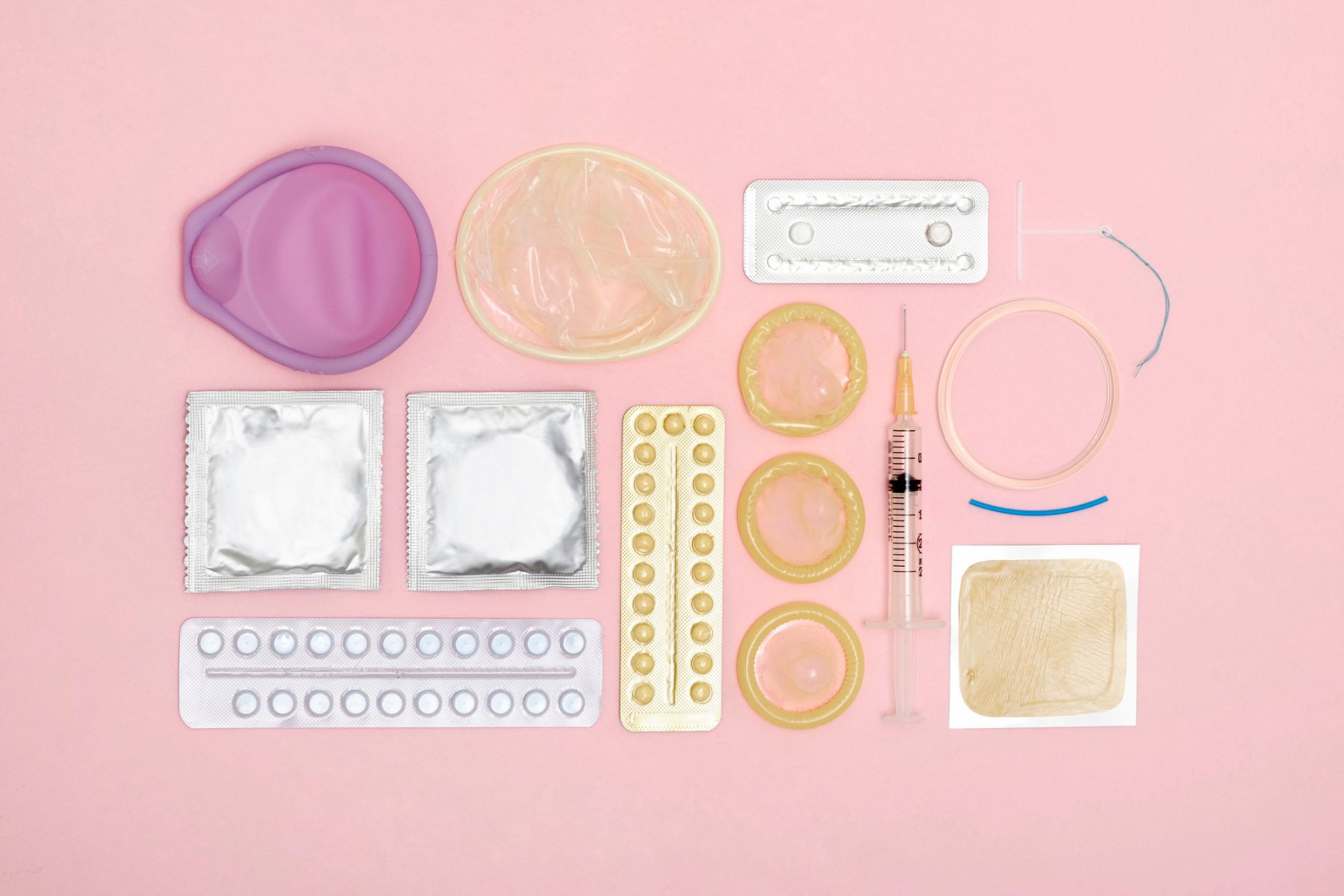
That doesn’t mean the pill will stop working entirely, but it might become a less reliable barrier against pregnancy.
“In other words, you’re not going to suddenly become pregnant, but if millions of people are taking it, and millions of women are on oral contraception, you’re going to get a lot of unexpected babies,” says Yeo.
Currently, this is only a theory. There isn’t a great deal of evidence proving that this happens, but another study from 2024 found that tirzepatide – the active ingredient in Mounjaro and Zepbound – had a significant effect on the combined contraceptive pill. Specifically, it delayed absorption by up to four hours and reduced the levels of ethynylestradiol – one of the pill’s active ingredients – in the blood by 20 per cent.
Plus, there is plenty of anecdotal evidence that the pill can fail while women are on GLP-1s, leading to so-called ‘Ozempic babies’.
In fact, the UK government recommends that women on GLP-1s use condoms alongside the pill – at least while starting or increasing doses – or switch to non-oral contraceptives, such as the coil or implant.
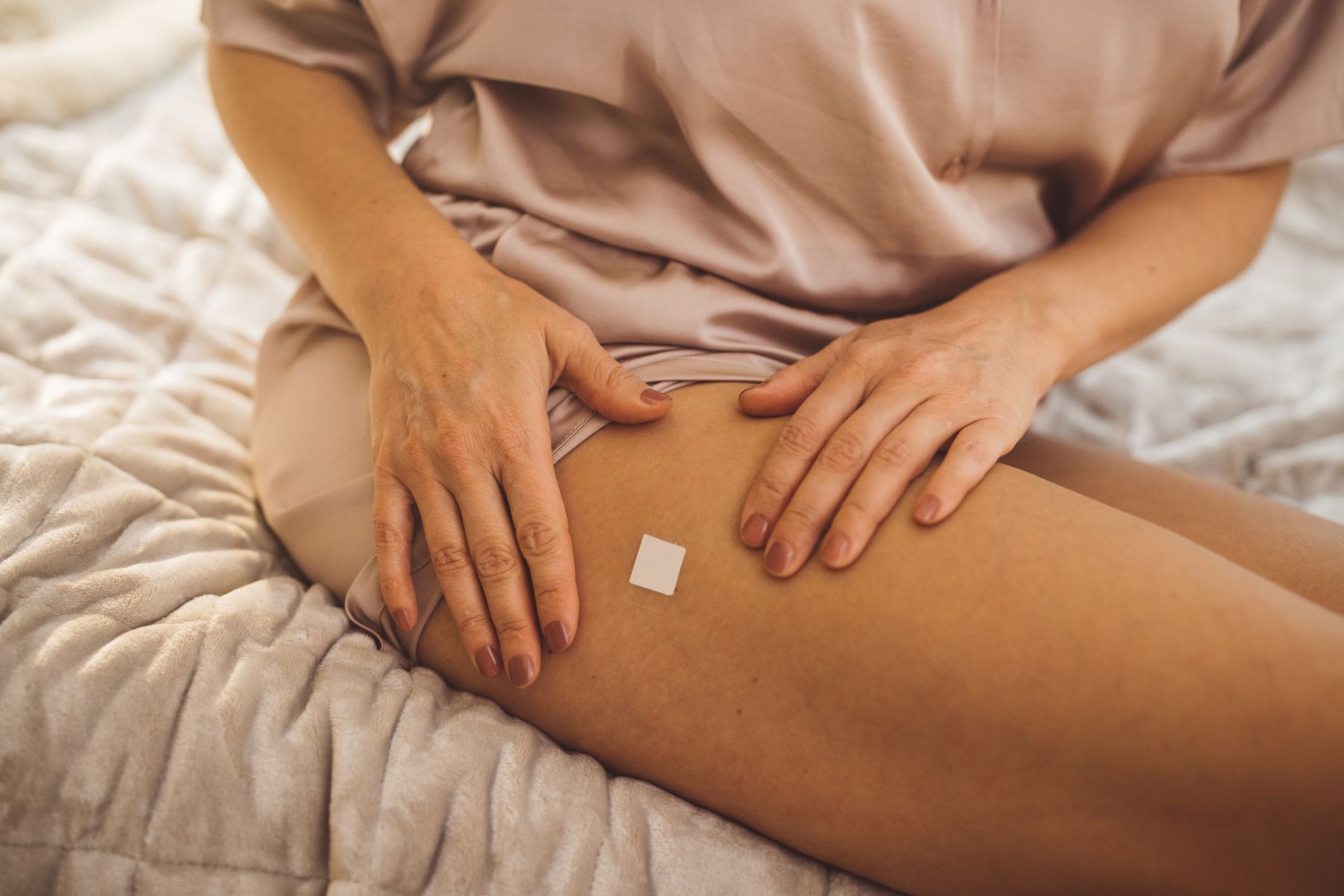
Cork adds that, like oral contraception, HRT can be impacted by GLP-1s, so doctors recommend switching to a patch if possible.
He also mentions that levodopa – a drug used for Parkinson’s disease to stop tremors – seems to be affected, “because it requires very quick absorption from the stomach”.
All of this evidence is still quite uncertain – and beyond these three medications, scientists don’t know exactly how GLP-1s might interfere with other drugs.
But, in the absence of clarity, Yeo and Cork say the best thing you can do is tell your doctor if you start taking GLP-1s.
Yeo says: “It’s interesting – this is one of the few drugs that people hide. There are many people who are slightly ashamed that they’re taking it and end up hiding it from their doctor.
“But I think hiding it from your doctor is a bad idea. Tell your doctor so that you can mitigate against this. That’s the message.”
Read more:

