
The American TV presenter and producer Oprah Winfrey’s long-term battle with her weight is well documented. Her struggles went on for years and saw her yo-yo wildly between a low of 145lbs and a high of 237lbs (65-107kg).
But a medical diagnosis that came in 2015 encouraged her to swap the crash dieting for lasting lifestyle changes.
“I was prediabetic, and my cholesterol numbers were high,” Winfrey recalls in a recent interview with People magazine.
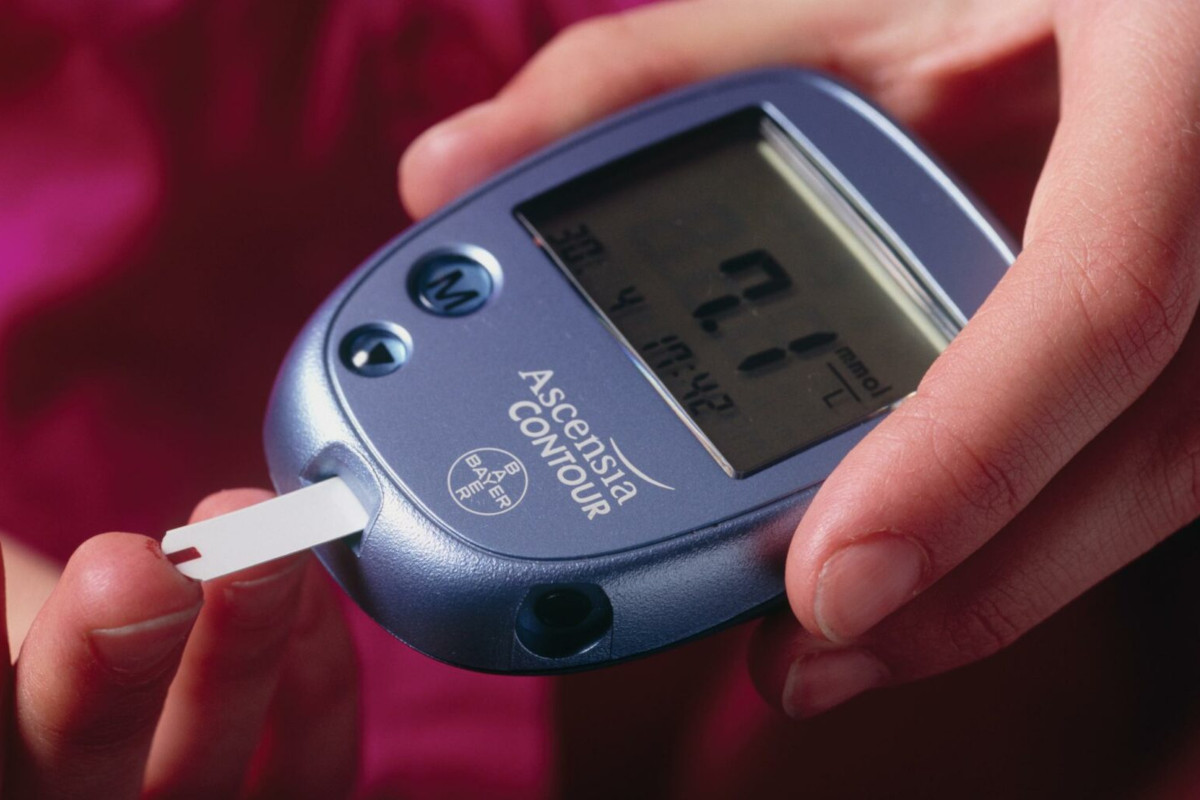
Prediabetes is a condition in which a person’s blood sugar levels are higher than normal, but they don’t meet the threshold for disease or display any of its symptoms.
“It’s a warning phase,” says Dr Jason Fung, a kidney specialist and author of The Diabetes Code. “It emphasises that someone is at risk of developing diabetes.”
Health organisations worldwide define prediabetes slightly differently.
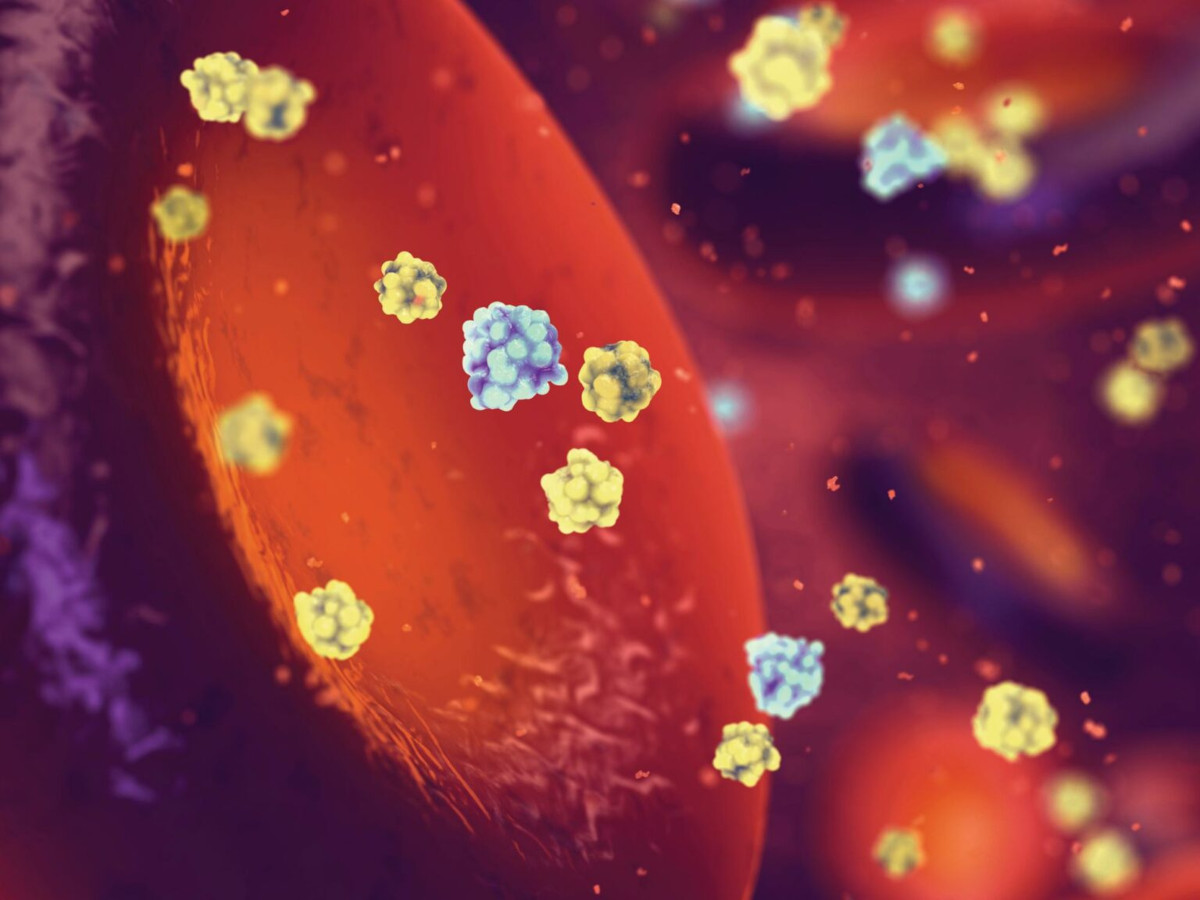
But many, including the NHS, consider it to be when your HbA1c levels (the amount of sugar, or glucose, bound to your red blood cells as measured over a two- or three-month period) are between 42 and 47 millimoles per litre, or 6.0–6.4 per cent.
Today, prediabetes affects over a third of adults in the US and nearly one in eight (6.9 million) people in the UK. Globally, 541 million adults live with the condition.
And while the majority of those affected currently reside in high-income countries, it’s predicted that lower-income nations will see the biggest rise in cases by 2045.
It’s a worrying trend, given that prediabetes is associated with numerous health issues.
This includes a higher risk of death (13 per cent), heart disease (16 per cent) and stroke (14 per cent), as researchers revealed in a 2020 meta-analysis of 129 studies involving more than 10 million people.
It gets worse. Every year, five to 10 per cent of those with prediabetes will progress to type 2 diabetes, which brings its own complications if left unmanaged.
“It’s one of the biggest risk factors for kidney failure,” says Fung. “Not only are you going to be at risk of blindness and amputations, but also heart attacks, strokes, cancer, infections and more.”
But there’s good news: a prediabetes diagnosis doesn’t mean your fate is sealed. “It’s possible for some people to prevent or delay type 2 diabetes,” says Emma Pike, deputy head of clinical at Diabetes UK, the country’s biggest diabetes charity.
The key, however, is to tackle the condition as early as possible. Doing so requires a raft of lifestyle changes, the main ones being losing weight, eating well and exercising more.
If you’re diligent about them, remission – going back to normal blood glucose levels – is entirely possible, says Prof Andreas Birkenfeld, director of the Institute of Diabetes Research and Metabolic Diseases at Helmholtz Munich in Germany.
Take Winfrey, for instance. According to a story in People from 2019, thanks to changes she made after her diagnosis of prediabetes, her blood sugar levels returned to normal.
As of January 2026, with the help of a healthy diet, regular exercise and weight-loss drugs, she was back to 155lbs (70kg), the weight she was when she ran her first marathon in 1994.
Seize the moment
“The positive message is that as long as you’re prediabetic, you can achieve remission and go back to metabolic health more easily,” says Birkenfeld.
“Once you have diabetes, it takes much more effort, and it doesn’t last. So, with prediabetes, you have a real window of opportunity.”
Diabetes is a complicated condition that can take on many forms. But at its core, it occurs when the body can’t process glucose effectively, and too much of it remains in the bloodstream.
Glucose comes mainly from carbohydrates in our food and drinks. Blood sugar rises when the body breaks carbohydrates down.
The rise sends a signal to the pancreas to release a hormone called insulin, which helps move glucose from the bloodstream into the cells, where it can be used for energy.
With diabetes, something goes wrong with this process.

While different forms of the disease manifest in similar ways, their root causes vary. In some pregnant women, for instance, hormones from the placenta prevent the mother’s insulin from working properly, resulting in gestational diabetes.
Type 1 diabetes, on the other hand, is an autoimmune condition usually diagnosed in children and young adults. In this case, insulin is absent because the body mistakenly destroys insulin-making cells.
By contrast, type 2 diabetes – which accounts for around 90 per cent of all cases – occurs when cells stop responding properly to insulin, a condition called insulin resistance, and, over time, the pancreas can no longer produce enough insulin to compensate.
“Prediabetes and type 2 diabetes are really complex conditions, and there are a multitude of different risk factors,” says Pike.
These include age (for people 45 and older), genetic predisposition (for South Asian, Black and Hispanic people), family history and socioeconomic deprivation.
But one of the biggest predictors, by far, is obesity. Excess fat disrupts the body’s normal metabolism, causing cells to become more insulin resistant. In response, the pancreas works overtime to produce more insulin.
It can’t continue that work rate forever, though, and eventually it loses its ability to keep up.
“That creates a double whammy,” says Amanda Avery, an associate professor of nutrition and dietetics at the University of Nottingham.
Too much fat leads to too much sugar in the bloodstream. And too much sugar makes it progressively harder for your body to handle sugar in the future, and that excess sugar is likely to be converted into more fat.
Given that global obesity rates have tripled since 1975, it’s little surprise that prediabetes and type 2 diabetes are on the rise too, says Fung. “All three conditions – obesity, prediabetes and type 2 diabetes – share the same pathophysiology.”
Today, two in every three UK adults are overweight or obese. It’s a symptom of modern life, says Avery. “We live in an obesogenic environment. People are much more sedentary, and our food choices are very different compared with 40 years ago.”
Portion sizes are also bigger, plus cheap ultra-processed food is everywhere. “These are much more calorie-dense, but nutritionally poor,” says Avery. “It’s just awful.”
Read more:
- An everyday pill could cut dementia risk in diabetics, study suggests
- Could a 'fart walk' actually help reverse diabetes?
Rethinking your meals
Because prediabetes is so closely linked to obesity, doctors usually encourage patients to lose weight first, rather than prescribing medication straight off the bat.
“We always recommend a lifestyle intervention first with diet and exercise,” says Birkenfeld.
“And if that doesn’t work, we’ll consider [the type 2 diabetes drug] metformin and now also GLP-1 drugs, such as Ozempic or Wegovy, for patients with obesity.”
One of the most effective ways to lose weight is to eat fewer refined carbohydrates such as white bread, pasta and rice, as well as sugary drinks and snacks.
“These become glucose a lot faster in the body, and so require a greater surge of insulin,” says Avery.
Instead, opt for complex carbohydrates that are higher in fibre and take longer to digest, supplying a slower release of glucose into the bloodstream.
Think whole grains (oats, brown rice, wholewheat bread), legumes (beans and lentils) and non-starchy vegetables (broccoli, peppers, leafy greens).
Switching to a low-carbohydrate diet overall could help, too. In its place, you might try eating more protein and upping your intake of fruit and vegetables, which “is helpful because they can be filling”, says Avery.

Your meals should remain nutritionally balanced however you go about making them, she cautions.
The ‘Healthy Eating Plate’ or ‘Half Plate’ model offers a simple visual guide: fill half your plate with non-starchy vegetables, a quarter with lean protein and the final quarter with whole grains.
“That’ll provide a reasonably good amount of micronutrients,” says Avery.
Pike has other helpful tweaks. “Choose healthier fat options – vegetable oils such as rapeseed and olive, instead of animal fat products. Think about your snack choices – go for nuts and seeds rather than biscuits and cakes, as much as possible.
"And pick dairy that doesn’t have any sugar added, particularly fermented dairy products such as yoghurt and cheese, which are associated with a reduced risk of type 2 diabetes.”
Healthy eating comes in many forms, but ultimately, it’s about finding a diet that works for you and that you can sustain in the long run. “If you take away what people really love, they can do it for some time, but they’ll fall back into old habits,” says Birkenfeld.
Apart from paying attention to what foods you eat, it appears that how and when you consume them matter too.
In one small study, patients with type 2 diabetes who fasted overnight were given the same meal of carbohydrates (ciabatta and orange juice), protein (skinless grilled chicken breast) and vegetables (broccoli and lettuce and tomato salad) on two occasions, and instructed to eat the components in a different order each time.
Consuming the vegetables and protein 15 minutes before the carbs resulted in lower post-meal glucose and insulin spikes, compared with eating the carbohydrates first.
Other studies also link poor eating habits – irregular mealtimes and eating late into the night – with higher insulin resistance and glucose intolerance.
Fung strongly recommends intermittent fasting, where you eat during a specific window in the day and fast for the remainder. “If you fast, you’re basically allowing your body to burn off the extra glucose,” he says.
Read more:
- 'A really substantive jump': The most powerful weight-loss drug ever tested has arrived
- Why do people's exercise needs vary so much?
- How to overcome the biggest barrier to weight loss
Building healthy habits
Eating well aside, experts also recommend that people with prediabetes try to get some exercise – at least 150 minutes of moderately intense physical activity every week.
“That could be walking, jogging, swimming, cycling or whatever people might enjoy,” says Pike. “Plus, some strength-based exercises as well.”
Movement helps because muscles need glucose to function, helping to clear sugar from the bloodstream. Exercise has also been shown to improve insulin sensitivity.
In particular, studies show that walking after a meal, for as little as 10 to 15 minutes, can keep glucose and insulin levels more stable compared to remaining sedentary.

Another useful tip is to get enough sleep, between seven and eight hours a night.
“Bad sleep has been shown to have an adverse impact on insulin resistance and glucose tolerance,” says Marie-Pierre St-Onge, an associate professor of nutritional medicine at Columbia University in the US, who studies the link between sleep, obesity and metabolic diseases.
In a study her lab conducted, 38 healthy women were asked to delay their bedtime by 90 minutes, shortening their total sleep time, for a period of six weeks.
The researchers discovered that this raised the women’s fasting insulin levels and insulin resistance by 12 and 15 per cent respectively. The effect was more pronounced in postmenopausal women.
St-Onge also recommends keeping regular bedtimes. “We’ve shown that sleep regularity is relevant when we talk about diabetes risk. If you have stable sleep patterns, it’s also easier to have stable meal patterns.”
To lower your diabetes risk even further, experts suggest adopting healthy habits such as stopping smoking and limiting alcohol consumption.
Boosting your light exposure during the daytime, while dimming the lights in the evenings, could also help to improve blood sugar control, as a small study in people with prediabetes found.
(Light exposure is linked to the regulation of melatonin, a hormone that is important for controlling sleepiness, but also metabolism.)

There’s ample evidence from several large-scale clinical trials to show that lifestyle interventions can and do work to reverse prediabetes.
The US-run Diabetes Prevention Program (DPP), for instance, studied over 3,200 people with prediabetes and found that intensive lifestyle change (aiming for seven per cent weight loss through a low-fat diet and 150 minutes of weekly exercise) slashed diabetes risk by 58 per cent.
Trials in Finland and China, each involving over 500 participants, also reported similar results.
Time is of the essence
The benefits of returning blood glucose levels to normal can’t be overstated. Apart from avoiding type 2 diabetes and all its inherent complications, there are proven long-term heart benefits too.
For example, when researchers followed DPP participants over 20 years, they discovered that those who achieved remission were 51 per cent less likely to die from cardiovascular issues or be hospitalised for heart failure, compared with participants who remained prediabetic.
Similar findings were observed for participants of the Chinese study: remission lowered the risk of cardiovascular death and overall death by 33 and 26 per cent, respectively, over three decades of follow-up.
But as with most other medical conditions, early intervention is key.
“As soon as somebody is told that they’ve got prediabetes – and the quicker they can sit down and think about what changes they can make to reduce their risk of developing type 2 diabetes – the better,” says Avery.
Birkenfeld agrees. His work with the German Prediabetes Lifestyle Intervention Study showed that people who achieved prediabetes remission within six months maintained healthier fasting blood glucose and HbA1c levels over time compared with those who took twice as long.
“They also had a very low chance of developing diabetes or going back to prediabetes later on,” he adds.
With that in mind, prediabetes should be viewed as “a real positive diagnosis” rather than a cause for dismay, says Avery. “Because it means people can make small changes that will make a big difference.”
Read more:
