
It happens when we’re overheated, stressed, exercising, anxious or under pressure… or even when we’re perfectly relaxed but it happens to be humid outside.
Whether we like it or not, humans sweat. Some more than others, some more easily than others and some more (ahem) aromatically than others.
For all the money we spend on deodorants and antiperspirants to pretend we don’t sweat, sweating plays a vital role in helping the body adjust to your internal and external environment.
At its most basic, sweating is how the body sheds excess heat. But how we sweat and sweat itself are also important indicators of health.
Subtle changes in the biochemistry of sweat – and not-so-subtle changes in the patterns of sweating – reveal a lot about the rest of your body. And that’s not just now, but also the potential for conditions to develop in the future.
Accessing that information is emerging as an exciting area of medicine, with the prospect that these clues might soon help predict, diagnose and manage a wide range of diseases, from the infectious to the neurological.
Here’s what the latest research says about the links between your sweat and your health.
The basic biology of sweat
From the top of the scalp to the soles of your feet, the human body is covered with sweat glands: two to four million of them. They are found everywhere, except some very small areas like your lips and the outside of your ear canal.
The majority of these glands are known as eccrine sweat glands, and they’re essentially the body’s air-conditioning.
They produce a light, watery sweat directly onto the surface of the skin, so they’re found on the parts of the body where that water is most likely to be able to evaporate and cool you down.
Eccrine sweat is around 99 per cent water, but also contains small amounts of sodium and potassium ions, as well as something called urea, which is produced by the body when it breaks down nitrogen-containing substances.
It’s the same waste product found in your urine.
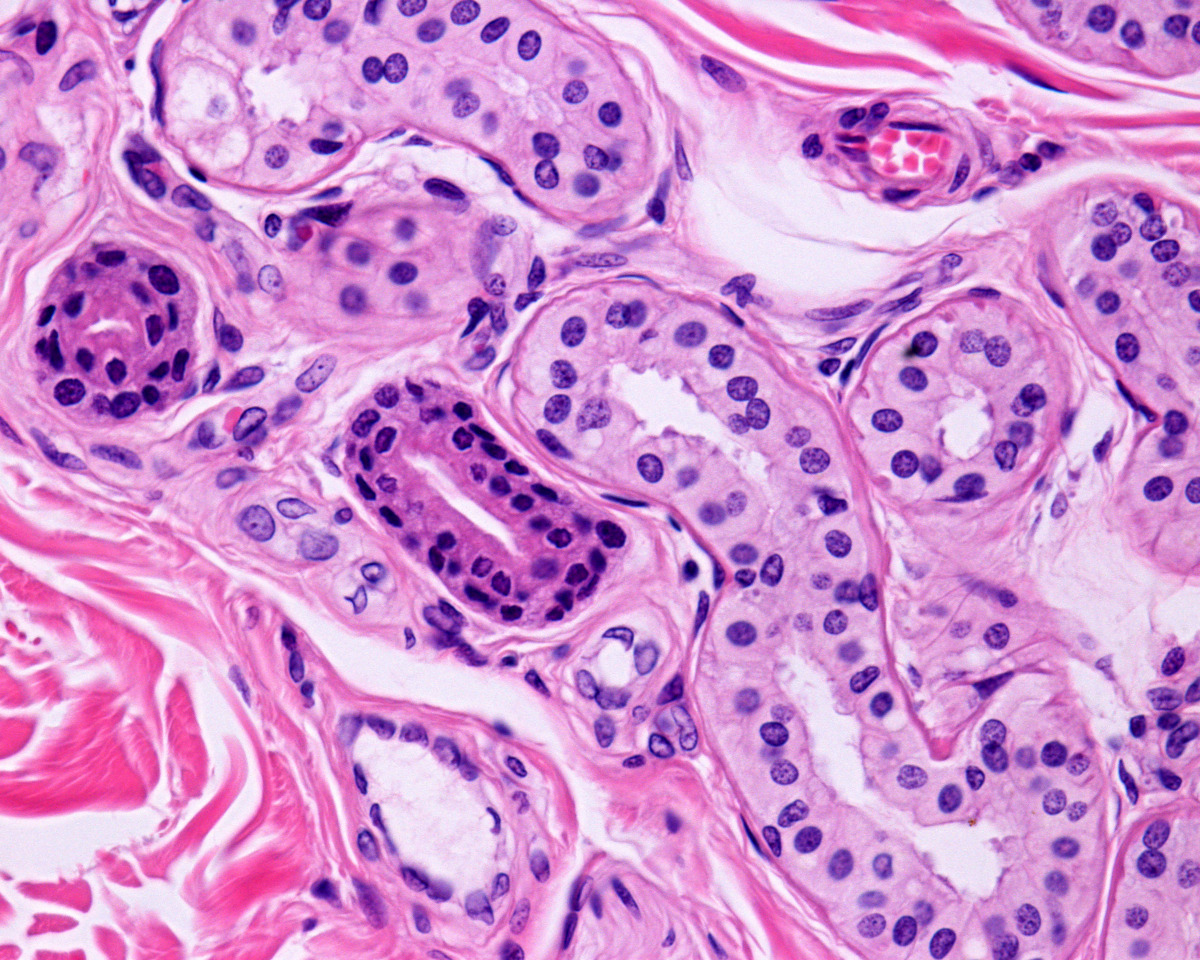
The highest concentrations of eccrine sweat glands are actually on the palms of the hands and soles of the feet, but we also have plenty of them on our forearms, back and forehead.
But the stereotype of sweating – whether from exercise or anxiety – usually involves the armpits. This is where the second type of sweat gland comes in, called the apocrine glands.
Apocrine sweat is the smelly sweat most of us would rather avoid. These sweat glands are concentrated in your armpits and groin, and are responsible for what’s called ‘emotional sweating’.
Rather than being activated by exercise or the need to cool down, these glands spring into action when we’re stressed and emotional.
That’s when your body is producing stress hormones such as adrenaline and cortisol, according to Dr Chris Callewaert, a researcher on human body odour at Ghent University in Belgium.
“If you have a presentation, if you have an interview, then there’s adrenaline running through your body, and you immediately emit apocrine sweat,” says Callewaert, who also goes by the moniker of ‘Dr Armpit’.
Unlike watery eccrine sweat, apocrine sweat is clear and oily, and contains proteins, lipids (fats) and steroids. By itself, apocrine sweat actually doesn’t smell, but the problem comes when it encounters the bacteria living on our skin.
These break down the compounds in apocrine sweat and release other compounds that do smell. (Some foods also make sweat smell, particularly more odorous things like garlic, onion and fenugreek.)
While eccrine sweat cools the body, it’s not entirely clear what function apocrine sweat serves. But Callewaert has some ideas: “An animal that is stressed will be able to flee faster through the bushes when it produces a bit of lipids on its fur,” he says.
And that bad smell might actually be a lifesaver. “If that animal is also producing a bad scent, it will be less appealing for the predator,” he says, comparing it to the terrible smell that a skunk produces to deter attackers.
“We all have a little bit of the skunk in us,” he says.
What's 'normal'?
Take a look around a gym, and you’ll see – and probably smell – a huge variety of sweating habits and patterns.
There’s a young man in his twenties working out, sweating so much his t-shirt is soaked, and a middle-aged woman huffing and puffing on the cross trainer. Meanwhile, an elderly person hoists small weights without breaking a sweat, while a kid dashes around the place completely unflustered.

How we sweat changes over our lifetime and according to our genetics, sex and hormones. “There is a lot of variation, and we don’t fully understand what influences it,” says dermatologist Prof Faisal Ali, from the British Association of Dermatologists.
“We do know that there’s a genetic component to it, so if your parents sweat more, probably the children are more likely to sweat more.”
The sweat glands develop very early in life, but they don’t start functioning right away.
One of the reasons babies smell so sweet (most of the time) is because the apocrine sweat glands – the smelly ones – don’t become active until puberty, when the sex hormones really start to kick in.
But it’s also why babies and children don’t sweat much, making them vulnerable to overheating – they don’t have the same ability to cool themselves down.
During puberty, both the eccrine and apocrine sweat glands ramp up to full capacity, which will come as no surprise to anyone who has experienced the nasal delights of sweaty teenagers.
This period of life also coincides with a change in the makeup of the skin microbiome.
“There’s a big shift from hydrophilic bacteria to hydrophobic bacteria, so lipid-loving bacteria,” Callewaert says. This includes Corynebacterium and Cutibacterium, which feed on the fats in apocrine sweat and convert them into compounds that often smell unpleasant.
The next big change in sweat and sweat habits comes in later life. As we become elderly, we sweat less.
A 2021 study by researchers in Japan suggests this could be because our skin gets thinner, which means the eccrine sweat glands don’t function as well.
But as with babies, this reduced ability to sweat also puts elderly people at risk of overheating and makes them especially vulnerable during heatwaves.
Sweating also varies according to sex. ‘Horses sweat, men perspire and women glow’, so the Victorian saying goes – but there’s some truth to it, at least when it comes to humans.
There’s evidence that the sex hormones oestrogen and testosterone have an influence on how the body responds to external temperature; for example, during exercise men will tend to start sweating at a lower temperature than women.
People who have given birth also usually experience dramatic sweating changes in the days after the birth in what’s called postpartum night sweats, which can literally leave them and the sheets drenched.
This is a normal side effect of the huge drop in the levels of certain hormones after delivery.
Another period of major hormone swings – perimenopause – is also associated with changes in sweat habits.
The so-called ‘hot flushes’ experienced by 75–80 per cent of people going through perimenopause can be accompanied by sweating, as sex hormone fluctuations affect the neurotransmitters involved in temperature regulation.
As extreme and unpleasant as some of these changes are in sweating patterns, they are all viewed as normal, healthy sweat habits.
But some changes in sweat and sweating are a symptom of something going wrong with our health.
Read more:
Signatures of sickness
In a long relationship, our partner’s scent can become as familiar as our own. We don’t tend to notice changes unless they suddenly change perfume or start smoking.
When Joy Milne noticed something odd about her husband Les’ scent – a subtle muskiness that wasn’t there before – she didn’t think anything of it until she happened to join a charity organisation for people with Parkinson’s disease, and noticed that many of those she encountered smelled similar to her husband.
Six years later, her husband was diagnosed with Parkinson’s disease.
Scientists have since done further experiments that verify Milne’s extraordinary ability to smell Parkinson’s disease – not only in people who had been diagnosed but in those who were undiagnosed.
It turns out she’s one of a small number of people who are ‘super-smellers’.
This discovery has contributed to a whole new field of research and technological development, based on the idea that certain diseases have a telltale chemical signature that’s evident in our sweat and scent.
One of the most well-known examples is cystic fibrosis, an inherited genetic disease that alters the movement of water and salt in and out of cells.
Those who have the disease are known to produce much saltier sweat than those without, and a sweat test is often used to help diagnose the condition.
The field of sweat diagnostics is still in its relative infancy, but is growing rapidly. “Sweat is very interesting because it’s non-invasive; you can collect it from the surface,” says Dr Noé Brasier, a medical doctor and researcher at ETH Zurich in Switzerland.
Sweat contains many of the same disease biomarkers as blood – for example, compounds linked to inflammation – or trace amounts of pharmaceuticals such as antibiotics.
The challenge is linking those biomarkers to specific diseases.
For example, glucose is present in sweat, and there’s evidence that people with diabetes – a disease characterised by higher levels of glucose in the blood – also have higher levels of glucose present in their sweat.
Some people with diabetes regularly test their blood to measure glucose levels and use those to guide treatment and management. “But we still do not fully understand what, for example, a glucose concentration in sweat means,” Brasier says.
That work is ongoing, with the hope it could lead to a less invasive way to monitor blood glucose, which is currently done several times a day or with an implanted monitor.
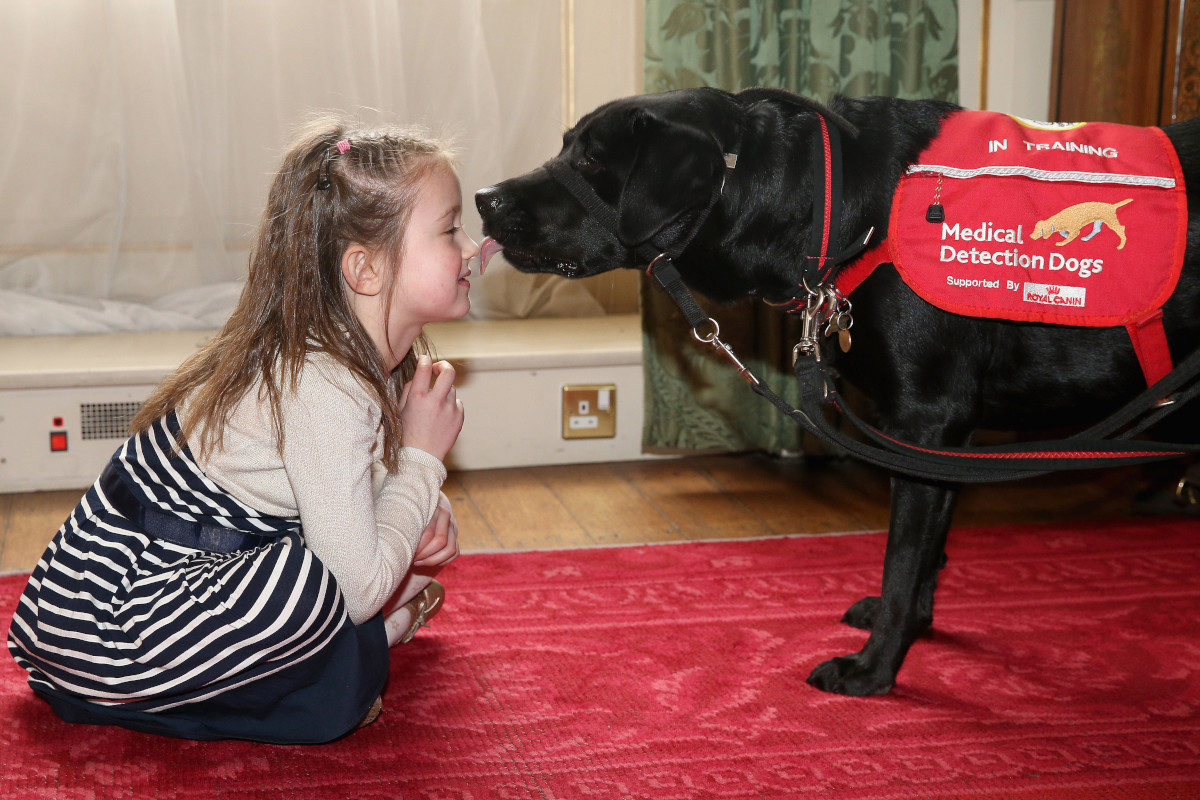
One clue as to the range of diseases that change the biochemistry of sweat is the use of dogs to help with diagnoses.
Amazingly, studies have found that dogs are able to detect COVID-19 infection with a sensitivity approaching that of standard rapid antigen tests, as well as the mosquito-borne disease malaria and a range of cancers including bowel and prostate cancer.
Dr Ilaria Belluomo, a researcher at Imperial College London and the Epilepsy Research Institute UK, is looking at whether epilepsy might be able to be monitored from sweat, and was inspired by seizure alert dogs.

“Dogs are able to smell epilepsy and alert people before a seizure is happening,” she says. Given their acute sense of smell, she hypothesises that sweat biochemistry changes just before a seizure begins, and is researching what this chemical signature might look like.
These and many other research projects looking at sweat analysis for disease diagnosis and monitoring are accompanied by an explosion of research projects developing wearable sensors to track changes in sweat.
There’s even interest in how AI could be used to pick up subtle changes in sweat biochemistry and explore how those connect with disease, Brasier says. “There are many pieces to come together, but it’s advancing very fast.”
Too much or too little sweat
During a now infamous interview with journalist Emily Maitlis on BBC Newsnight in 2019, the former Prince Andrew claimed that he was no longer able to sweat – a condition called anhidrosis – after the shock of being shot at in the Falklands War.
Anhidrosis is incredibly rare. Some diseases, such as diabetic neuropathy, in which nerves in the extremities are damaged, can lead to reduced sweating in those areas.
But general anhidrosis is linked to a small number of rare diseases, many of which are only seen in one in thousands or even millions of people.
Ali says it’s much more common to see people who have the opposite problem of too much sweat, or hyperhidrosis. In fact, he sees at least two patients a week presenting because of concerns about sweating.
Excessive sweating can be a red flag for some serious health conditions. Infections such as tuberculosis and pneumonia, cancers such as lymphoma and conditions such as hypothyroidism are all linked to sweating more than usual.
“If people are sweating excessively at night-time in particular – drenching night sweats, we describe it as – see your doctor, because it might be that you need investigating for other conditions as well,” Ali says.
“If it’s a new problem – that you’re an adult in your 20s, 30s, 40s, 50s, you’ve never really had a problem with sweating before, and then it’s become an issue – I would [also] encourage people to see their doctor.”
When those more serious diseases are ruled out, there are still some people (as many as three per cent) who sweat excessively – a condition called primary hyperhidrosis.
This tends to emerge before the age of 25 and can be localised to particular areas of the body, such as the hands, feet, face, or armpits, or affect larger sections or the whole body.
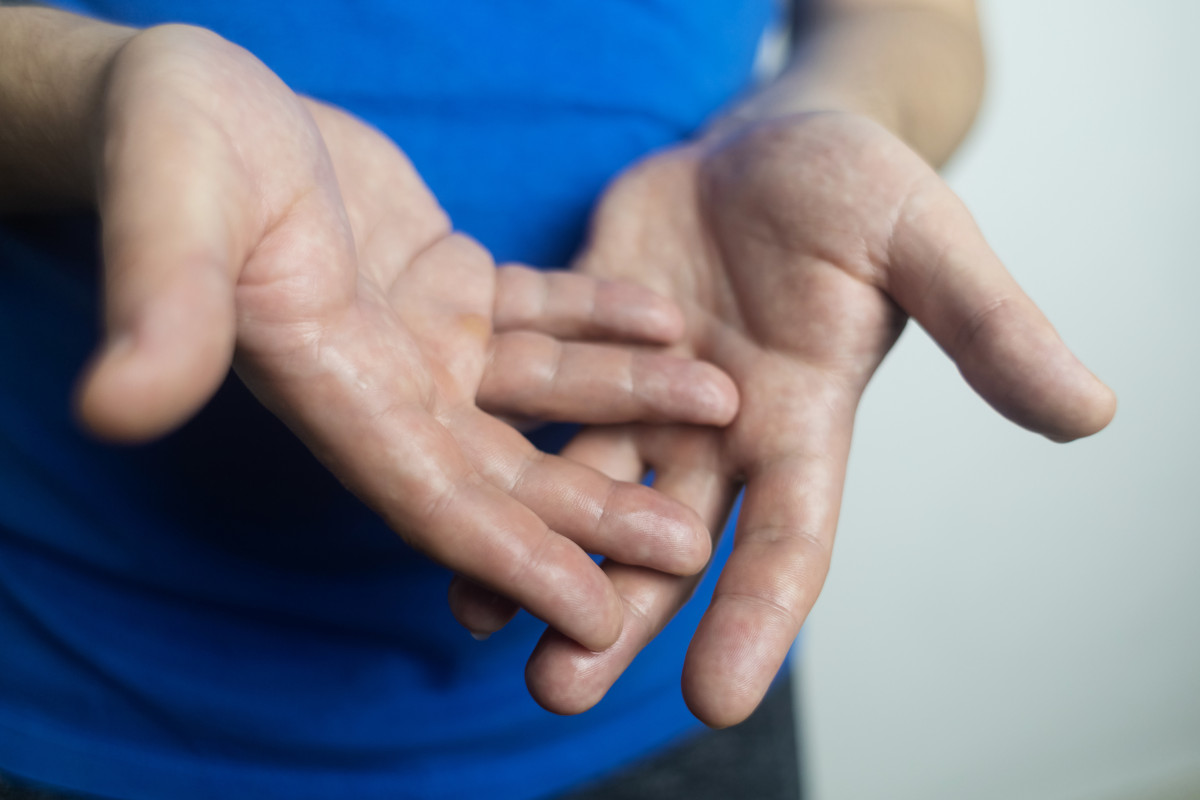
The actual cause of primary hyperhidrosis isn’t really understood, and while there don’t seem to be any serious physical consequences, it can have a major impact on people’s mental health and wellbeing.
“They might not want to shake hands, they might not like the appearance of having sweat dripping down the face at work, or the appearance of sweaty patches under their armpits or in their groin,” Ali says.
“People might not want to give presentations at work, they might not want to turn up for an interview.” It can affect intimate relationships, and be socially stigmatising.
Thankfully, there are many effective treatments for primary hyperhidrosis, ranging from special antiperspirants and wipes to more complex medical interventions, including Botox injections or even surgery.
Take a look at the extensive selection of deodorants and antiperspirants in supermarkets and you’ll have a pretty good idea of how much we collectively worry about our sweat. But Callewaert argues that much of that concern is misplaced.
He believes factors such as lifestyle and diet play a major role in influencing how our sweat smells, and things like reducing stress and eating healthier food that boosts the gut microbiome can make a big difference.
In fact, Callewaert recommends against using antiperspirants unless you have hyperhidrosis, because they can alter the makeup of the skin microbiome and lead to the flourishing of more smelly bacteria.
“If you don’t need it, really don’t use it at all – just use simple perfume,” he says. He even eschews soap. “Healthy sweat doesn’t smell bad,” he says.
Embracing your BO may sound – and smell – uncomfortable, given how conditioned we are to sanitising our body’s natural odours.
But sweat is not only a normal part of being human, it’s also a bit of a biological guardian angel: keeping us cool, letting us know when we’re stressed, and giving us vital clues about our health.
As Dr Armpit would say, embrace your inner skunk.
Read more:
