
Right now, you or somebody you know is constipated. At least, that’s statistically speaking, with 1 in 7 adults estimated to be affected at any given moment.
Women unfortunately bear the brunt of this, experiencing constipation two to three times more often than men, thanks in part to hormones like progesterone, which slow the gut down.
Whoever's suffering, though, it's no bueno for their gut health. Digestion runs on one simple principle: waste is meant to leave the body, not linger inside it.
There’s no single ‘correct’ number of bowel movements – anything from three a day to three a week falls within the normal range, and dropping below that is one classic sign of constipation. But frequency is only part of the picture.
“Most think constipation simply means infrequent bowel movements or hard stools, but it is more than that,” explains Prof Purna Kashyap, gastroenterologist at Mayo Clinic.
“Passing hard, dry, lumpy stools are common features. Many people also experience straining, a sensation of incomplete emptying, or the feeling that something is blocking the passage of stool.”
Any one of these symptoms on its own is enough to count as constipation.

The effects of constipation can extend well beyond the bathroom. Alongside bloating, nausea and abdominal cramping, constipation can leave people feeling “tired, sluggish, and generally unwell, with headaches, poor appetite, and low energy,” says Kashyap.
Fortunately, constipation is rarely anything to worry about on its own. The challenge is that many of its symptoms – changes in bowel habits, straining and the feeling of incomplete emptying – overlap with the early warning signs of more serious conditions.
One of those is bowel cancer. While constipation itself is not thought to increase the risk of developing the disease, a persistent change in your normal bowel habits can sometimes be an early symptom.
That's especially important to bear in mind, as rates of bowel cancer in adults under 50 have risen by almost 3 per cent a year over the past decade. Colorectal cancer is now the third most common cancer in the US overall, with around 159,000 new cases diagnosed each year.
The good news is that, for most people, constipation isn’t caused by anything serious. Certain medications, pregnancy, ageing and underlying medical conditions can all play a role, but everyday habits are often the biggest culprit.
And the upside of that is simple: habits can be changed.
Here, gastroenterologists share the daily habits that help prevent constipation and keep your gut healthy…
1. Schedule your toilet breaks
… to the best of your ability, of course.
According to Shilpa Ravella, gastroenterologist and author of A Silent Fire: The Story of Inflammation, Diet and Disease, there are specific times throughout the day when it might be easier to poop.
In other words: your body is primed to go right after you eat, so ignoring that window and holding it in for a “better” moment is working against yourself.
Kashyap suggests building an actual routine around this. “I usually recommend waking up, doing a short period of physical activity, such as walking, eating a high-fibre breakfast, and including something like prunes or a warm caffeinated drink if they work for you,” he says.
“Then, sit on the toilet for five to 10 minutes without straining, even if you do not have a strong urge.”
Consistency is what makes it stick. “Many people notice changes in their bowel habits when they travel or when their sleep schedule changes,” Kashyap says. “Knowing this ahead of time allows you to maintain as much of your routine as possible.”
But when the urge does hit, outside that window or not, don’t suppress it – yes, even if that means using a public toilet.
“Ignoring the urge to have a bowel movement allows stool to remain in the rectum longer, where even more water can get absorbed,” explains Kashyap. “Over time, the rectum can become less sensitive to stretching, meaning you may stop feeling the urge until it becomes much fuller.”
Read more:
- Why eating too much fibre might be ruining your gut health
- Here's what your pooping frequency says about your health
- Reality check – should we be paying more attention to our poo?
2. Build up your fibre intake, but slowly
The advice to “eat more fibre” gets thrown around so often it’s easy to tune out. But the numbers behind it are worth paying attention to: you need around 25–38g a day, and only 5 per cent of American adults actually hit that target.
“Fibre is the cornerstone of constipation prevention,” says Ravella.
“It increases stool bulk, stimulates the gut mucosa to secrete water and mucus, and improves stool consistency by increasing its water-holding capacity.”
So if almost everyone’s falling short, where do you start?
“Soluble fibre – psyllium, oat bran, barley, beans – has the strongest evidence, particularly psyllium, which is the most studied and recommended,” says Ravella.
Insoluble fibre – wheat bran, whole grains, vegetable skins – adds bulk, she says, but may worsen bloating, pain and flatulence in some people.
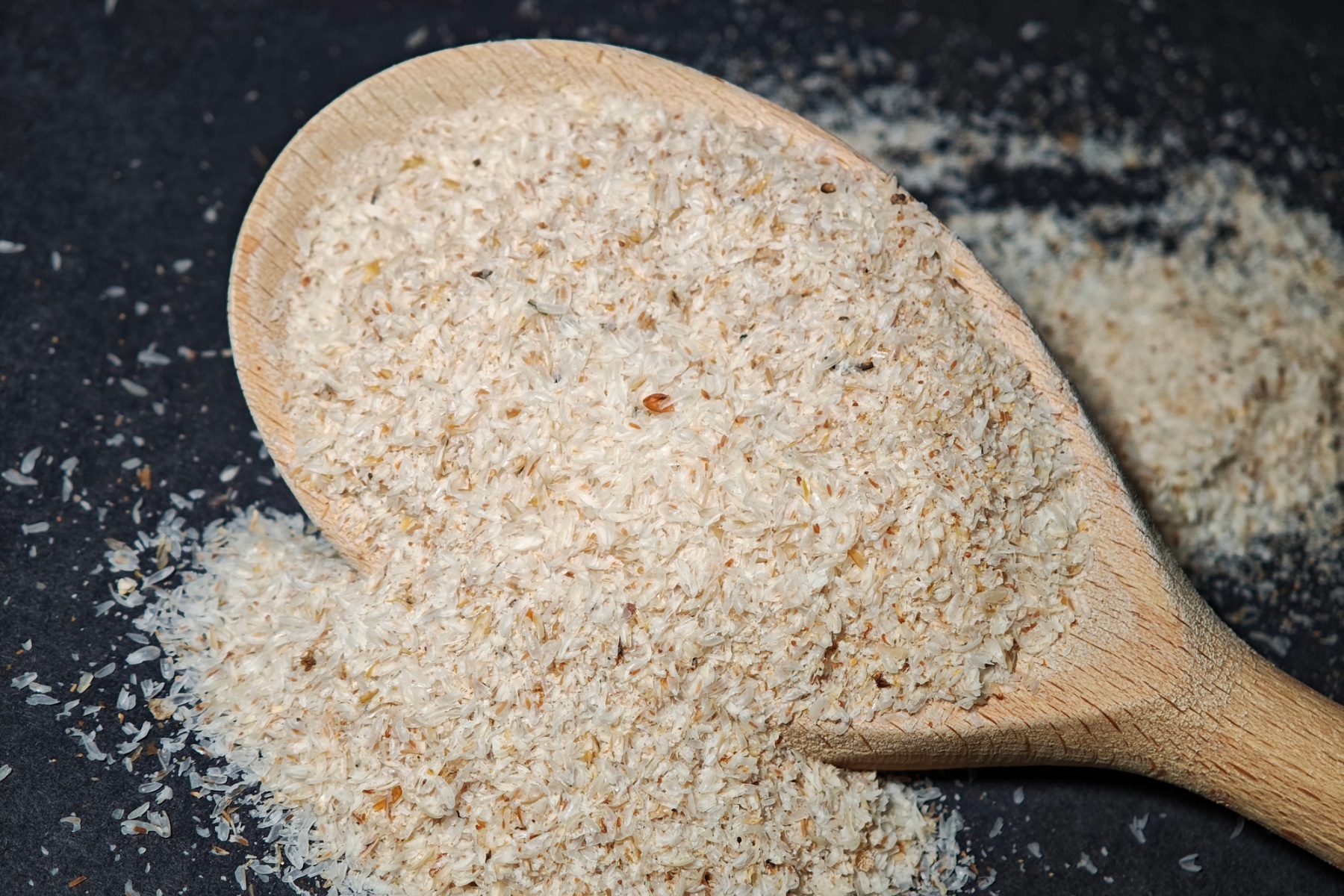
“In general, both soluble and insoluble fibre are useful,” Ravella clarifies. She recommends getting as much fibre as possible from whole plants, and only supplementing where necessary.
The key is to build up your fibre intake gradually. “Increasing fibre by around 5g a week can help minimise bloating and gas,” says Ravella. Whenever possible, she recommends getting fibre from whole plant foods rather than supplements, although psyllium supplements can be useful if you’re struggling to get enough through your diet.
As for which foods to add to your next shopping list: “Kiwifruit, prunes, and coffee can help by increasing stool water or stimulating colon contractions,” says Kashyap. Rye bread, chia seeds and flaxseeds are all packed with fibre too.
3. Perfect your pooping posture
Modern toilets weren’t really built with our anatomy in mind. Sitting upright at a 90-degree angle, the way most Western toilets are designed, actually works against the body’s natural mechanics for going to the toilet.
Most experts recommend placing your feet on a small footstool while seated on the loo, so your knees end up higher than your hips – closer to a squat than a seated position. “This straightens the anorectal angle by relaxing what is called the puborectalis muscle, mimicking a squatting position and facilitating easier evacuation,” says Ravella.
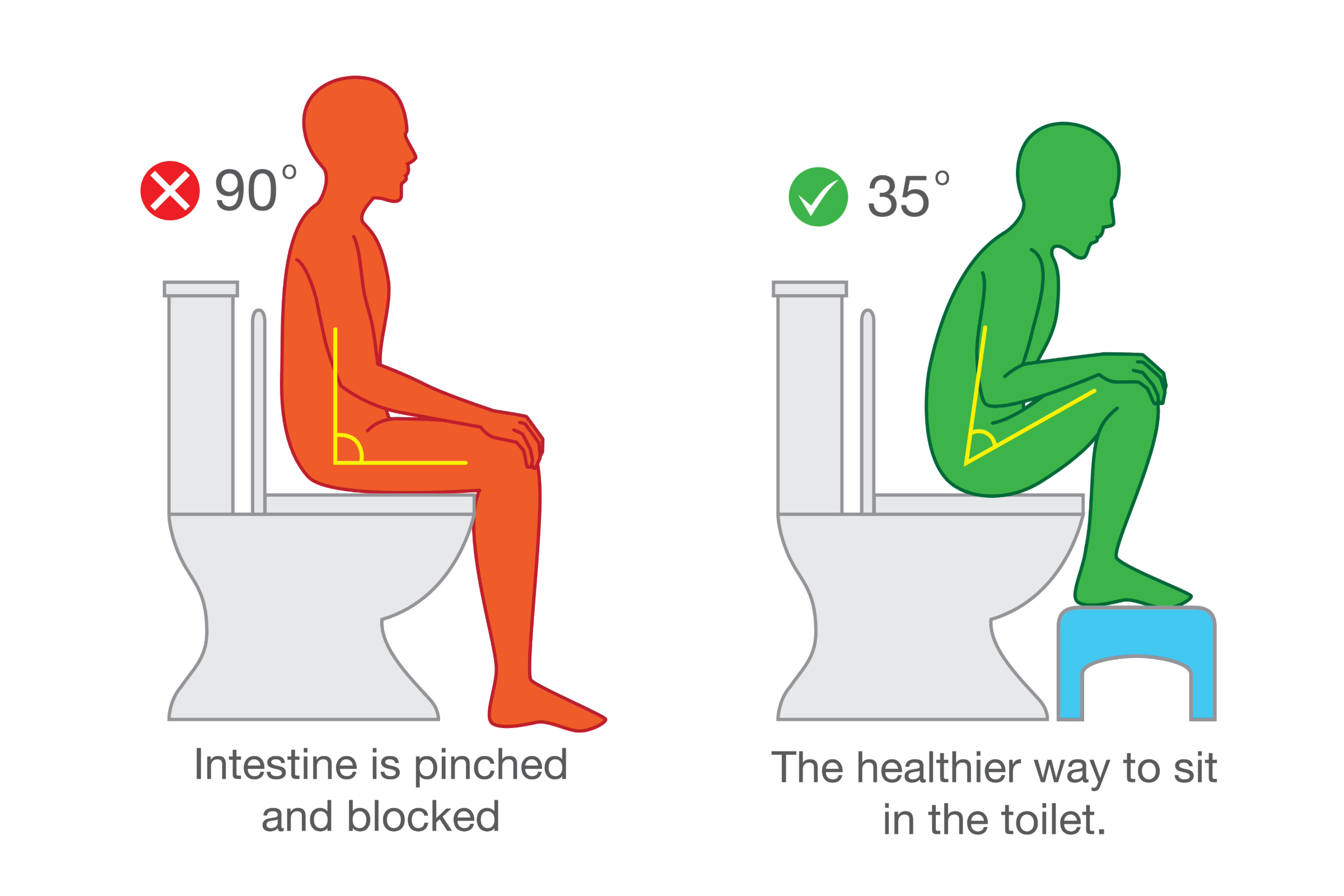
In plain terms: there’s a muscle that wraps around the rectum and kinks it slightly when you’re sitting upright, which is useful for staying continent the rest of the day but not so useful when you’re trying to go. Raising your knees above your hip level relaxes that kink, straightening the path out and making it easier to pass stool with less straining.
You don’t need a specialist product to try this – a stack of books or a low stool under your feet works just as well as a dedicated toilet stool.
4. Exercise regularly
Exercise is good for you: groundbreaking, we know. But it really does seem to help keep things moving. Research suggests people who exercise regularly are around 31 per cent less likely to experience constipation than those who don’t.
The encouraging part is that you don’t need to run marathons for this protective effect. Around 20–30 minutes of moderate exercise – such as brisk walking, cycling or yoga – on most days of the week appears to offer the greatest protection.
“While exercise alone may not fully resolve established constipation, patients typically report improved quality of life and reduced symptom severity, and sedentary lifestyles are a recognised risk factor for constipation,” says Ravella.
5. Stay hydrated

Drinking more water alone isn’t enough to relieve constipation if you’re already well hydrated. But it becomes much more important when you increase your fibre intake.
“Without sufficient fluid, added fibre can paradoxically worsen symptoms,” says Ravella. “One small study showed that increased water intake coupled with appropriate daily fibre intake improved stool frequency.”
In other words, fibre without water can backfire. As you work toward that 25–38g target, Ravella recommends keeping a water bottle within reach and sipping on it steadily through the day, rather than saving it all for one sitting.
6. Speak to your doctor
Most constipation is a passing nuisance – annoying, but not something to lose sleep over. The distinction worth knowing is between occasional and chronic: if it’s been going on for weeks, or keeps coming back, that’s the point to stop self-diagnosing and get it looked at.
Quite simply, the sooner you seek support for chronic constipation, the easier it is to treat.
“Your doctor can determine whether you have an underlying condition such as hypothyroidism, diabetes, neurological disease, pelvic floor dysfunction, or slow-transit constipation,” says Kashyap.
“They can also review medications, many of which can cause constipation, and determine whether additional testing is needed.”
It’s also worth flagging any new or unusual symptoms alongside the constipation itself – unexplained weight loss, blood in your stool, or a persistent change in bowel habits that doesn’t match your normal pattern are all reasons to see a doctor sooner rather than later, even if the constipation itself feels mild.
If constipation occurs occasionally, such as during travel, Kashyap recommends seeing your local pharmacist for an over-the-counter stimulant laxative.
Read more:
