
When Bryce Martinez was growing up in Warrington, a small suburb in Pennsylvania, his days were filled with all sorts of delicious snacks: Jell-O, Oreos and Pop-Tarts, among others.
But in 2022 his doctor delivered some devastating news: Martinez, then 16, had developed type 2 diabetes and non-alcoholic fatty liver disease.
Aggrieved, the teenager decided to take the matter to court. Two years later, he sued Kraft Heinz, Coca-Cola, Nestlé and eight other ‘Big Food’ companies, accusing them of deliberately engineering and marketing ‘addictive’ products to children, causing chronic disease.
The first-of-its-kind case cited alarming statistics: ultra-processed foods – those high in sugary, salty, savoury, creamy or crunchy qualities – now make up 55 per cent of the US diet, climbing to 67 per cent among teenagers.
Similar figures are reported in the UK, at 57 and 66 per cent, respectively. And all around the globe, consumption of ultra-processed foods is on the rise.
It’s an alarming trend, given that scientists have linked such diets to obesity, cancer, mental disorders, cardiovascular disease, dementia and early death.
Martinez lost his case, though, with the judge ruling there wasn’t sufficient evidence to prove that his consumption of the companies’ products directly caused his illnesses.
But the case “creates more questions than it answers,” says Prof Emily Broad Leib, who heads Harvard University’s Center for Health Law and Policy Innovation.
In particular: can ultra-processed foods be truly addictive, in the same way as alcohol and cigarettes? It’s a complex question – one that researchers have grown increasingly interested in over the past 15 years.
“Back then, the idea was very controversial,” says Dr Ashley Gearhardt, a clinical psychologist who studies addiction at the University of Michigan. She recalls being heckled at a conference in 2017 for suggesting that some foods may act as addictive substances.
“Today, there’s much broader recognition that ultra-processed foods can be addictive,” she says, “though debate continues about the mechanisms and policy implications.”
A whole new level
Humans have been processing food for millennia, and almost all food is processed to some extent.
“For the history of humanity, we’ve been preserving foods in various ways: drying, salting, cooking and so on,” says Prof Peter Rogers, a psychologist who studies nutrition and behaviour at the University of Bristol.
“Processing has helped us preserve our food during times of food scarcity,” adds Prof Giles Yeo, a geneticist at the University of Cambridge who studies obesity. “It’s kept us alive, improved the safety of our food and so on.”
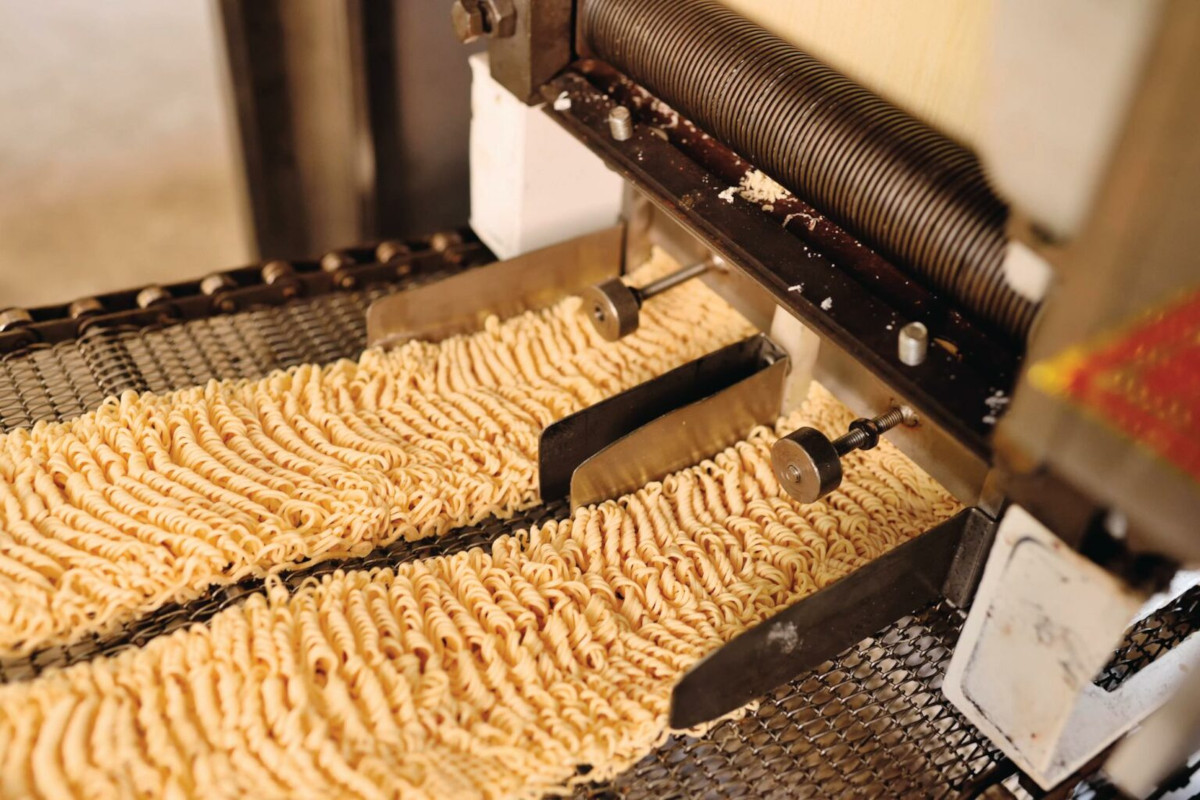
But ultra-processing takes things to a whole other level by producing food industrially using ingredients and methods not available in home kitchens. Ultra-processed foods are typically high in refined carbohydrates and/or added fats.
They include sodas, pastries and cakes, breakfast cereals and supermarket bread, sausages and burgers, instant noodles and ready meals – just to name a few.
Nutritional epidemiologist Prof Carlos Monteiro at the University of São Paulo first coined the term in 2009, to describe a category of food he and his team believed was responsible for the rising obesity epidemic in Brazil.
But in reality, ultra-processed foods began to permeate our food supply long before that, becoming mainstream after the Second World War and surging in the 1980s.
“You’ve got more and more people to feed in the world, and people wanting to spend less… so companies set out to make better-tasting, longer-lasting and cheaper food,” explains Yeo.
The solution that various ‘Big Food’ companies came up with was to replace the molecules that give traditional foods their taste and texture – namely fats, proteins and carbohydrates – with cheaper, often synthetic, substitutes.
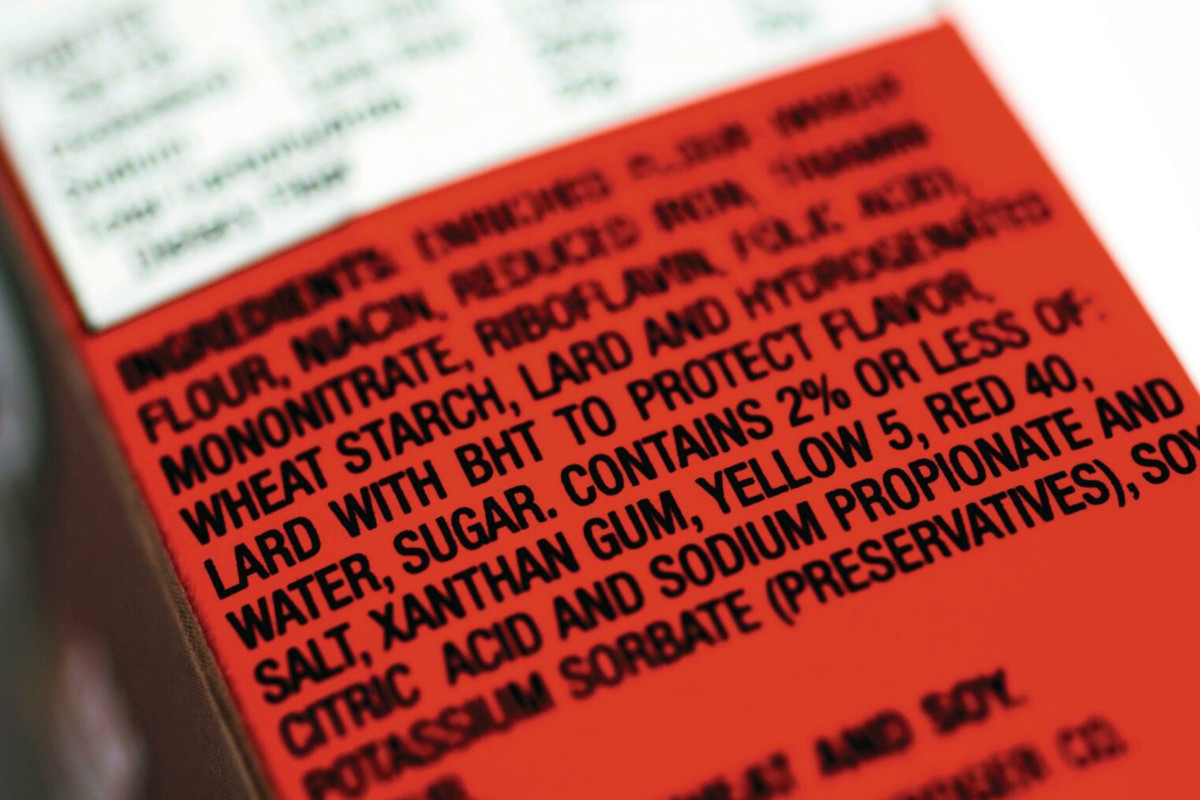
What that means in practice is they took high-fructose corn syrup, modified starches and seed oils, plant protein isolates and other alternatives, then chemically modified and combined them (using techniques such as hydrogenation, extrusion and pre-frying), before sprinkling in additives (such as preservatives, colourants, emulsifiers, sweeteners, stabilising gums and carbonating agents) to finish things off.
The result? An array of novel, long-lasting and hyper-palatable products with cheap price tags and enticing packaging.
It’s not all bad
But how can you be addicted to food, some people ask, especially when you need it to survive? The fact that we’re drawn to foods high in fats, sugars and calories has helped ensure our survival as a species.
Plus, it would be wrong to demonise all processed foods. Some – like infant formulas, fortified flour and iodised salt – can be beneficial for health, providing valuable nutrients and protecting us from harmful diseases such as rickets, goitre and even type 2 diabetes.
Some processing is also essential to safeguard us from harmful bacteria. “For example, pasteurised milk undergoes a lot of processing, but it would be crazy to suggest that people drink unpasteurised milk,” says Rogers.
Others argue that food is so varied and contains such a wide range of molecules that scientists have yet to pinpoint a specific chemical that’s responsible for food addiction – unlike cigarettes (nicotine), booze (ethanol), caffeine and opioids.

“We don’t have a specific molecule found in food, as has been described for substance-use disorders,” says Prof Jônatas Oliveira, who studies eating disorders at the University of São Paulo.
Those on the other side of the food addiction debate, however, contend that ultra-processed foods shouldn’t be considered real food.
“We’ve started eating substances constructed from novel molecules and using processes never previously encountered in our evolutionary history, substances that can’t really even be called ‘food’,” writes Dr Chris van Tulleken, a professor of infection and global health at University College London, in his best-selling book Ultra-Processed People.
What’s more, you can’t just boil things down to a lone addictive substance, says Gearhardt. Take people hooked on gambling or social media, for instance. “We know that addiction does not hinge on a single chemical,” she says.
“Addiction is far more complex than that.”
Read more:
- Here's how ultra-processed foods actually change your lifespan – major new study
- Cognitive decline 12 per cent less likely if you avoid ultra-processed foods, study suggests
- Why the worst foods for weight gain aren't what you think
Engineering ingenuity
In fact, Gearhardt and others believe that it’s precisely the multitude of ingredients present in ultra-processed foods that makes them so hard to resist. Flavour and texture additives, for instance, boost sweet and savoury tastes, as well as mouthfeel.
They’re even on some packaging, says Gearhardt, especially those of frozen foods. Some manufacturers, for example, lace ice-cream wrappers with a caramel scent. “So you get one big burst of aroma before you’ve even eaten it,” she says.
Food companies are able to engineer nearly every aspect of our taste experience, adds Gearhardt.
“They can manipulate things down to the molecular level,” controlling factors like how rapidly substances get into your system and how “different sensory properties burst at different times as you chew.”
Another ploy: they’re able to make foods soft and easy on the palate. As van Tulleken writes: “This means you eat [them] fast, which means you eat far more calories per minute, and don’t feel full until long after you’ve finished.”
This was demonstrated in a small-scale experiment conducted in the US.
Researchers found that when 20 adults were offered an unlimited amount of ultra-processed foods for two weeks, they consumed 500 more calories daily – and put on significantly more weight – as compared to when they were on a diet comprising only unprocessed foods for the same amount of time.
But what really packs an addictive punch, says Gearhardt, is the way in which ‘Big Food’ firms combine ingredients in specific ratios of fat, salt and sugar – combinations that don’t occur in nature – creating a ‘bliss point’ that makes it hard to stop eating.
“If you look at foods that exist in nature, they very rarely, if ever, deliver high levels of both carbohydrates and fats,” she says.
Real foods usually fall into one camp or the other. Avocados and nuts, for instance, are high in fat, but low in carbs; sweet potatoes and bananas are the opposite. That’s partly why people don’t find themselves scoffing these things down.
In an online survey conducted in the US in 2019, volunteers were shown pictures of 24 foods from three different categories: combo foods (with equal amounts of carbohydrate and fat), high-carbohydrate foods or high-fat foods.
Participants consistently indicated their preference for combo foods, rating them as more desirable.
An earlier experiment, conducted by a separate team of researchers in Germany, came to a similar conclusion.
Participants who were shown pictures of foods, matched calorie-for-calorie, across the three different categories and told to bid up to five euros for those they preferred placed more money on those that were high in fat and carbohydrate.
When researchers used fMRI scanners to study what was happening in the volunteers’ brains during the bidding process, they noticed that the brain areas involved in reward and decision-making lit up more strongly when shown a combo food.
“When you deliver a concentrated hit of carbs and fats, particularly in high doses [like you find in ultra-processed foods], that appears to really activate the body,” says Gearhardt. “It has a super addictive effect on the reward centre of the brain.”
Triggering the brain’s reward centre
“Basically, the dopamine system gets over-activated” by ultra-processed foods, which is “very different to what happens when we eat real food,” says Dr Nicole Avena, a neuroscientist who studies food and the brain at the Icahn School of Medicine at Mount Sinai in New York City.
Dopamine – the neurotransmitter that motivates us to do things we think will bring us pleasure – surges when ultra-processed food is consumed.
Animal studies have demonstrated this, as have a few human experiments.
A small study published in 2025, for instance, found that when 50 healthy young adults were given a high-fat, high-sugar ultra-processed milkshake to drink, more than half showed a small dopamine increase 30 minutes later.
Although the increase wasn’t statistically significant, the authors noted that the PET scans used don’t measure tiny changes very well, and it’s likely that more participants experienced spikes than were detected.
Notably, the ‘responders’ rated the shakes as being more pleasant, and also wanted more of them. And several days after the brain scans, they ate nearly twice as many cookies at a buffet lunch compared with other participants.
In that regard, junk food shares many similarities with drugs of abuse. “It hijacks the brain in the same way that drugs and alcohol can,” says Avena.
Both are also designed to deliver the rewarding substance to our guts, then brains, as rapidly as possible. “The most important thing in addiction is speed,” says Gearhardt.
“Nicotine patches have more nicotine in them than cigarettes, but because it’s released so slowly, they have lower addictive potential.”
In 2009, Gearhardt was part of a team that developed the Yale Food Addiction Scale.
They did this by taking the criteria used for assessing substance-use disorder – such as intense cravings, excessive intake and continued use despite harm – and translating it to food.
When Gearhardt and her collaborators applied the scale to a meta-analysis of 281 studies, they estimated that 14 per cent of adults and 12 per cent of children across 36 countries were addicted to ultra-processed food.
Gathering steam
The ultra-processed foods battle has now spilled over from the scientific arena to the legal one. The Martinez case, currently on appeal, “set a precedent,” says Broad Leib.
While previous cases involving ultra-processed foods mostly involved misleading labelling, this marked the first time things centred on whether “the food itself is causing harm to people,” she says.
Many in the non-addiction camp, such as Rogers, argue that it doesn’t. He says that while there’s plenty of evidence showing a correlation between ultra-processed foods and various conditions, the studies don’t establish that they result directly from consuming such foods.
“People who include a lot of ultra-processed foods in their diet are less healthy in a variety of ways” and frequently come from lower-income households, explains Rogers.
It’s hard to untangle the effects of wealth, lifestyle and confounding factors from that of junk food, he says.
Few, if any, large-scale randomised controlled trials – the gold standard for determining a definitive cause-effect relationship – linking dietary patterns with long-term health outcomes have been done. “There’s not enough information,” says Oliveira.
“Some biological mechanisms are known, but they involve an interplay of environment, learning and the food choice system itself.” This might explain why food addiction has yet to be recognised as an official disorder.
But the Martinez case has cracked a door open. “I imagine there’ll be others, especially as the science is emerging around ultra-processed foods,” adds Broad Leib.
Two similar private litigation cases have already been filed in Florida and Louisiana this spring against the same set of defendants.
Last December, San Francisco took things a step further, becoming the first US city to sue 10 food makers. It alleged they knowingly sell foods linked with a “dramatic increase” in chronic illnesses – a burden local authorities have had to shoulder in terms of public healthcare costs.
The case is ongoing and legal experts warn that this might just be the beginning, as others sit up and take note.
Leigh Day, for instance, one of Britain’s most prominent claimant law firms, revealed in February 2025 that it was exploring potential class actions against major food companies, although they’ve yet to take any legal action.
It’s a reflection of how governments are growing increasingly concerned about the ill-health effects associated with ultra-processed foods.
In 2025, the UK’s Scientific Advisory Committee on Nutrition called it “concerning” while the US moved to ban eight commonly used artificial food dyes. Roughly a dozen countries now refer to food processing in their dietary guidelines.
While people can take steps to eliminate ultra-processed foods from their diets – for example, learning to identify such products and swapping store-bought for homemade – many experts believe food addiction can’t be solved by individuals alone.
Governments urgently need to step up to tackle the problem and protect people from its potential harms, rather than delay action until the science trickles in.
This includes introducing tighter marketing restrictions and sales taxes, banning products in schools and slapping warning labels on ultra-processed foods (a move that has proven successful in Chile and Mexico).
Governments also need to create a healthier food environment by making real food options more “convenient, affordable and accessible” to families, says Gearhardt.
“Because right now, all the levers are rigged in the direction of ultra-processed food, rather than promoting the kind of real foods that humans evolved to find satisfying and nourishing.”
Read more:
