

Could doing less be better for your health?
The Global Wellness Institute predicts the wellness industry will be worth $9.8 trillion by 2029. The bigger it gets, the noisier it becomes, and while there is plenty of well-researched advice available on wellness, it can also be contradictory and overcomplicated.
Is protein the key to healthy ageing, or can too much accelerate its effects? Do cold plunges reduce inflammation, or does the body need post-exercise inflammation for adaptation? Is intermittent fasting the key to weight loss, or is it no more effective than conventional dietary advice?
Conflicting messaging around wellness can make taking care of your health feel like a chore. Is it time we turned down the volume on the advice we absorb and returned to a simpler approach to health and wellbeing?
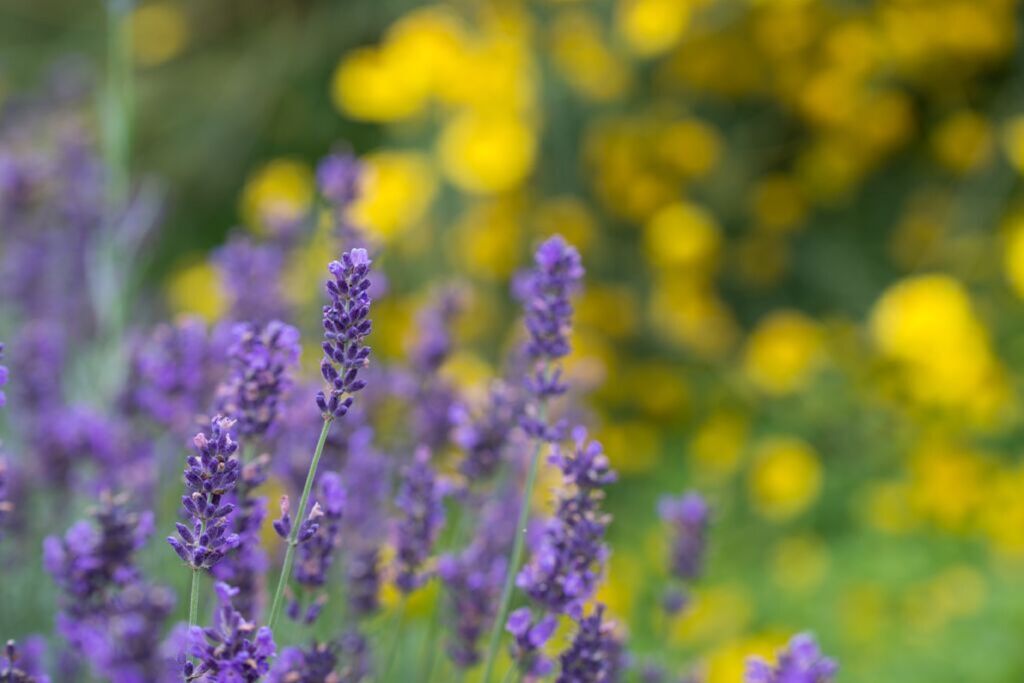
The science of simplicity
The issue of overwhelm often starts with the way health advice is delivered. Research shows simple is best when it comes to effective communication. Processing fluency describes how easily the brain can absorb and process information. When messaging becomes overcomplicated, its effectiveness can be reduced. A review published in the National Library of Medicine of 40 studies exploring effective health advice found that information that is easier to process, with limited key points and simple language, can increase willingness to change behaviour.

What actually matters?
While the way advice is communicated is important, conflicting advice creates confusion. Of course, there’s no simple formula for good health – our biology, environment, social circumstances and access to resources can all influence what’s effective. So, if we strip wellness back to the basics, what are some of the simple, evidence-backed approaches to well-being that actually make a difference?
Spend time in nature
The physical and mental health benefits of spending time in nature are well researched, with studies linking exposure to green space with outcomes including stress, mood and mental wellbeing. A 2025 meta-analysis found that shorter, repeated periods of exposure were associated with positive effects, suggesting that even relatively brief encounters with nature may be beneficial.
Sleep matters
The brain and body are hard at work while we sleep. Biological processes involved in memory, metabolism and emotional regulation continue as the body restores and repairs itself. Research suggests that maintaining a regular sleep pattern is associated with better health outcomes, raising the question of whether getting the basics right may be more important than obsessing over sleep optimisation.
A regular bedtime routine can be beneficial, perhaps with an evening brew of Pukka’s Night Time blend as part of a nightly ritual.
A happy digestive system
Gut health has moved into the mainstream wellness conversation, with Giulia Enders’ 2014 book Gut: The Inside Story of Our Body’s Most Underrated Organ helping to bring the subject to a wider audience. Researchers continue to investigate the complex relationship between the gut microbiome, diet and human health.
Plant compounds are one area of interest, with research exploring how ingredients such as peppermint and ginger may affect the digestive system, and some studies suggesting potential benefits for specific digestive issues. Tea offers a simple way to bring herbs into an everyday ritual, with Pukka’s blends combining ingredients such as peppermint and ginger.
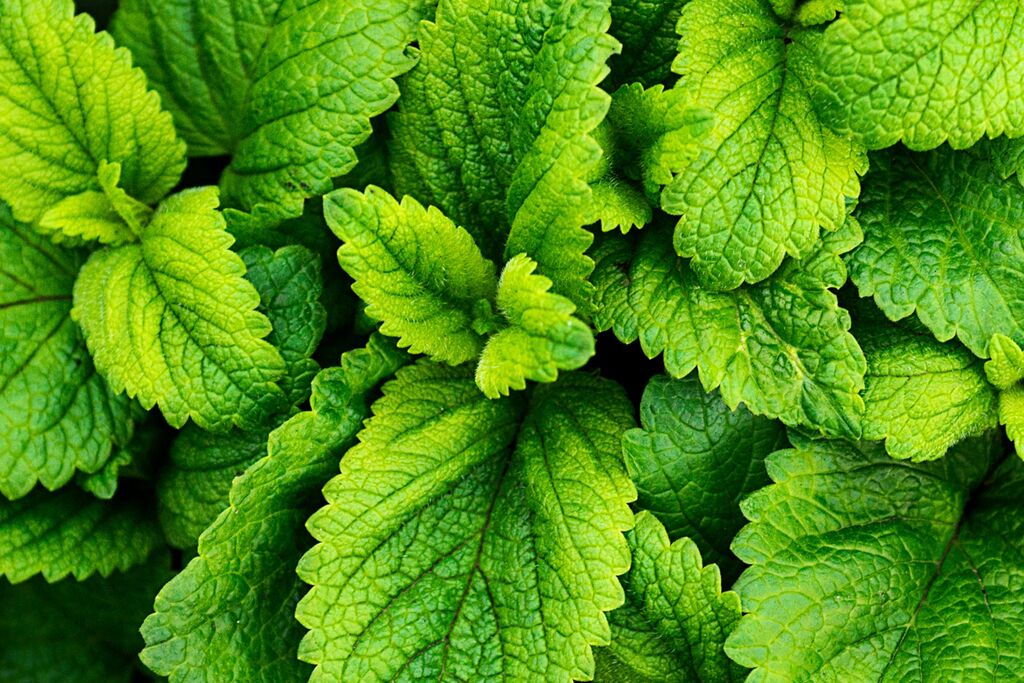
Simple is best
Pukka believes wellness doesn’t need to be complicated and it aims to make everyday self-care simple, bringing the power of herbs into easy, enjoyable rituals, from winding down to supporting digestion. When it comes to everyday wellness, simple solutions can make a big difference.
