
Chuck Collins was always acutely aware of how money can distort a person's perspective on the world.
Growing up as a direct descendant of the business magnate Oscar F Mayer, a figure who made a fortune in the meat-processing industry in the late 19th and early 20th centuries, money's distorting effects were unavoidable.
“Extreme wealth is a disconnection drug,” says Collins, now in his early sixties. “It separates you from a world of reciprocity, of connection, of vulnerability, which I think is part of the human experience.”
As an heir to the Mayer fortune, Collins became familiar from a young age with the shadowy web of advisers and managers who assist the ultra-rich in preserving and increasing their wealth.
He describes this as an industry that, whether through investments or identifying suitable loopholes in the tax system, is dedicated to widening the disparity between the rich and the rest of society.
Such disparities were all too visible to him as a teenager in 1970s Detroit, a Midwestern American city with a visible and burgeoning gulf between the affluent suburbs and the rest of the population.
It was a time when ‘the great wealth boom’ of the past half-century, as Collins describes it, was already underway.
Yet despite being born into money, he felt unease and discomfort when listening to justifications of tax avoidance and societal disparities.
“I could see how the numbers affect a person’s internal values,” he says. “Extreme wealth can undermine the humility check that most people have, which is having some doubt.
"Instead, there are people who feel that since they have all this money, they must be the smartest person in the world. And you see people who believe they’re superior to others, even though they simply inherited their wealth.”
Collins vowed to opt out of the system when he became an adult and went on to make headlines by publicly renouncing his inheritance.
Instead, he launched his lifelong career in inequality research, starting in housing reform before becoming a key figure in the Patriotic Millionaires movement.
This network brings together rich Americans to campaign for greater wealth and inheritance taxes, along with a higher minimum wage.
“It’s people saying, ‘We should pay our fair share as opposed to dodging our taxes,’” Collins says. “It’s not in anyone’s interest to keep going down this road [of greater inequality].”
He describes this mission as more important than ever, especially in a world where the wealth of billionaires jumped by over 16 per cent in 2025, despite a widespread cost of living crisis.
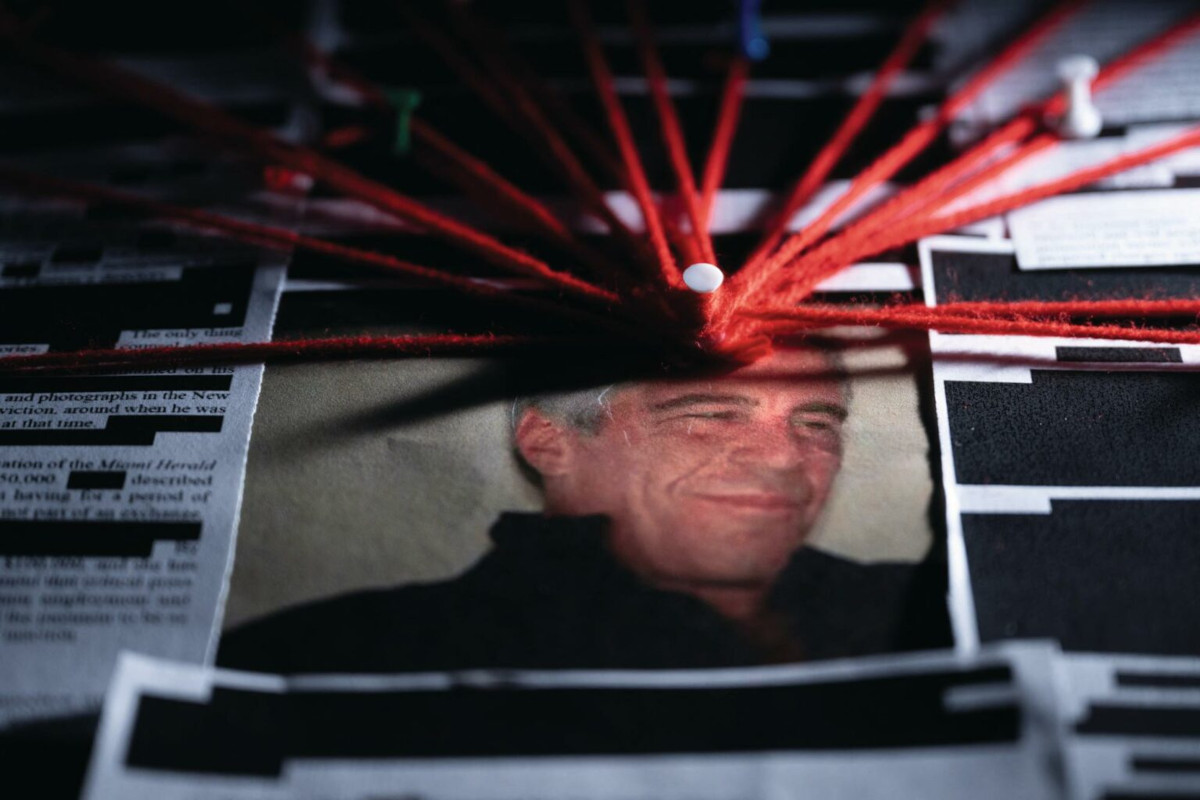
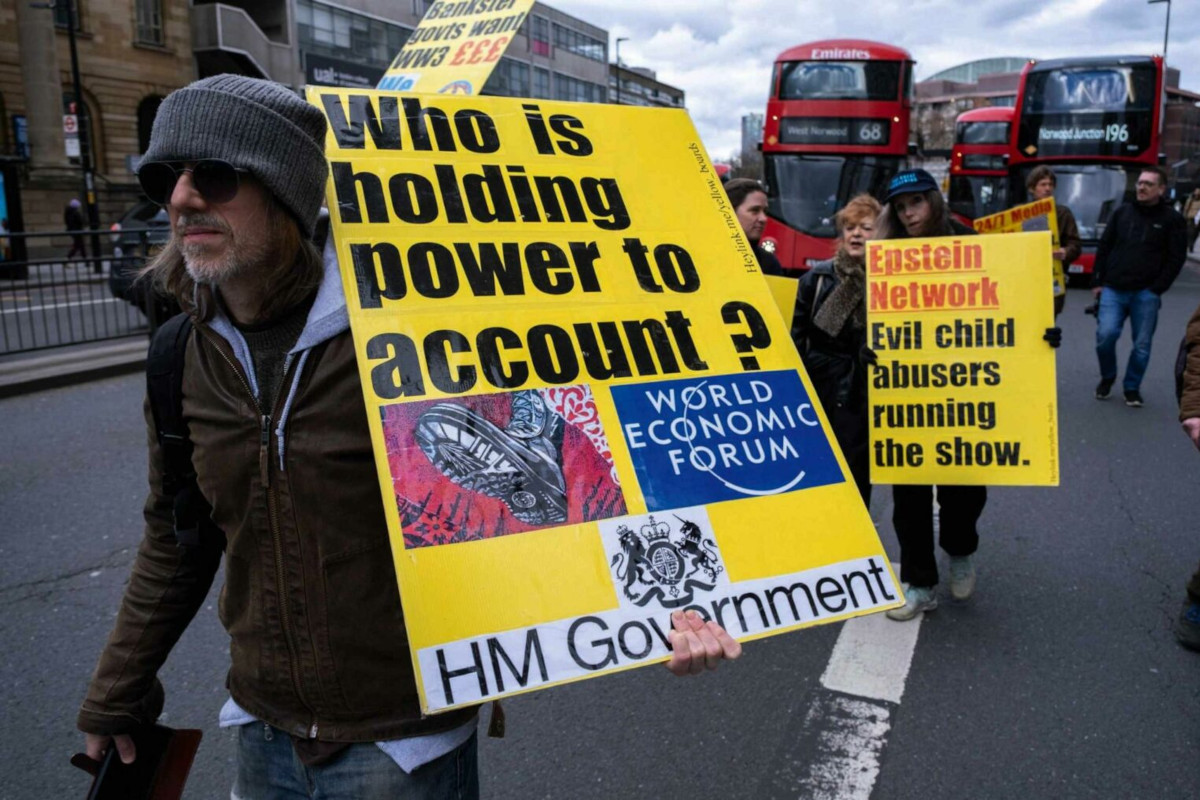
The dark side of wealth accumulation has also been brought to the fore through the many disturbing revelations within the Epstein files.
The troves of documents relating to the paedophile financier have highlighted how so many of the world’s wealthiest people have been accused of participating in or turning a blind eye to the systematic abuse and trafficking of young women.
Collins says that this serves as an example of how concentrated wealth and unaccountable power can fuel exploitation.
“When there’s this sense of unchecked power, this happens,” he says. “Without any societal checks, you can come to think you’re above the law, and so you behave differently.”
But what do we know from science about why money can shape a person’s values and thinking for the worse? Psychology can offer some answers.
Pass go
Collins’ depictions of the societal disconnect caused by extreme wealth have been backed up by various studies over the past two decades.
Back in 2010, a group of psychologists found that people of lower economic status tend to be more adept at reading facial expressions – an important tool for understanding empathy and compassion – than wealthier people.
Other pieces of research have since shed more light on the sense of entitlement that can accrue in those with wealth and privilege, a phenomenon that springs to mind when reading the Epstein files.
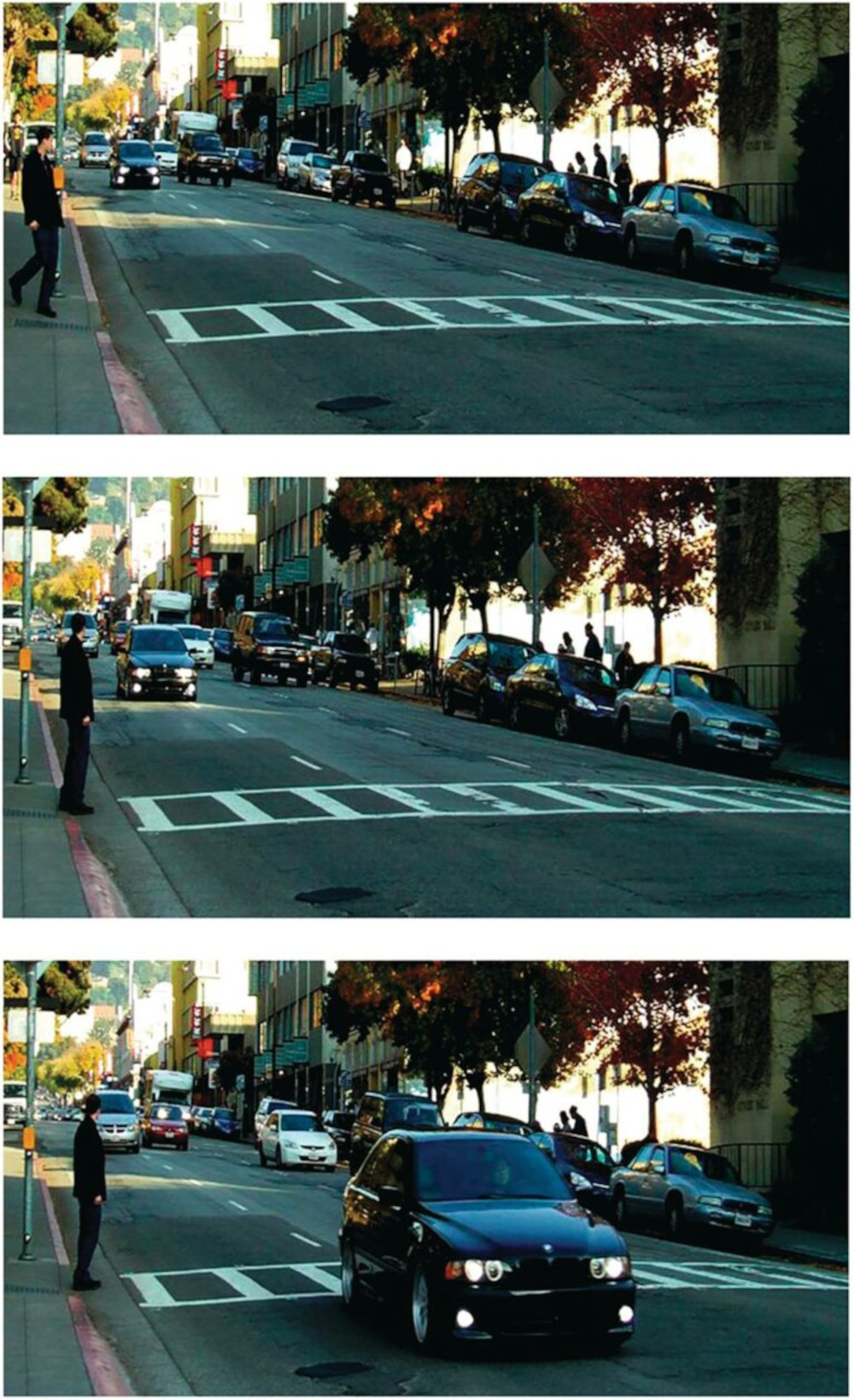
One study, carried out by psychologists at UC Berkeley, in the US, revealed signs of this on a far smaller scale. They used San Francisco traffic data to examine which drivers were more likely to ignore the legal requirement of stopping for pedestrians at a crossing.
It showed that drivers of luxury cars were four times less likely to stop compared with those in cheaper vehicles.
Prof Michael Kraus, a social psychologist at Northwestern University, in Illinois, says that this propensity for blatantly flouting social norms can be partially attributed to the ‘bubble effect’.
Whereas most people acquire a code of behaviour gained through social integration, whether at the coffee shop, supermarket or train station, the wealthy move in their own exclusive circles. “Really wealthy people can escape all that,” says Kraus.
Psychologists have also attempted to model how the acquisition of money – for example, through business success or winning the lottery – can change a person.
They did this with an experiment known as the ‘rigged Monopoly experiment’. It works like this: two people play the popular board game, but one starts with significantly more money than the other.
What the psychologists saw was that the overwhelming financial advantage swiftly translated into a sense of superiority. After an initial awkwardness, the richer player soon began acting with increasing aggression, moving their pieces more loudly and even taunting the other player.
Similar behavioural traits have been observed by primatologists studying how chimpanzees assert social dominance.
With money being one of the primary measures of status among humans, evolution may explain why some wealthy humans find ways to aggressively assert their societal position.
Kraus believes that such primal behaviour is exacerbated by capitalism, a system built around monetisation, beating competitors, extracting value and continued growth at all costs.
“It shouldn’t be surprising that the people at the top of our economic system, the ‘winners’ of this system, tend to be less prosocial,” he says.
Read more:
- Can money bring happiness?
- How to save money with science
- How much money is estimated to exist on Earth?
The triad and the treadmill
Dr Robin Schrödter, an experimental psychology researcher at RPTU University Kaiserslautern-Landau in Germany, is at pains to point out that wealth alone isn’t a good predictor of someone’s moral compass.
Instead, he says that a group of personality traits dubbed the ‘dark triad,’ which includes Machiavellianism (the willingness to manipulate people for personal gain), narcissism and psychopathy, are much stronger determinants of whether someone will end up using their financial position to exploit others.
As well as Epstein, one renowned example of the dark triad in action is the tale of financier Bernie Madoff, the mastermind of the world’s biggest Ponzi scheme.
Madoff manipulated his family into helping him run the scheme, which defrauded investors of an estimated $65 billion.
“People with a higher score in the dark triad of personality [traits] are more likely to try to obtain money through antisocial or even illegal means,” says Schrödter. “And they’re more likely to seek unearned social status.”
In Collins’ view, a critical determinant of whether a wealthy person is more likely to display dark triad traits is the extent to which they recognise the element of good fortune in their path to riches.
Luck, he notes, has played a significant role for all the world’s billionaires, whether it’s being in the right place at the right time to exploit a market trend or being part of the ‘lucky sperm club’ of inherited wealth.
Yet people with narcissistic, Machiavellian or psychopathic traits are less likely to accept that and instead attribute their accumulated wealth more to their own innate genius.
“The wealthy are not monolithic, but I think the first step towards corruption is that you believe you’re worth more than other people,” says Collins.
“That you deserve your wealth because of hard work, intelligence and sacrifice. [Similarly,] if you’re poor and struggling, well you deserve your sorry state.”
Intriguingly, Schrödter believes that dark triad traits are more likely to be influenced by a person’s environment than their biological makeup or genetics.
This is echoed by psychologists who suggest that certain working environments – investment banking, for example – may amplify dark core personality traits, fuelling and encouraging this kind of behaviour.
“Some corporate environments may reward self-promotion (or narcissism) and Machiavellian strategic manipulation, and require low empathy – a psychopathic trait – for survival,” says Dr Colleen Addicott, a psychologist at the University of Hertfordshire.
“In any group of high-performing corporate professionals, behaviours will vary, but when certain behaviours are rewarded, they inevitably become more common.”
At the same time, such traits may also be exacerbated by the ‘hedonic treadmill’: the idea that people return to a baseline level of happiness after any major positive or negative changes in their lives.
In this instance, if you’re not happy already, it means no amount of wealth is going to make you happy. The research bears this out.
But it has also found that for some ultra-rich people, the continual pursuit of wealth (in the hopes of boosting happiness) can become a compulsive behaviour, leading them to focus on the acquisition of money, even if that comes at the expense of other, less fortunate people.
“The hedonic treadmill is real,” says Kraus. “What we think of as enough to live on changes as our money grows, and so there can be a psychological need for more, even among those with the most.”
Bribing the brain
But while money can corrupt a person, that doesn’t necessarily mean it will. For all the cases of Epstein and his associates, there are examples of rich people who have used their money and influence for good causes.
One example is the billionaire retailer Ted Stanley who, beginning in the late 1980s, gave hundreds of millions of dollars to fund research into bipolar disorder and schizophrenia.
“For every ultra-wealthy person who wants to control the world and monetise everyone in it, there’s a wealthy person who wants to empower important causes, like Mackenzie Scott, or a person who wants to protect democracy, like JB Pritzker,” says Kraus.
Addicott agrees. “When you look at a group of wealthy people, there’s likely to be a wide range in behaviour, from philanthropy to corruption,” she says.
One emerging explanation for whether a particular person is more likely to use their wealth for good or bad may lie in the brain.
In 2021, a group of neuroeconomists in France set out to understand why certain people are more willing than others to violate moral or social norms in return for money.
Through examining patterns of neurological activity when a person in a position of power was contemplating whether to accept or reject a bribe, they found that two parts of the brain appeared to play an important role.
One, located deep within the anterior insula (a region in the centre of the brain that’s involved in processing social emotions like disgust and empathy) appears to be particularly influential in giving someone the self-control to reject a bribe.
The same is true for the other part – a signalling pathway that connects the ventromedial prefrontal cortex and the dorsolateral prefrontal cortex, two subregions in the front of the brain.
Dr Jean-Claude Dreher was part of the team of neuroeconomists behind the research.
He explains that when this signalling pathway is more active, not only are people less likely to accept a bribe, but they’re also more likely to see it as morally inappropriate, especially when the action might harm someone.

When Dreher and his colleagues used targeted electrical stimulation to disrupt the patterns of brain activity in the dorsolateral prefrontal cortex, however, participants were much more likely to override their qualms and accept the bribes.
“These findings suggest that the dorsolateral prefrontal cortex plays a dedicated role in ethical behaviour,” says Dreher.
These two parts appear to act as regulators on our behaviour when temptations arise. And while they don’t know if it’s down to nature or nurture, scientists now believe that some people are less capable of engaging these parts.
Such people are less concerned about the impacts their choices have on others.
More research is needed, but in the cases of the ultra-wealthy, it offers a deeper explanation for why the combination of money and power can drive them to exploit other people.
For Collins, such discoveries simply add more weight to what he views as the need for a more progressive tax system, one that works harder to prevent extreme wealth inequality.
“The wider public needs to understand how concentrated wealth and power really undercut everything we care about, whether that’s health, democracy or the environment. I think that awakening is happening,” he says.
“The next two years are going to be really interesting. Our job as Patriotic Millionaires is to encourage and champion that discussion.”
Read more:
