
There are many perks to working from home, and those of us who’ve spent the last few years wearing pyjamas below the desk might argue that our work-life balance has benefited from them.
We’ve saved thousands on posh suits, petrol and public transport, and anyone with young kids has been able to collect them from school without having to rush home. Better still, your lunch never mysteriously goes missing from the fridge when it’s in your home kitchen.
Now, however, our bosses seem increasingly eager to get us back in the office – often because they think working from home (WFH) is bad for productivity. But while that’s not necessarily true, new evidence suggests that their appeals to return might actually be in our best interests.
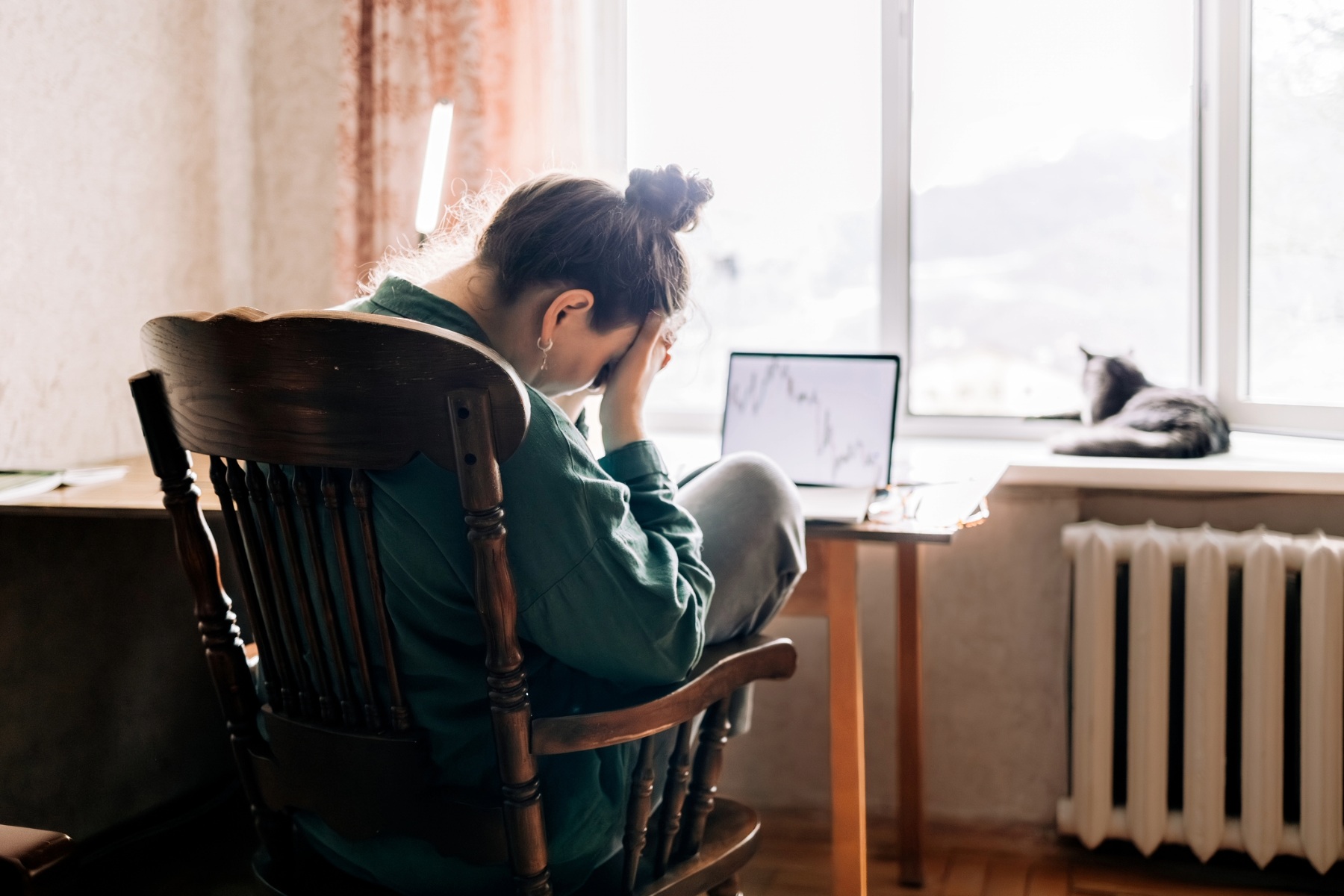
That’s because a recently published study of over half a million Americans has linked WFH to poorer mental health. The authors of this ‘Home Alone’ study, published in Science in June, say this is due to how much time remote workers are spending on their own.
“People value remote work and think that it’ll improve their mental health,” says Prof Emma Harrington, one of the ‘Home Alone’ study’s authors and an economist at the University of Virginia. But her and her colleagues’ research suggests it “substantially increases isolation and worsens mental health”.
Other experts, meanwhile, argue we should look at the bigger picture, pointing to wider evidence that takes in hybrid schedules and how remote working helps people with disabilities.
So, should we all be rushing back to the office for the sake of our mental health?
Alone time
The ‘Home Alone’ study focused on people in ‘remotable’ jobs – jobs that can be done from home, such as software engineering and marketing – between 2011 and 2024. The researchers excluded the peak years of the COVID-19 pandemic, 2020 and 2021, to rule out effects related to the lockdowns.
But the results still show a bigger increase in mental health problems and time spent alone in remoteable jobs compared to ‘non-remotable’ jobs, such as nursing.
Mental distress, appointments with mental health professionals and prescriptions all increased more steeply in remotable sectors versus non-remotable sectors.
And while it’s hard to nail down isolation and loneliness as the causes, the vast majority (84 per cent) of people working in remotable jobs between 2022–2024 did spend their entire working day alone, compared to just 23 per cent in non-remotable jobs.
Mental health effects were magnified in those living alone, who were 10 times more likely to spend their entire working day alone and 13 times more likely not to have any human contact at all.
However, we should exercise caution when drawing conclusions about WFH from just one study, says Dr Jane Parry, co-director of the Work Futures Research Centre at the University of Southampton in the UK.
Parry acknowledges that “badly managed” remote work can lead to people becoming isolated or overworked, but points out that “remote working experiences vary widely depending on people’s circumstances, the quality of management and how work is organised.”
Although there’s broader evidence that WFH can cause mental distress, as well as conflicts in work and family life, there’s also solid research showing it can have benefits for wellbeing. For example, one widely cited trial, conducted between 2021 and 2022, followed 1,612 people at the Chinese travel technology company Trip.com.
It found that those assigned to work from home two days per week rated their work-life balance, as well as their satisfaction with their job and life, more highly than those assigned to spend all week in the office. They were also less likely to quit and were no less productive.
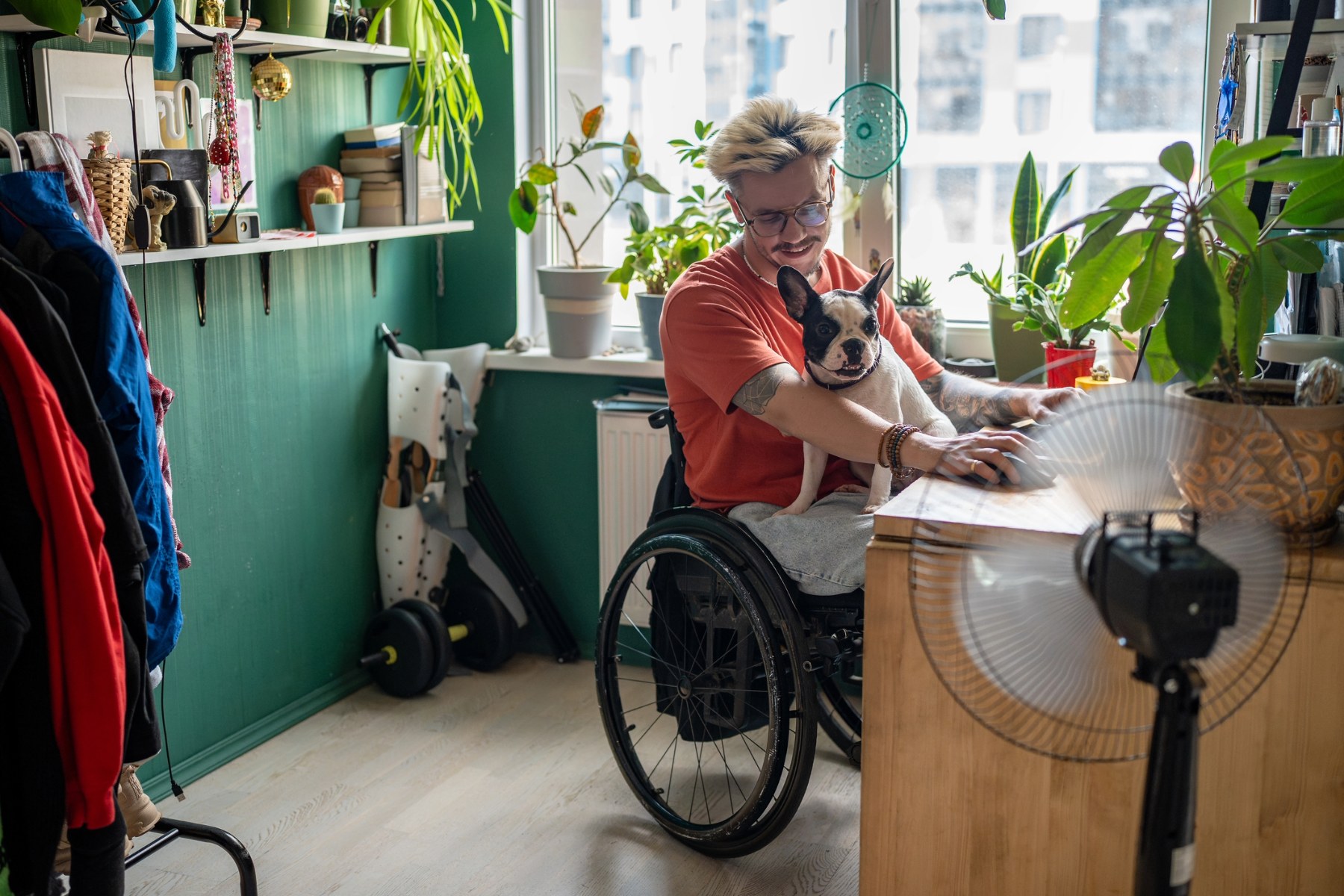
Furthermore, a recent UK House of Lords report highlighted important benefits of WFH for those with disabilities and long-term health conditions.
“Remote working can make it easier to manage medical appointments, therapies, fatigue, pain, mobility issues and sensory issues,” says Parry. “For some workers, remote working removes barriers that would otherwise make employment difficult or impossible.”
Increasing demands
A key problem with most studies on remote working and mental health is that cause and effect can get mixed up. That’s because people with any health challenges, including physical issues and mental health issues such as neurodiversity or anxiety, may choose to stay home.
So, in studies of people who have chosen their own working situation (unlike in the Trip.com trial), it could look like remote working leads to poorer mental health, when in some cases, it’s the opposite.
What’s different about the ‘Home Alone’ study is that it sidesteps this problem with its ‘remotable’ category. Rather than showing that people who choose to work from home have worse mental health, it shows mental health has worsened, on average, across remotable sectors, regardless of where the people working in those sectors have chosen to operate.
The downside of the approach is that it doesn’t differentiate between WFH or the office, or between fully remote and hybrid working.
Harrington argues the approach is useful because it shows the broader impact of remote working, beyond those who choose to work from home.
“When one person is out of the office, it impacts people who remain in the office,” she says. “So even an on-site worker in a remotable job may now be lonelier because their colleagues choose to work from home.”

However, Dr Daniel Wheatley, an expert in remote and hybrid working at the University of Birmingham, in the UK, questions whether it’s WFH per se that’s affecting mental health or the increasing “intensity” in remotable sectors. He suspects it’s more likely to be that people in remotable sectors are having to squeeze more into their working day than ever.
“We know that those people are having to work harder,” he says. “There’s an increased focus on the components of work that create outputs rather than the components that might allow them thinking time or to move between activities.”
So, could it be that back-to-back meetings, the rise of monitoring software and fewer coffee breaks are affecting people’s mental health, rather than the absence of their work colleagues?
According to Wheatley, it’s too soon to tell, even though, on balance, the evidence regarding remote and hybrid working suggests there are more benefits than risks associated with WFH.
And while the Home Alone study does cover some of the post-pandemic period, he notes that the effects won’t become clear until more time has passed. “We need to see how this plays out,” he says.
That said, both Wheatley and Parry believe hybrid working may offer the best of both worlds in terms of mental health. But that’s not to say it can’t be improved.
Parry’s own research highlights the importance of specific training for managers in how to handle and organise a team’s hybrid working.
This includes checking staff for signs they’re feeling isolated, but also ensuring that when people do come into the office they can “sit [with their colleagues] and that there’s space for them to have breakout discussions and to connect informally. That connection is part of workplace culture.”
The Home Alone study also highlights missed opportunities for making connections outside of the office when people work from home – especially considering the time gained from not having to commute.
“We found there was no meaningful increase in socialising after work hours,” Harrington says. “It would be wonderful if we converted time saved commuting into time spent nurturing communities outside of work.”
Read more:
