When the invite for the launch of the new electric Ferrari landed on my desk a couple of weeks ago, it felt significant. Momentous, even. But boy, did I underestimate just how important the Luce would be.
Because when the first images of it appeared online, people (well, those who inhabit the comment sections of national newspapers, at least) lost their minds. The outrage was palpable. The Luce’s design was derided and those who liked it were vilified.
Since the unveiling, Ferrari has lost 8 per cent of its share value (the company’s market cap dropped by around €7bn). That alone shows the Luce is a car that holds huge significance (as if its formal introduction to the Pope didn’t – his reaction to it: inscrutable).
What went wrong?
The Luce doesn’t look like a Ferrari. It also won't sound like a Ferrari. And it probably won't move like a Ferrari (no one’s actually driven it yet). So naturally, Ferrari fans are disappointed.
But the press loved it. Why the dissonance?
Well, novelty most likely. When you spend every day scrutinising new products, it tickles your brain when something unexpected turns up, whether it’s a phone, a speaker or a new car. And that’s what we have here: there’s just so much about the Luce that, on close inspection, will set a new standard for Ferraris, electric cars and even the way we think about design in general.
This isn’t just a new chapter for Ferrari – it’s a whole new book.
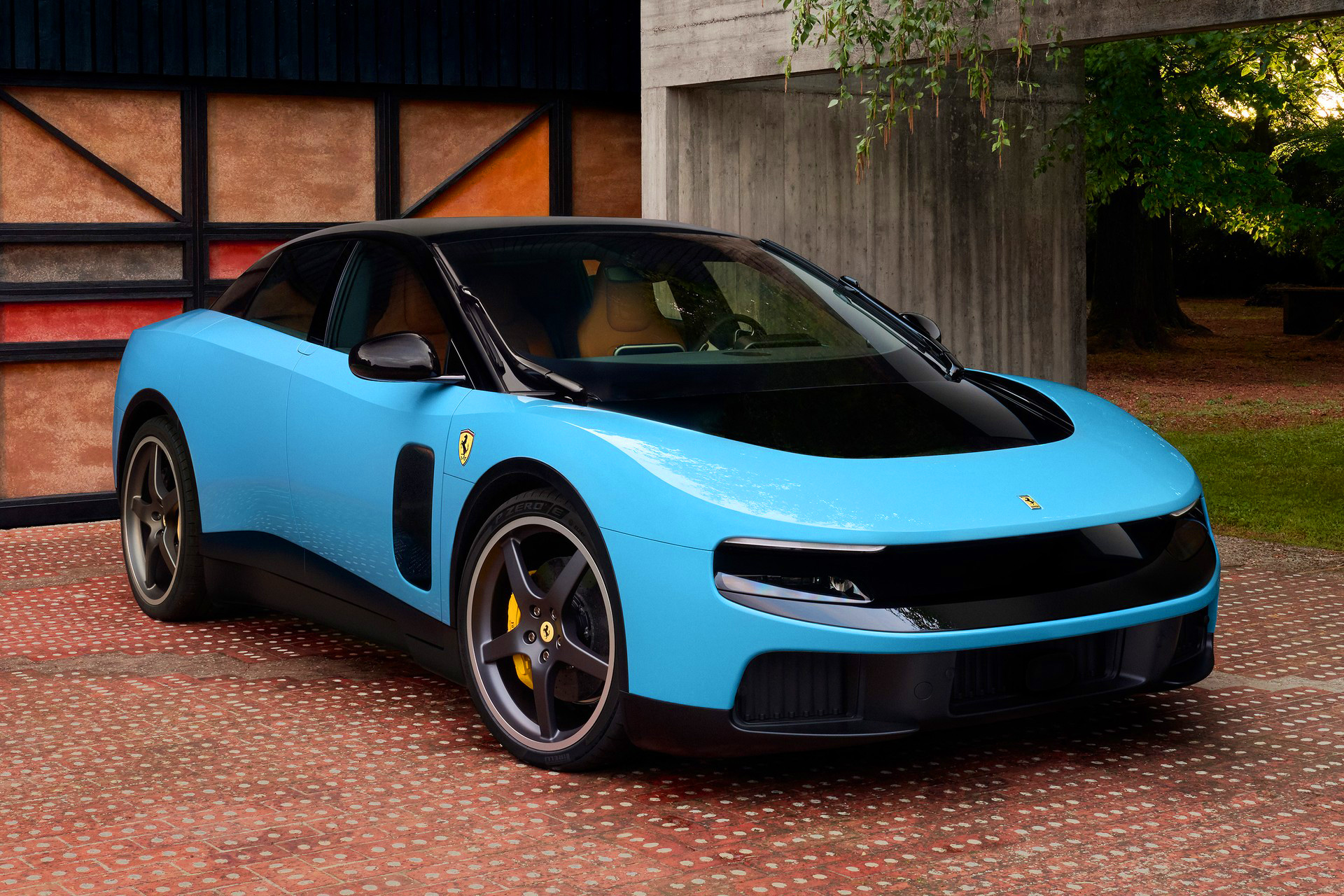
The car has over 60 patents, but here’s just a slice of the innovations packed into it. There’s the battery pack, which has been moulded into the chassis. It’s part of the car’s structure, rather than being bolted onto it. This improves rigidity and means the battery can be lower – dropping the car’s centre of gravity.
Then there are the motors. They all (there’s one at each wheel) have special ‘Halbach’ magnet configurations, developed for Ferrari’s F1 car, and torque vectoring, meaning every wheel is constantly adapting to the road surface and your throttle inputs to provide optimum traction. Together, they can provide up to 1,036hp using launch control or 986hp in ‘Performance Mode’.
The design – admittedly, a little underwhelming – is Ferrari’s slippiest. It has the lowest drag coefficient of any of its cars to help improve its range. But it also needs to handle well, so what looks like the bonnet is actually a front wing (under braking it’ll push the nose down – again, like an F1 car – to make it feel pointed). The real bonnet forms one seamless line with the windscreen that dives below the wing.
Then there’s the noise. We only heard a few seconds of audio at the launch, but it does sound exciting. Instead of giving it some imaginary digital engine sound, Ferrari has placed a precision accelerometer on the rear axle to sense vibrations, a bit like a pickup on the fretboard of an electric guitar. That noise is then delivered to the cabin – so it’s real and it’s connected to what the car is doing.
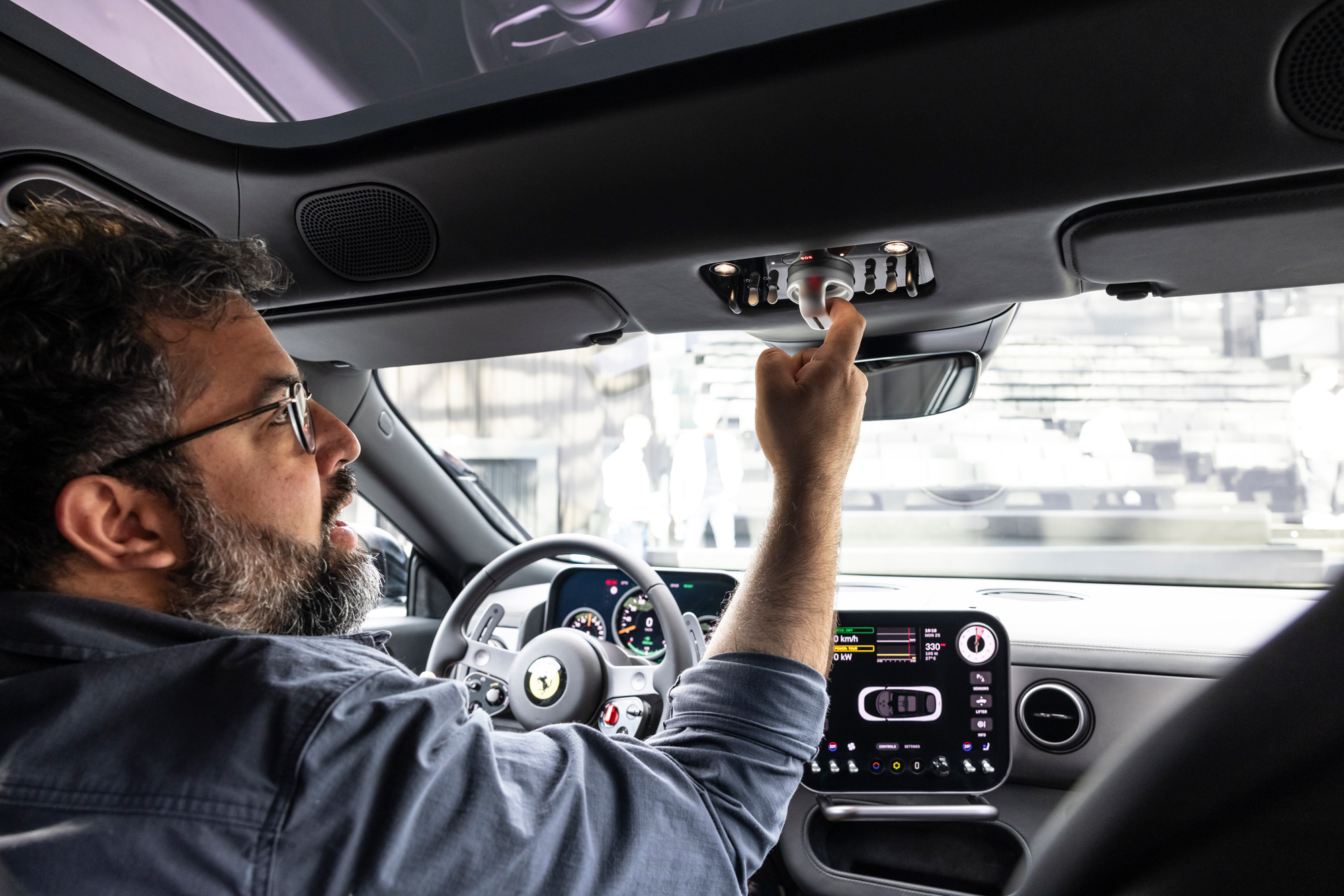
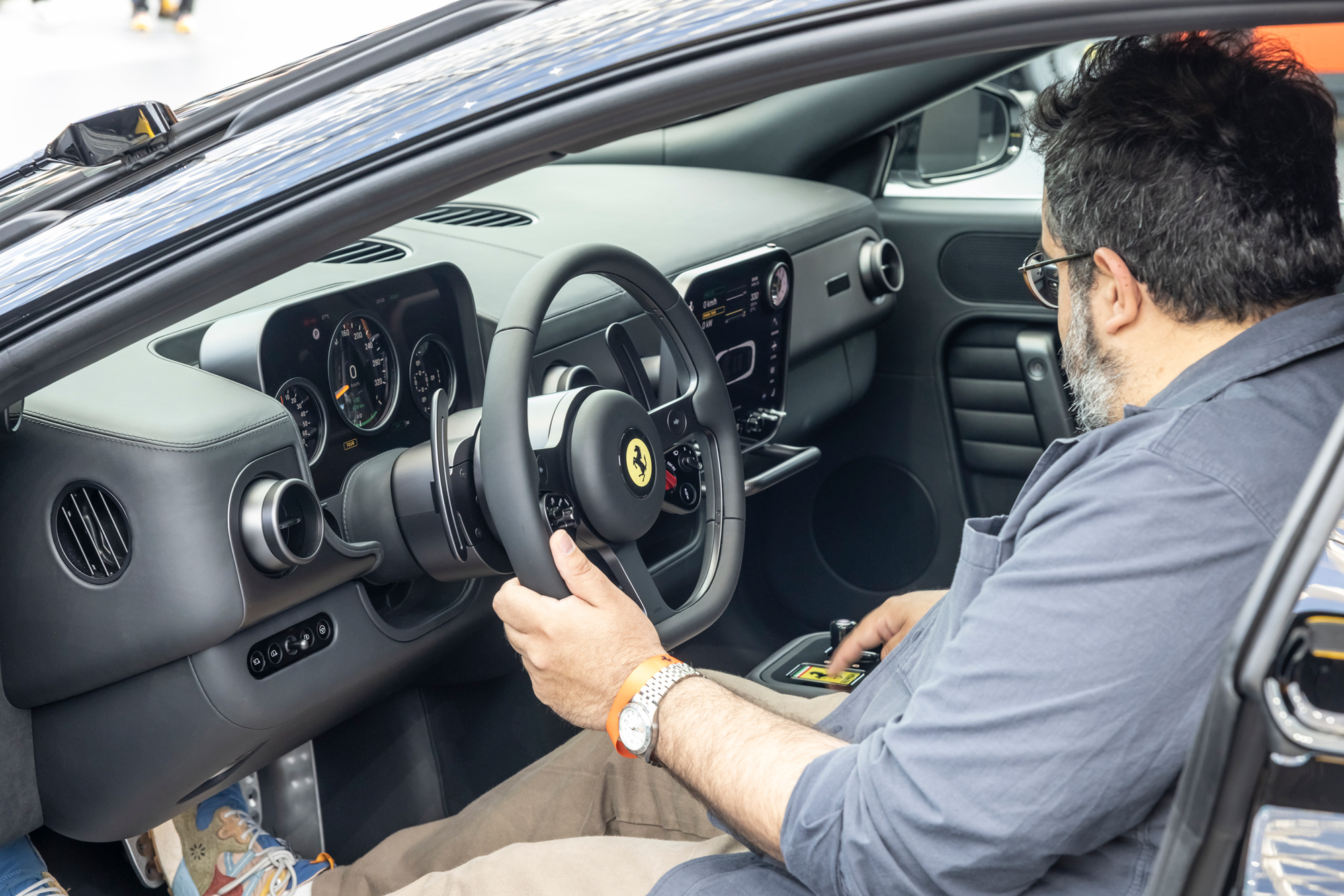
Inside, the LoveFrom team – the Jony Ive and Marc Newson-founded design collective Ferrari partnered with to conceive this car – has gone to war on touchscreens. Physical, analogue buttons are back so you get all the theatrical moments that make starting and driving a car feel special.
The dashboard combines physical needles and digital backdrops to create a layered interface that’s easier to read thanks to lensed dials.
And in the centre, there’s a control console that can slide between driver and a passenger via a brushed aluminium bar, which doubles as a wrist rest when you’re navigating the menus and buttons. The entire thing is an exercise in how well-considered ergonomics just makes everything better.
Who gets the last laugh?
The question facing all car manufacturers is: how can electric cars be better? The Luce is Ferrari’s answer. It’s well thought out and, I suspect, well executed (it’s impossible to know without actually driving it).
I think it sets a new bar for electric cars and I’d bet that other manufacturers, while they’re poking fun at Ferrari right now, will be borrowing from the Luce’s design in the future.
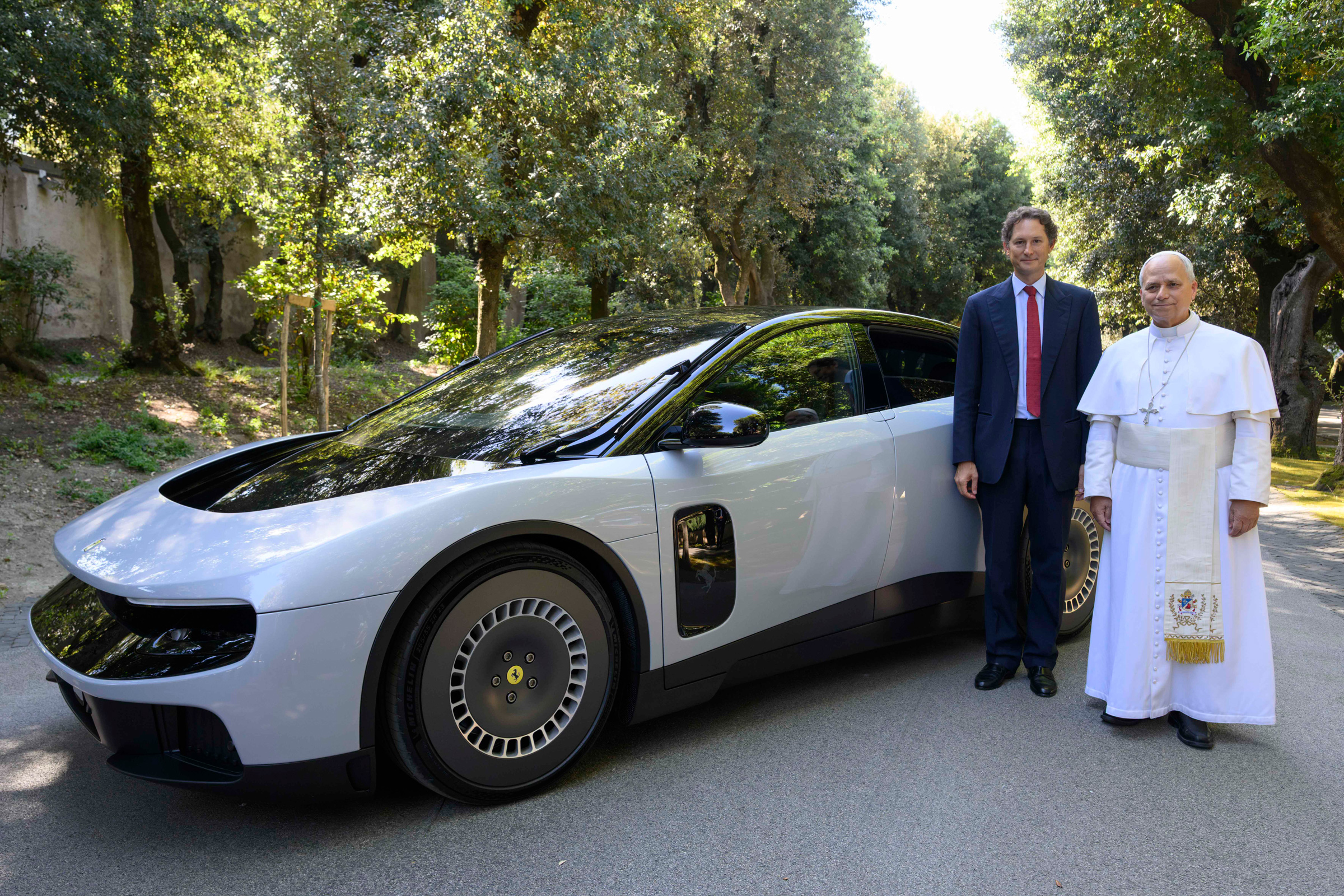
I also don't think this is the “end of Ferrari” as so many online put it. The kneejerk reaction just shows how much a brand like this means to us. As teenagers, its cars held a space on our bedroom walls, for Pope’s sake!
If you ask me, the Luce will ultimately secure Ferrari's relevance as we move towards an electric future. In the meantime, I suspect there’ll be a few more curvy, noisy, petrol-driven cars to come. But for now, I think Marty McFly’s words probably sum it up best: “I guess you guys aren’t ready for that yet. But your kids are gonna love it.”
Read more: