
A civilisation that may have once numbered up to 3 million people has been uncovered beneath the Amazon rainforest's dense canopy, according to a new study.
Researchers used LIDAR – a technology that fires pulses of laser light through gaps in the forest canopy to map the ground below – to survey more than 4,400km of the southwestern Amazon Basin. The findings were published in Nature.
Archaeologists now believe the Aquiry civilisation, which lived in the region from roughly 600BCE to 850CE, may have been around three times larger than previously expected. At its peak, their society may have numbered 1.25–3 million people.
The survey uncovered thousands of geometric patterns built into the Earth, known as geoglyphs, which take various shapes including circles and squares and appear to be connected by straight roads or pathways.
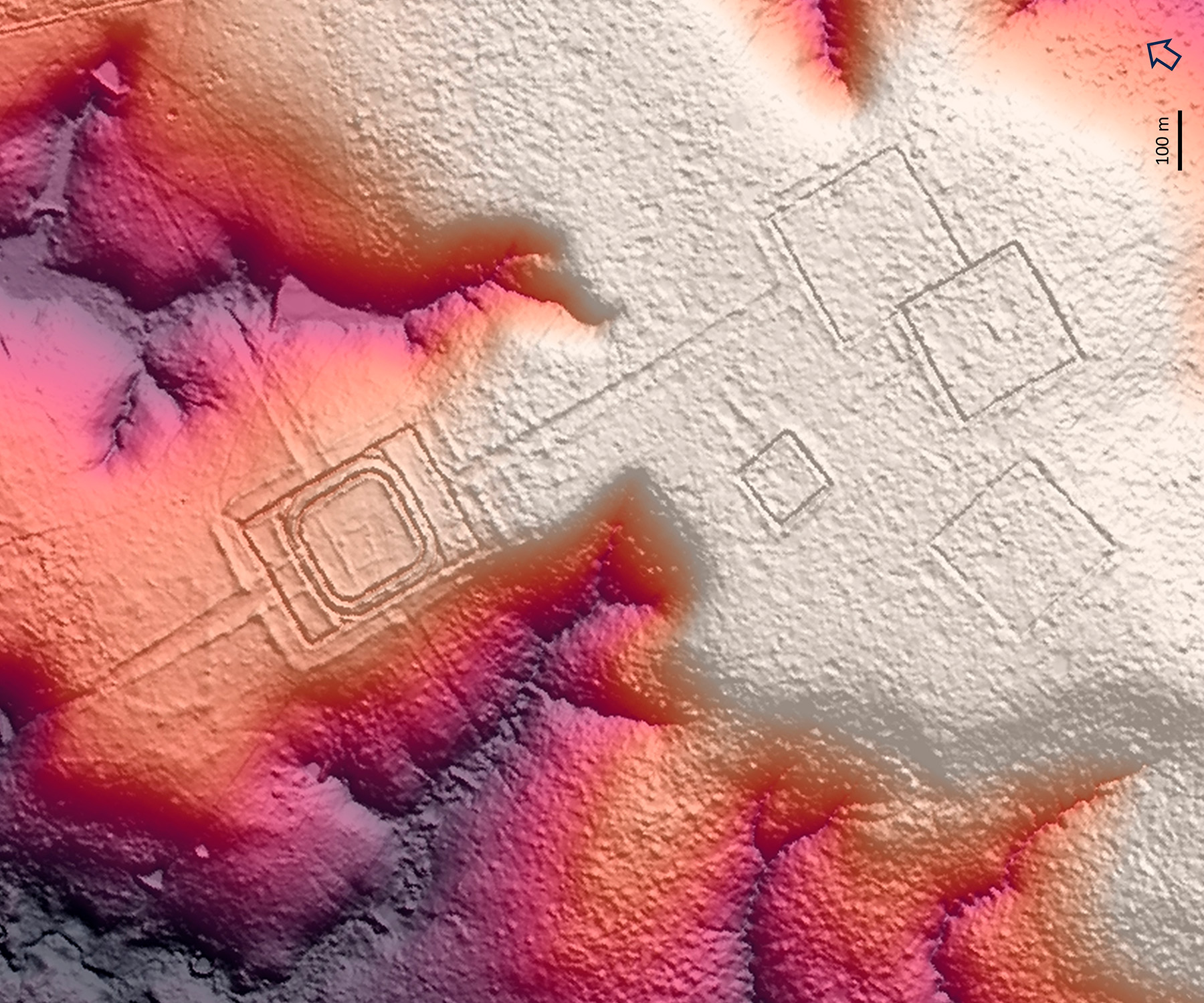
“The scale and precision of these constructions are simply astonishing,” lead author and University of Helsinki archaeologist, Prof Martti Pärssinen, told BBC Science Focus.
“Based on LiDAR surveys covering 4,500 km², we estimate that the entire 183,000 km² Aquiry region may contain approximately 24,000 to 30,000 earthworks linked by hundreds of roads, revealing a scale of landscape modification previously unimaginable for this part of Amazonia.”
Before LIDAR technology was able to peek through the trees, experts could only investigate deforested areas of the Amazon – fuelling a mistaken belief that only the rainforest's sparser regions had been settled by humans, and not its denser parts.
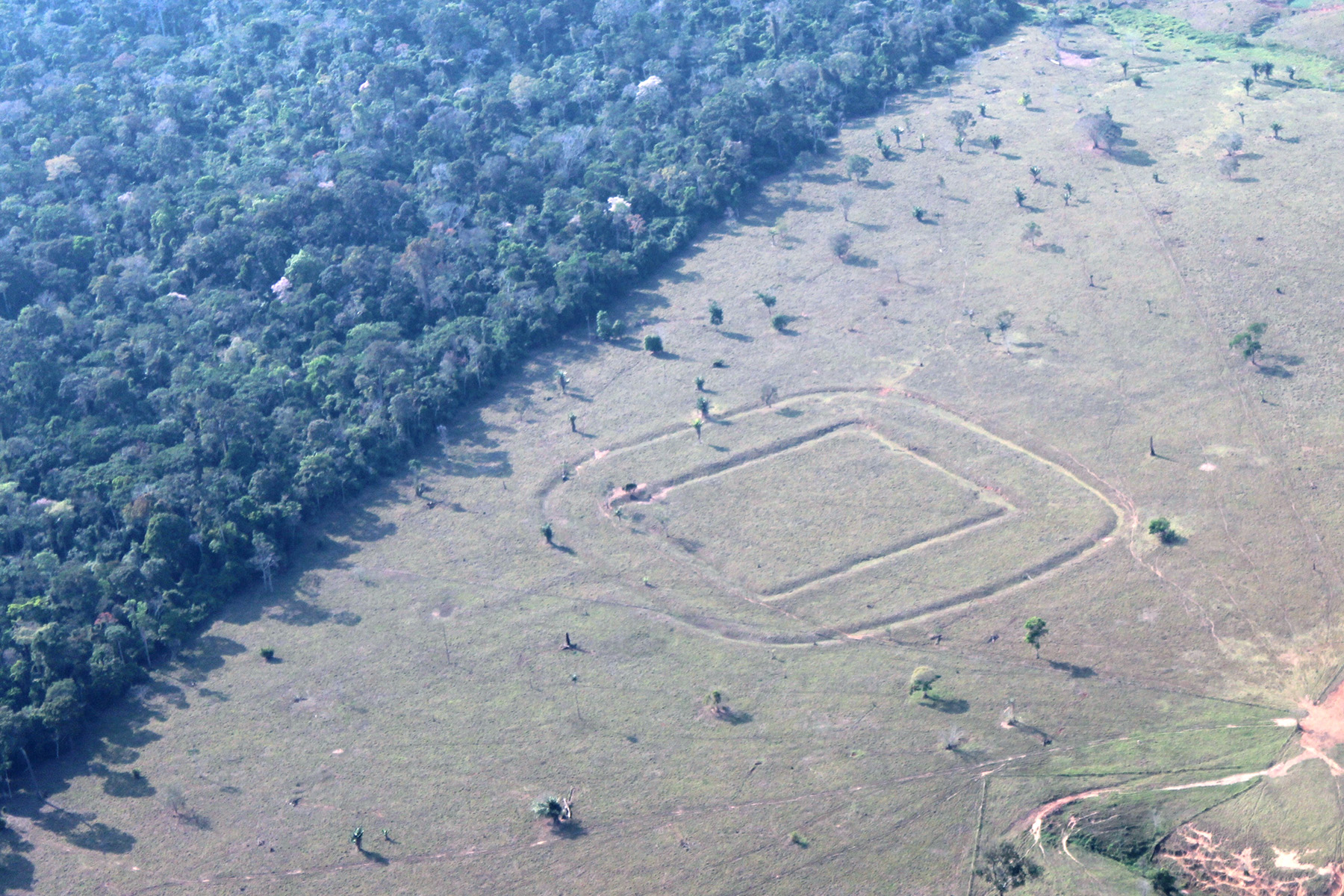
“These findings suggest that many other regions across Amazonia may likewise have been far more densely populated and intensively modified than previously assumed, challenging the long-standing view of the rainforest as a largely untouched wilderness,” Pärssinen said.
The next phase of the project is to use the same laser technology to identify tree species that early societies domesticated – such as those bearing nuts or fruit, and which continue to grow in the region today.
“We will then investigate how their distribution relates to different ecosystems, as well as to the locations of earthworks and ancient road networks,” Pärssinen said. “Simply put, one cannot help but wonder: what else remains hidden beneath the forest canopy?”
Read more:
