
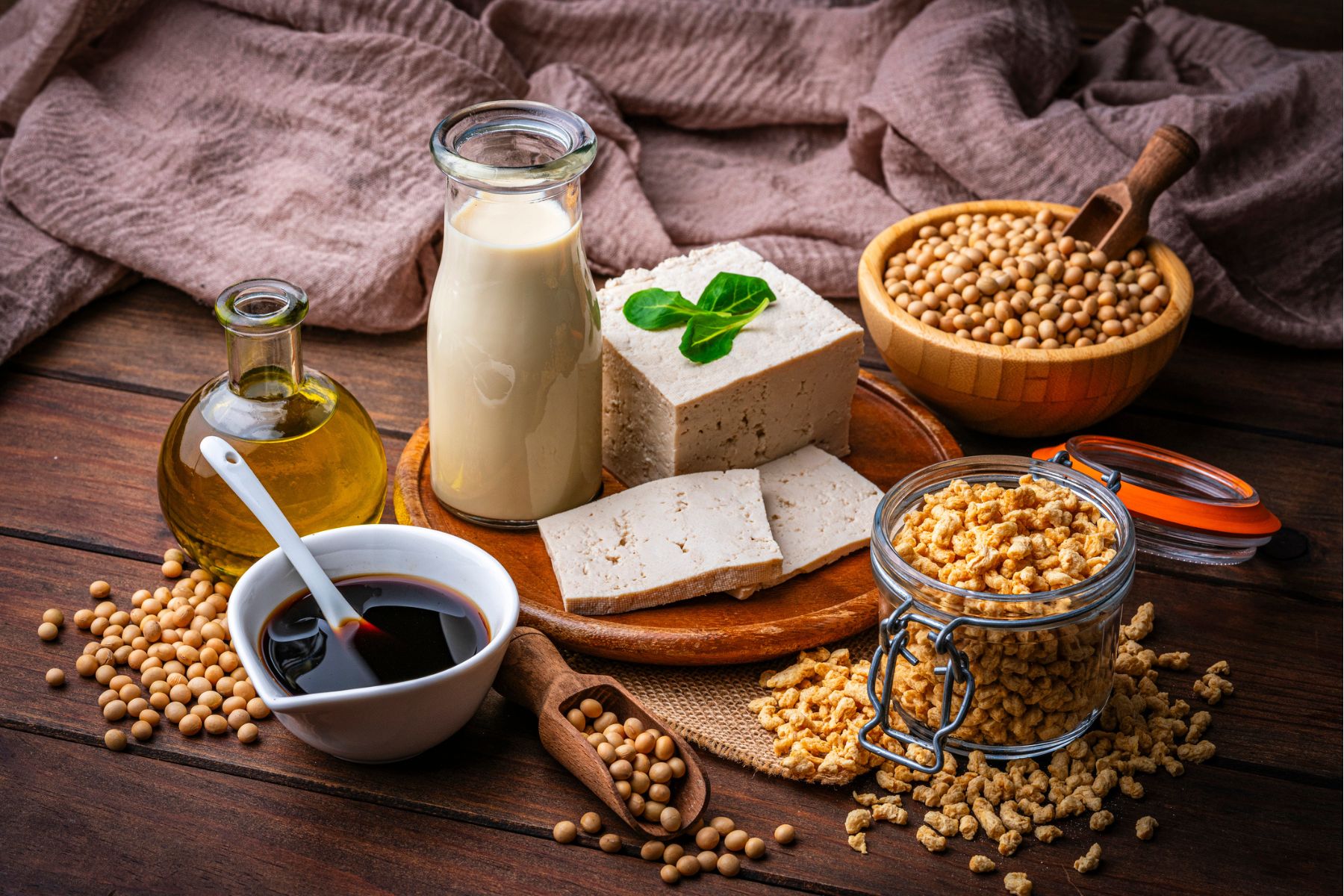
Tofu has been crowned the prince of protein by a scientific scoring system that measured human health, sustainability and affordability.
Dr Chris MacDonald – a behavioural scientist at the University of Cambridge and director of the Better Protein Institute – ranked 20 high-protein products, considering both their impact on the planet and humans.
Overall, plant-based proteins consistently scored higher than animal products, with tofu, chia seeds and beans at the top of the leaderboard. Cheddar cheese ranked lowest, followed by mozzarella and lamb.
Why? MacDonald told BBC Science Focus: “There were many factors, but perhaps the most pronounced was that plant-based sources tend to result in significantly lower emissions.”
To assess the environmental impact of each food, MacDonald compared the greenhouse gas emissions, water pollution, land use and water use involved in producing 100g (3.5oz) of protein from each food.
Tofu was judged the best in this category, followed by chia seeds, quinoa, beans and sunflower seeds. Meanwhile, pork, beef and cheddar cheese came last.
MacDonald also noted there was an ethical “lose-lose trade-off” when it comes to the production of meat and dairy. Improving the welfare of livestock required using up more land for agriculture, which in turn means “either more wild animals or more farmed animals will suffer.”
But this paper also considered the wellbeing of people, including the affordability and availability of each protein source.
When it came to nutrition, MacDonald assessed the completeness of each protein – so, whether it contained all the amino acids that humans need to survive – as well as the salt and saturated fat content.
This time, there wasn't such a clear split between plant-based and animal foods. For instance, chicken breast and tuna ranked fourth and fifth respectively, while chickpeas and Brazil nuts slipped towards the lower end.
However, tofu still claimed first place, followed by lentils and beans, while lamb chops, mozzarella and cheddar cheese occupied the last three places.
“Cheese was a poor performer from both a people and planet perspective,” said MacDonald. “It is high in fat and has high associated emissions.”
The study was intended to go beyond supermarket labels, which the paper called one-dimensional, and help consumers better understand the impact of their shopping habits.
The paper concluded: “Ultimately, beyond the spreadsheets and scores, lies a fundamental reckoning: our protein choice is a referendum on the compassion we are willing to show to animals, to the planet and to future generations.”
The overall rankings of all 20 protein sources:
- Tofu
- Chia seeds
- Beans
- Quinoa
- Sunflower seeds
- Lentils
- Chicken breast
- Tuna
- Peanuts
- Chickpeas
- Walnuts
- Brazil nuts
- Salmon
- Eggs
- Pork chops
- Cod
- Beef steak
- Lamb chops
- Mozzarella cheese
- Cheddar cheese
Read more:

