
Masturbation shaming in parrots and birds should be a thing of the past, new research suggests.
Most theories on sexual behaviours are based on trying to work out what environmental challenge they are attempting to solve, but masturbation has been something of a head-scratcher for wildlife experts. After all, why would individuals expend energy, time and, in the case of males, sperm?
New research, published in an article titled ‘The Evolution of Masturbation in Birds’ in the journal Ecology and Evolution, found that masturbation is more commonly reported in wild birds than in those in captivity.
Bird keepers had previously been advised to discourage birds from masturbating, as historically, the study says, “masturbation is considered an abnormal behaviour that has developed in response to solitary captive living”.
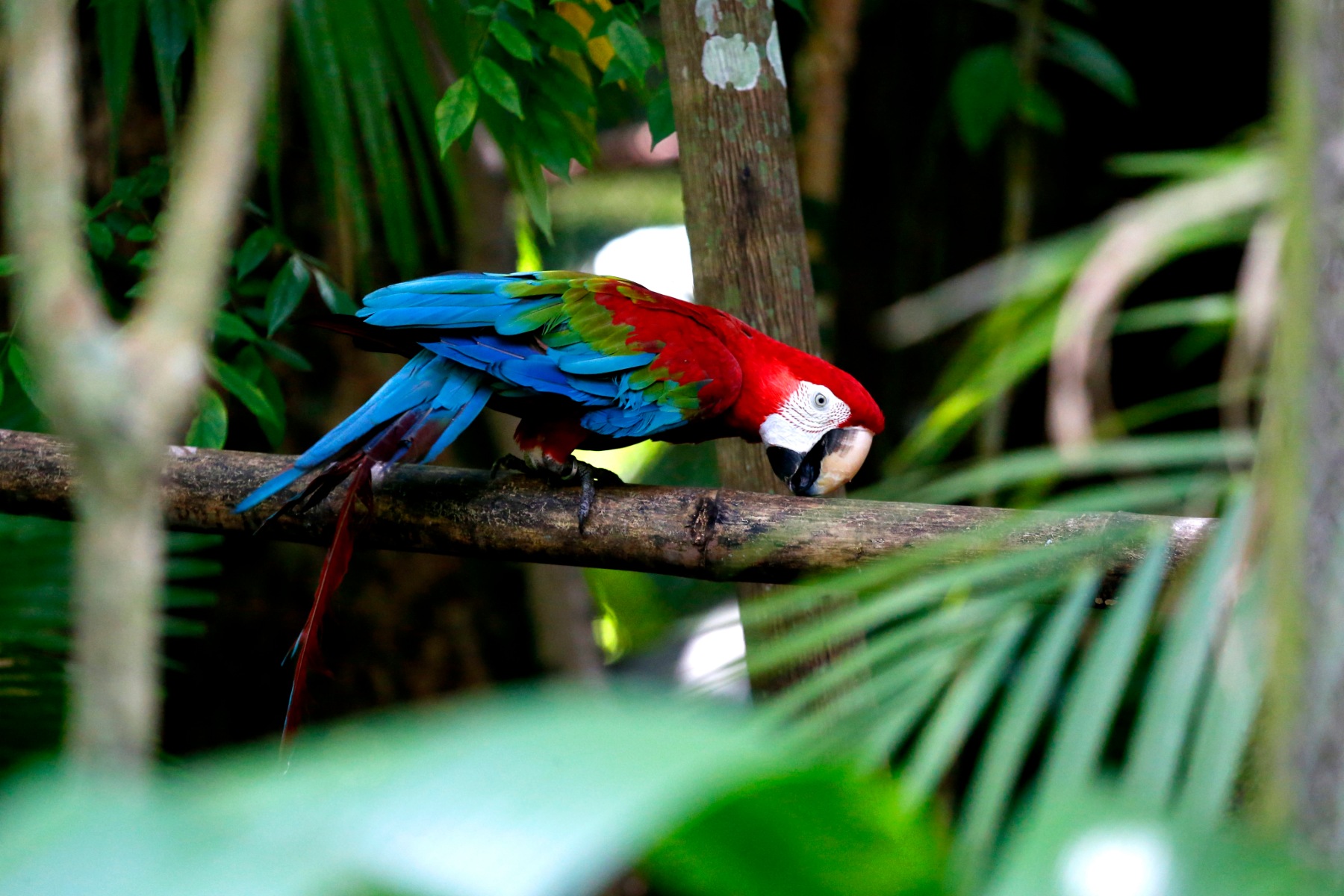
As a result of this, birds are often actively discouraged, punished and even given medical intervention to stop them from masturbating. However, the study says this view “is an example of folklore husbandry.”
The team combined data sets from across 120 bird species, finding that both sexes widely practised masturbation. Masturbation in birds occurs, the study explains, through the rubbing of their cloaca against an object such as a twig or toy, and is often accompanied by vocalisations or wing flapping.
Although it is more common in males, the presence of the activity in females suggests that maintaining fresh sperm in the testes is not the only explanation for the practice.
Masturbation has been found to aid female reproductive success in other animals. For example, in primates, sexual arousal increases vaginal pH, making it more hospitable to sperm.
There was no difference found in the occurrence between juveniles and adults. However, species with non-monogamous mating systems were more likely to masturbate than socially monogamous bird species or those with long-term pair bonds.
Therefore, it seems that masturbation serves as an outlet for increased sexual arousal, a means of preparing the body for successful fertilisation, or both.
Essentially, it’s perfectly natural – and shouldn’t be punished or discouraged.
Read more:
