
It's microscopic, it's spreading, and it's hiding in your salad bowl. A US outbreak of cyclosporiasis – caused by the parasite Cyclospora cayetanensis, which can trigger severe dehydration and diarrhoea – has been traced back to an unlikely villain: iceberg lettuce.
Between 1 May and 10 August this year, there were 13,895 laboratory-confirmed cases of cyclosporiasis in the US – including 740 hospitalisations and two deaths – with Michigan the worst-affected state.
As a result, people across the country are steering clear of fresh fruits and vegetables. A recent CBS News survey of 2,000 American adults revealed that, because of the outbreak, around 40 per cent are avoiding buying or eating fresh produce.
For those who wish to keep eating salad, pre-washed or ‘triple-washed’ lettuce may seem like a safer option.
But is ready-to-eat produce really exempt from contamination, or should you still be giving it a good rinse when you get home?
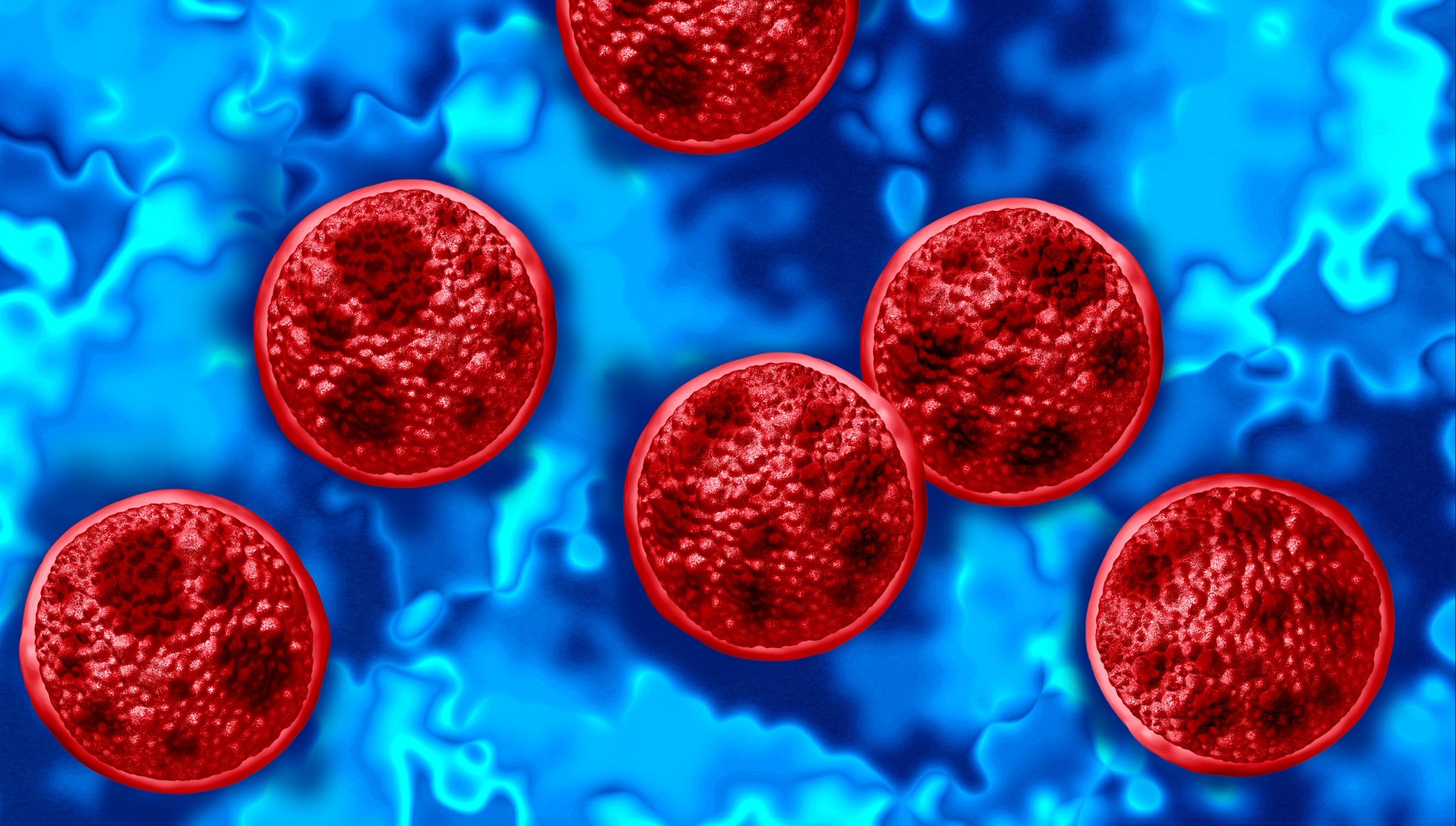
How does lettuce get contaminated?
You might be wondering how parasite-infested salad leaves are ending up on our grocery store shelves in the first place.
According to Dr Slim Dinsdale, a consultant microbiologist, the problem starts when produce is grown or prepared in unsanitary conditions.
This allows the Cyclospora oocysts – the hard-shelled spores of the parasite – to make their way onto the leaves.
“Cyclospora oocysts are shed in the faeces of an infected person, and can be passed on to salad crops by faeces-infected irrigation water, or infected lettuce-picking staff, especially where sanitary facilities are scarce or absent,” says Dinsdale.
What is pre-washed lettuce?
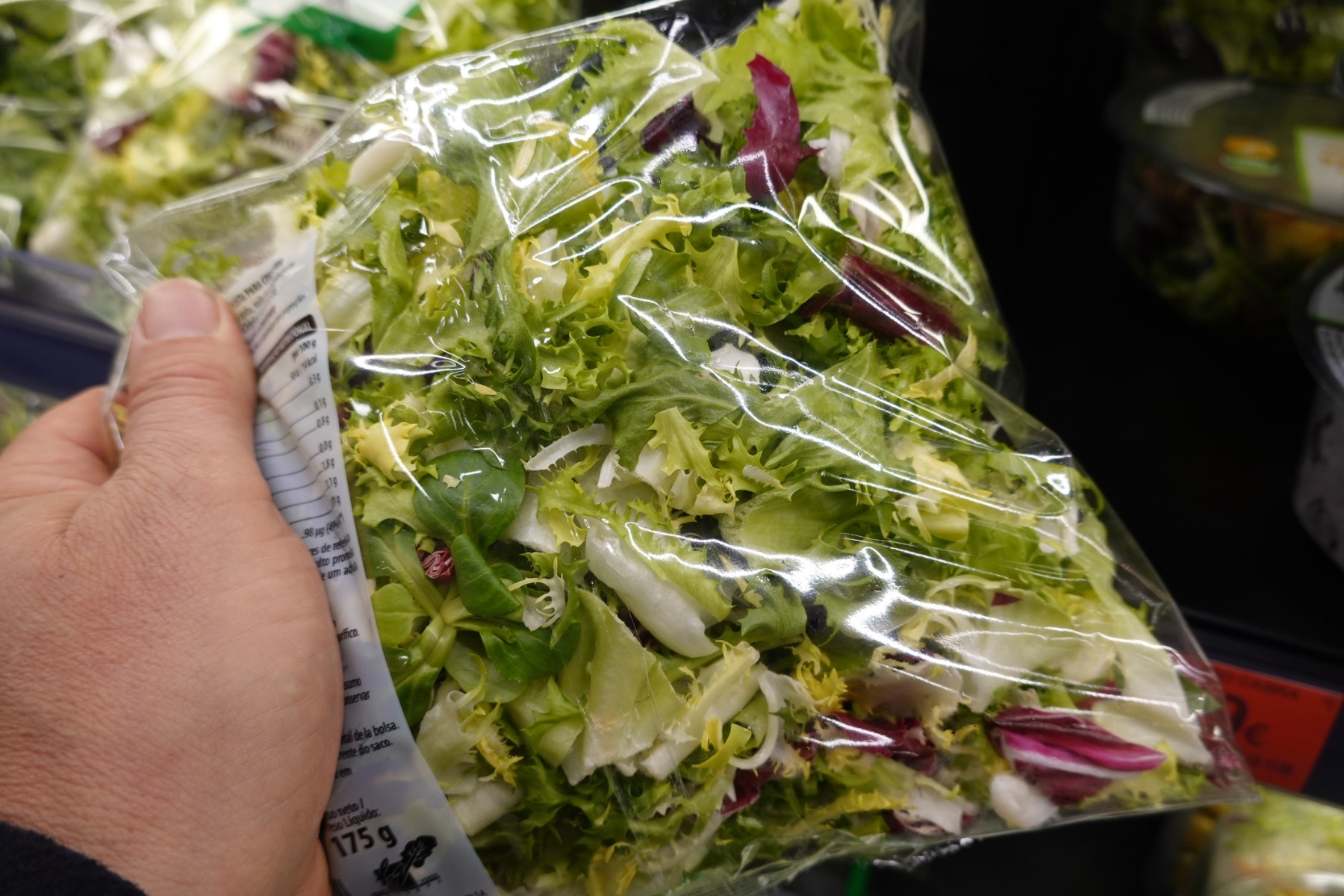
Pre-washed, bagged fresh salad undergoes a three-step process, according to Dinsdale. First, produce is washed to remove dirt and debris, then it’s sanitised using a disinfectant such as a chlorine-based or peracetic acid solution.
The salad is then dried in a centrifuge – a kind of industrial-scale salad spinner.
Once dry, the lettuce is shredded, bagged and labelled, and the bag is pumped with gases, typically carbon dioxide and nitrogen.
“The modified atmosphere keeps the bag inflated, reducing crushing, but also inhibits the growth of spoilage bacteria,” Dinsdale explains.
While the washing process serves an important purpose, it doesn’t guarantee that a food product is completely free from all contaminants – some of which are hardier than others.
“The disinfectant is used to reduce the number of viable bacteria, but will not eliminate them as it is not a sterilisation process,” says Dinsdale.
“The disinfection process has very little effect, if any, on the Cyclospora oocysts as they have a very tough coat, resistant to such attack.”
Should you wash your pre-washed lettuce at home?
Catherine Rees, professor of microbiology at the University of Nottingham, says: “If the salad has been produced by reputable food producers, it should be free from pathogens.”
Even so, the CDC currently recommends that people wash their lettuce before they eat it, even if it comes pre-washed. Though this won’t rid the leaves of all Cyclospora that may be contaminating them, it can dislodge some.
In doing so, however, Dinsdale is keen to remind people that “the single biggest risk in the kitchen is the consumption of undercooked minced beef or lamb, often as burgers or kebabs.”
He continues: “If someone wants to wash the pre-washed salad, there may be a chance of it becoming contaminated if raw meat or poultry is being prepared on the same workbench.”
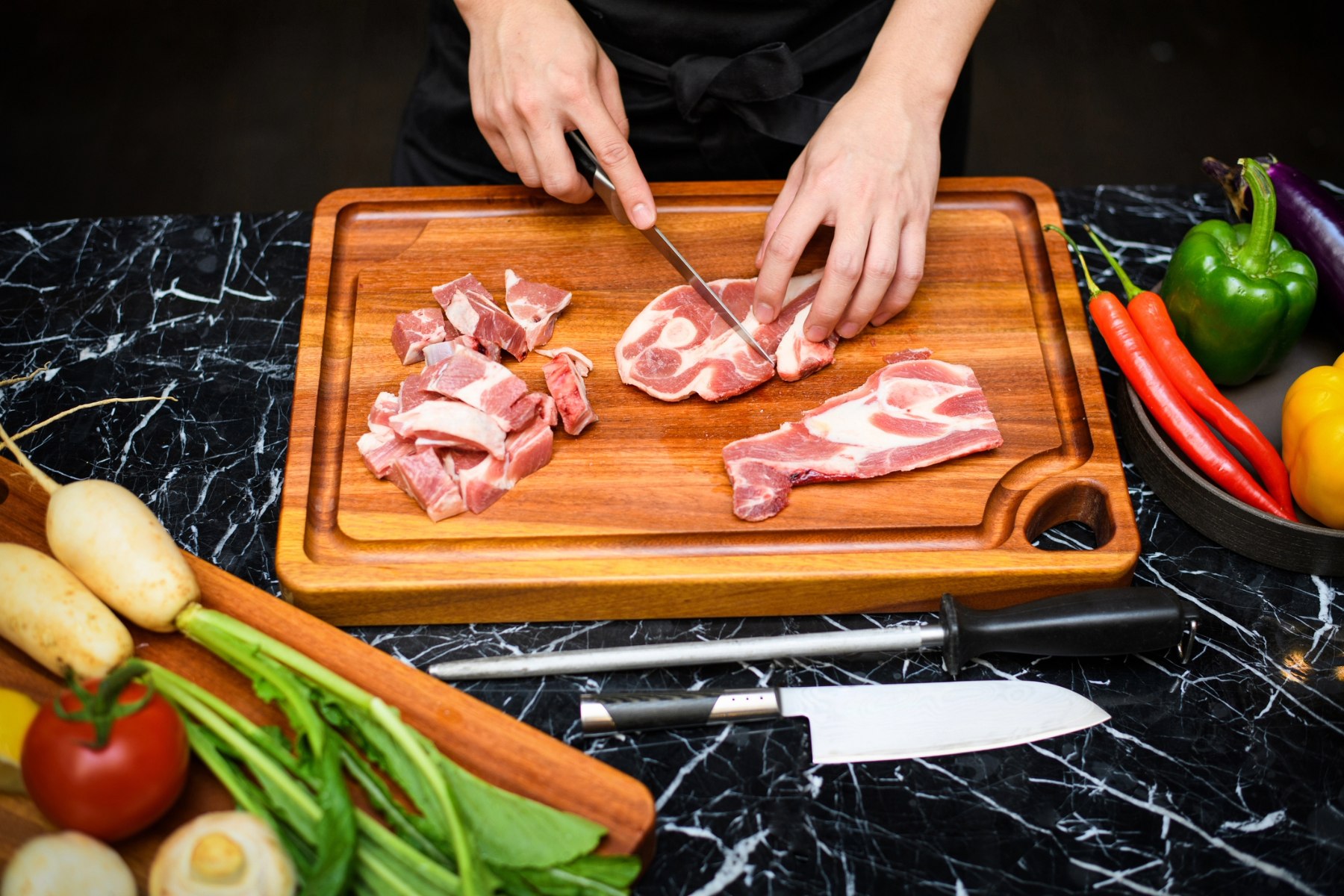
To avoid replacing one sickness with another, it’s important to maintain good kitchen hygiene at all times. Keep fresh produce separate from raw meat, wash your hands, chopping boards and utensils after handling it, and cook it thoroughly before eating.
It’s also best to avoid rinsing raw meat, as this can contaminate your sink with bacteria, such as E. coli and Salmonella, spreading it onto the very food you are trying to clean.
How can you prevent Cyclospora from infecting your food?
No washing method can fully remove Cyclospora from your food, but there are other ways to protect yourself.
One way to kill the parasite is by cooking your produce, ensuring it reaches a temperature of 70°C (158°F). Being careful about which products you buy may also help.
“As this seems to be a problem associated with big producers with products sold to multiple outlets across the US, then buying local produce would be a sensible way to reduce the risk, and of course washing this at home if it is not pre-washed,” Rees advises.
Dinsdale suggests skipping bagged salads altogether until the risk of contamination has been dealt with.
“Buying a whole lettuce and preparing it at home is probably the safest way,” he says.
When preparing lettuce, the FDA recommends removing and discarding the outer leaves, as these will be the most contaminated.
Though it won’t remove all Cyclospora parasites, it is still worth washing lettuce using clean, running water. You should not use soap or bleach to clean your food – these won’t help and could leave harmful residues.
Finally, don’t bypass another crucial step: chilling. Fruit and veg should be stored in a fridge, kept between 0°C and 5°C within two hours of being cut, peeled or cooked.
“Keeping salad chilled after purchase limits the growth of pathogens such as Salmonella, and will slow down the growth of Listeria monocytogenes,” says Dinsdale.
Read more:
