
If only there were a magic spell to protect your brain from dementia. You could wave a wand, chant a few special words, and wrap your head in an ethereal mist, knowing you would be free from cognitive decline.
Unfortunately, no such spell exists – at least, not one recognised by science. But that doesn’t mean we’re powerless against the spectre of brain deterioration.
On the contrary, what you eat can significantly affect your odds of developing dementia in later life.
That is especially crucial at a time when dementia rates are at a record high. In the US, Alzheimer’s disease – the most common form of dementia – is estimated to affect 7.4 million people, and dementia has been calculated to be the UK’s leading cause of death, accounting for more than 1 in 10 deaths each year.
These numbers are expected to continue to rise at an alarming rate. But there’s no reason you should become part of those statistics.
A Lancet Commission report from 2024 estimated that 45 per cent of dementia cases could be blamed on modifiable risk factors – so, they might have been avoided with different daily habits.
And the real percentage might actually be higher. Walter Willett, professor of epidemiology and nutrition at Harvard University, says: “Some studies estimate that lifestyle – with diet being most important – could prevent about half of dementia cases.
“I think that’s probably an underestimate, because none of the studies have been perfect.”
So, while there may not be a magic potion you can swig to protect your brain, you can change your diet.
“The good news is that it’s very clear, we can strongly influence our risk of cognitive decline and dementia,” says Willett. “It doesn’t mean we can completely eliminate it, but we can put it off for some years with diet.”
Focusing on your MIND
There are countless diets that promise to improve your health, but only one was specifically designed for your brain.
It’s called the Mediterranean-Dietary Approaches to Stop Hypertension diet – or MIND for short.
As the name implies, it’s essentially a combination of two diets which research has shown to be brain-healthy: the Mediterranean diet, and the Dietary Approaches to Stop Hypertension (DASH) diet.
Both prioritise plant-based whole foods: vegetables, fruits, whole grains, nuts, seeds and legumes. Highly processed foods are kept to a minimum, as are saturated fats and red meat.
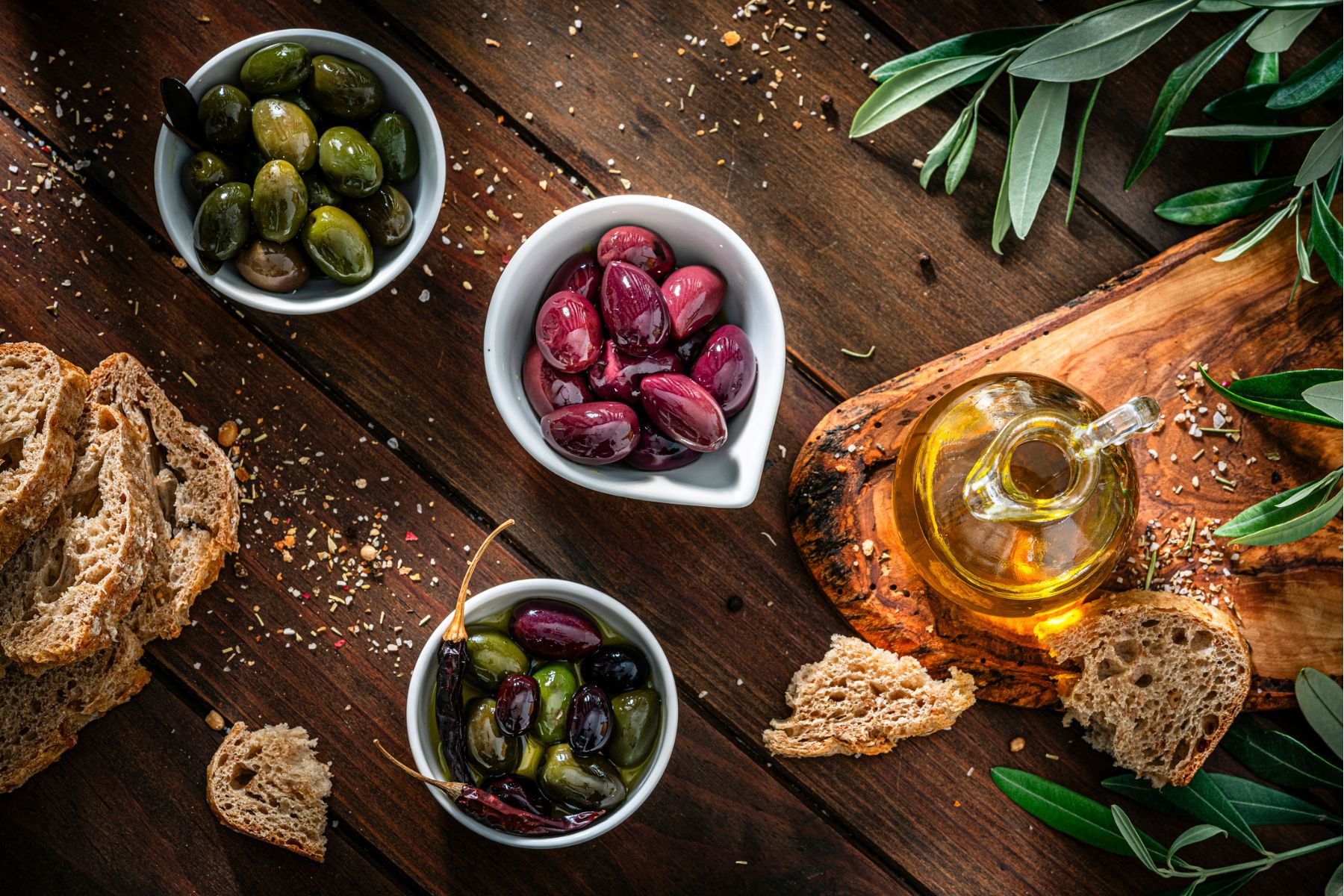
But there are a few differences. The Mediterranean diet includes more foods that are culturally important to that region – notably, olive oil and fish.
It is known to be an anti-inflammatory eating pattern that can help people maintain a healthy weight – two central factors for minimising dementia risk.
Meanwhile, the DASH diet includes more low-fat dairy products and strongly restricts salt and sugar, because it was developed to reduce the risk of high blood pressure.
Willett explains why this is relevant, saying: “In particular, hypertension is very strongly related to risk of dementia, and we know that diet has a big effect on blood pressure.”
So, the MIND diet is a mishmash of these two eating patterns – with a few tweaks specifically for brain health.
Read more:
- This is the one supplement consistently shown to better your brain and body
- This doctor claims you can cut your dementia risk in 12 weeks
- The anti-ageing diet: 6 science-backed changes to protect your skin, body and brain from getting older
Foods we know protect the brain
The MIND diet’s bread and butter, then, are vegetables, legumes, whole grains, and plant oils – the foods we’ve already mentioned.
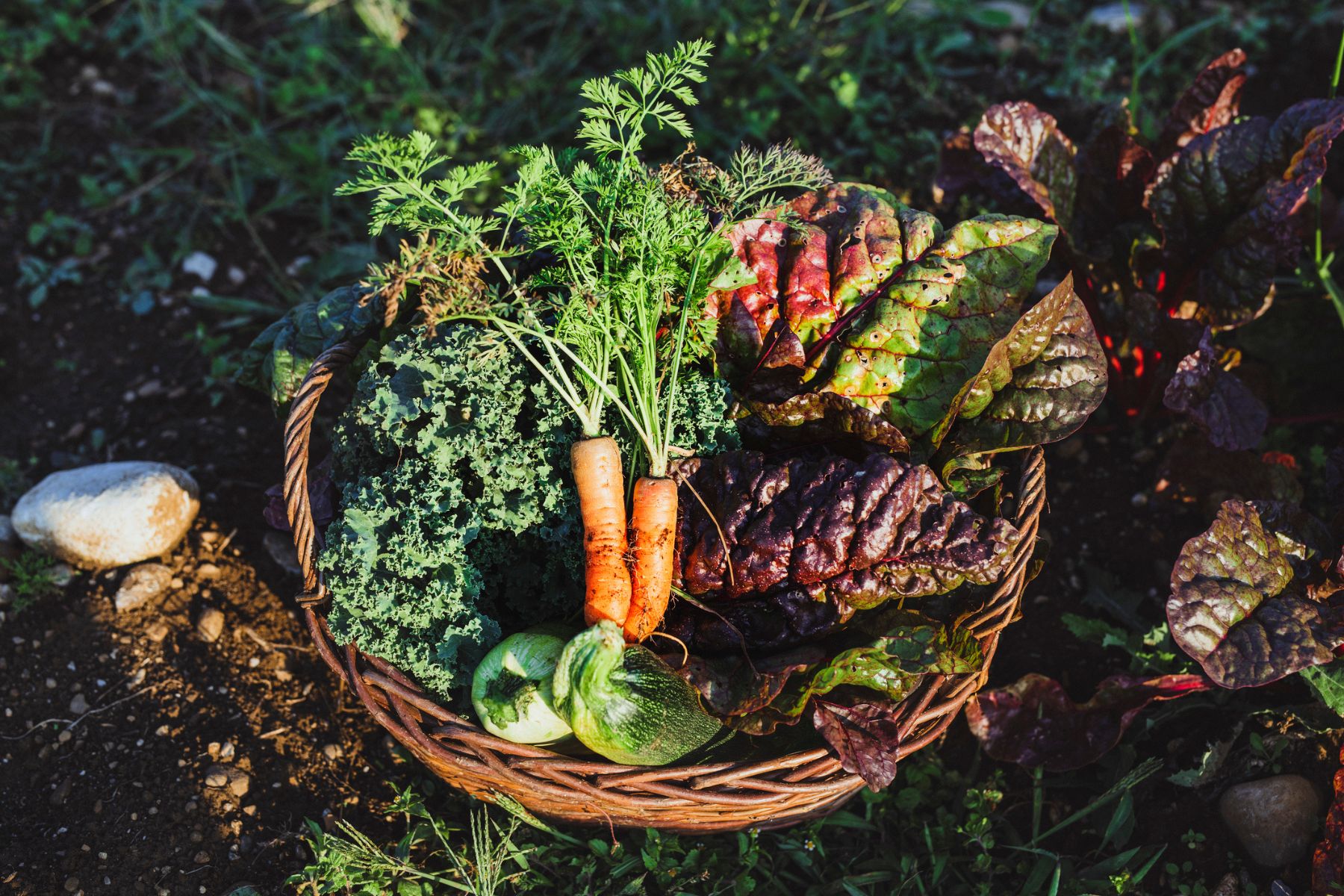
But it puts particular emphasis on foods which may themselves protect the brain from cognitive decline – for instance, vegetables that contain a family of plant chemicals called carotenoids.
“We’ve been digging down more deeply to try to understand, what is it about Mediterranean-type diets that’s most beneficial?” says Willett. “Carotenoids seem to be particularly important – found in carrots, dark orange squash, and green leafy vegetables.
“We know that carotenoids get into the brain, and that’s why the human brain is yellow.”
That means carrots, butternut squash, sweet potatoes, tomatoes, kale, spinach and collard greens all win you kudos on the MIND diet.
“It’s good to have a variety of fruits and vegetables, but you could miss out on carotenoids if you weren’t careful – and were mainly eating a lot of cucumbers and cauliflowers,” he says.
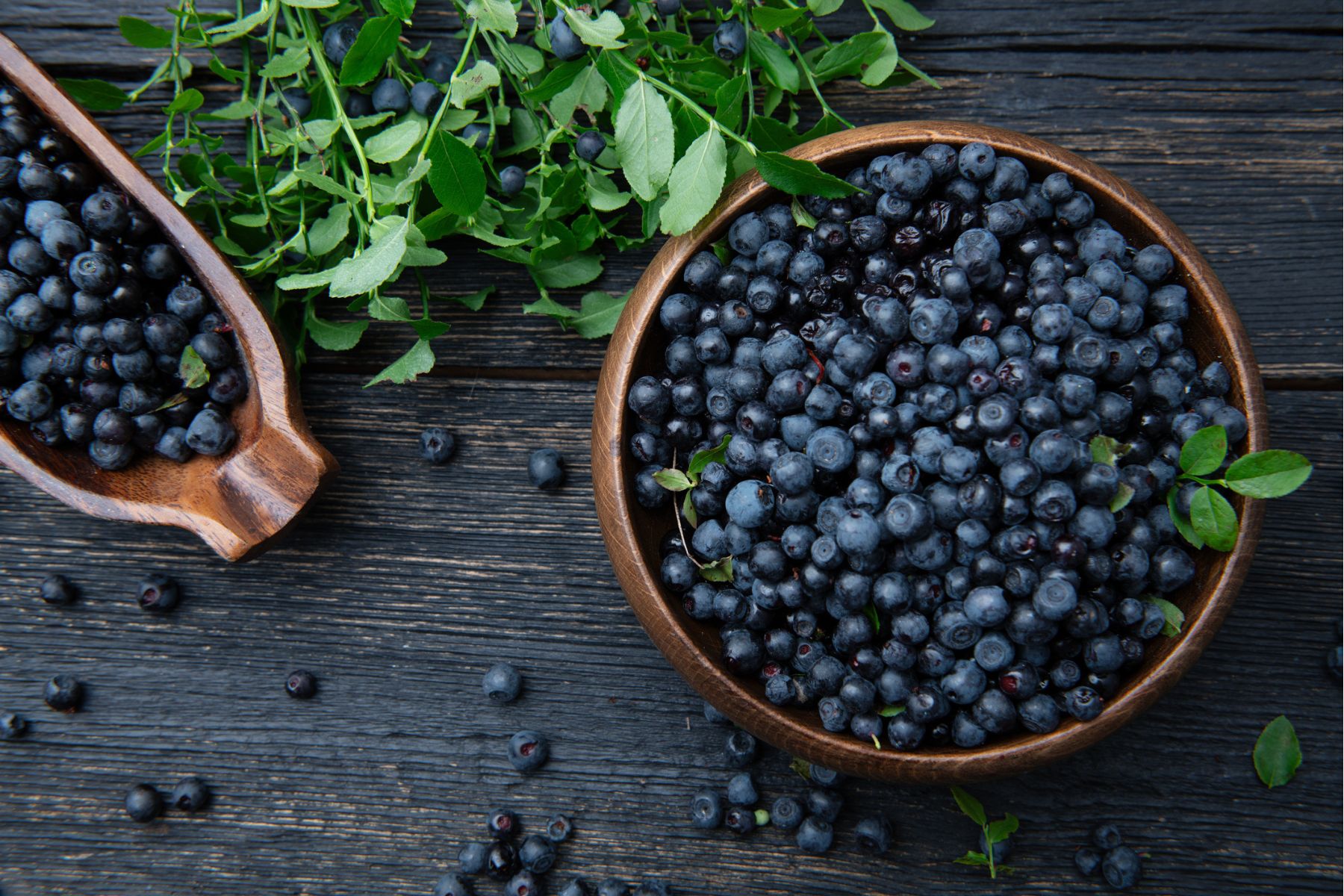
MIND is also different from its two parent diets when it comes to fruit. Whereas they recommend eating plenty of any kind of fruit, the MIND diet prioritises berries.
“Berries – blueberries in particular – seem to be beneficial in a number of studies on cognitive function,” says Willett. “They contain a variety of antioxidants, in particular anthocyanins.” These are plant chemicals that are associated with reduced inflammation.
Finally, there’s omega-3 found in nuts and oily fish, such as salmon, trout, herring, mackerel, anchovies or sardines.
Willett says: “About a quarter of the brain is made up of omega-3 fatty acids. It’s very, very structurally important in the brain.
“Our brain cells and function just would not exist were it not for omega-3, and it seems to be particularly important for cognitive function.”
Some studies suggest there’s an upper limit to how much omega-3 is useful for the brain. Willett says we seem to only need “a fairly modest amount,” so the MIND diet recommends one meal containing oily fish per week.
All these foods, scientists believe, should help keep your brain fit as a fiddle into old age.
Evidence for the MIND diet
Scientists may have intended the MIND diet to help protect the brain from cognitive decline, but how do we know it’s any good? Well, the MIND diet has been put to the test a few times, admittedly with varying results.
When it was first developed just over a decade ago, its creators at Rush University, Chicago, measured its effectiveness in an observational study.
They asked older adults to fill out dietary questionnaires, measured how similar their reported diets were compared to MIND – as well as the Mediterranean and DASH diets – and then calculated which eating patterns were linked to better cognitive health.
Following these adults for up to 10 years, the scientists found that a higher MIND diet score was associated with a slower cognitive decline.
The Mediterranean and DASH diets seemed to have a protective effect too, but the MIND diet came up trumps.
In fact, the scientists concluded, the group that ate most similarly to a MIND diet seemed cognitively more than seven years younger than the group with the lowest MIND scores.
“Over time, people following this dietary pattern declined much less than people who were not following this type of pattern,” summarises Willett.
From this perspective, the MIND diet appears hugely beneficial. But when scientists attempted a randomised controlled study – considered nutrition science’s gold standard – the results weren’t the same.
This study, published in 2023, was a collaboration between Rush and Harvard universities. Rather than just observing the diets of their participants, the scientists instructed more than 600 overweight individuals to either follow MIND or a control diet, both with restricted calories.
Participants in both groups lost weight. Since excess weight is a risk factor for dementia, weight loss was associated with cognitive benefits.
But there didn’t seem to be a significant difference between those who did or didn’t follow the MIND diet.
For Willett, that doesn’t mean we should scrap MIND altogether.
“It was a three-year study, which is maybe too short to see some of these benefits,” Willett explains. “Cognitive decline develops over decades.”
Also, he adds, while individuals were given a number of foods to help them stick to the MIND diet – such as olive oil and nuts – they weren’t given fresh foods.
“Carotenoid vegetables are mostly perishable foods, not so easy to distribute in a study like this,” says Willett. “Their blood levels of carotenoids only went up a little bit – not nearly enough to get to where we’d expect to see much difference in cognitive function.
“So, I think the study, in retrospect, may have missed targeting one of the most important aspects of the diet.”
And a follow-up analysis of the trial revealed that adults who ate more carotenoid vegetables – and who had a higher genetic risk of dementia – also suffered less cognitive decline than their counterparts. So, this could be a crucial missing piece.

What to eat
As it stands today, the MIND diet hasn’t been proven as the definitive best diet for warding off dementia.
But it hasn’t been disproven either – and Willett says we don’t have much better. Indeed, he believes that, if you’re worried about your brain health, something like a MIND or Mediterranean diet is your best bet.
“I think it’s probably fair to say that the MIND diet and traditional Mediterranean diet together seem to be the best direction to go in, given what we know right now,” says Willett. “The MIND diet more or less describes a traditional Mediterranean-type diet. It’s so similar.”
That is, at least, with a caveat that some Mediterranean diets can be high in salt, which Willett says should be kept low if you’re concerned about high blood pressure affecting your dementia risk.
Apart from that, Willett’s final words of wisdom reinforce the central role of carotenoid vegetables to our cognitive health.
With a smile, he says: “Don’t forget to eat your carrots today!”
Read more:

