
In the movies, there is always that one villain who simply refuses to die. They survive the explosion, stagger out of the fire and somehow return for the sequel.
PFAS, or ‘forever chemicals’, are a little like that.
It’s not that they are intrinsically evil. They’ve helped make our frying pans non-stick, jackets waterproof and carpets and sofas stain-resistant. They’ve even helped save lives by making firefighting foams capable of tackling dangerous blazes.
But the same chemistry that makes PFAS so useful also makes them exceptionally difficult to deal with once they end up in the soil or water. They don’t break down, but instead spread through the ecosystem, eventually ending up in the bodies of wildlife and people.
This build-up of PFAS in our systems has been linked to all manner of health problems, from increased cholesterol to infertility and cancer.
“Although their use has been phased out or restricted in many countries, their persistence means they can still be found in the environment today,” says Dr Stephanie Metzger, a Royal Society of Chemistry sustainable chemicals science policy advisor.
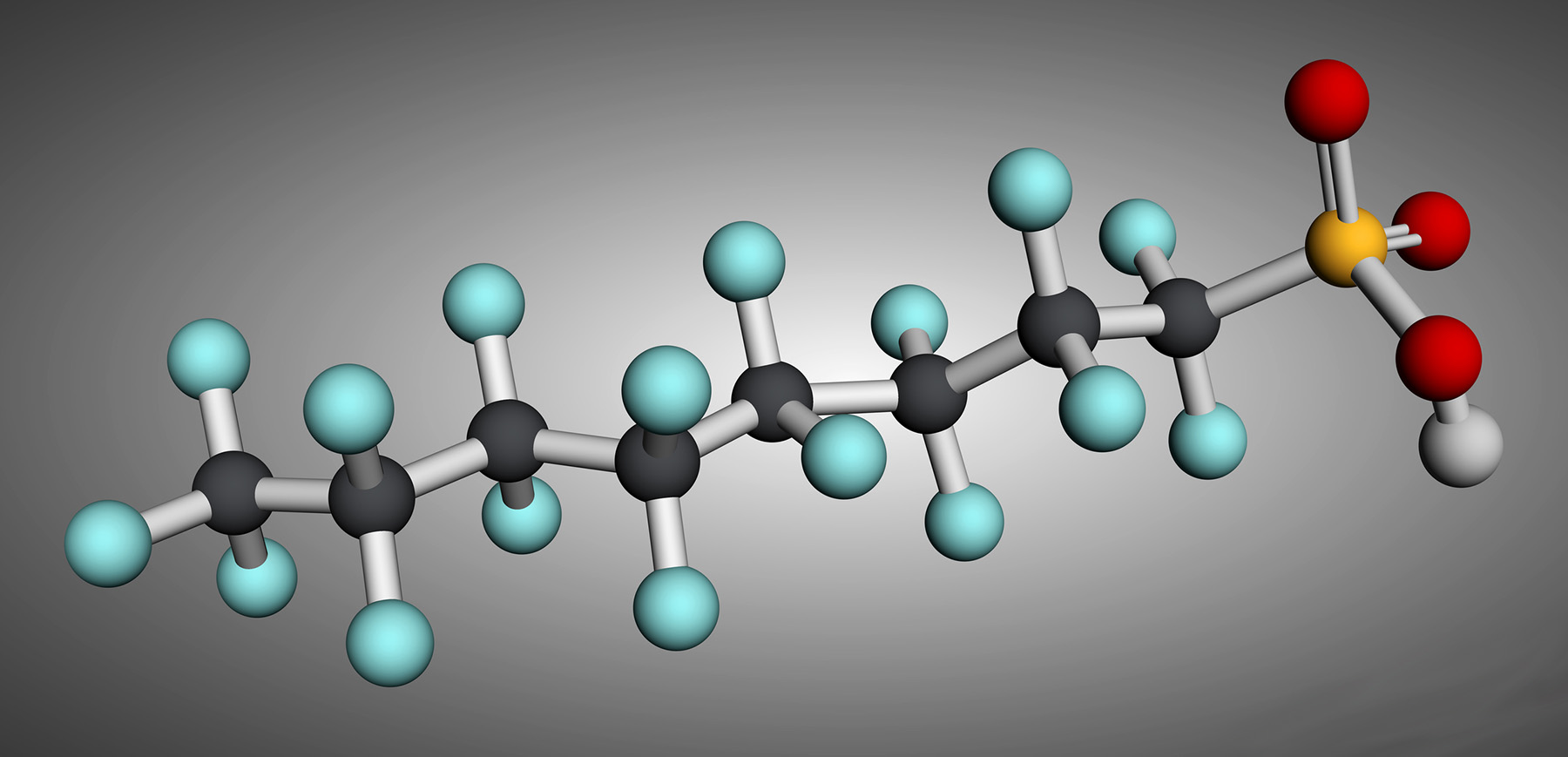
PFAS, which stands for per- and polyfluoroalkyl substances, are a group of thousands of different chemicals that share one crucial feature – strong bonds between carbon and fluorine atoms.
“The carbon-fluorine bond is really hard to break, which means when these materials are used, they’re heat-resistant, waterproof, long-wearing, durable materials,” says Metzger.
Essentially, PFAS were designed to be the chemical equivalent of a tank – hard to break and built to keep going. The downside is that their steadfastness doesn’t end when their job is done.
After decades of using them, PFAS are everywhere. They’ve been found in remote Arctic ice, the depths of the ocean, and the blood of 97 per cent of people in the US.
Attempts to clean them up are neither easy nor cheap. A year-long investigation by the Forever Pollution Project estimated that cleaning up PFAS contamination across Europe and the UK could cost more than £1.6 trillion ($2.2 trillion) over the next 20 years.
Scientists have developed ways of filtering contaminated water, such as passing it through filters made of activated carbon or resin, which can successfully remove almost all PFAS from drinking water.
But, like the villain crawling from the wreckage, the PFAS haven’t actually gone anywhere. They’ve simply moved, sticking to the filters that need to be treated or thrown away.
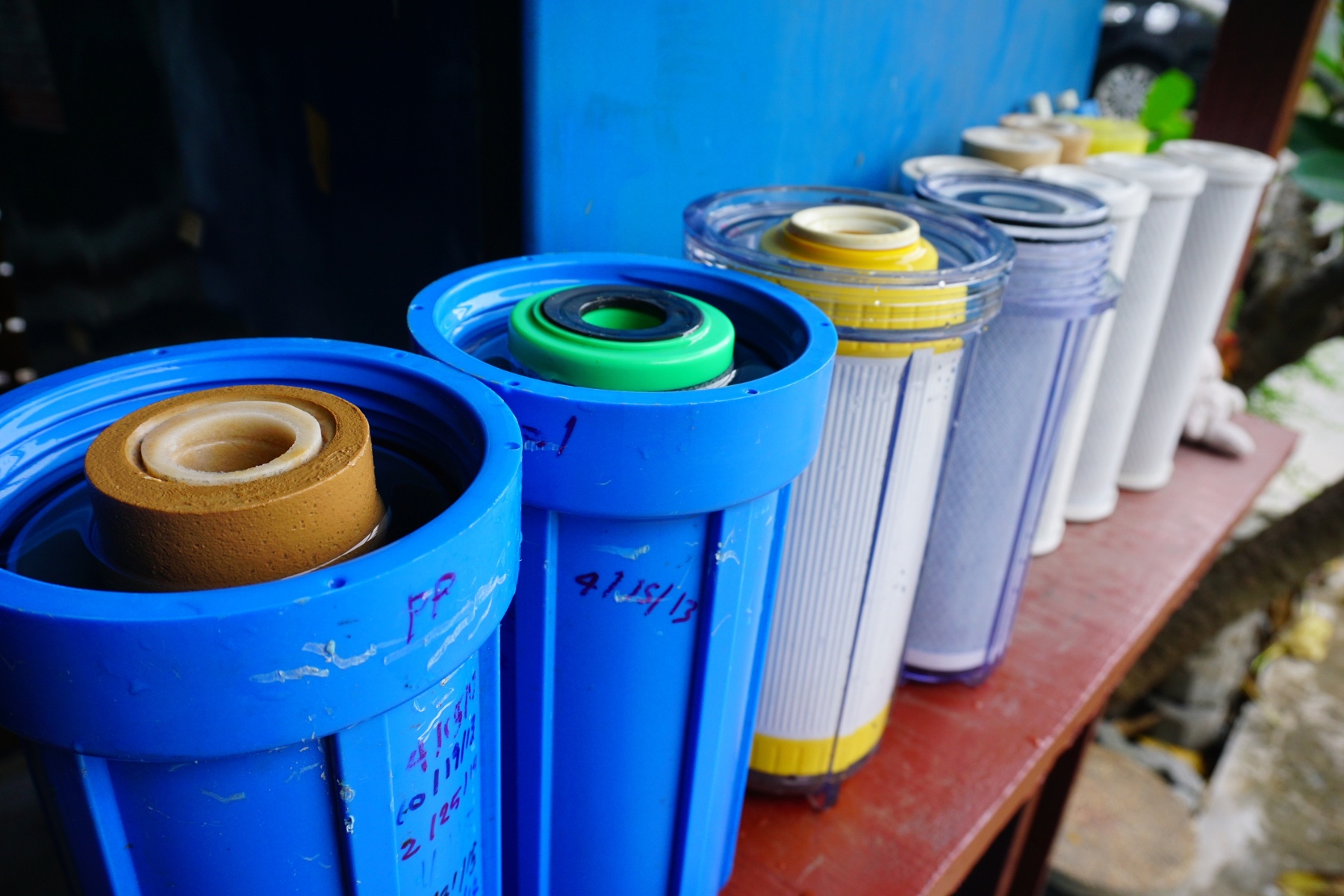
Similarly, other technologies use membranes or a special foam to remove PFAS, leaving behind a liquid or solid with a high concentration of the chemicals that then needs to be dealt with. While this might be highly effective at protecting the environment, it doesn’t solve the underlying pollution problem.
So, is there a way to destroy these hardy chemicals for good? We take a look at six decidedly unconventional approaches to answering that question, from blasting PFAS with ultraviolet light to ‘eating’ them with biological molecules.
1. The heavy hitters
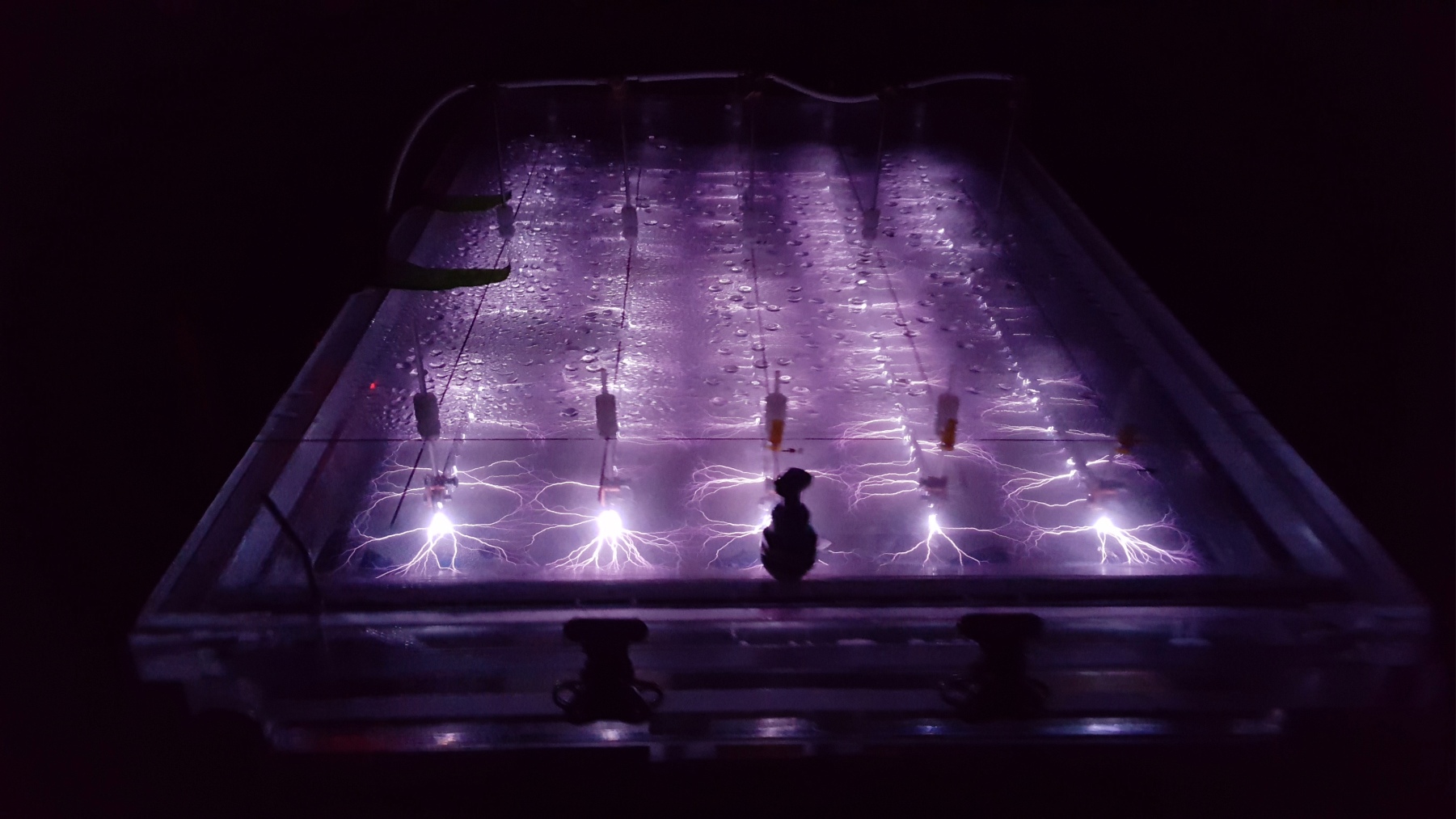
The tricky part when it comes to banishing PFAS is breaking the strong bond between their carbon and fluorine atoms. Doing that takes a lot of energy, which is why some researchers are turning to electricity for firepower.
One method uses plasma – a highly energetic, ionised gas created by zapping gas or steam with electricity. Plasma is something of a chemical sledgehammer, capable of smashing molecules into their constituent atoms.
It can attack all kinds of PFAS and even destroy chemicals known as precursors, which might later transform into PFAS. It can also tackle highly concentrated contamination without adding large quantities of other, potentially toxic, chemicals.
The problem is that the process isn’t always perfect. If the PFAS are only partly broken, they can turn into other forms that are often even harder to destroy.
Another method takes a more targeted approach, placing charged electrodes into the water that, through a complex chain of chemical processes, break down the PFAS in contaminated water. It can destroy large amounts of PFAS without adding many other chemicals, making it promising for concentrated waste, such as the liquid left behind after filtering through a membrane.
2. Shine a light
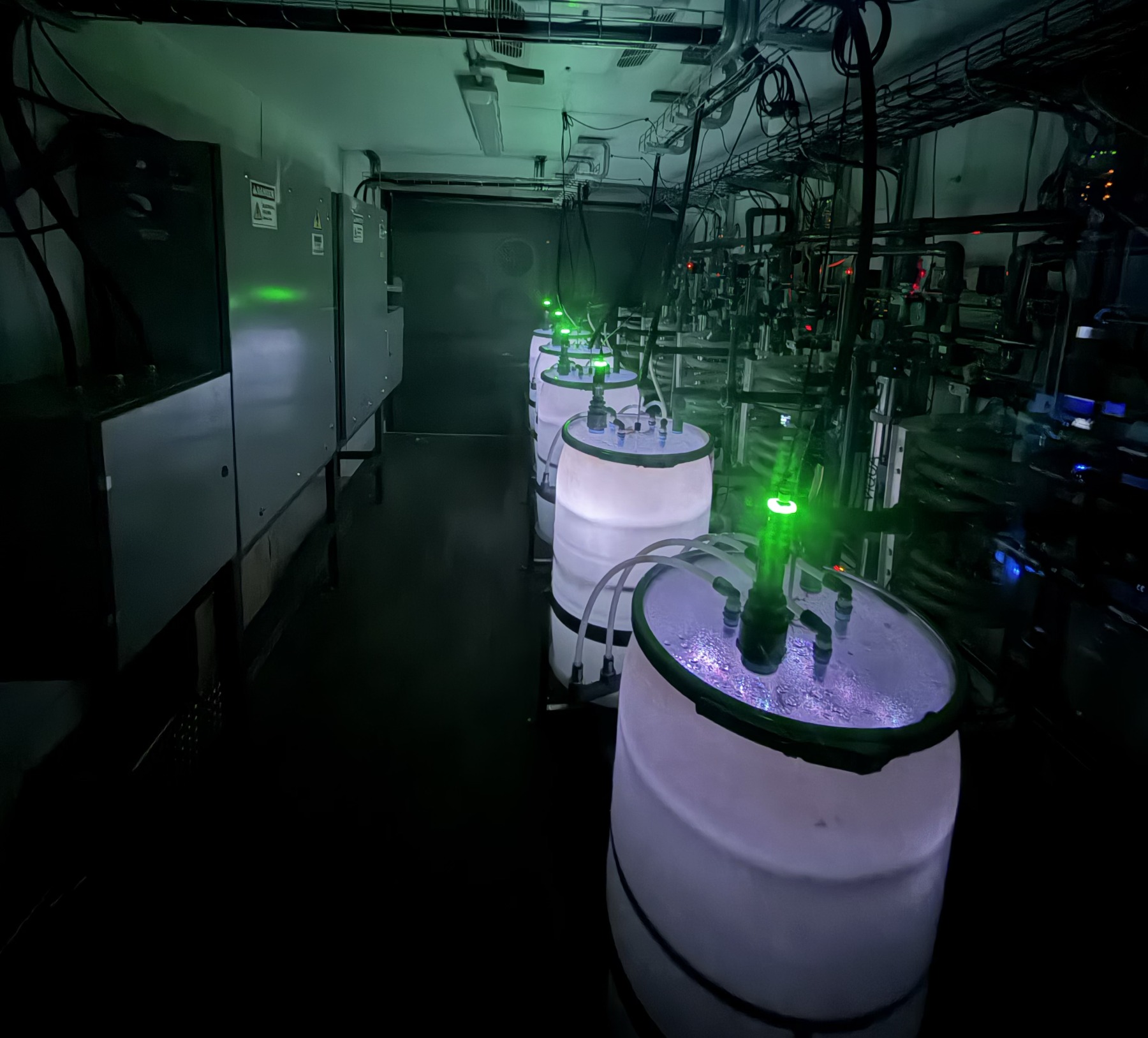
Another way to tear those pesky carbon-fluorine bonds apart is through photocatalysis, which uses ultraviolet light to activate a catalyst that acts like a microscopic demolition crew.
The catalyst absorbs the ultraviolet light, giving it enough energy to create what are known as hydrated electrons – electrons surrounded by water molecules. These can strip fluorine from the PFAS molecule and dismantle its structure.
There are some major pluses to the process. It can operate at ambient temperatures, has comparatively low energy consumption and the catalyst can potentially be recovered and reused, making the process more sustainable.
Read more:
- You’ve probably been drinking water the wrong way, say experts
- The 7 biggest lies you’ve been told about belly fat, according to weight loss experts
- Here’s what a world without Arctic ice would actually look like
But there are significant challenges. The efficiency of breaking down the forever chemicals can be low, and certain types of PFAS can be more difficult to break down. The process can also produce intermediate compounds that may themselves be toxic, needing additional treatment and handling.
There is also the question of scale.
“The challenge is you have to put energy in, and the energy is per volume,” says Prof Madeleine Bussemaker of the University of Surrey, who specialises in chemical engineering.
That’s fine if it is being used to treat water with a high concentration of PFAS, like the waste left after filtering. However, integrating it into existing water treatment would mean treating a huge volume of dilute contaminated water, requiring substantially more power.
As Bussemaker points out, “When you treat the source rather than the concentrate, it costs a lot.”
3. Extreme chemistry
Another approach is to push water to the very limit with a method known as supercritical water oxidation (SCWO). This places the contaminated water under high temperatures and pressures until it is pushed beyond its critical point – the threshold where liquid water and vapour become indistinguishable from each other.
Removing the boundary between liquid and gas means the PFAS can now dissolve into the water, opening up a new raft of chemistry.
This can achieve extremely high destruction rates of the chemicals, but can be just as damaging to the equipment as the technique causes a lot of corrosion and salt build-up. Creating facilities that can stand up to the task long term is something of an engineering challenge.
That hasn’t stopped US research and development organisation Battelle from developing the PFAS ANNIHILATOR system, which uses SCWO for use on concentrated waste. In 2023, they deployed a full-scale system to treat the contaminated liquid draining out of landfill in Michigan.
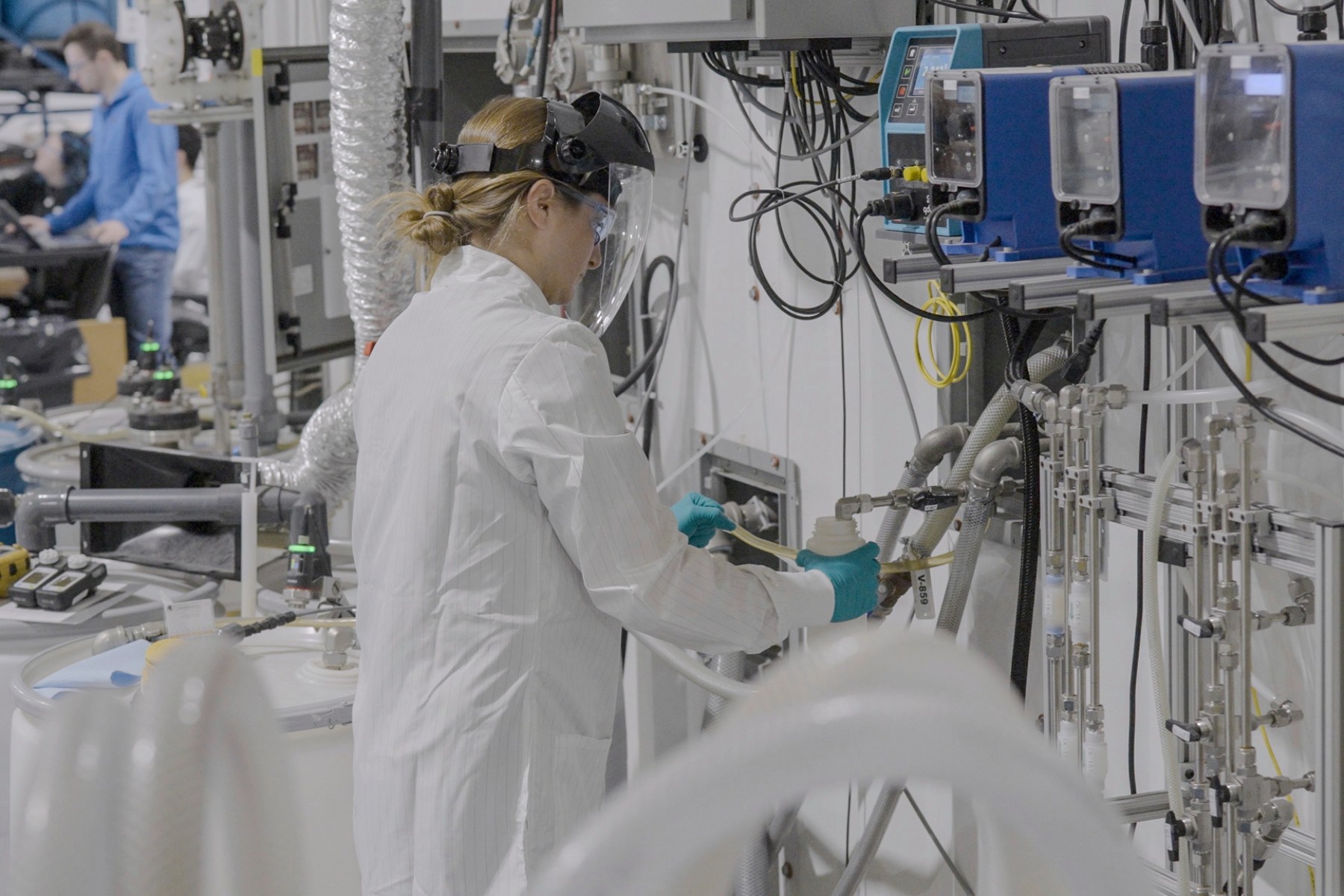
Another company, 374Water, uses its AirSCWO to treat waste including firefighting foam and the filters used to remove PFAS from the water supply.
Under the right conditions, the results can be impressive. A 2023 continuous-flow study reported 99.999 per cent destruction and removal at temperatures above 610°C. Although some PFAS proved more resistant than others, the method looks hopeful.
4. Might bacteria ‘eat’ them?
If you can’t beat them, ‘eat’ them. At least that’s what some researchers are looking into, as they investigate whether microorganisms could help break down some PFAS.
Rather than looking for bacteria that will simply gobble up PFAS, they’re searching for ones that make enzymes that can attack those stubborn carbon-fluorine bonds.
Enzymes are attractive because they can drive chemical reactions under much milder conditions than some other methods we’ve already covered – no need for high-pressure tanks or astronomical energy bills here. There have been intriguing laboratory demonstrations, with multiple bacteria looking promising.
But before you go imagining armies of PFAS-busting bacteria dealing with our plastic waste, there are some kinks to overcome.
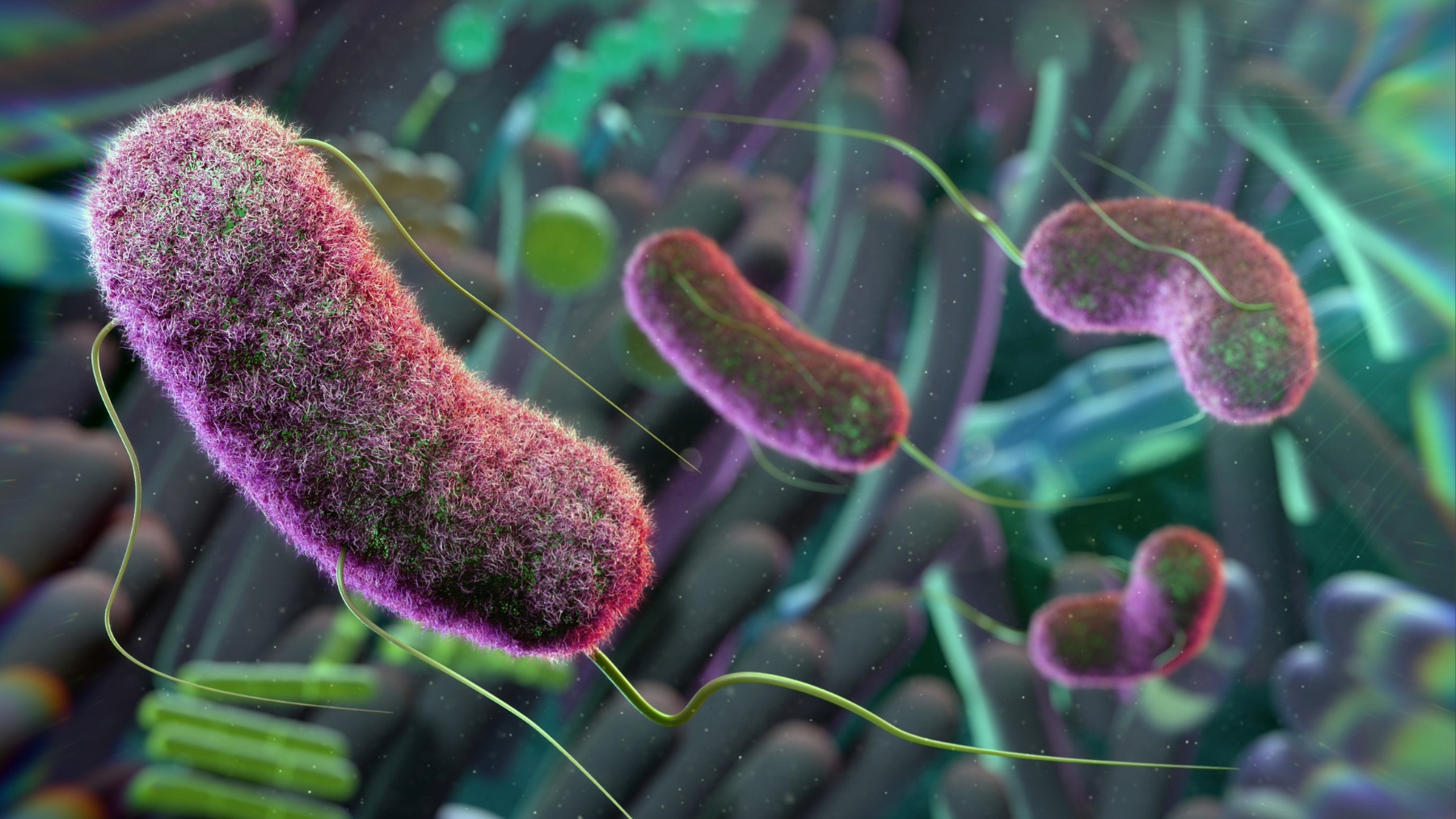
An enzyme that works on one PFAS may have little effect on another, and real-world waste is far more complex than a controlled laboratory sample. For instance, some byproducts of the process, such as fluorine, can be toxic to bacteria. So, the more chemicals these PFAS-busters break down, the less able they are to continue.
Another issue is speed. One test using Labrys portucalensis F11 metabolised over 90 per cent of certain PFAS, but it took 100 days to do so.
While ‘bacteria eat forever chemicals’ makes a great headline, the reality is more nuanced. It may be some time before we can harness biological chemistry to destroy PFAS for good.
5. Burn them
Perhaps one of the most straightforward approaches is incineration, which aims to destroy PFAS through intense heat. The advantage here is that the technology already exists and there are already furnaces capable of dealing with large scales of contaminated waste.
But PFAS are not ordinary rubbish. Temperature, oxygen levels and how long the waste remains in the furnace all matter.
PFAS only break down at very high temperatures, which once again requires a lot of energy. And if combustion is incomplete, the chemicals can break down into other – just as persistent – compounds rather than being fully destroyed, some of which could have the potential to cause global warming.
It can be difficult to tell if the emissions and ash that remain after burning are truly free of contamination. Making the original PFAS molecule disappear isn’t enough if it has simply been transformed into another, potentially just as persistent, compound.
The catch
Just as there is no single PFAS problem, there is unlikely to be a single solution. There are thousands of different PFAS, and a process that works well on one may be less effective on another.
“There is probably going to need to be a combination of a lot of different kinds of technologies because certain ones will work better in different situations,” says Metzger.
It is likely to be less about finding one magic machine to dispatch every last molecule, and more about building a toolbox, capturing and concentrating PFAS where necessary, then using the technology best suited to destroy them.
Ultimately, though, all these processes are a mop. What we really need to do is stop making a mess in the first place.
If PFAS emissions continue at source, Metzger warns, “we’re constantly going to be chasing the next toxic site”.
“The best thing to do would be to stop PFAS from getting into the environment in the first place,” she says. “There are a lot of uses of PFAS that we probably could move away from already.”
Scientists and companies are already developing fluorine-free alternatives for products that have traditionally relied on them. Unfortunately, there are some specialised uses where PFAS’s resistance to heat, chemicals or fire is difficult to replace, and suitable alternatives may not yet exist.
For these essential uses, the answer is tighter control throughout the chemical’s life cycle, from manufacture and use to disposal. That could mean better treatment of industrial wastewater, closed-loop manufacturing and dealing with PFAS-containing products at the end of their lives rather than simply throwing them away.
Metzger points to growing collaboration between government, industry and academia to monitor PFAS, develop alternatives and reduce exposure such as the plan announced by the UK government in February 2026 to deal with PFAS.
“There’s a lot of really good work going on,” she says. “Now it’s just making sure that we really stick to that and learn those lessons for the future to try to make sure we’re not repeating these mistakes again.”
Because the ultimate solution to forever chemicals may not be finding a better way to destroy them. It may be making fewer of them in the first place.
Read more:
