
For decades, scientists have been sounding the alarm about the Arctic’s impending collapse. And now, we may have crossed the tipping point.
Warming nearly four times faster than the rest of the planet, the Arctic could see its first ice-free summer as soon as 2027, far earlier than once feared.
That’s according to research from the University of Gothenburg, in Sweden, and the University of Colorado Boulder, in the US.
Worryingly, the data suggest that no matter how much we reduce greenhouse gas emissions from this point on, the ice will continue to disappear.
That, as you can guess, is one huge problem for planet Earth. The Arctic’s unravelling would send ripples far and wide, triggering a range of environmental shifts that are already being felt beyond the region.
“What happens in the Arctic is profoundly important globally, and change is occurring at pace. It should not be considered a remote and frozen wilderness, way over the northern horizon, of little relevance to most of humanity,” says Prof Philip Wookey, biological and environmental scientist at the University of Stirling.
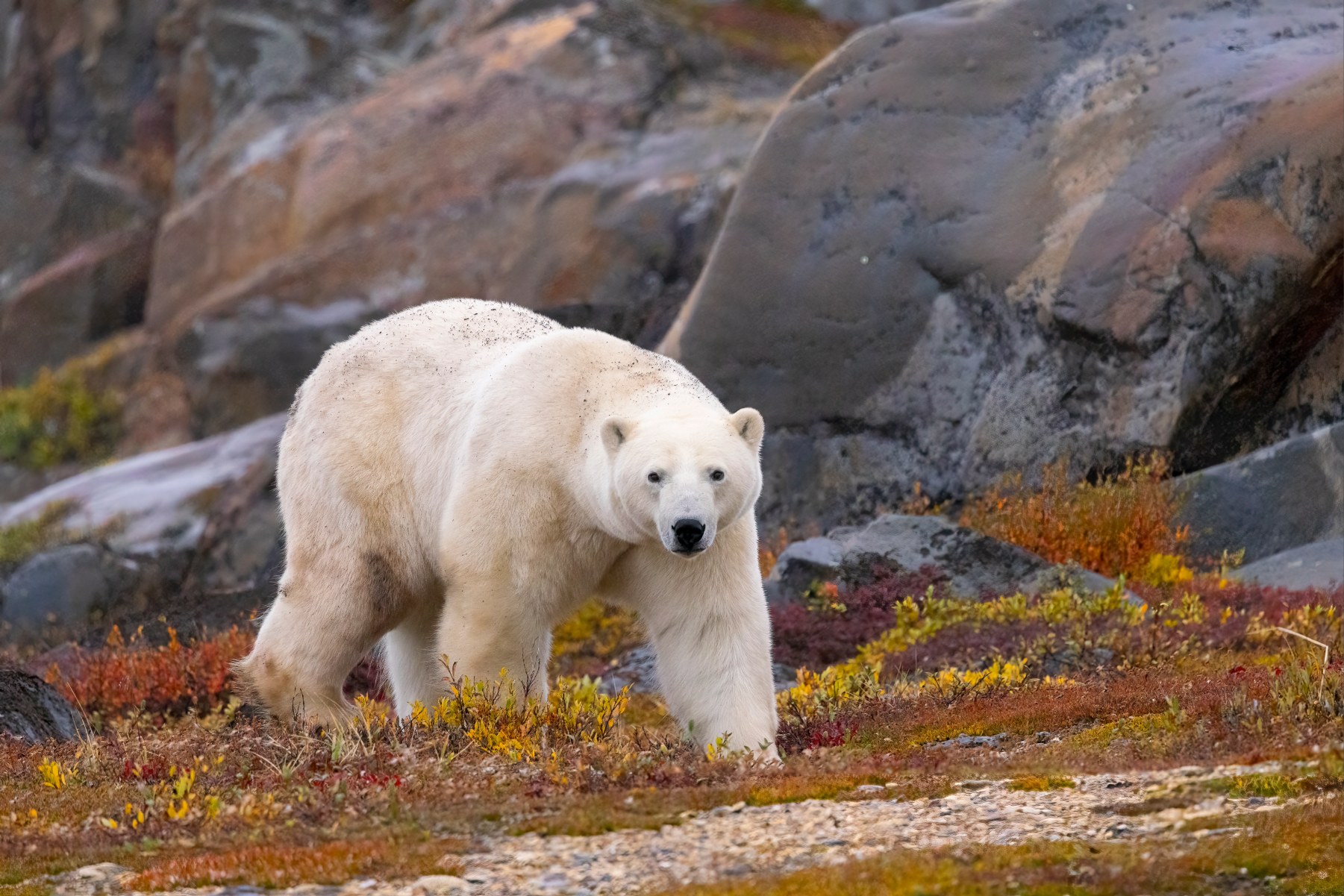
But what would really happen if all the ice melted? Some effects would be obvious to anyone – polar bear populations, for instance, would face a steep decline.
But there are far more unexpected – even bizarre – consequences. And some of these changes are already unfolding before our eyes…
Buried diseases are waking up
In 2016, a remote corner of Siberia experienced an outbreak that seemed ripped from the script of a horror movie.
Anthrax, a disease long thought to be under control in the region, re-emerged, infecting dozens of people and killing thousands of reindeer.
The source? A 75-year-old reindeer carcass that had been buried in permafrost, until rising temperatures thawed it out.
This case was a stark warning: as permafrost melts, long-frozen bacteria and viruses could be unearthed – even if they’ve been dormant for tens of thousands of years.
In recent years, researchers managed to successfully revive a 48,500-year-old latent amoeba virus, raising the possibility that pathogens from ancient epidemics, or even entirely unknown diseases, could be unleashed.
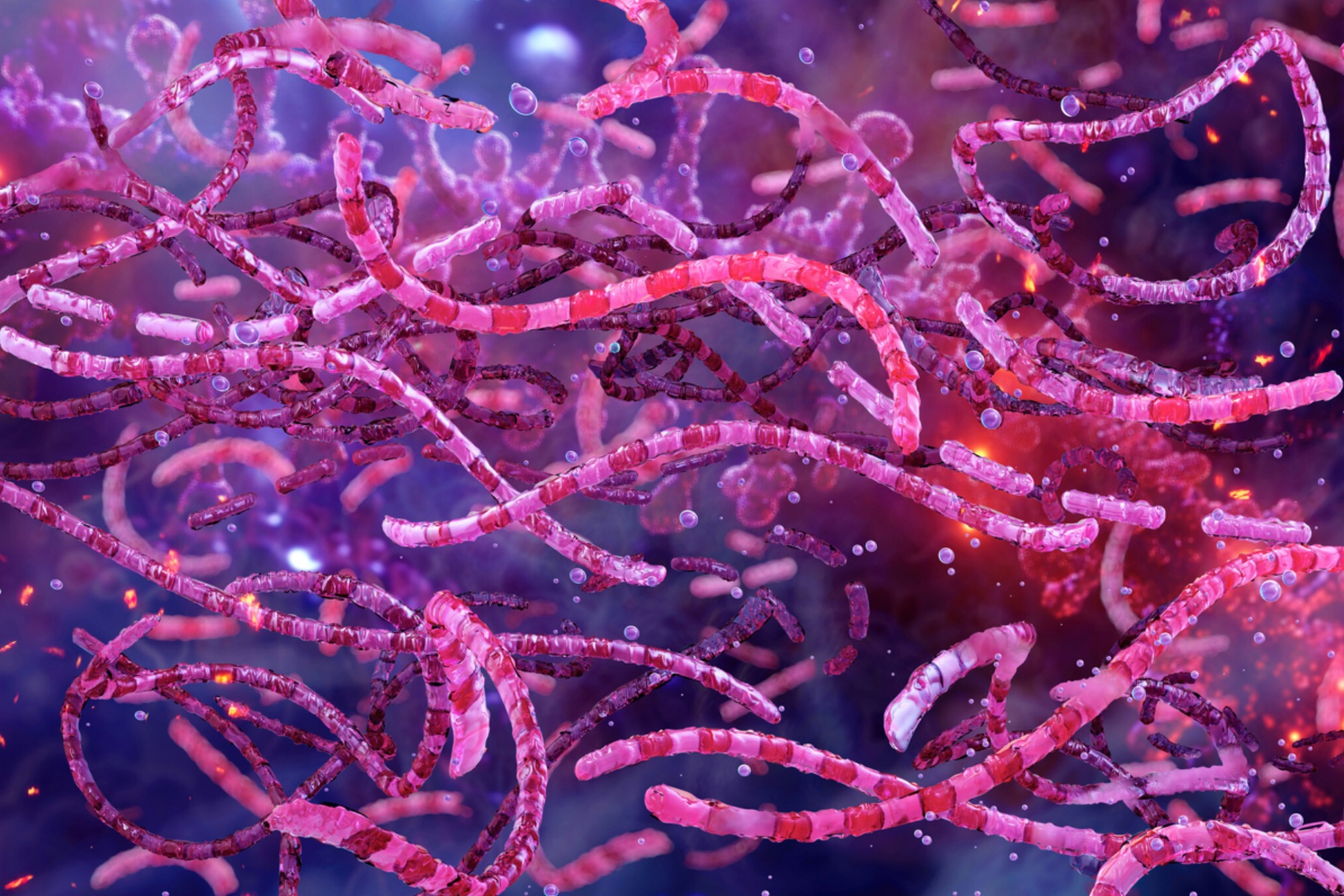
The greater threat, however, likely stems from the re-emergence of more ‘modern’ diseases.
“The diseases that pose the greatest risk are likely the ones that have most recently been frozen, and therefore most recently interacted with contemporary populations,” explains Prof David Pearce, environmental microbiologist at Northumbria University.
“The 2016 Siberian anthrax outbreak is one example, but another might be the 1918 influenza outbreak.
"There are currently victims of this epidemic buried on Svalbard, and concern has been raised about the fate of such viruses, were these graves to defrost.”
Read more:
- Experts just found an enormous volcano lurking under England
- A ‘monster web’ of ocean currents is set to collapse. And the US is not prepared
- "Can and will happen": A deadly ‘tsunami from the sky’ could soon hit the US, warn experts
The Arctic is greening
As the Arctic tundra melts, it’s making way for expanding boreal forests. Sounds like a good thing, right? More trees, more greenery – what’s not to love?
Unfortunately, the reality is far more complicated – and the future a lot less bright. Quite literally.
“More vegetation generally makes the ground darker, increasing the amount of the Sun’s energy that remains in the system, enhancing warming,” explains Marc Macias-Fauria, professor of physical geography at the University of Cambridge.
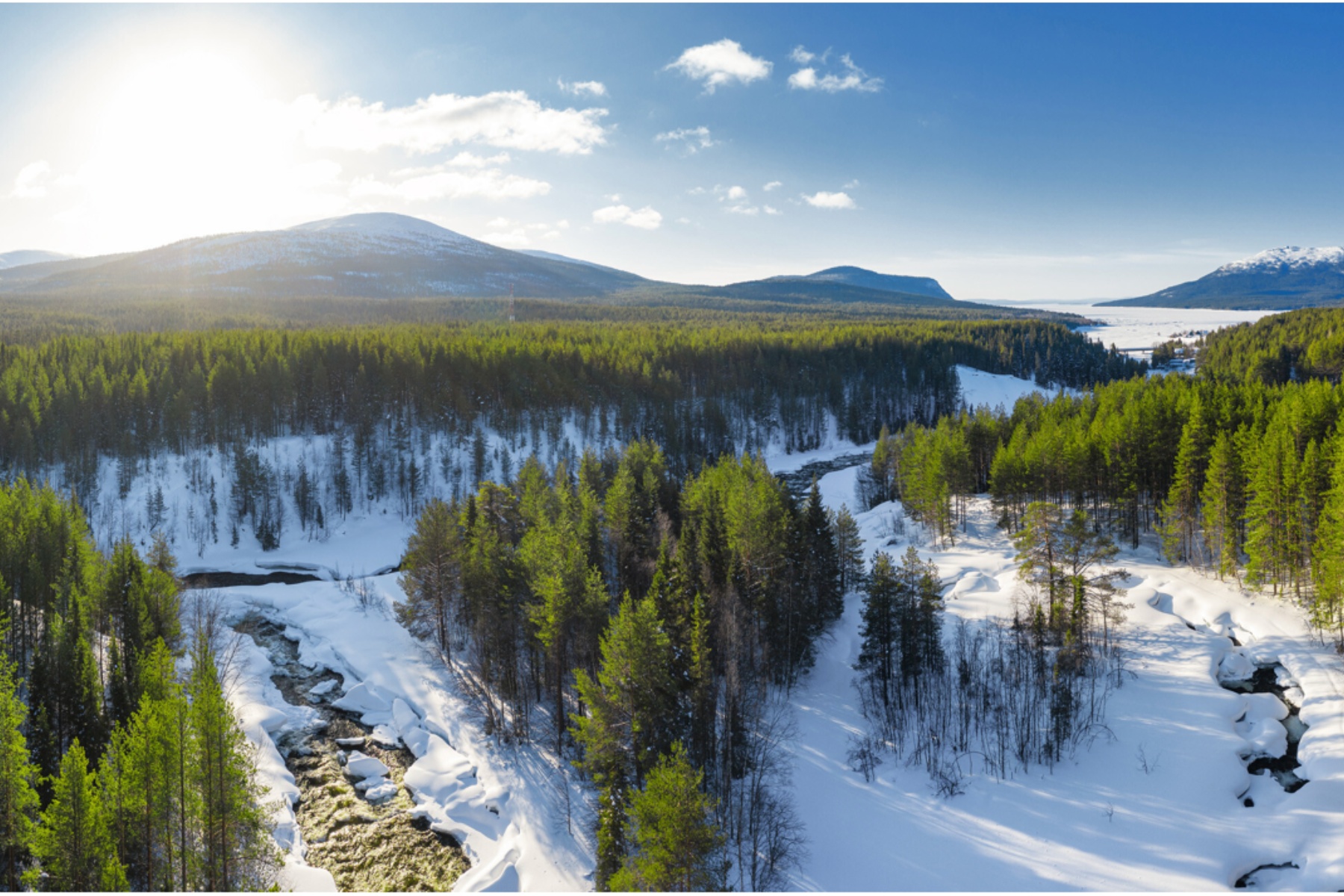
But wouldn’t more greenery help absorb greenhouse gases? In theory, yes – but only temporarily. While a greener Arctic may act as a short-term carbon sink, its long-term impact on climate warming is likely to outweigh any benefits.
The evidence is already clear: nearly half of the Arctic is greening, yet only 12 per cent of these areas are actually absorbing more carbon than they release.
Why? The answer lies beneath the surface – in the permafrost.
This frozen ground, which has remained intact for at least two consecutive years (and in some Arctic regions for as long as 700,000 years), holds a vast amount of trapped carbon.
In fact, soils in the northern permafrost region contain between 1,460 and 1,600 billion metric tonnes of organic carbon – roughly twice as much as is currently found in the atmosphere.
As temperatures rise, microbial processes accelerate the conversion of permafrost carbon into greenhouse gases like carbon dioxide and methane, which are then released into the atmosphere.
Greenland is rising
Greenland, which a certain US president is eyeing for purchase, is changing faster than ever. In fact, the Danish territory’s ice sheet is losing 30 million tonnes of ice an hour.
When the ice finally melts completely, raising global sea levels by 7.4m (24.2ft) – which will, incidentally, put Mar-a-Lago and most of Florida at significant risk of flooding – Greenland will be unrecognisable.
And we’re seeing significant changes today. In a process called isostatic rebound, Greenland’s landmass is rising by up to 12mm per year (around half an inch) as the immense weight of the ice is gradually lifted.
This natural process is expected to continue for decades, altering the island’s topography, and making it more difficult to implement the infrastructure needed for mineral mining.
At the same time, Greenland’s coastline is experiencing a very different fate. While the land rises inland, the edges of the island are crumbling.
As the permafrost – once a stabilising force – thaws, it’s breaking down and making the coastline increasingly vulnerable to collapse and erosion. Greenland’s capital and the island’s biggest port, Nuuk, will be at significant risk.
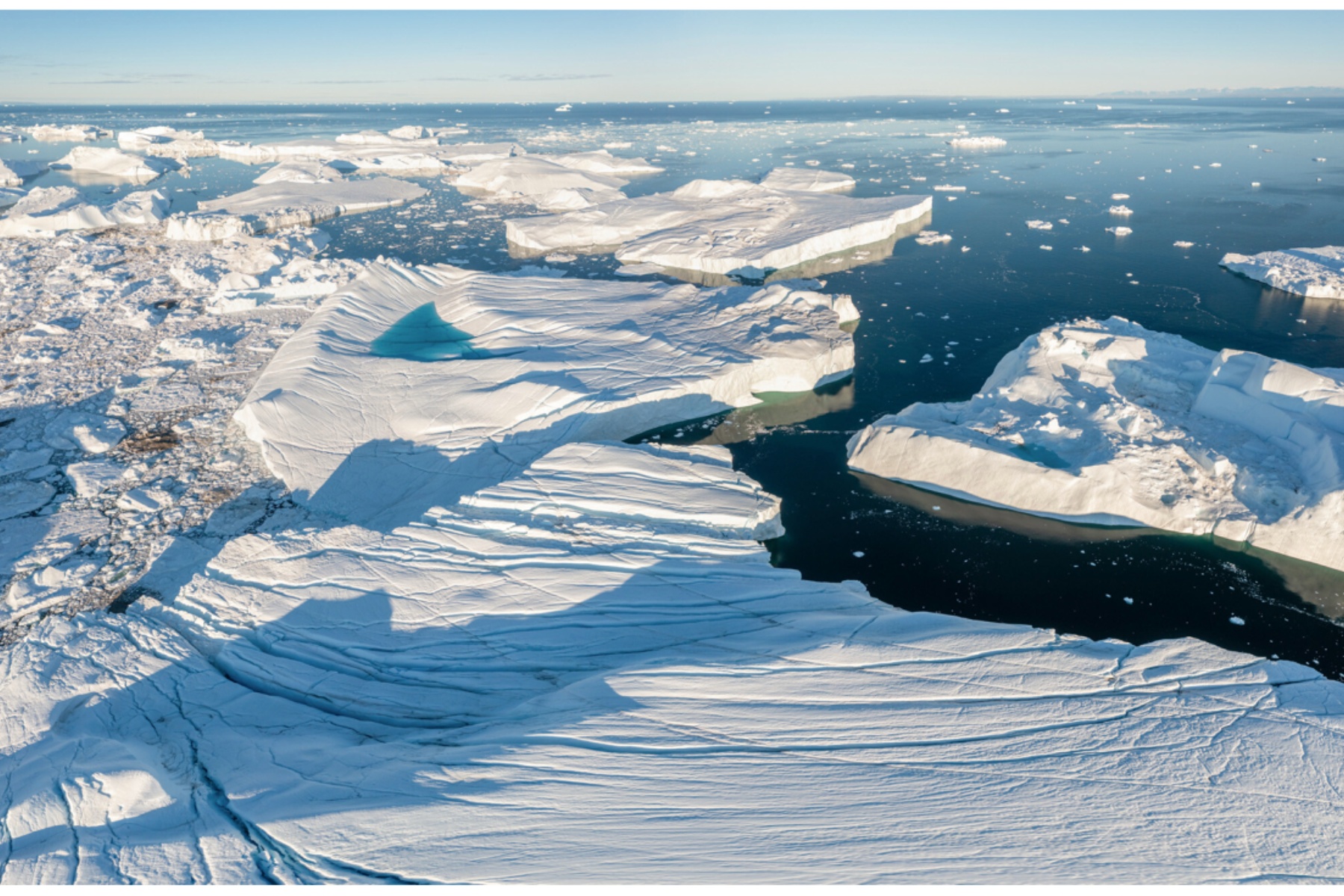
In the past three decades alone, approximately 28,707km² (11,000 square miles) of Greenland’s ice sheet and glaciers have melted – an area roughly the size of Albania. That’s 1.6 per cent of its total ice cover, gone.
What was once a frozen expanse of ice and snow is rapidly becoming a landscape of exposed rock, wetlands and vegetation.
Could this newly revealed land be prime real estate for future development? Not exactly. Rising temperatures aren’t just melting the ice; they’re also destabilising the land itself.
As permafrost thaws, it releases greenhouse gases, fuelling further warming.
And as we’ve mentioned, the loss of frozen ground along Greenland’s coast is making the land more vulnerable to erosion, crumbling away under the forces of wind and water.
So, if you were dreaming of beachfront property in Greenland, think again.
Read more:
- Here’s how much the richest 10% owe the planet for the environmental damage they’ve caused
- Mapped: The US landslide hazard zones now threatening 6.5 million Americans
- ‘It’s extremely controversial’: The bizarre, once-shunned idea that could finally cool our heating planet
Costly relocations are nigh
When you think of melting ice, you probably picture polar bears and reindeer losing their natural habitats – but a surprising number of humans are set to lose their homes too, and it’s happening right now.
One immediate example is Tuktoyaktuk, a village in Canada’s Northwest Territories, which is rapidly being eroded into the sea. Rising temperatures are thawing the permafrost that once kept the land stable, causing it to collapse beneath people’s feet.
At the same time, coastal erosion is devouring roads, homes and infrastructure, leaving residents with no choice but to consider relocating.
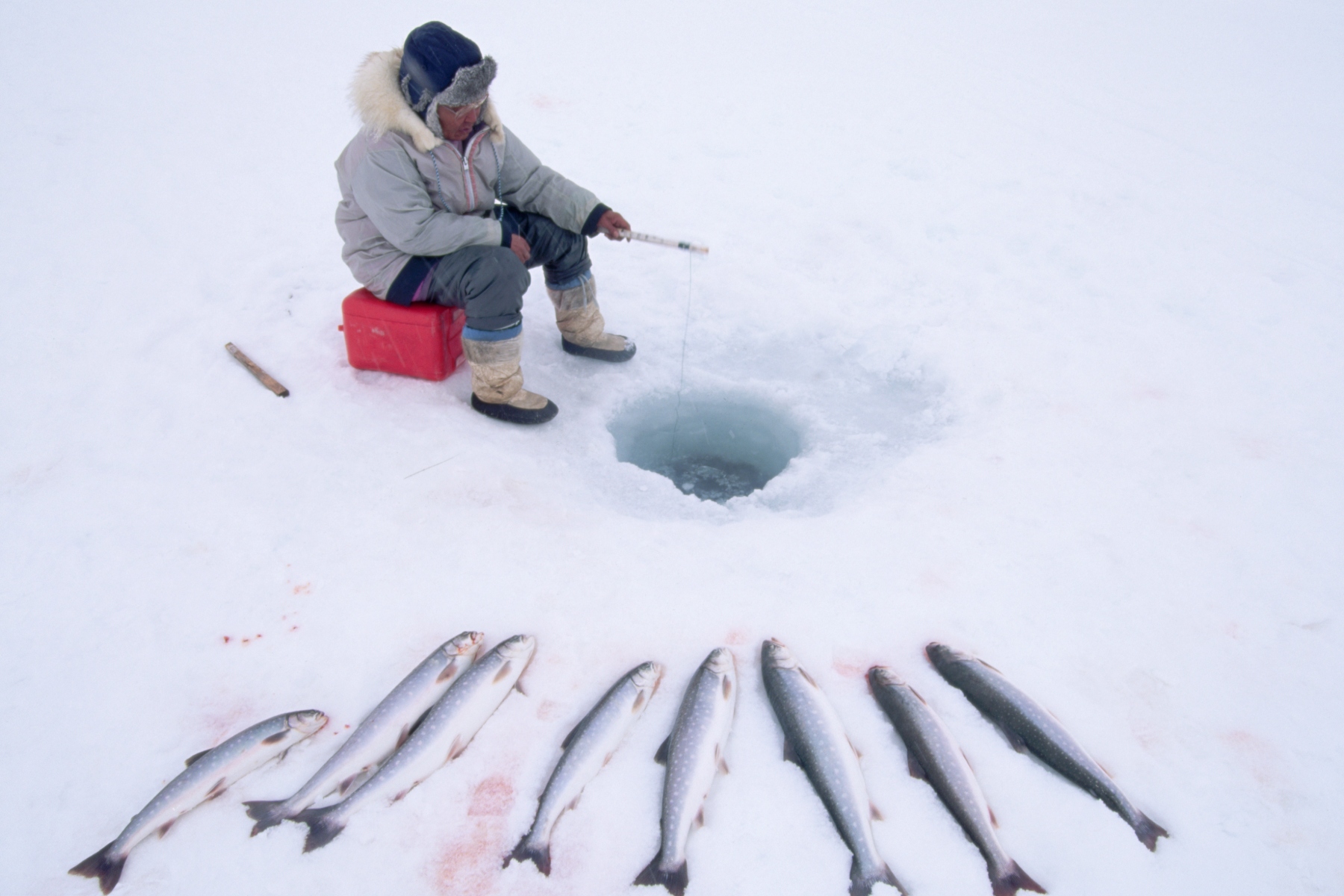
Tuktoyaktuk may be a small village with just 937 residents, but it’s far from alone in facing this crisis. Across Scandinavia, Alaska and Russia, much larger communities are also being threatened by melting ice and coastal erosion.
In Russia, the problem is on a massive scale. A study by Lomonosov Moscow State University found that 7,000 hectares of land – an area nearly the size of Manhattan – is lost to the sea every year.
That’s alarming, considering 5.4 million people currently live in Russia’s permafrost zone.
Manhattan itself – and plenty of other US coastal cities – are also under threat. Research shows that $1.4tr (approx £1tr) worth of real estate sits within 215m (700ft) of the US coastline – areas that could face major flooding within the next 30 years.
By 2050, between 4 and 13 million Americans could be directly impacted by rising seas and worsening storms.
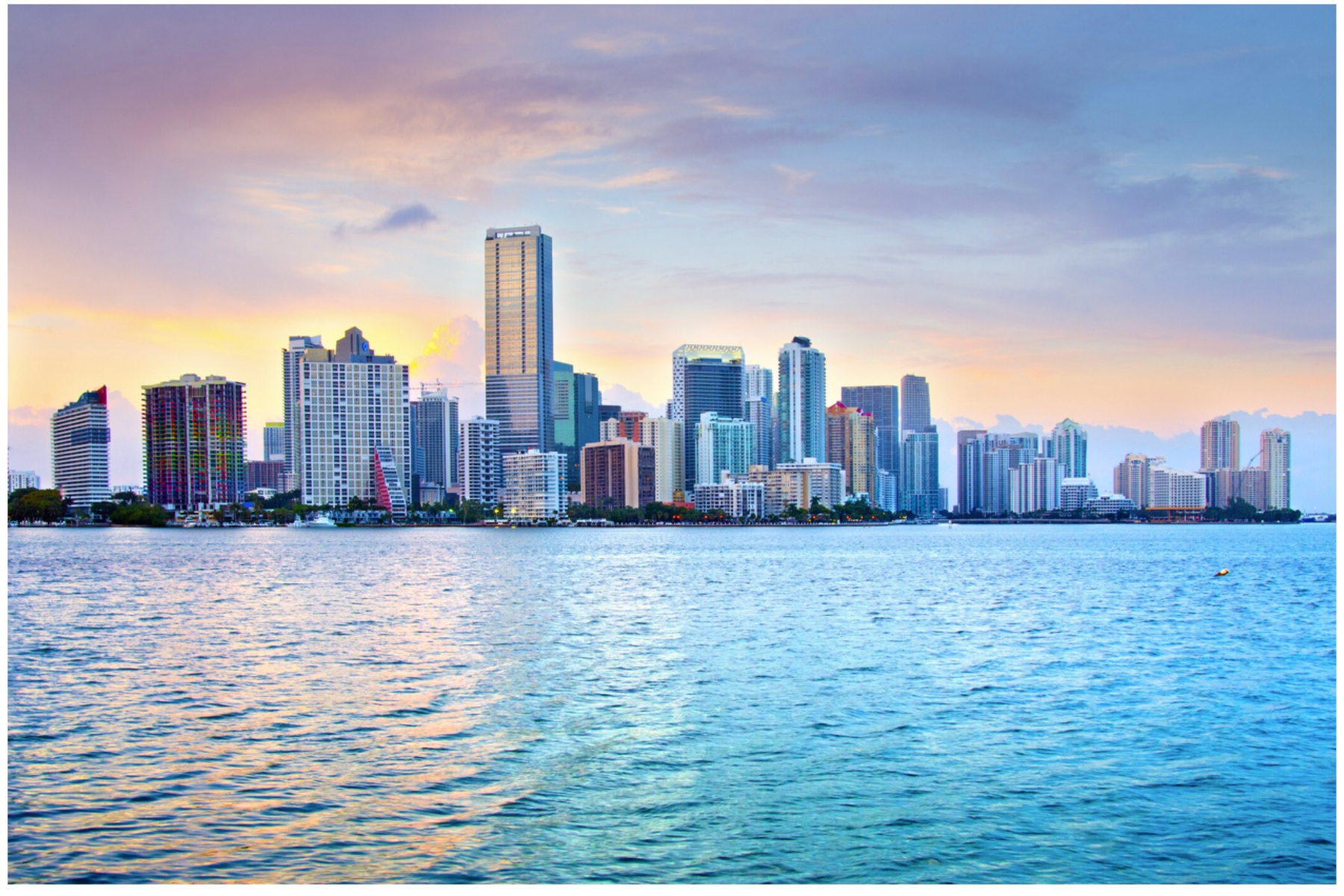
If just 10 per cent of these people or properties need to relocate, the cost could skyrocket to $140bn (approx £107bn) – a financial and humanitarian crisis that the country may soon be forced to confront.
Major cities like Jakarta, the capital city of Indonesia, are already sinking due to a combination of rising sea levels and groundwater extraction.
Projections suggest that large portions of Jakarta could be underwater by 2050, which has led the Indonesian government to begin plans to build a new capital further inland.
Marine ecosystems are being decimated
Again, it’s not just the polar bears. As the Arctic warms, its fragile food chains are crumbling. Fish species that have long thrived in cold waters, like Arctic charr, are struggling to survive temperature rises.
Across the region, species that depend on cold, stable environments are seeing their populations decline, threatening biodiversity.
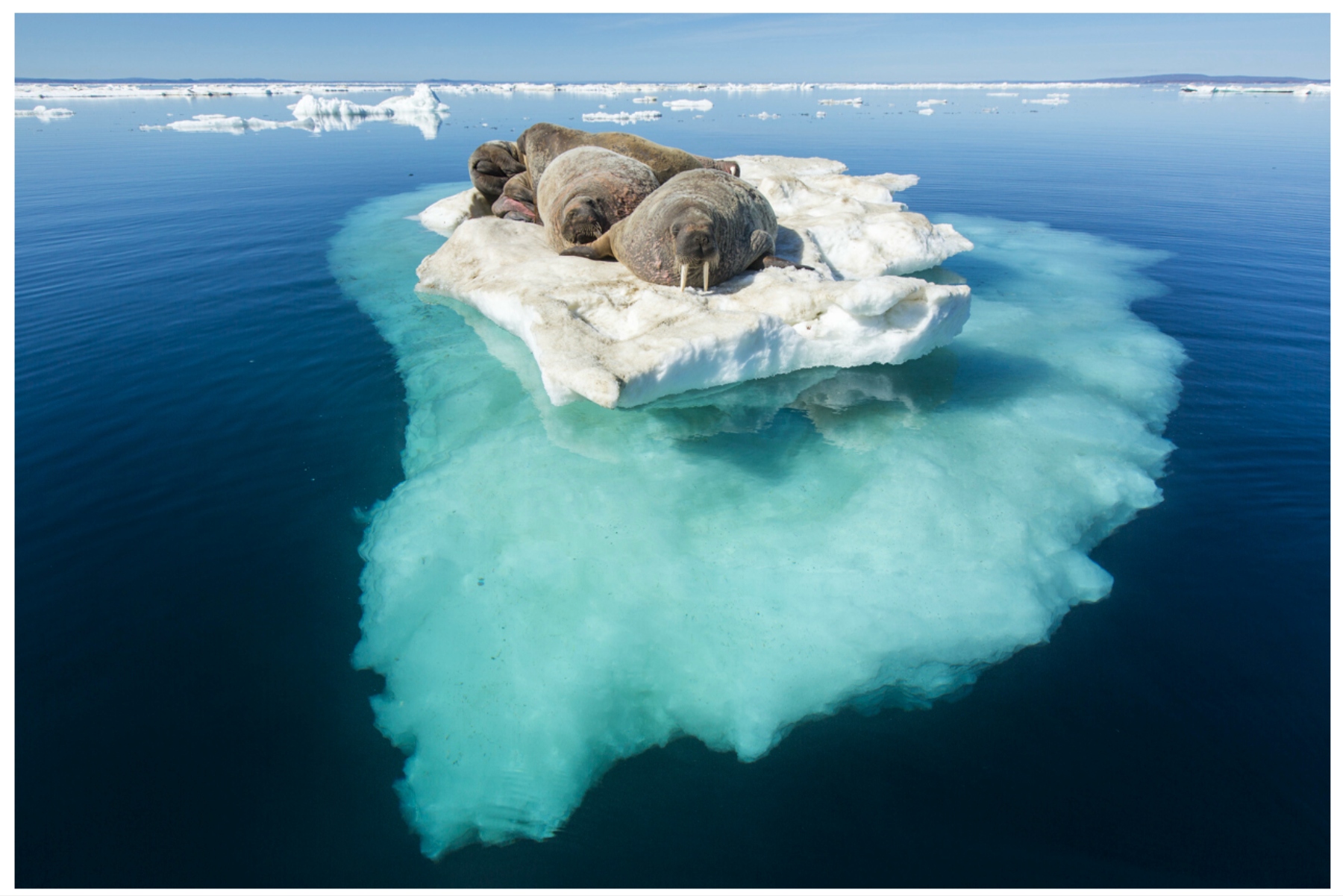
The Alaskan crab industry has been hit particularly hard. In 2015, NOAA Fisheries scientists recorded a record number of juvenile snow crabs during their annual survey in the eastern Bering Sea. But, just three years later, the situation had drastically changed.
Between 2018 and 2019, juvenile snow crab populations plummeted by roughly half. By 2021, the survey found the lowest number of snow crabs on the eastern Bering Sea shelf since the survey began in 1975.
Over the span of just a few years, more than 10 billion snow crabs had vanished from the region, a decline directly linked to warming waters altering breeding and feeding conditions.
The message is becoming clearer every day: the fate of the Arctic isn’t just a distant concern – it’s deeply intertwined with all life on Earth.
Read more:
