
The 'mouth biome' (or oral microbiome) refers to the vast community of microbes that live in your mouth – trillions of microscopic organisms, mainly bacteria, plus fungi and viruses. The mouth has the second-richest microbiome in the body, after the lower gut.
It’s incredibly complex: different microbes prefer different spots, such as the teeth, tongue, cheeks or gums. The mouth is perfect for them – warm, with a relatively stable acidity and saliva to constantly supply nutrients.
Your personal microbiome starts forming at birth. As you grow, social habits and diet become the biggest shapers. A ten-second kiss, for instance, can swap around 80 million microbes, so couples who kiss often end up with similar mouth microbiomes.
But does your oral microbiome affect taste? Yes – but only to a certain extent. Many foods contain ‘precursor’ molecules, which microbes break down while you chew, releasing hidden tastes.
In reality, though, the major driver of taste perception is genetics.
Around 25 per cent of us are ‘supertasters’ with far more of the tiny mushroom-shaped papillae on the tongue that house taste buds. To these people, bitter flavours are overwhelming.
Others with fewer papillae find the same tastes weak or bland.
On top of that, a single gene (TAS2R38) decides whether bitter compounds in broccoli or Brussels sprouts taste sharp and unpleasant – or barely register at all.
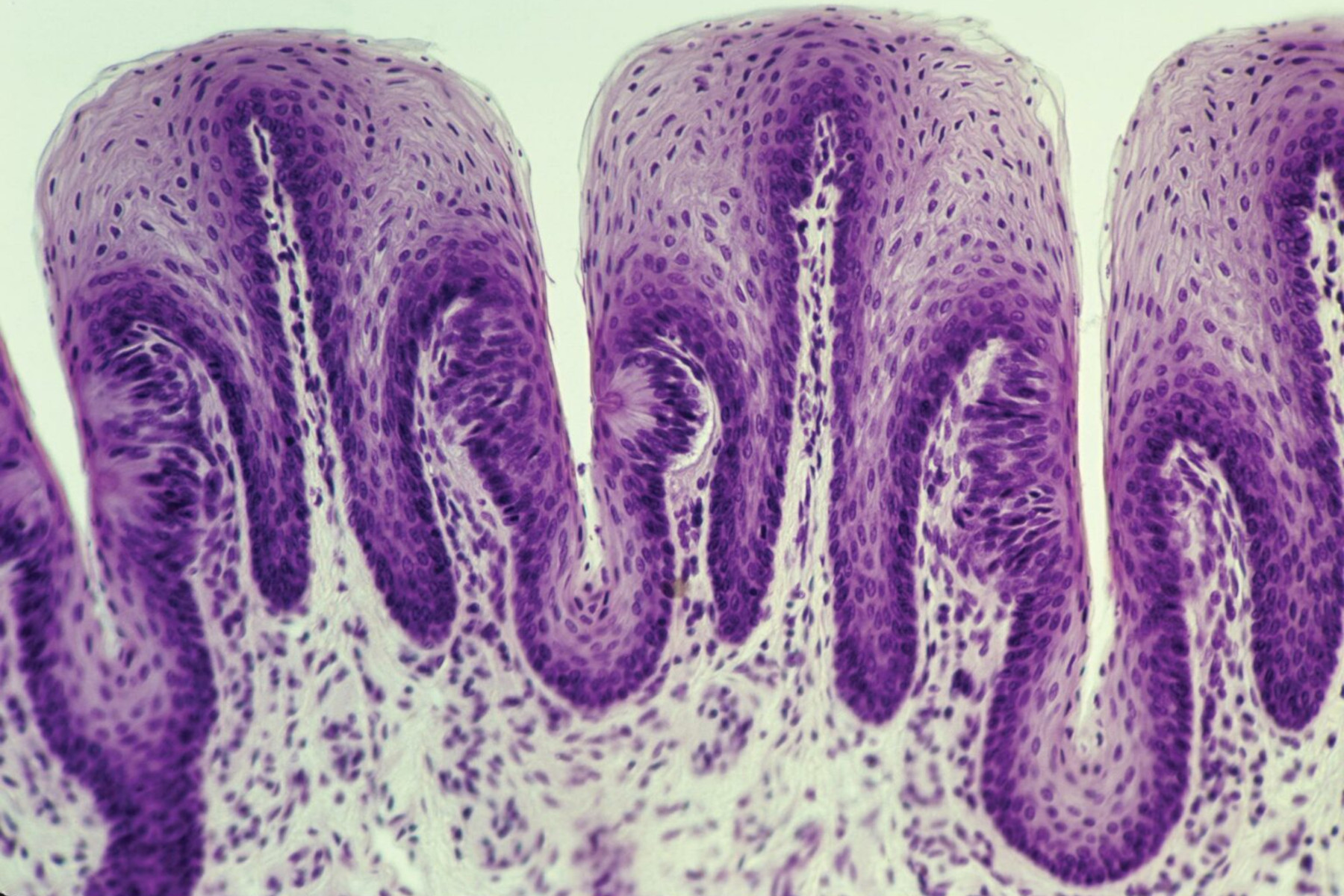
Finally, your saliva contains proteins that can alter the perception of how dry or bitter certain foods containing tannins (e.g. wine and tea) can feel. The levels of these proteins are determined by your genes.
So, while your mouth microbiome adds nuance to flavour, your genes are the real directors of taste.
Think of microbes as the seasoning on a dish – they enrich the experience, but the recipe itself is written in your DNA.
This article is an answer to the question (asked by Adam King, Huddersfield, via email) 'Why do people have different mouth biomes, and does it affect taste?'
To submit your questions, email us at questions@sciencefocus.com, or message our Facebook, X, or Instagram pages (don't forget to include your name and location).
Check out our ultimate fun facts page for more mind-blowing science
Read more:
