
A discovery of over 3,000 archaeological objects spanning the Stone Age to the Second World War in a stream valley in the Netherlands has highlighted how humans have been drawn to water throughout history.
The objects, including 600 of “particular significance”, were found in the Nieuwe Drostendiep stream valley, showing that locations like this have been important to humans for centuries as trade routes, sources of food, and even places of spiritual significance, say experts.
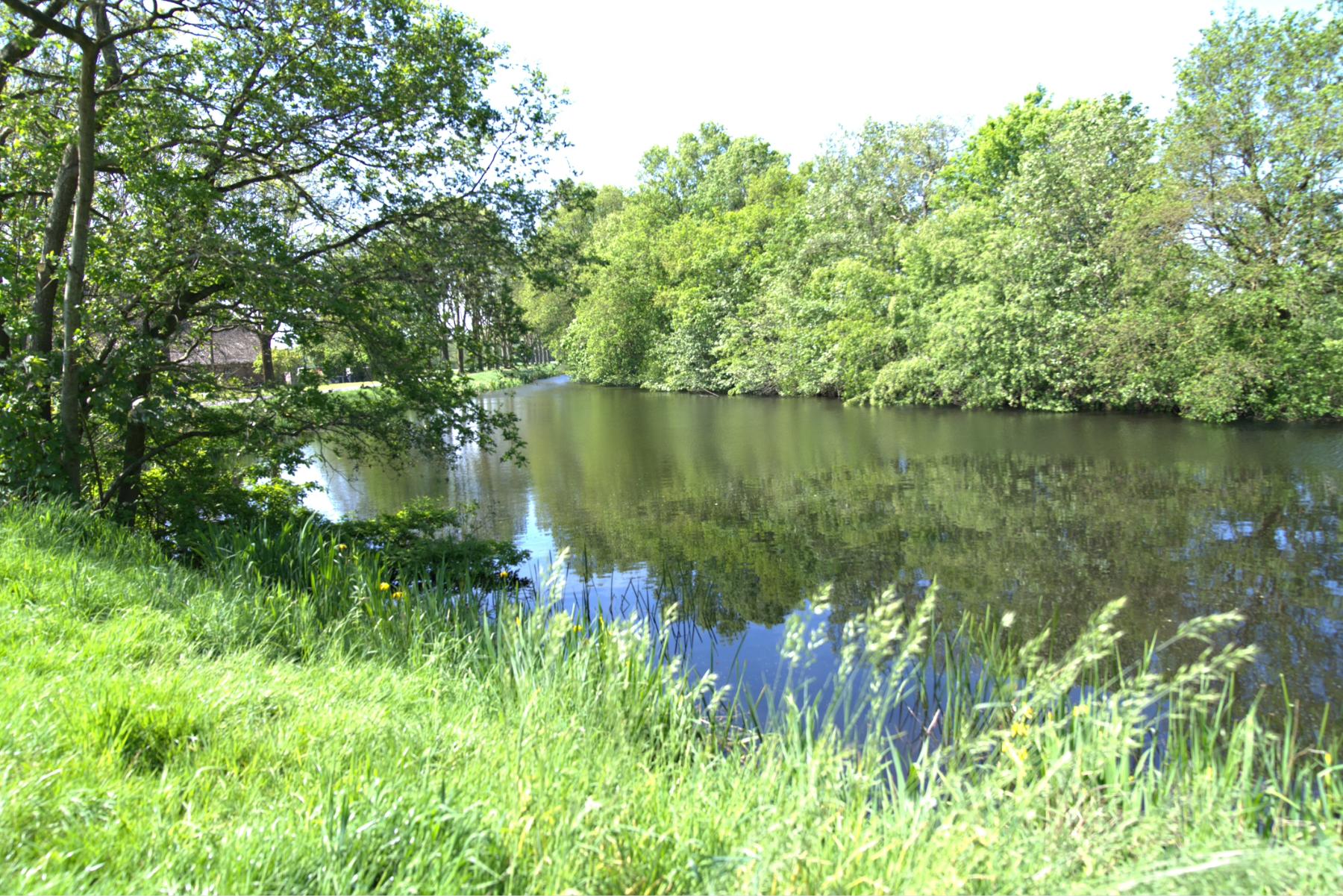
The Nieuwe Drostendiep stream valley, which lies between Sleen and Oosterhesselen in the Drenthe province in the north of the country, is undergoing environmental restoration work. As part of this process, the upper soil layer of the area was carefully examined by archaeologists. To their amazement, they found hundreds of items, including tools from the Stone Age and Bronze Age and jewellery dating from 200 BC to the early Middle Ages.
Of particular interest was a gold ring dated to the 3rd or 4th century AD and a fibula pin (an item used to fasten clothing, considered the precursor to the button) dated to the 10th or 11th century AD. Archaeologists also uncovered objects from more recent periods, such as the Eighty Years’ War (1568–1648) and the Second World War.
The researchers say their discovery is remarkable due to the large number and variety of objects, as well as the exceptionally good condition in which many of them were found. The finds were so well preserved as they were found in a relatively undisturbed soil layer.
“The stream will have provided resources – water and food, the latter including prey animals attracted to the drinking water and, later, farmed animals – and, importantly, the context for preservation of the evidence,” said Prof David Bridgland of Durham University, who studies the relationship between environment and human evolution.
Yvonne Turenhout, a provincial executive member for Provincie Drenthe, which oversaw the project, said: “We are proud of the rich history of our Drenthe and its beautiful landscape. These remarkable finds emphasise that value even more.”
The artefacts are not yet on public display and are still being studied, cleaned, and catalogued. Officials are said to be considering an exhibition, as well as investigating ways to make part of the collection digitally accessible.
Read more:
- We may have just cracked one of Stonehenge's greatest mysteries
- Mysterious ancient human settlement discovered 2,000m up a mountain, stunning experts
- The legendary lost Maya 'white jaguar' city may finally have been found
Featured image of ring used for illustrative purposes; it was not found at Nieuwe Drostendiep
