Dropping off a bag of old clothes at the charity shop feels good. We assume that we’re doing something positive for the world, and that our clothes will get a second life with someone who needs them.
But what really happens to our used clothes after we donate them to charity?
The rise of fast fashion in recent decades means that the amount of used clothes being donated vastly exceeds demand.
We’re also buying more cheap, synthetic clothing, which wears out faster and often isn’t good enough quality to be reused or recycled into something new.
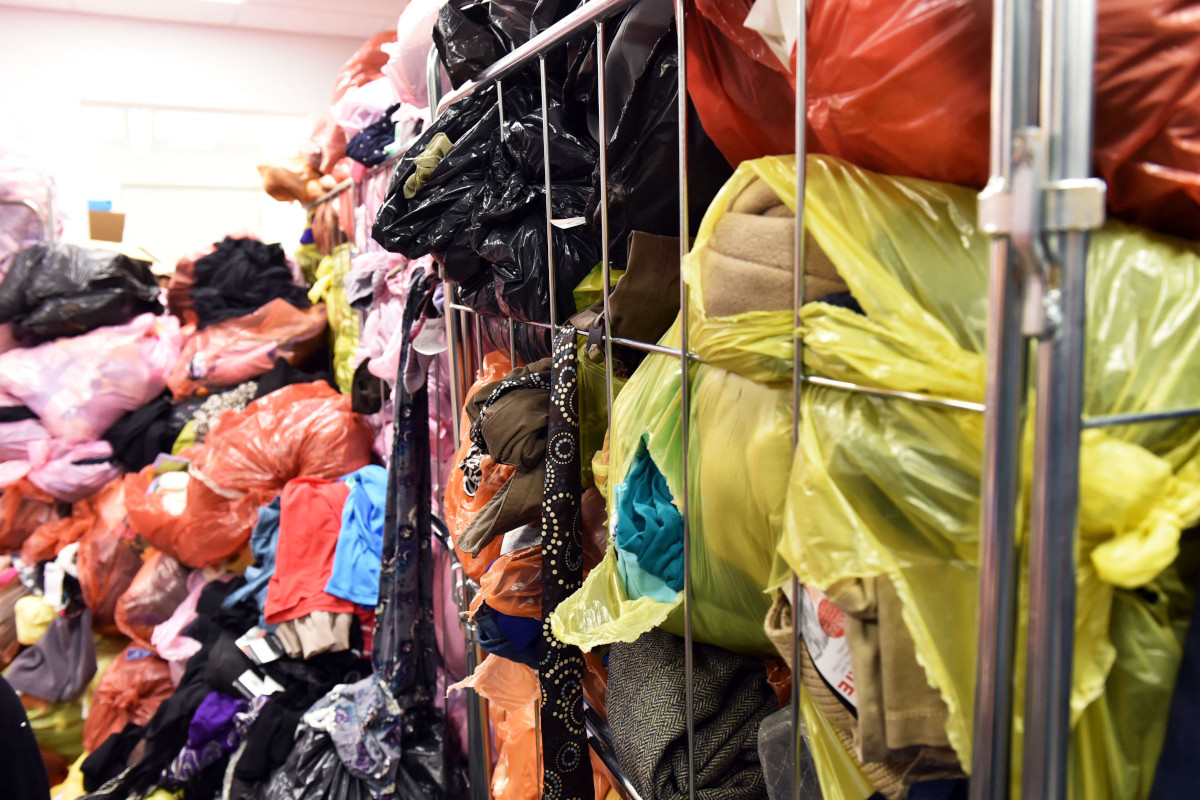
As a result, every year, over 90 million tonnes of textiles waste is produced globally, but less than one per cent of that is recycled or reused.
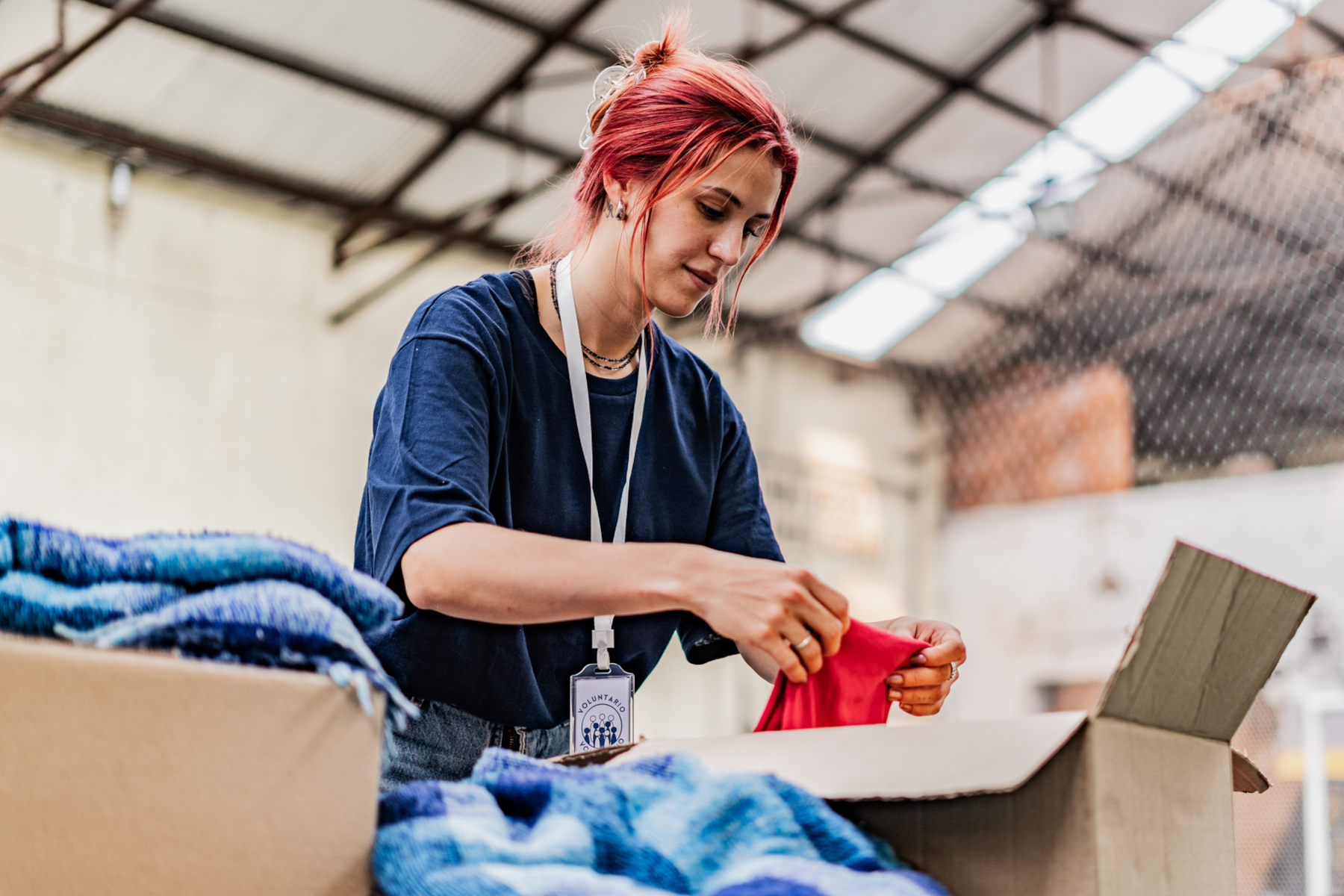
When you donate your used clothes, the charity first has to sort through them. The best quality and most valuable pieces will end up on the shop floor.
The rest is either thrown away – the UK sends an estimated 300,000 tonnes of clothing to landfill every year – or packed into huge bales and shipped overseas.
A 2024 study of clothing donations in nine cities, including Austin, Berlin, Melbourne, Manchester and Toronto, found that between 33 per cent and 97 per cent of donated clothes are exported.
In 2019, Europe exported nearly 1.7 million tonnes of used clothing and textiles, mainly to Africa and Asia. In these territories, they are resold in bulk at second-hand markets and then sorted by traders looking for high-value items.
The rest is discarded.
A 2023 study found that around 50 per cent of clothing exported to Kenya ends up as waste – shredded into rags and either buried in landfill or burnt.
All that wasted clothing has a big impact on the environment. Around two-thirds of clothes are made from synthetic fibres, such as polyester, which don’t biodegrade.
So, if they end up in landfill, they slowly break down into microplastics in the environment, which can harm wildlife, ecosystems, and human health.
If they’re burned, they release greenhouse gases into the atmosphere, which contribute to climate change. Burning synthetic fibres also emits toxic chemicals, which can pollute the air and water, damaging the health of local people and wildlife.
Transporting donated clothing abroad also has a large carbon footprint. In fact, from production to waste, the fashion industry accounts for as much as 10 per cent of global carbon emissions – more than international flights and commercial shipping combined.
Donating clothes to charity might feel like a good thing to do, but it can’t fix the impact that fast fashion has on the environment and people’s health.
If you have high-quality used clothes, particularly ones made from wool or cotton, then donating them can really help people in need.
However, buying new clothes less often, repairing damaged clothes, and resisting the temptation to buy new items every season, can have a much bigger positive impact on the world.
This article is an answer to the question (asked by Francesca Taylor, Peterborough) 'What happens to my clothes after I donate them to charity?'
To submit your questions, email us at questions@sciencefocus.com, or message our Facebook, X, or Instagram pages (don't forget to include your name and location).
Check out our ultimate fun facts page for more mind-blowing science
Read more: