
‘Italians are passionate. Swedes are beautiful. Brits love queuing.’ Many of us routinely make these kinds of sweeping statements about people from different countries.
Most of the time, these generalisations are based on stereotypes, prejudice or experiences we had on holiday – not rooted in scientific fact.
But, sometimes, scientists have the same thought: can we meaningfully compare the personalities of whole nations against each other?
In one such attempt, researchers attempted to produce a global map of the world’s most honest and dishonest countries.
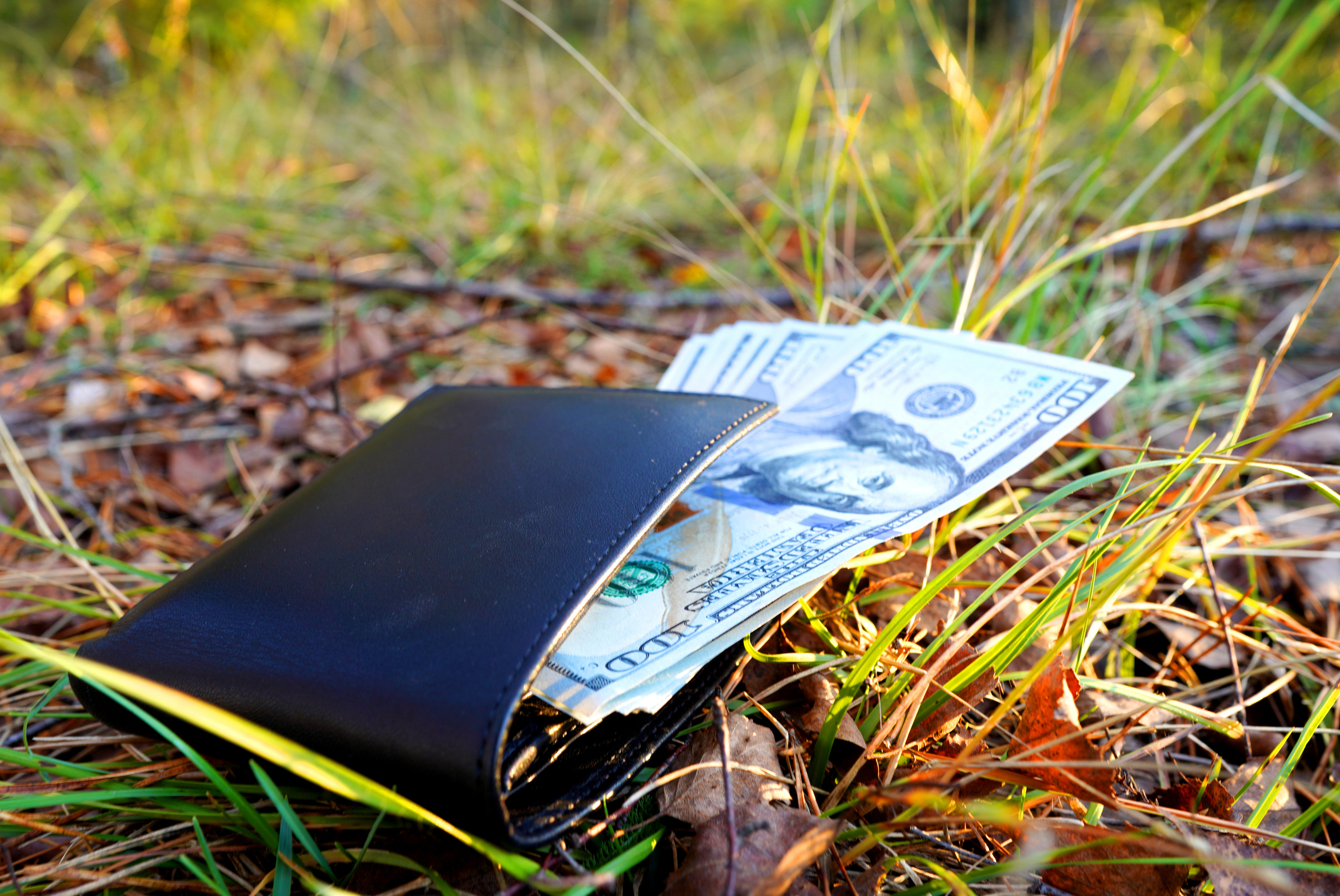
This wasn’t based on airport people-watching, but dropped wallets.
Researchers handed in 17,003 ‘lost’ wallets to people in charge of businesses and institutions, in 355 cities and 40 nations. Then, they recorded the number of wallets that were actually returned to their rightful owners.
This is what they found.
The honest results
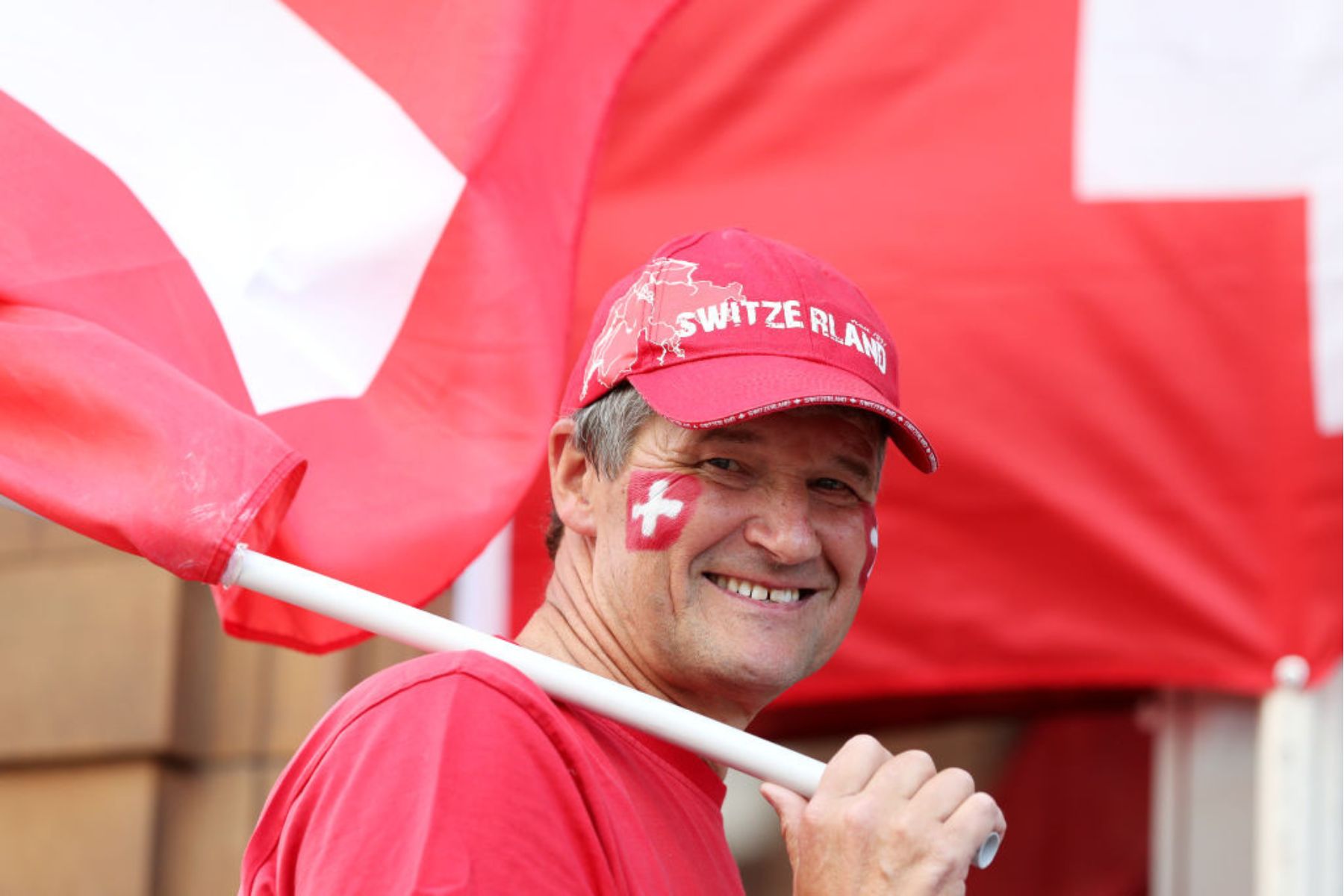
After all that wallet swapping, residents of Switzerland, Norway and the Netherlands were declared the ‘most honest’.
In contrast, the countries deemed ‘least honest’ were Peru, Morocco and China, with China returning as few as 7 per cent of empty wallets and Peru just 13 per cent of wallets containing money.
The US and UK were roughly in the middle of the list, ranked the 21st and 22nd most honest nations, with 52 per cent and 50 per cent wallet return rates respectively.
Overall, the top of the honesty list was dominated by very wealthy countries, whereas the poorer countries tended to appear towards the bottom of the list, suggesting that poorer populations might, in theory, have greater economic incentives to steal.
The top 10 ‘honest’ countries:
- Switzerland
- Norway
- The Netherlands
- Denmark
- Sweden
- Poland
- Czechia
- New Zealand
- Germany
- France
The top 10 ‘dishonest’ countries:
- Turkey
- China
- Morocco
- Peru
- Kazakhstan
- Kenya
- Malaysia
- United Arab Emirates
- Indonesia
- Ghana
Not quite as simple as that
“Right,” you might be thinking. “We’ve got our rankings, so we’ve answered the question. We now know which countries are the most honest.”
Not so fast. While the lists may look definitive, the jury is still out when it comes to explaining the results.
“We might not yet have a clear answer,” says Dr Jareef Martuza, who researches honesty as an assistant professor at the Norwegian School of Economics’ Department of Strategy and Management.
“The wallet study finds some countries had higher return rates than others, which could stem from several factors, such as self-interest of the decision maker, societal norms regarding returning lost items, and possibly other contextual differences.”
And, in earlier research on the same topic, researchers came to different conclusions. For example, Dr David Hugh-Jones from the University of East Anglia (UEA) found significant variations in honesty among a large group of nations, depending on how it was measured.
For instance, when participants were asked to flip a coin and report the results – rewarding ‘heads’ with money – the rate of honesty ranged from 3.4 per cent in the UK to 70 per cent in China.
But when asked to complete an online test – where cheating was easy and correct answers were rewarded with money – respondents in Japan were the most honest, followed by the UK, while those in Turkey were the least truthful.
Depending on which ‘honesty’ question scientists ask, they seem to get different answers.
Read more:
- Simple ways to spot a liar, explained by a psychology professor
- How to crack the subtle body language of liars
- The trick thieves use to steal cars without the keys (and how to stop it)
Learning about human behaviour
The dropped wallet study, then, can’t definitively tell us which countries are more honest than others.
But despite its limitations, it can provide us with insights into people’s behaviour. One surprising observation was that, in 38 countries, the wallets which contained the higher sum of money ($94.25) were returned more often than those with a smaller amount ($13.46).
Overall, 51 per cent of those who were handed a wallet with smaller amounts of money reported it, compared with 72 per cent for a larger sum.
In all countries except Mexico and Peru, wallets containing a small amount of money were more likely to be returned than empty ones.
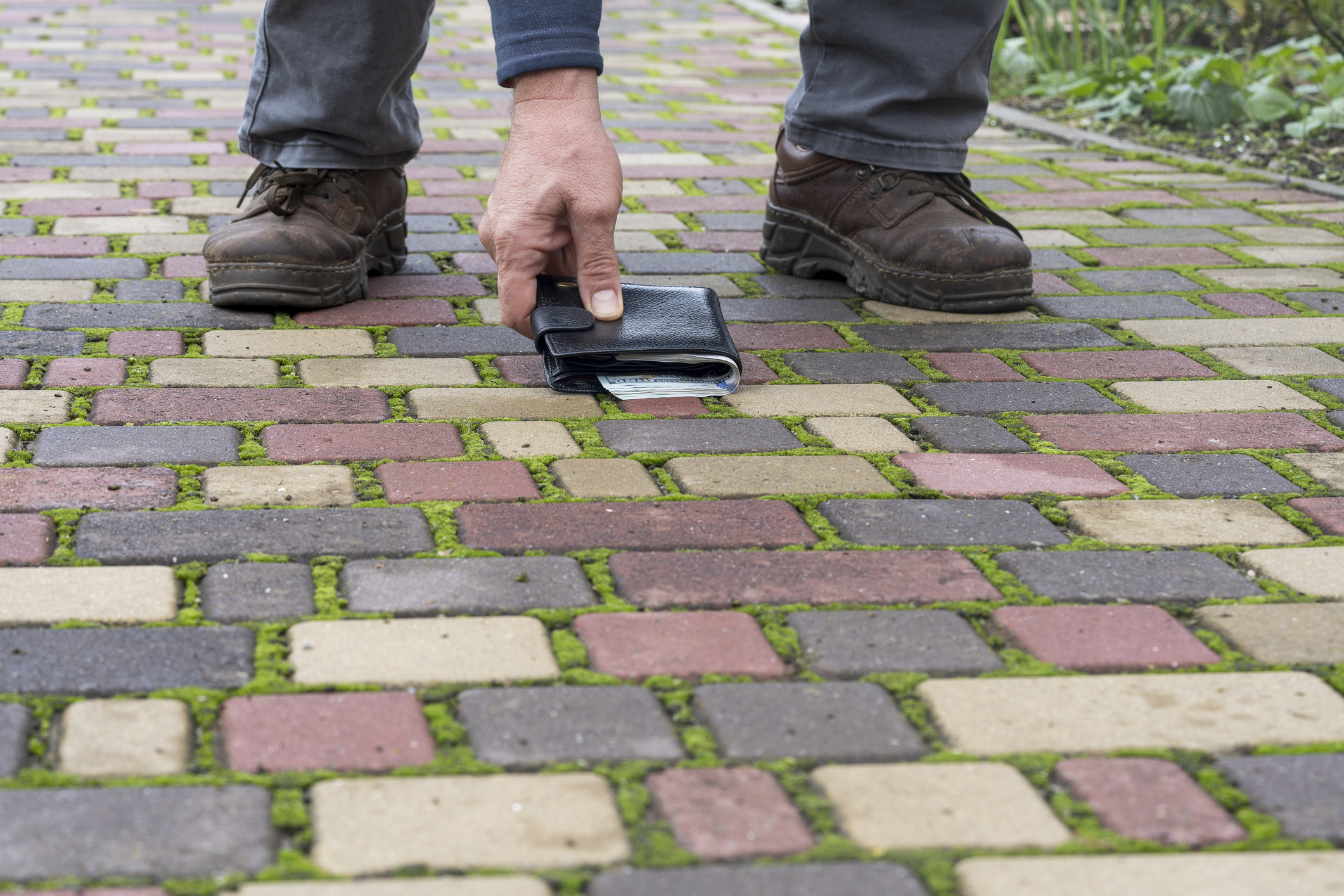
It’s unclear whether that’s because individuals felt empathetic towards the wallet owners or were reluctant to commit a more significant crime. But it matters that these wallets were handed-in where the recipients worked.
“Given that people in one institution may know each other and may start suspecting each other, there was a very real chance of being found out if the wallet was not handed in,’ says Prof Nigel Holt, a psychologist at Aberystwyth University.
“This is perhaps different from finding a wallet yourself on public transport when all you may grapple with is your own conscience.”
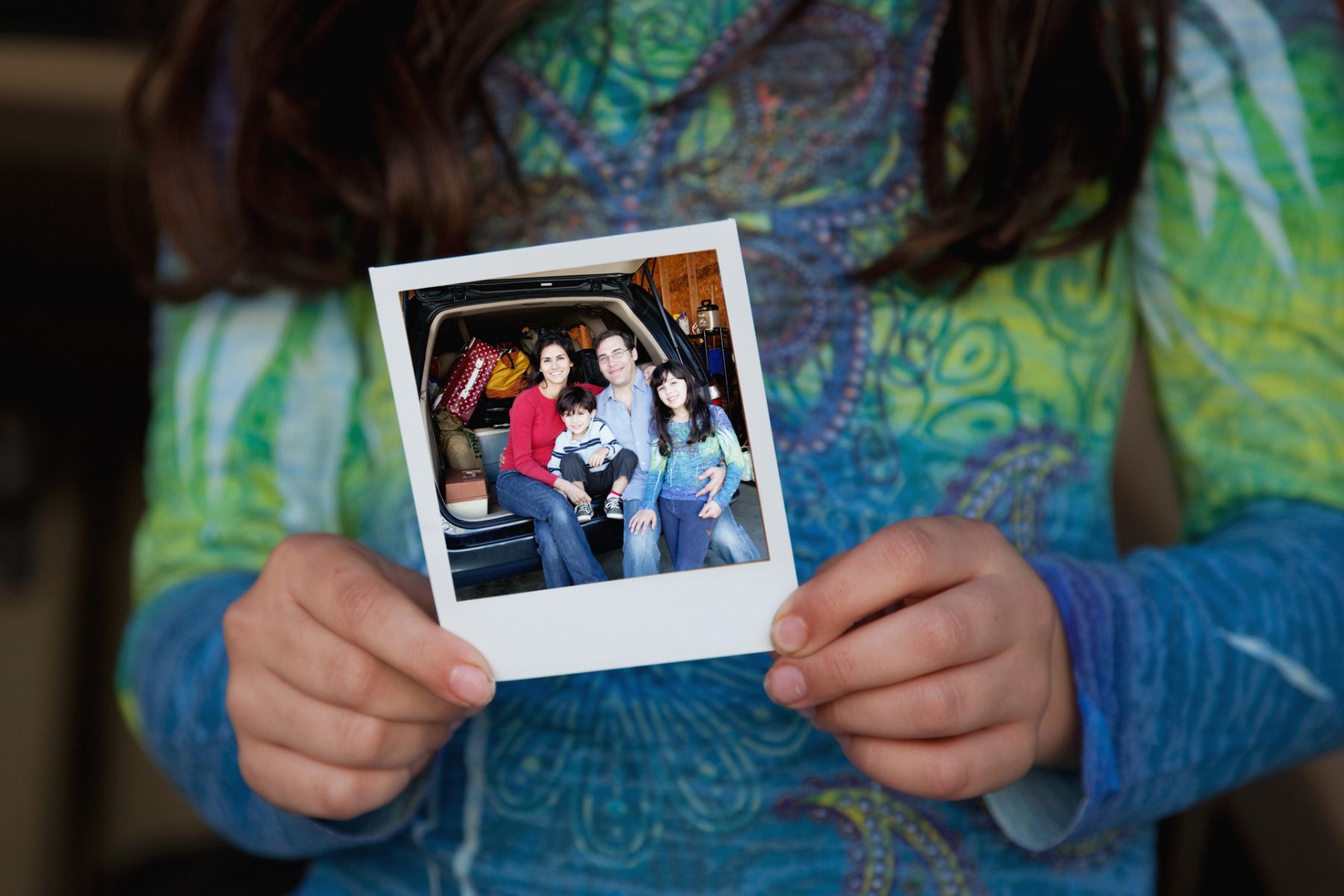
Earlier research suggests that it wasn’t just money that mattered. In a study from 2009, a researcher called Prof Richard Wiseman “dropped” wallets all over Edinburgh, and 42 per cent were returned to him.
He found that wallets were much more likely to be returned if they contained a personal photo – of a cute baby, puppy or elderly couple, for example. It turns out, humans are more sentimental than you might expect.
We like being honest
You may also be surprised to know just how honest most humans are. In the Science paper, researchers wrote that their findings revealed “a high level of civic honesty across nations”.
Indeed, previous research by Martuza suggested that society tends to underestimate the morality of its fellow citizens.
In tests involving 8,000 participants, Martuza’s team looked into the ways people behaved compared to the other participants’ expectations. They found that around two-thirds of those taking part overestimated how dishonest the other participants were.
However, that honesty breaks down when we’re faced with incentives – for our communities and ourselves.
In a recent study – that has not yet been peer-reviewed – on more than 5,000 adults in the US, Martuza found that Democrats and Republicans were more likely to lie if they felt it would benefit their political tribe.
“In our working project on intergroup dishonesty, we find that people lie more to benefit a political in-group than an out-group member, despite having no personal benefits or costs from lying,” he said.
But these loyalties only stretch so far. The study also showed that, when an individual’s own earnings were at stake, they were willing to lie to protect themselves – regardless of whether a Democrat or Republican might lose out.
Ultimately, self-interest remains a significant factor in how honest people are.
Martuza is planning to continue with this research, with further studies into why – and with whom – we may be more willing to lie and cheat.
“This is still something we don’t know enough about,” he says. “Some studies from our research group suggest that beyond self-interests, the [identity of the] victim or beneficiary can be important factors.
“Because our lives are increasingly interacting with strangers in financial situations where we only see a snippet about who the other person is, studying moral behaviour across contexts can be both scientifically and societally helpful.”
Read more:
