
The Moon wants to kill you. Or at least, it wants to kill anyone brave enough to venture across its surface.
When the Apollo astronauts strolled across the Moon, they were only able to do so with vast amounts of equipment and support from Earth keeping the hazardous environment at bay.
Yet more than half a century later, humanity is preparing to return – this time not for a brief visit, but to stay.
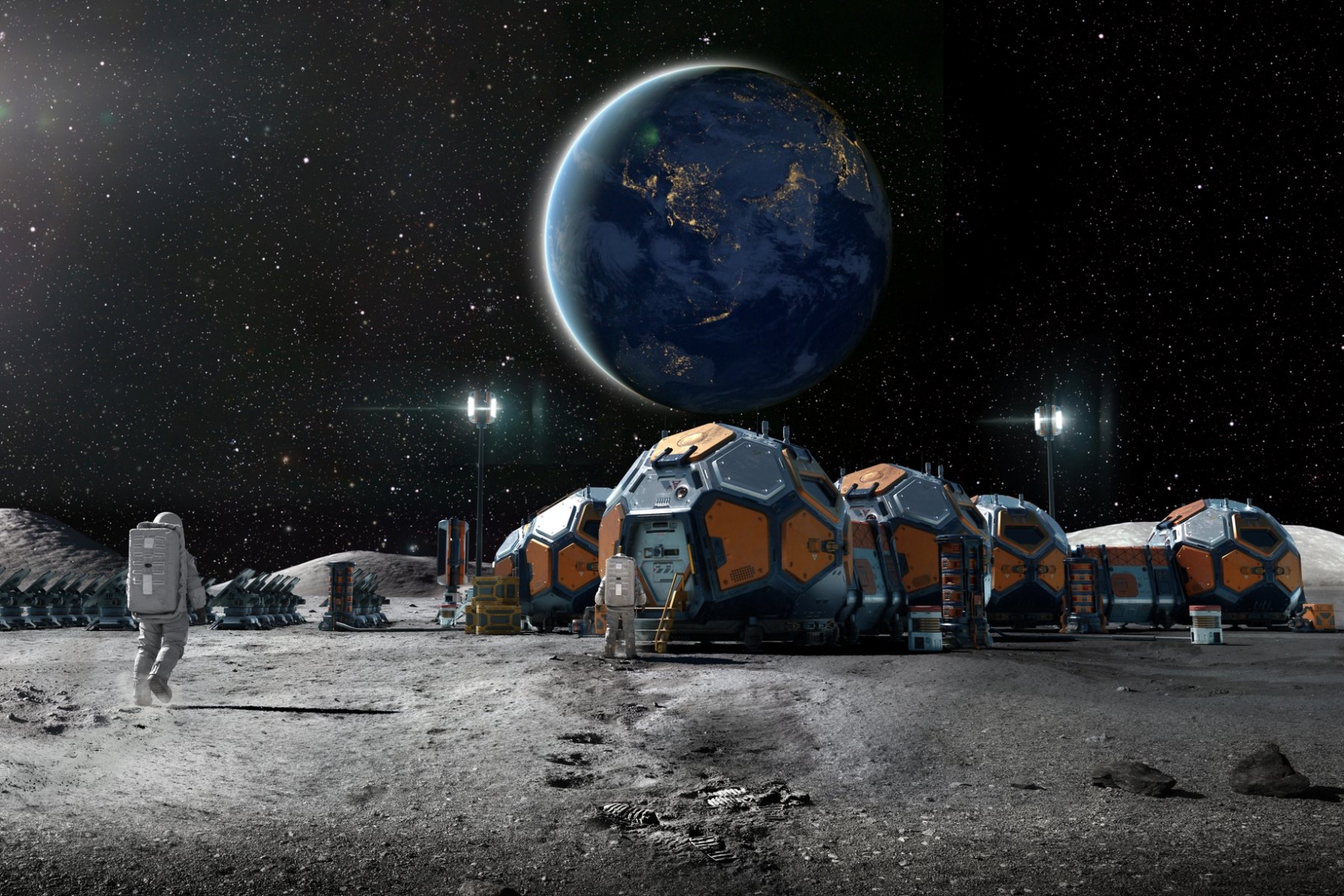
In March 2026, NASA unveiled plans for a $20bn (£15bn) base near the lunar south pole that would become humanity's first permanent foothold beyond Earth.
The settlement could eventually spread across hundreds of square miles, powered first by radioactive isotope generators and later by a nuclear reactor to survive the region's weeks-long nights.
Building the base, however, is only part of the challenge. Keeping the people inside it alive may prove even harder. More than two decades aboard the International Space Station have taught us a great deal about surviving in space, but the Moon presents an entirely different set of hazards.
Here are six of the biggest.
1. Decompression and asphyxiation
One of the Moon's deadliest hazards is its near-total lack of atmosphere. In the vacuum of the lunar surface, you'd remain conscious for only 10 to 15 seconds before blacking out. And without being repressurised, permanent injury or death would typically follow within about 90 seconds.
Spacesuits keep astronauts alive essentially by surrounding them with a thin bubble of pressurised air, but all it takes is a single puncture for that life-support system to fail. How quickly depends on the size of the breach: a pinprick might leak slowly enough for an astronaut to respond, while a large tear could leave the suit uninhabitable in seconds.
Regardless of how long it takes, as the oxygen disappears, your brain would rapidly be starved of the gas it needs to function. At the same time, the sudden loss of pressure causes water in your body's tissues to begin boiling, making you swell.
Remember those 10 to 15 seconds before you'd pass out? They'd disappear in the blink of an eye. By the time you realised something had gone wrong, your vision would already be fading and you'd be losing consciousness.
Instinctively taking a deep breath beforehand could make matters even worse. As the pressure around you collapsed, the air trapped in your lungs would rapidly expand, potentially rupturing them. Gases elsewhere in your body would expand too, causing severe internal injuries.
Even if rescuers managed to repressurise the suit or return you to a safe environment, the damage could already be irreversible.
2. Extreme temperatures
The Moon is a world of extremes. Without an atmosphere to trap or distribute heat, surface temperatures can soar above 120°C (248°F) in sunlight before plunging to around -130°C (-202°F) after nightfall.
In permanently shadowed craters, where sunlight has not reached for billions of years, temperatures can fall as low as -240°C (-400°F).
Left unprotected, an astronaut wouldn't last long. That's why spacesuits are equipped with sophisticated thermal control systems designed to keep the body at a safe temperature, preventing astronauts from freezing in the cold or overheating in the Sun.
The suits achieve this through multiple layers of insulating materials, such as Mylar and Kevlar and other high-strength fibres, which also provide protection against impacts and abrasion.
Beneath those outer layers, astronauts wear a liquid cooling and ventilation garment that circulates water around the body, carrying away excess heat and shielding them from the Moon's extreme temperature swings.
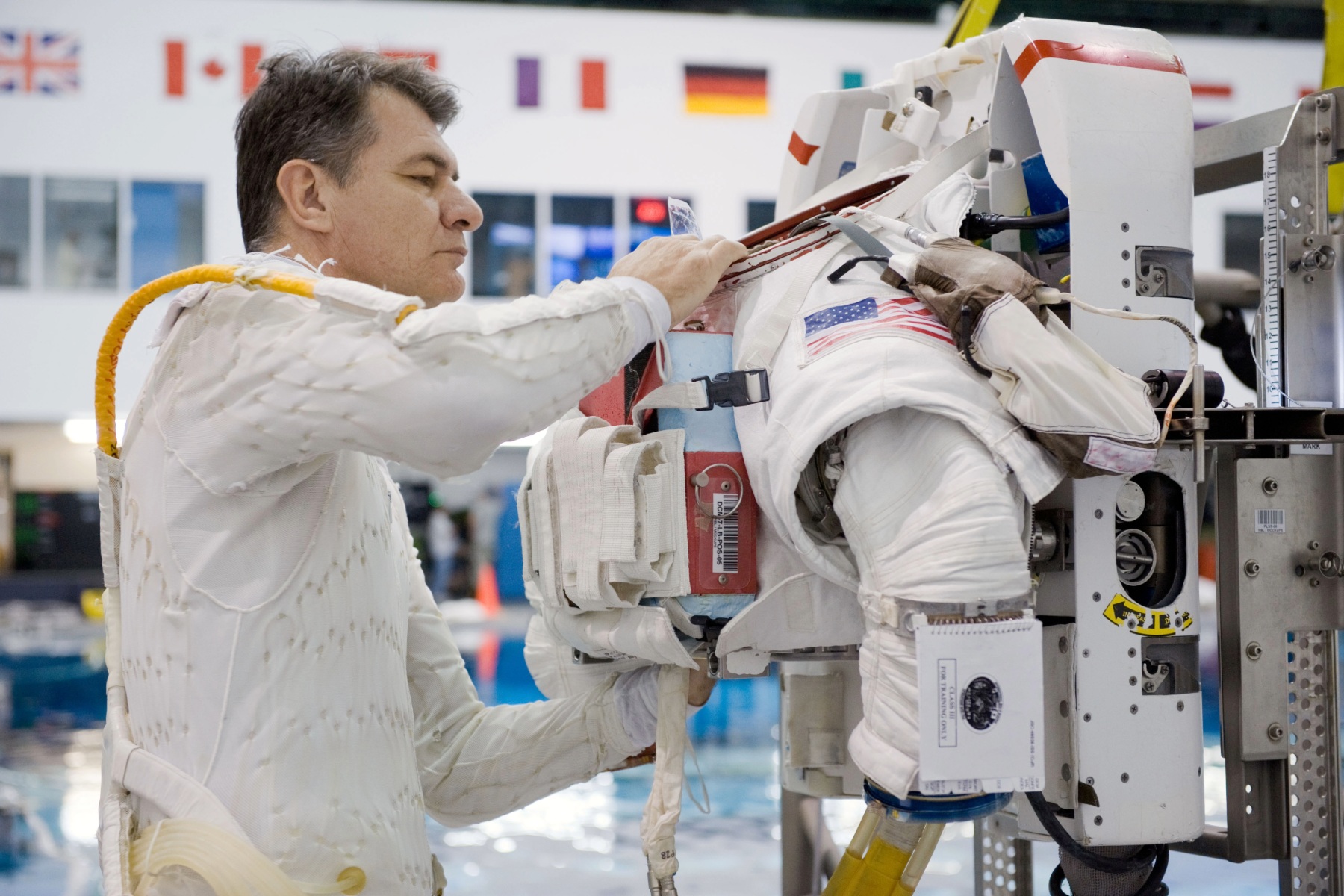
But if astronauts are living on the Moon, they'll be relying on these suits day after day. Months or years of exposure to such extreme temperatures could gradually degrade the materials, making the suits more likely to fail.
If that happened during a moonwalk, the consequences could be catastrophic. Without a functioning thermal control system, an astronaut could quickly suffer severe frostbite in the cold or begin to fatally overheat in direct sunlight.
3. Micrometeoroid impact
People often underestimate just how fast things move in space. It’s not uncommon for space debris to reach speeds up to 20 times that of a speeding bullet.
At those speeds, even a tiny grain of dust can shatter helmet visors or rip through a spacesuit. If the direct impact doesn’t kill you, the resulting instant depressurisation certainly will.
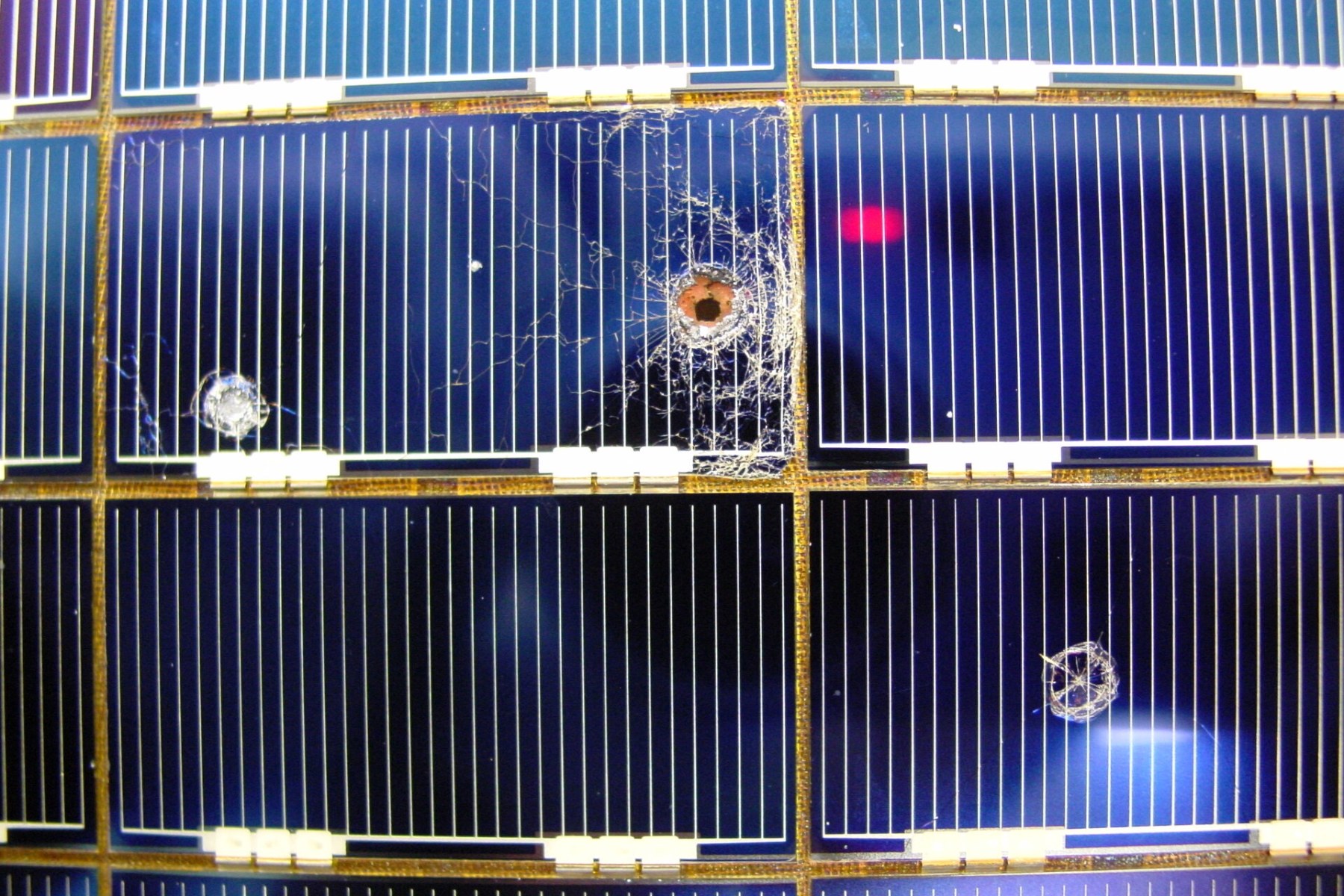
With no atmosphere to burn them up or slow them down, these microscopic space missiles would pose a constant threat to anyone living on the Moon.
Even the Moon base itself wouldn’t be immune. A relentless barrage of micrometeorites would slowly sandblast its exterior, pitting solar panels, scratching windows and gradually eroding its protective walls. Given enough time, the damage could become a serious threat to the astronauts inside.
4. Lethal radiation exposure
On Earth, we're protected by two invisible shields: the atmosphere, which absorbs harmful ultraviolet radiation, and the planet's magnetic field, which deflects many of the high-energy charged particles streaming from the Sun and deep space.
The Moon has neither of those. As a result, astronauts on its surface are exposed to around 200 times more radiation than they would be on Earth. Anyone living there for months at a time would accumulate substantial doses.
Over time, that exposure can damage cells and DNA, increasing the risk of cancer. At higher doses, it can also cause acute radiation sickness and severe organ damage.
Spacesuits offer some protection and gold-coated visors shield astronauts' eyes from the Sun's intense glare and ultraviolet light. But the greatest danger comes from solar storms, when the Sun suddenly unleashes huge numbers of high-energy charged particles.
Even astronauts aboard the International Space Station sometimes have to take shelter in the station's most heavily shielded areas until a storm has passed. On the Moon, where there is no atmosphere or magnetic field to provide additional protection, the threat would be even greater.
“Developing better shielding and reliable warning systems for solar storms will be absolutely critical,” says Prof Damian Bailey, biochemist and physiologist at the University of South Wales.
5. Carbon dioxide (CO₂) poisoning
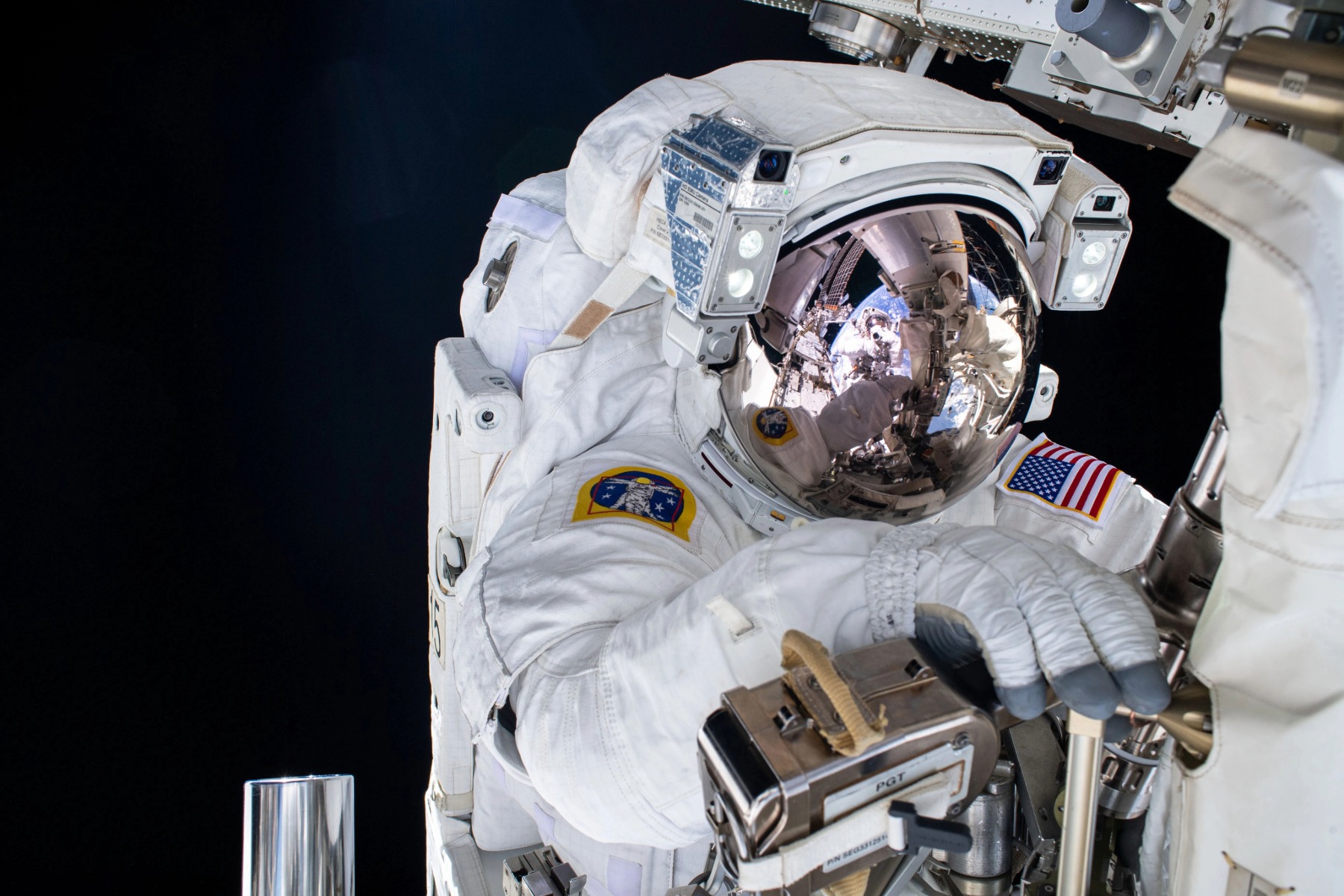
Every breath an astronaut takes releases carbon dioxide. Inside the sealed confines of a spacesuit, that gas can quickly build up to dangerous levels if the backpack's filtration system fails.
As carbon dioxide accumulates, it makes the blood more acidic. This results in symptoms that include headaches, dizziness and blurred vision. As levels continue to rise, astronauts can become confused, struggle to make decisions and eventually lose consciousness. On the crater-strewn lunar surface, impaired judgement can be just as dangerous as the toxic gas itself.
Even if the filtration system is working perfectly, another problem can arise. If the suit's circulation fans fail, exhaled carbon dioxide can pool around the astronaut's face instead of being carried away, causing them to repeatedly breathe in the same CO₂-rich air.
It's one reason modern spacesuits are fitted with carbon dioxide alarms.
6. Lunar dust
From a distance, lunar dust looks soft – like grey, powdery snow. It isn't. In reality, it's one of the most unpleasant and dangerous substances astronauts have to deal with.
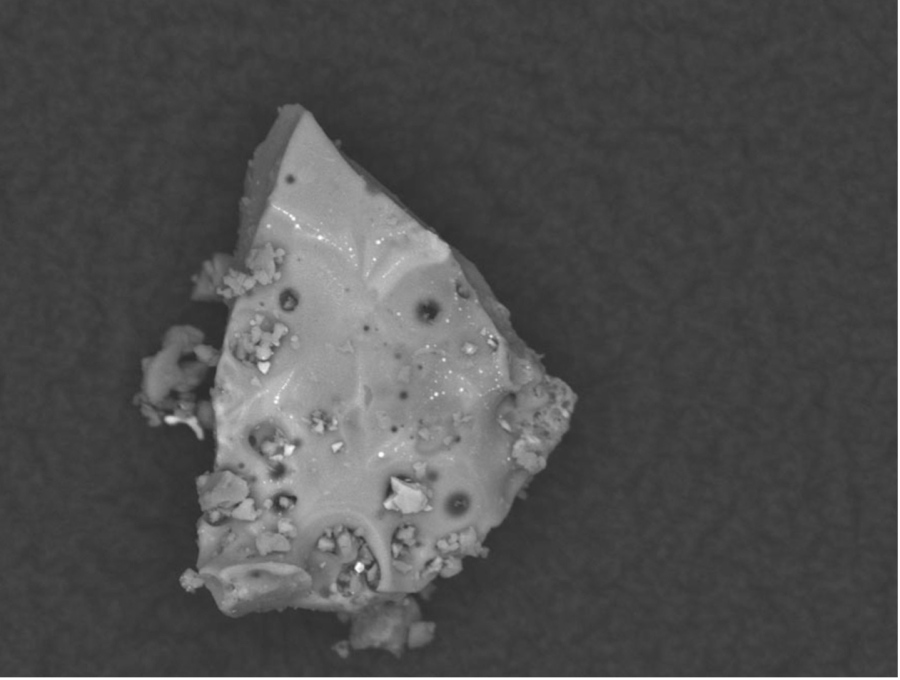
The dust is created by billions of years of meteorite impacts, which grind the lunar surface into an ultra-fine powder. Each grain is jagged and razor-sharp, more like a tiny shard of broken glass than a grain of sand. And because the Moon has no wind or water to wear those edges down, they remain lethally abrasive.
According to Bailey, lunar dust is one of the hazards people most often overlook.
“Apollo astronauts described it as being like sharp, electrostatically charged talcum powder that sticks to absolutely everything,” says Bailey. “It’s abrasive, gets into machinery, coats spacesuits and may even pose risks to the lungs and eyes.”
Even worse, the particles are small enough to pass from the lungs into the bloodstream, where they could damage the heart and blood vessels from the inside.
Bailey notes that it “sounds mundane compared with radiation”, but believes managing lunar dust “could become one of the defining engineering and medical challenges of sustained lunar exploration”.
Escaping the Moon’s immediate dangers is one thing. Living there for months or years is another challenge altogether.
Our muscles, bones, heart, blood vessels and even the way blood reaches the brain are all influenced by the gravity we experience. On the Moon, gravity is just one-sixth as strong as it is on Earth – and we do not yet know how the human body would respond to living under those conditions long term.
Then, Bailey says, there are the psychological challenges.
“I imagine living in a small habitat with the same handful of people for months on end, no fresh air, no trees, no rain, no birdsong, and Earth reduced to a bright marble hanging in a black sky. That isolation and confinement may prove just as challenging as the physical environment itself.”
NASA’s ambitions for a permanent lunar base may be bold, but turning that vision into reality will require overcoming some of the harshest conditions humans have ever faced.
Read more:
