
Most of what we talk about when we talk about ADHD (attention-deficit/hyperactivity disorder) focuses on how it affects people’s mental abilities and emotions.
There’s the hyperfocus, the creativity and the ability to perform under pressure. And then there’s the impulsiveness, the racing thoughts and the emotional dysregulation.
But ADHD doesn’t just change how people’s brains work. A growing body of evidence links it to physical health problems throughout the body.
Recent studies link ADHD to an increased likelihood of everything from gut symptoms and asthma to obesity and stroke – symptoms that people may never have thought to connect to their ADHD.
According to Dr Jess Eccles, who studies brain-body interactions and the overlap between neurodivergence and hypermobility at the University of Sussex, Brighton, the disconnect is partly because we view our mental and physical health as two separate entities.
“We’re stuck in these sort of silos between the brain and the body.”
Eccles, who has ADHD herself, points out that better awareness of some of these connections could help simplify things for some people, allowing them to link multiple physical problems they have to an existing diagnosis.
“So instead of thinking that you’ve got 12 unrelated issues, you’ve actually got maybe one… and there’s a reason why you may be more likely to have these problems,” she says.
What we don’t fully understand yet, though, is this: why do people with ADHD face an increased risk of so many different health issues? If we could answer that, it might lead us to a better understanding of what’s behind ADHD in the first place. Thankfully, the question is now being asked.

Whole-body problems
ADHD is more complex than the stereotypes we find on social media might suggest. Not everyone has all the hallmarks, like hyperfocus. And some people will be more bothered by their symptoms than others.
Likewise, not everyone with ADHD is going to have a host of different physical health issues as well, but it’s becoming clear that, on average, they may have more than a neurotypical person.
A large Swedish study in 2021 linked adult ADHD to a whole heap of different physical issues. Based on the medical records of 4.8 million people, researchers found that 34 out of the 35 physical conditions they looked at were diagnosed more often in people with ADHD than in people without ADHD.
Of these conditions, 13 – including type 2 diabetes, obesity, fatty liver disease, kidney infections, dementia, back pain and chronic obstructive pulmonary disease (COPD) – were at least twice as common in those with ADHD.
Meanwhile, a UK study published this year showed that having more ADHD traits at age 10 was associated with worse physical health at age 46.
A 2024 review paper including studies from 36 countries found evidence that ADHD was linked to headaches, bone fractures, rhinitis and vision problems, as well as a host of neuropsychiatric and mental health complaints, including bipolar disorder and schizophrenia.
The list of conditions associated with ADHD makes for pretty concerning reading. But given what we already know, doctors could now be looking at the connections being made in scientific studies to help them spot co-occurring health problems in people with ADHD – and treat them.
The Swedish study incorporated people from the same families to show that shared genetics played a role in most physical diagnoses – as they do in ADHD.
But there are also behavioural and lifestyle factors that can help explain some of the links.
According to Prof Jonna Kuntsi of King’s College London, who studies ADHD and conditions that tend to co-occur with it, these factors are “likely part of the picture” in obesity and heart disease, for example.
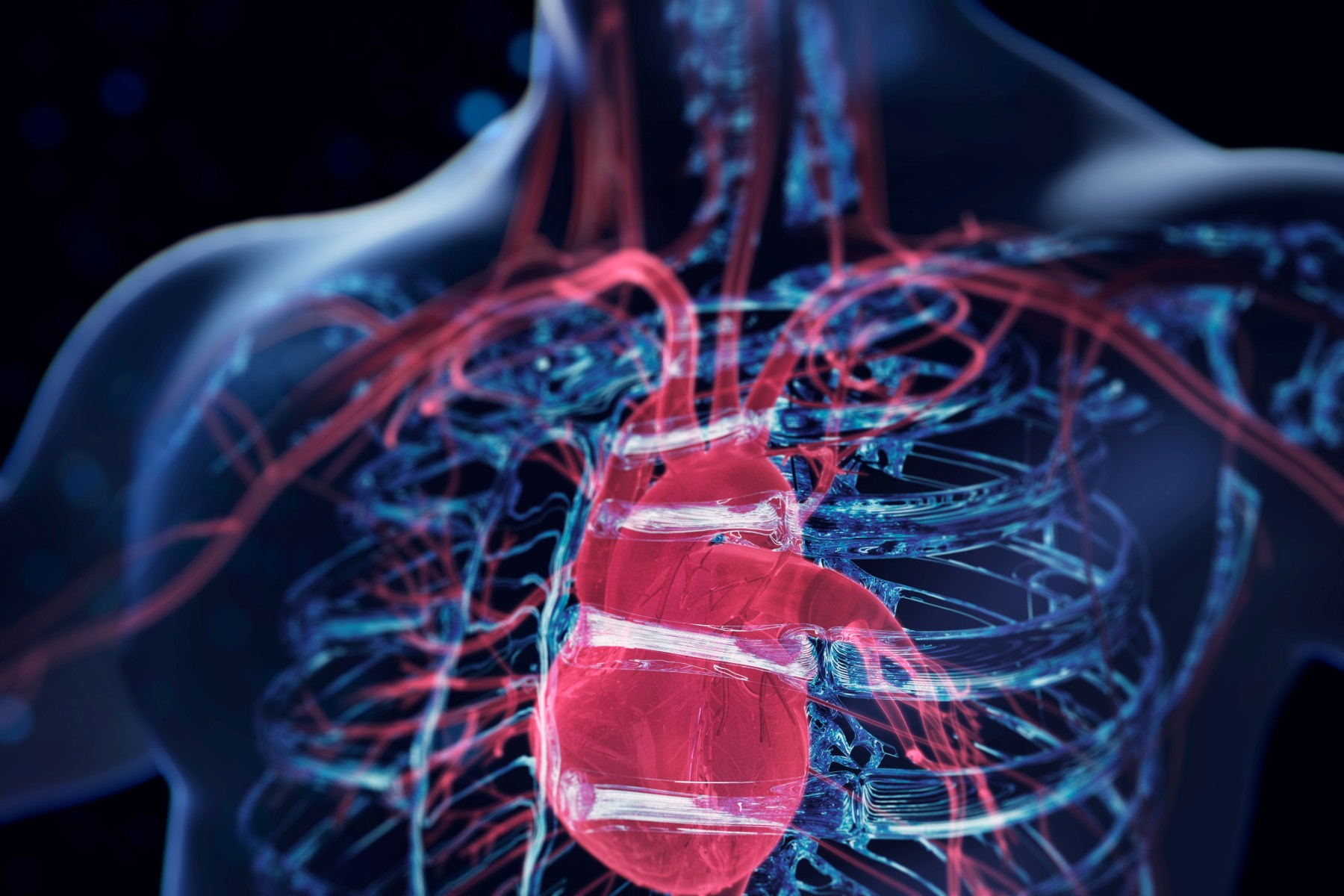
“Adults with ADHD are more likely to smoke and some are physically less active, and some of the core symptoms of ADHD, such as impulsivity, may contribute to dysregulated eating,” she says.
“A combination of such factors may then contribute to a higher risk for obesity and heart disease.”
However, Kuntsi is careful to emphasise that it’s still brain-based biological differences that may lie at the root of these behaviours.
For instance, ADHD is linked to dysregulation of the dopamine system – the brain’s reward system, “which may also be linked to binge-eating and other cravings”, she says.
We can imagine that brain differences (linked to genetics) might also partly explain why people with ADHD face higher risks of addiction, depression, suicidal thoughts, sleep problems, epilepsy and migraine.
But, for other health issues, the roots are harder to trace. Why, for example, are people with ADHD more likely to have asthma?
Why do they more commonly suffer from connective tissue disorders?
And what causes higher rates of gastrointestinal (GI) issues, like inflammatory bowel disease or gastritis, in people with the condition?
Connecting the dots
Eccles has a theory that could clear up some of the seemingly weird coincidences, and it relates to her own experiences.
While at medical school, she was given the outdated diagnosis of ‘joint hypermobility syndrome’ for her swayback knees and more generally flexible joints.
Then, when she decided to specialise in psychiatry, she was approached by her mentor Prof Hugo Critchley, chair of psychiatry at the University of Sussex, who wanted her to help him explore an overlap he was seeing between hypermobility and neurodivergence – by scanning hypermobile people’s brains.
“He said, ‘Have you heard of hypermobility?’” Eccles recalls. “So, I said, ‘Well, I don't know a lot about it but I am hypermobile, and probably most of my family members are too.’”

She ended up doing a PhD on the subject, revealing structural differences in the brains of 36 people with hypermobility that affected the regions of the brain involved in attention and processing emotions.
These brain differences were reminiscent of some of those seen in neurodiverse people.
Responses to questionnaires also suggested that hypermobile people were more acutely aware of internal body signals. Eccles and Critchley speculated that this heightened awareness could predispose them to pain and gut conditions.
Their studies were small, but in the meantime, wider evidence of a link between neurodiversity and hypermobility was emerging from the Swedish patient registers.
In 2016, researchers concluded that hypermobile patients were nearly six times more likely to have ADHD (and seven times more likely to have autism).
So, what exactly does Eccles think connects the two conditions? The common denominator, she suggests, may be connective tissue – what she describes as the “cling film” that binds everything in the body together.
Connective tissue is integral not just to the joints but to, for example, the gut and lungs, and the barrier separating the body and brain, so problems with it can lead to whole-body effects.
“In people with joint hypermobility, [this tissue] is stretchier than it should be,” says Eccles.
“So, as a hypermobile person, you’re not only more likely to have an unusual range of movement – you can maybe do party tricks – you’re also more likely to have soft, stretchy skin that scars in a particular way or bruises easily, ankles that roll over, and a gut that moves faster or slower leading to diarrhoea or constipation.”
Although there’s not a huge amount of connective tissue in the brain, Eccles argues that there doesn’t need to be to explain a neurodevelopmental difference like ADHD – because the brain depends on signals from the rest of the body.
In people with hypermobility and ADHD, it could be that the brain is interpreting the incoming signals differently due to the influence of faulty connective tissue.
Her way of thinking about neurodivergence and hypermobility suggests that even emotional dysregulation in ADHD could be explained by tissue differences leading to “sensory uncertainty about where you are in space”.
Other researchers’ studies have bolstered the link between the two conditions. However, the explanation for it is still a developing theory.
One of the problems with building the evidence base is that, a bit like ADHD, hypermobility and the 13 different connective tissue disorders now known as Ehlers-Danlos syndromes (EDS) aren’t always picked up – probably partly because the diagnostic criteria are confusing.
Experts also disagree about whether they’re really that important.
Getting to the roots
The implication of Eccles’s work is that a better understanding of hypermobility and EDS might lead us to a better understanding of neurodiversity, including ADHD.
But while we know the genetic changes underlying many of the rarer sub-types of EDS – which are often in collagen-producing genes – those responsible for some of the most common sub-types remain elusive.

In any case, scientists have already tried and failed to pin ADHD on variations in specific genes. It is likely related to a much larger spread.
The fact is that ADHD is not a diagnosis based on genetics or brain differences anyway, as Kuntsi points out.
“It’s a behavioural diagnosis, diagnosed based on inattentive, impulsive and hyperactive behaviours,” she says.
It’s worth bearing this in mind, because it means that when scientists link ADHD to certain physical health issues, they can’t say those health issues are all caused by the same underlying genetic or brain differences – and we know ADHD exists on a spectrum.
Often, all they can say is that the two sets of symptoms are commonly seen together.
So, if ADHD often comes with migraines or gut troubles, it doesn’t necessarily mean it’s the ADHD that’s causing them. It could be the other way around, or something else could be behind both.
Take gastrointestinal issues. Higher baseline stress in ADHD could be part of the explanation, but as nutritional psychiatrist Dr Alejandro Arias-Vasquez from the Radboud University Medical Center in Nijmegen, Netherlands, puts it, it’s a “chicken and egg” situation.
The close connections between the gut and the brain – nerve bundles and aspects of the immune and endocrine systems collectively known as the ‘gut-brain axis’ – mean the gut could influence ADHD symptoms, too.
A 2020 study in twins supports this idea, showing that diet can sometimes make the difference between more and less severe ADHD symptoms in people with the same genes.
Arias-Vasquez’s work more specifically emphasises the influence of the gut microbiome on the brain.
In one 2021 study co-authored by Arias-Vasquez, levels of just four groups of gut bacteria correctly picked out about 74 per cent of adults with ADHD.
More generally, it’s not that easy to link ADHD to certain bacterial species. But Arias-Vasquez notes that it’s gut bacteria that break down our food to produce the chemical building blocks for key neurotransmitters including dopamine – and these neurotransmitters may actually switch on and switch off certain genes too.
For him, it’s no stretch to imagine that the bacteria we get from our mothers when we’re born, for example, or those we cultivate through our diets, might shape our gut microbiomes and affect how our brains operate.
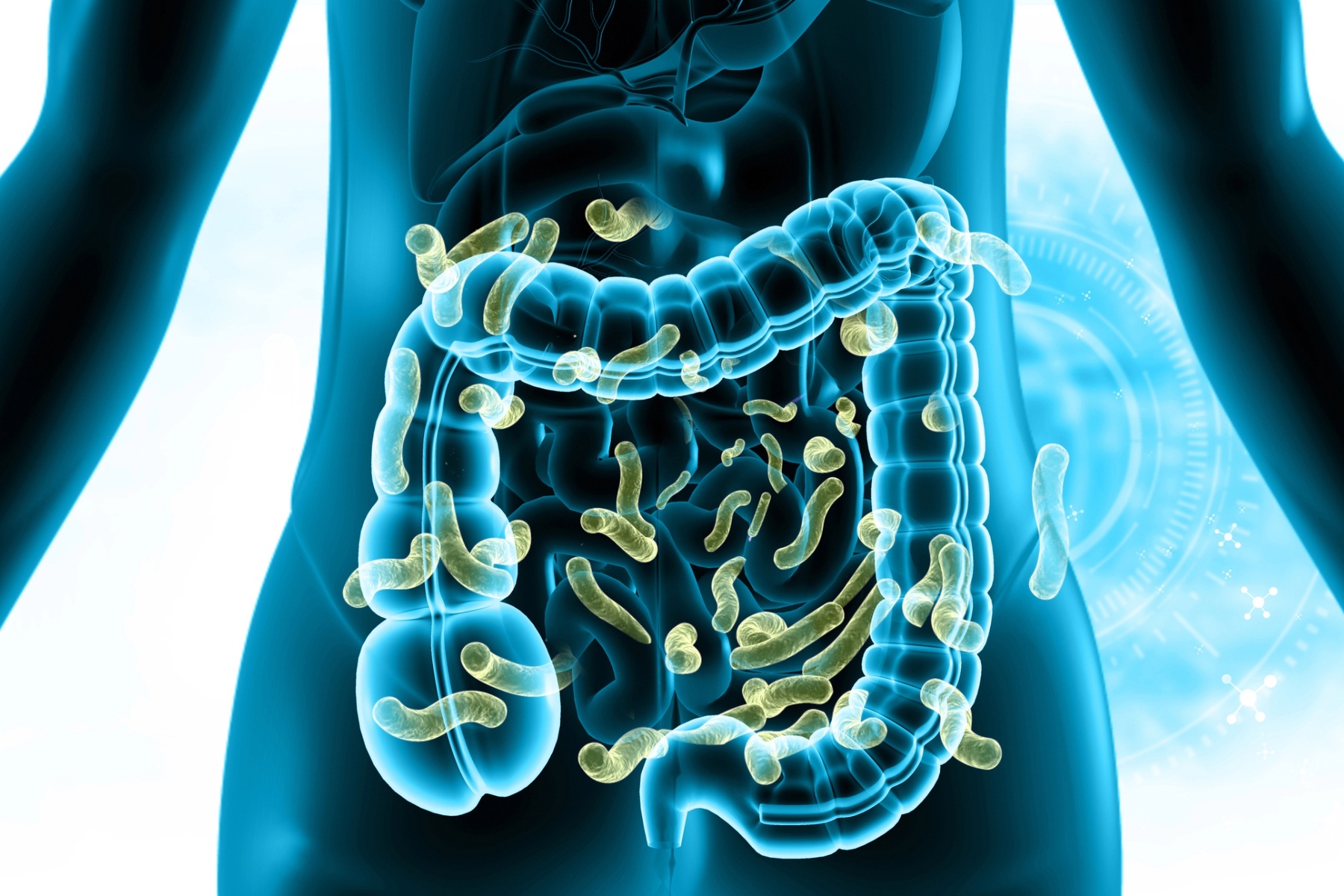
It’s not that Arias-Vasquez thinks ADHD is caused by bacteria. “This is an in-utero disorder [that] starts early in development, so the idea that gut bacteria cause this doesn’t track,” he says, adding he believes the cause is genetic.
“[But] we modify the burden through the gut-brain axis.” He suggests that differences in the gut microbiome could increase ADHD symptoms in someone who already has the condition.
Yet this is just one example of the complexity of the links between ADHD and tens of different physical health problems. For each one, there’s a whole body of work to be done to understand exactly why these links exist – and what to do about them.
In some cases, it could be that getting on top of ADHD symptoms has positive knock-on effects for people’s physical health, especially in conditions like obesity and heart disease, which are heavily influenced by people’s behaviour.
Kuntsi’s group is now using remote monitoring to track how ADHD medication affects people’s blood pressure, weight and heart health in everyday life. Early results suggest that when newly diagnosed patients start taking ADHD medication, they lower their blood pressure, reduce their waist circumference and eat more healthily.
But, as Kuntsi notes, around half of people with ADHD stop taking it within a year and many would like to have “more non-pharmacological treatment options”.
It’s also not clear whether ADHD medication improves physical health in the long term.
For other physical health issues, such as EDS, it’s more about building understanding and raising awareness of the connection.
Whatever the nature of the links, people coping with multiple physical issues on top of their ADHD may get some sense of validation from at least knowing they’re real.
“Because a lot of people are dismissed, or they try to go to the doctors and leave with the feeling that perhaps they’re making it up or it’s all in their head,” says Eccles. “When, actually, you’re built differently and that’s how it is.”
Read more:
