
Google terms like ‘low energy’, ‘flagging sex drive’ or ‘erectile dysfunction’ and, chances are, low testosterone will pop up as the likely culprit for each of them. As for what causes low testosterone, age typically gets the blame for it, as levels of the hormone begin to dwindle after the age of 40.
But recent research suggests belly fat can have a bigger impact on testosterone than advancing years.
More precisely, it’s visceral fat that’s closely linked to testosterone levels. As opposed to the squidgy, subcutaneous fat just beneath your skin, visceral fat is the deep abdominal tissue that envelops your organs.
In a study published in the Journal of the Endocrine Society, researchers, led by Dr Adam Potter and Dr Karl Friedl of the US Army Research Institute of Environmental Medicine, analysed data from 4,948 men in the US aged 20–59.
Within each category of body mass index (normal weight, overweight and obese), men with high levels of visceral fat had testosterone levels 33–36 per cent lower than men with low visceral fat. Likewise, among men with similar waist measurements, those carrying more visceral fat had testosterone levels that were around 25–39 per cent lower than those who weren’t.

Unlike the fat you can pinch (subcutaneous fat), visceral fat can’t be seen, which is why average-sized and even slim men can have high levels of it. So, it’s not necessarily the number of candles on your birthday cake, or where the dial lands on the scales, that affects testosterone, so much as where your body stores fat.
“This is probably the most striking message from the study,” says Prof Channa Jayasena, professor of reproductive endocrinology and andrology at Imperial College London. “Among men under 60, waist circumference and body fat were much more strongly associated with testosterone than age was. This was a cross-sectional study, but it helps to challenge the rather fatalistic idea that testosterone simply falls because men get older.”
Read more:
- What your penis is trying to tell you about your health
- What is the male menopause and is it making me moody?
- What you're (probably) getting wrong about sexual desire
Jayasena points to the large European Male Ageing Study of thousands of men that showed there’s a gradual average reduction in testosterone levels of about one per cent year-on-year from the age of 40 onwards.
“The vast majority of men never got to a stage where they experienced any clinical problems (erectile dysfunction or tiredness, for example), while those who did were more likely to have other health problems and lower levels of fitness,” he says.
“You can also have men in their seventies who exercise a lot and have been fortunate to stay clear of diseases, whose testosterone remains comparatively high. It can be more relevant to talk about biological age and fitness levels, rather than chronological age.”
Testosterone’s role
Testosterone is a testicular hormone that helps maintain sexual function, but it also supports muscle and bone health, and red blood cell production. Hence, low levels of it can contribute to muscle loss, reduced bone density and anaemia.
“Testosterone is also important for maintaining a healthy balance between muscle growth and fat growth,” says Jayasena. “Men with low testosterone can have an excess of fat, particularly around the pot belly area, at the expense of muscle. They swap muscle mass for fat mass.”
The relationship between testosterone and fat is ‘bidirectional’. Put another way, it’s a ‘chicken and egg’ situation.
“Having more visceral fat makes you more likely to have a low testosterone, but having a low testosterone makes you more likely to have a pot belly,” says Jayasena. “It’s a complex relationship.”
The reasons why carrying visceral fat affects testosterone are not fully understood.
One possible explanation is that visceral fat is a marker of insulin resistance, which might interfere with the ability of cells in the testes to produce testosterone. Another is that inflammation associated with visceral fat may also disrupt hormone signalling.
But complicating matters further is the ongoing debate as to what constitutes low testosterone.
“In UK practice, a total testosterone below around 8 nmol/L is generally considered low, while results between approximately 8–12 nmol/L require interpretation alongside symptoms, sex hormone-binding globulin and calculated free testosterone (where appropriate),” says Dr Shirin Lakhani, a sexual health specialist.
“But testosterone also fluctuates and can temporarily fall because of illness, poor sleep and some medications. Diagnosis requires symptoms such as reduced libido, erectile dysfunction, fewer morning erections and loss of muscle mass or strength, alongside consistently low levels on blood tests.”
This is key, especially as testosterone replacement therapy has become big business with clinics and social media influencers promising to restore levels of the hormone to those of men’s youth.
Read more:
- The truth about testosterone: An expert busts the most common myths
- Here’s what your sex life actually reveals about your relationship
- Weight-loss jabs may slow biological ageing, landmark new study suggests
How to check
“Just because you have a low testosterone reading doesn’t mean you have a problem,” says Jayasena. “The vast majority of men with low testosterone have no symptoms, but unfortunately, some clinics aren’t making that distinction clear.”
He notes the European Male Ageing Study found only around two per cent of men over 40 had both low testosterone and symptoms, particularly sexual symptoms, despite 20–30 per cent potentially having a low reading alone.
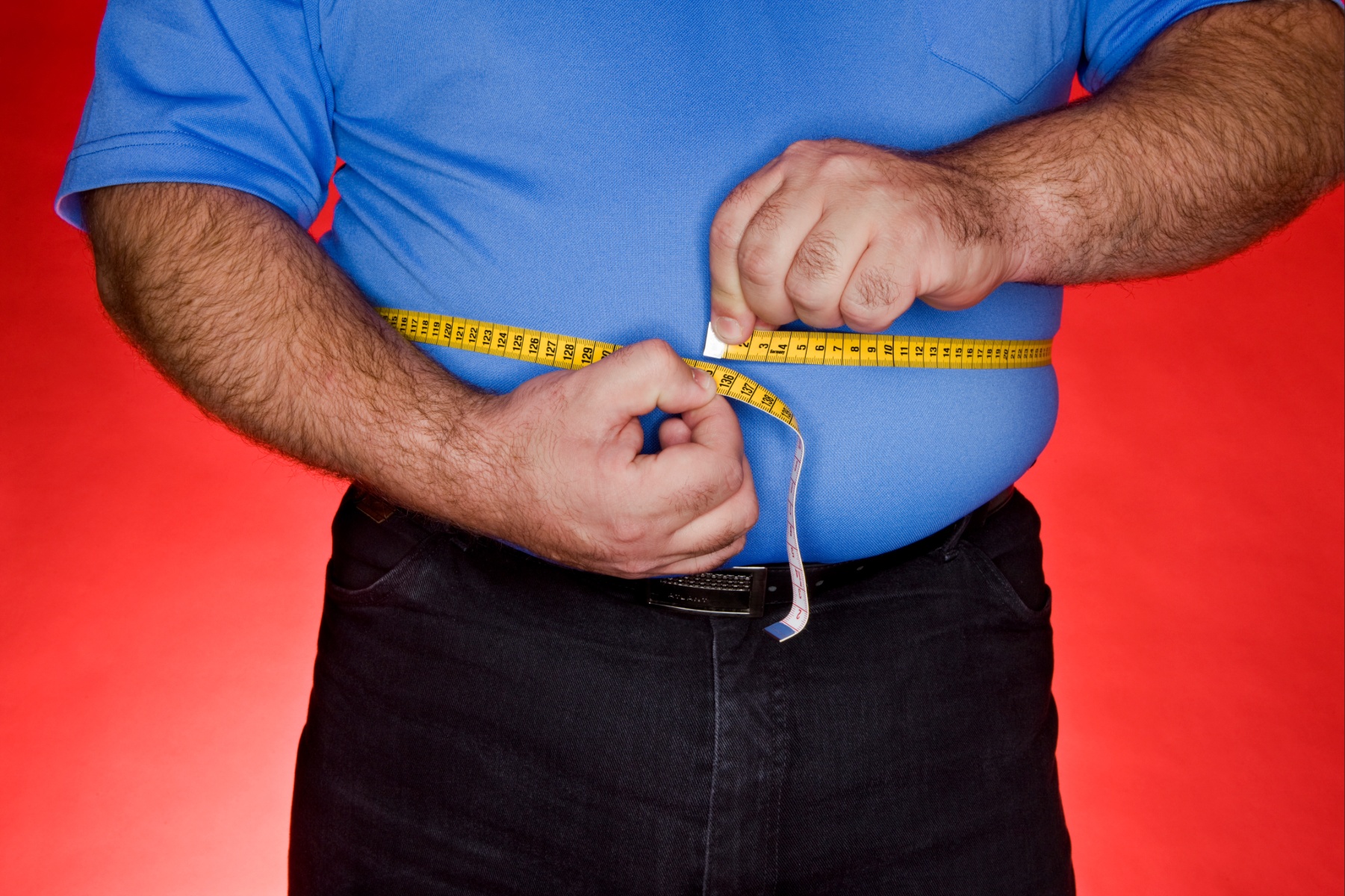
But for men presenting symptoms of low testosterone, visceral fat is a factor worth exploring, and there’s a quick and simple way to check if you might be carrying more of it than you need: measure your waist.
“Measure midway between your lowest rib and the top of your hip bone after breathing out normally,” says neuroscientist Dr Madusha Peiris, a specialist in gut hormone signalling. “As a simple rule, your waist should be less than half your height. For men, 94cm (37in) or more indicates increased risk and 102cm (40in) or more indicates high risk, although for South Asian men risk begins at around 90cm.”
Smart body-composition scales can also provide a rough estimate of visceral fat, although most people, if they're honest with themselves, know when their approach to health and fitness is lacking.
What you can do
The good news is visceral fat can be reduced by making lifestyle changes.
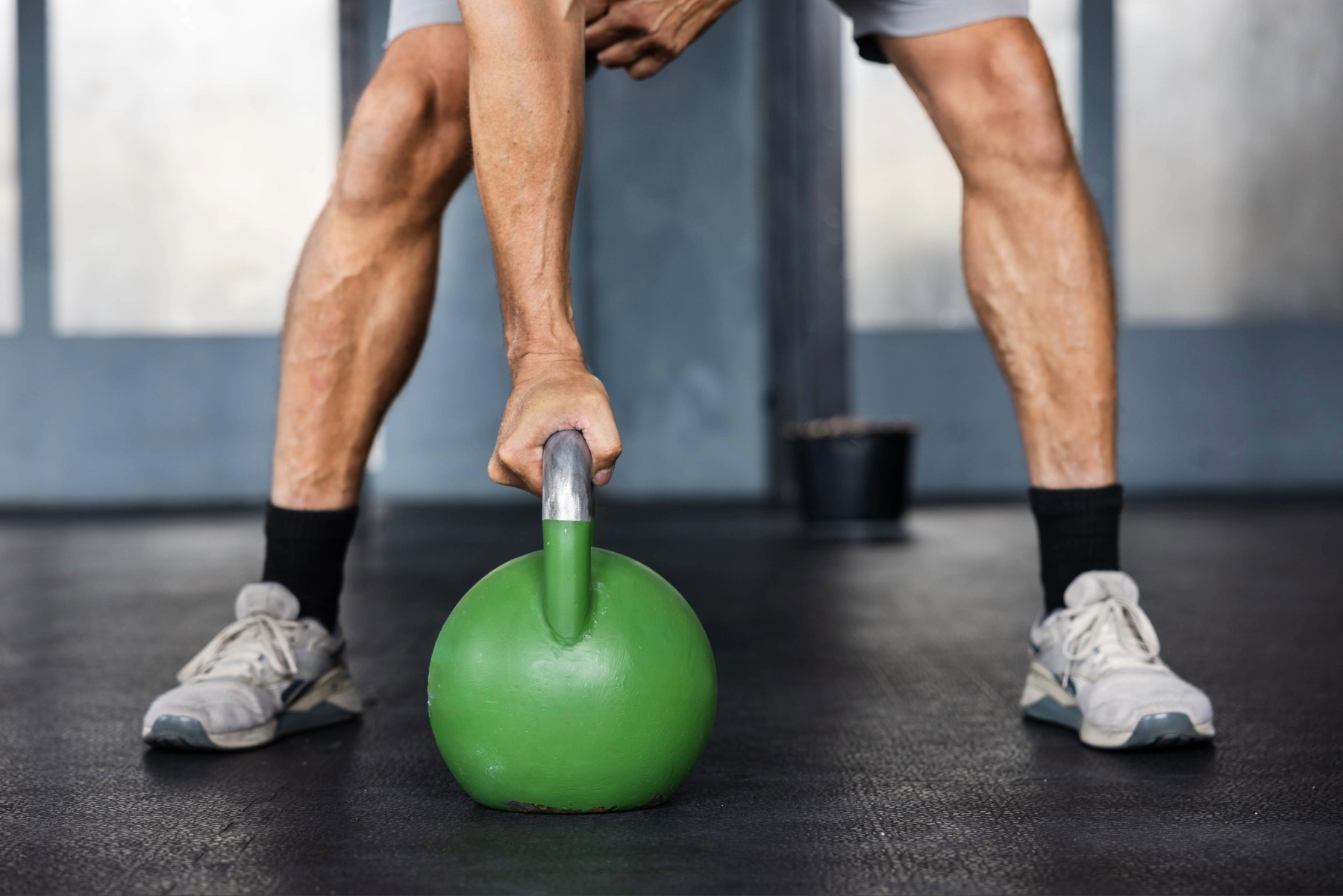
“Aerobic exercise, even moderate activity such as brisk walking or cycling, can reduce it, while resistance training two to three times a week helps preserve muscle and support healthy testosterone,” says Peiris. “Cut back on alcohol, sugary drinks and refined carbohydrates such as crisps, biscuits and sweet treats, and build meals around protein, fibre and whole foods. Sleep matters as well.”
Notably, reducing visceral fat can help testosterone levels recover.
“The encouraging message is that low testosterone associated with obesity is potentially reversible,” says Jayasena. “Studies show that if men can lose weight, testosterone will rise. The greater the weight loss, the greater the improvement. These changes can become apparent over a matter of months.”
So, could weight-loss medications such as semaglutide and tirzepatide – the active ingredients in Wegovy and Mounjaro respectively – play a part?
“Recent studies seem to show that GLP-1 drugs causing weight loss are also associated with increased testosterone. No [large-scale] randomised trials have been reported to date, but these findings fit in with the known relationship between weight loss and improvements in testosterone,” says Jayasena.
As he puts it, testosterone can be a “barometer” of overall fitness and, unlike your chronological age, you can do something about it.
“The cardinal error for a reader or a clinician is to misinterpret this [study] by saying, ‘Okay, well, if you’ve got belly fat, the way to treat it is to take testosterone,’” he says. “No, the first thing to do is to focus on a holistic model of optimising health, looking at nutrition and exercise. That’s the best way to not only address visceral fat, but also to live longer and healthier.”
Read more:
