
Winter is the busiest season for your immune system. An onslaught of cold air, close contact and a crowded calendar that includes a party season filled with late nights, large meals and, possibly, a little too much liquor.
Most of us only consider our immune systems when something goes wrong: the scratch in the throat, the fatigue, the inconvenient cold that hits just as the year speeds towards its end.
We put it down to the chill in the air or ‘bugs going around’. But those symptoms are an expression of one of the body’s most astonishing networks, a mind-bogglingly complex system that’s sensing, learning and adapting every moment we’re alive.
Far from being a simple ‘shield’, the immune system is a living memory bank, a communication web between every organ, microbe and emotion.
It doesn’t just decide when to fight off illnesses; it decides when not to fight, conserving energy for the long winter ahead.

And while the last season of the year brings the usual culprits, namely viruses, low light and less movement, it also stirs a deeper biological shift: one shaped by our evolution, way before the mismatch between our biology and our modern lives started.
So yes, the cold air and the flurry of social gatherings matter when it comes to staying healthy. But so does our sleep, our stress levels, our diet and even our state of mind.
Each acts as a signal, nudging immunity towards harmony or chaos. Winter, it turns out, isn’t just ‘cold and flu season’; it’s the ultimate test of how well our internal and external worlds stay in sync.
Seasonal changes
The idea that our immunity changes with the seasons isn’t folklore; it’s measurable.
Studies analysing blood from thousands of people across continents found immune cells behaving differently in July than in January.
In fact, nearly a quarter of our genes show seasonal expression, not just immune ones, but those tied to metabolism and even mood. This pattern mirrors seasonal infection waves in a way that echoes our ancestors’ battles with seasonal pathogens.
It’s as if our biology keeps its own internal almanack, echoing the rhythms of ancient survival.
In colder months, our defences tilt towards vigilance and inflammation, priming them to fight infection, but also making us more prone to fatigue and aches.
In brighter months, they shift towards repair, growth and regeneration.
This was once an elegant adaptation: our ancestors faced winter scarcity, infections and low light, so the immune system hardened its stance.
At the same time, the viruses found their moment to strike. Many respiratory viruses – including influenza and coronaviruses – thrive in cooler, drier air, conditions that stabilise their outer coating and help them linger longer in airborne droplets.
Cold air also dries the mucous membranes in our noses and throats, slowing the tiny hair-like structures that normally sweep pathogens away.

So, as the vigilance of our immune system rises, so does the likelihood of viruses spreading – it’s an evolutionary dance that’s been playing out every winter for millennia.
But modern living has disrupted that dance. Central heating, blue light, long-haul flights and 24/7 connectivity have blurred nature’s cues.
Our bodies still expect periods of rest and restoration; instead, we feed them caffeine, cortisol and constant stimulation.
That’s why winter illness so often feels like collapse rather than contagion; the virus may be the spark, but the terrain, our internal landscape, is the fuel.
Read more:
- 4 surprising, proven rules to avoid getting sick this winter
- Certain snacks are more likely to cause winter weight gain, study suggests
Your immune system
The immune system doesn’t just follow the seasons, it also keeps time by the hour. Each cell runs on its own circadian rhythm, a 24-hour molecular clock that governs when to patrol, when to rest and when to repair.
Immune cells like macrophages and T cells don’t work at random; their activity rises and falls across the day.
Recent studies have shown how much this timing matters: vaccines given in the morning produce stronger antibody responses than those given later in the day, likely because immune cells are more responsive when the body is in its natural state of readiness.

It also explains why symptoms such as fever or fatigue often fluctuate throughout the day, and those living with immune-mediated conditions such as rheumatoid arthritis are often worse off first thing in the morning.
The timing of medication can even change its effectiveness (a field known as chronotherapy, which uses the body’s internal clock to optimise treatments).
So, your immunity has a schedule to keep. Disrupt that rhythm and defences falter. Crossing time zones, pulling all-nighters or working night shifts can suppress antiviral genes for days.
For example, in both animal and human studies, circadian misalignment halves the expression of key interferon genes, doubling infection risk.
Light is the master conductor of these rhythms and in winter, our exposure plummets. Less sunlight doesn’t just lower our vitamin D levels (a vital regulator of immune balance), it also disturbs melatonin production.
Melatonin is far more than just a sleep hormone; it’s an antioxidant and immune modulator, helping tissues recover from inflammation. When daylight is scarce, melatonin peaks later and for shorter periods, blunting overnight repair.
Plus, those dark mornings and evenings increase reliance on artificial light, which blurs the cues that keep our internal clocks aligned.
In addition to light exposure, late nights at Christmas parties, erratic mealtimes and increased alcohol all interfere with how the immune clock functions. The result: a system that’s alert when it should rest and sluggish when it should respond.
The solution to this isn’t optimisation, but realignment. Regular sleep, morning light and consistent meals will implement a rhythm that helps your immune system keep time with the seasons and the challenges they present.
Your microbiome
Around 70 per cent of the immune system resides in and around the gut, a fact that’s far from coincidence. Every mouthful we eat is both nourishment and information.
Our gut microbes act as interpreters, training immune cells to tolerate harmless stimuli, like food, while staying poised to strike against pathogens.
But this training can easily be derailed. Within weeks, a winter diet that’s low in fibre, high in sugar and heavy in alcohol can thin microbial diversity and weaken the gut barrier.
That reduces production of short-chain fatty acids such as butyrate, molecules that keep the intestinal lining intact and inflammation in check.
When this barrier falters, immune cells are exposed to more ‘noise’, fragments of bacteria and food proteins that drive low-grade inflammation and fatigue.

Supporting this inner ecosystem is simpler than you might think, though.
Eat colour and variety (even cooked, seasonal vegetables are rich in polyphenols, the plant compounds our microbes love). Include fermented foods such as kefir, sauerkraut or live yoghurt to top up beneficial bacteria.
Make sure you get enough fibre (if your gut is sensitive, go gently – soft fibres in soups, stews and foods containing prebiotics such as partially hydrolysed guar gum are soothing options).
Go easy on excess sugar and ultra-processed snacks: they feed less helpful microbes, encourage bloating and can fan the flames of inflammation.
Our guts aren’t simply digestive tubes, they’re a training ground for your immune system. Treating them well through the winter months helps ensure your immune system knows what to do when it’s time to swing into action.
But that’s not all our gut microbes do – like our immune systems, they also keep time with the seasons.
In hunter-gatherer populations such as the Hadza of Tanzania, microbial diversity rises during the dry season (when diets are rich in fibrous plants and resistant starches) and declines during the wet season (when meat and honey dominate).
Because of the gut-immune axis, each shift alters how immune cells are trained, influencing how well we can fight off infections.
While modern life has softened those dietary swings, traces of this ancient pattern remain. Subtle seasonal changes in our microbiomes have been observed in Europe and North America, reflecting shifts in temperature, sunlight and seasonality in food.
Traditional winter produce (think garlic, onions, leeks, cabbages and brassicas) is rich in polyphenols and sulphur compounds that act as natural antimicrobials and immune modulators. Bright orange produce, such as pumpkins and squash, are also rich in vitamin A, which may support antiviral defences.
It’s as if seasonal produce evolved in conjunction with our biology, providing the nutritional signals our microbes and immune system expect at each time of year.
Read more:
- Here's how the season you were conceived in could change your metabolism
- Will we ever find a cure for the flu?
Your nerves and hormones
The old warning that ‘you’ll catch a cold if you go out without a coat’ isn’t quite right. Cold exposure doesn’t cause infection; viruses do. But temperature does influence how both you and those viruses behave.
Some respiratory viruses are more stable and transmissible in cool, dry air. Yet brief exposure to cold may actually train the immune system in useful ways.
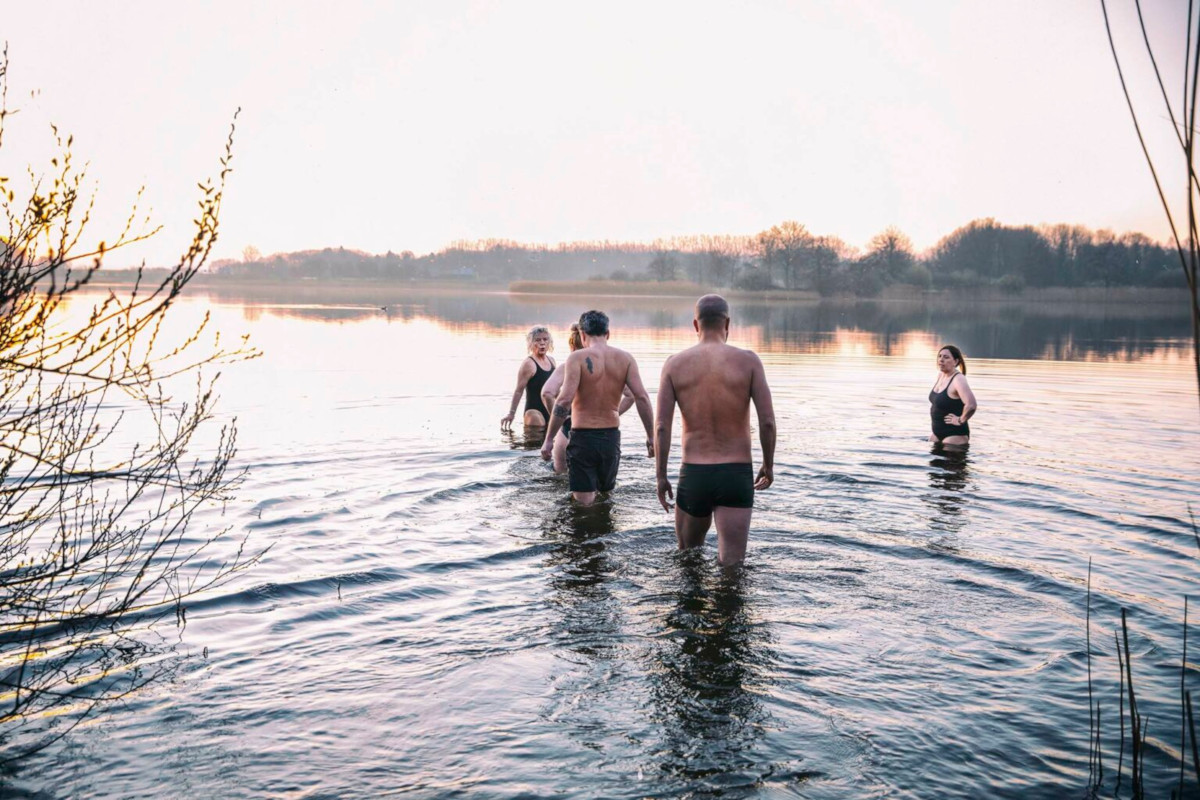
Short bouts of cold-water immersion or outdoor winter swimming can activate brown adipose tissue, metabolically active fat that burns energy to produce heat.
When switched on, brown fat releases signalling molecules that talk to the immune system, tempering inflammation and sharpening stress tolerance. Researchers call this a hormetic effect: a small, controlled stress that strengthens resilience over time.
While cold exposure isn’t a magic bullet, and should be approached gradually and safely, it reflects a broader truth: our immune system thrives on contrast. Warmth and coolness, rest and challenge, exertion and recovery – these alternating signals are how the body learns to adapt.
The immune system doesn’t work in isolation, though; it’s hardwired into our nervous and hormonal networks.
It’s a relatively new field of study called psychoneuroimmunology, which looks at how every thought, feeling and stress signal leaves a chemical trace on immunity.
When pressure becomes chronic, stress hormones such as cortisol and adrenaline dominate. In brief bursts they’re protective, mobilising energy and sharpening focus.
But when they stay high, they suppress antiviral defences, slow down wound healing and weaken the gut barrier that keeps microbes in check.
December is a perfect storm of those signals: emotional intensity, disrupted sleep, rich food and extra alcohol. Each nudges the immune system towards imbalance.
Just a few nights of poor sleep can cut the antibody response to a vaccine by almost half. Alcohol, meanwhile, depletes the antioxidant glutathione and makes our gut microbes very unhappy, meaning even minor viruses can hit harder.
This isn’t an argument for skipping the celebrations, however; it’s a call to pace the season. Alternate stimulation with recovery.
Micro-rituals such as 10 minutes of daylight at lunch, a limit on late-night emails, a calm wind-down before bed can switch the body from ‘fight or flight’ to the parasympathetic state where immunity restores itself.
And it’s not just our routines that matter; our relationships do, too. The field of social genomics shows that loneliness activates the same inflammatory genes as physical stress, while feeling connected suppresses them.
It’s as though the immune system eavesdrops on our social lives, tuning its defences accordingly: isolation primes for danger; connection signals safety. In that sense, spending time with people we trust and love isn’t indulgent, it’s immunological.
Deep sleep is the most powerful of those resets. In the brain, immune cells called microglia act as night-shift cleaners, pruning synapses and clearing metabolic debris.
When we cut the night short, that clean-up crew never clocks off, leaving behind a residue of inflammation that clouds mood, memory and focus the next day. Sleep isn’t just rest; it’s overnight immune maintenance.
Your diet and exercise
Forget ‘superfoods’ – there’s no such thing. Instead, think about immune nourishment.
The immune system is one of the body’s hungriest networks, requiring a steady flow of raw materials: amino acids to build antibodies, omega-3s to resolve inflammation and micronutrients for thousands of molecular reactions.
Protein, from fish, eggs, legumes and animal products, supports tissue repair and the production of immune molecules.
But quantity isn’t the only story. Too much sugar – or conversely, prolonged fasting – can nudge that balance off course, another reason moderation, not excess, supports resilience.
Omega-3 fatty acids temper inflammation and promote healing. Vitamin D levels plummet by January; supplementing with 1,000–2,000 international units daily is a safe and strongly evidence-based way to address that drop.
Vitamin C and zinc can modestly shorten the duration of colds when taken at the first sign of symptoms.
Polyphenols from berries, cocoa, green tea and dark winter vegetables modulate signalling pathways that teach immune tolerance, keeping defences precise, not overactive.
Hydration, too, is immunity’s quiet ally. The mucous membranes lining the nose, throat and lungs are our first physical barrier against pathogens.
Even mild dehydration thickens mucus and slows the microscopic cilia that sweep microbes away. Herbal teas, warm broth and plain water keep these defences supple.
And don’t underestimate movement. Moderate exercise mobilises immune cells, improves sleep and buffers stress. You don’t need to perform heroic workouts; a brisk winter walk and regular strength training are enough to keep immune traffic flowing.
But even if you do all of the above, infection is inevitable. And that’s not failure – it’s function. A runny nose or fever is evidence of the immune system doing exactly what it’s meant to: identifying invaders, deploying inflammation and clearing the battlefield.
During illness, rest is active recovery. Immune defence consumes enormous energy, so trying to stay productive and ‘push through’ an illness diverts resources away from healing. It’s also normal for appetite to fall.
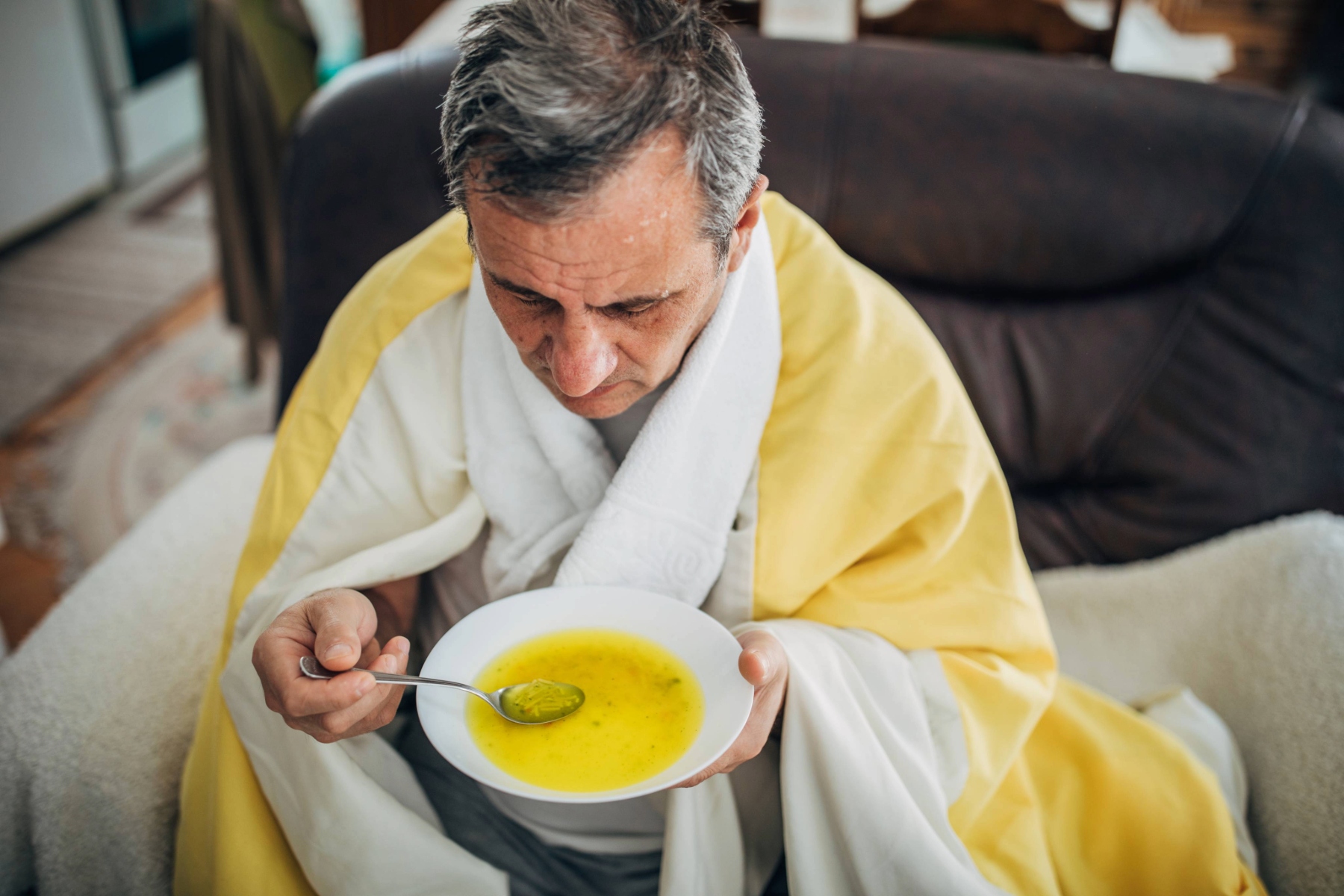
This is an adaptive response driven by immune signals that redirects energy away from digestion and towards repair. Honour that by choosing small, nutrient-dense meals such as soups with protein, as well as vegetables and electrolytes.
Also, try to avoid over-suppressing symptoms unless medically advised.
A mild fever, for instance, enhances antiviral activity by creating a slightly hostile environment for pathogens. And when symptoms subside, resist the temptation to rush back to your normal daily routine.
Post-viral fatigue is the body’s way of signalling incomplete repair. A gentle re-entry to daily life, with daylight exposure, short walks, nourishing food and rest, helps recalibrate the immune rhythm faster than pushing through exhaustion.
Illness, after all, is part of life’s feedback loop, the immune system’s way of reminding us to pause, repair and realign. The goal isn’t perfect defence, but graceful recovery.
Paradigm shift
We’re entering a renaissance in immunology, one that reaches beyond just thinking of it as a defence system against pathogens.
We’re no longer viewing immunity as a fortification, but as a conversation – a continual negotiation between our bodies and the world across the course of our lives. The stronger the dialogue, the more gracefully you adapt to challenge.
Don’t wait to get sick before you take action, because your immune system isn’t binary (on/off), but adaptive. You need to reframe resilience as flexibility, not force. And resilience is rhythmic.
We’ve evolved for oscillation: work and rest, stress and recovery, light and dark. Illness tends to creep in when those rhythms flatten.
So, as winter unfolds, keep daylight as your anchor; 20 minutes outdoors each morning can help reset your circadian timing. Prioritise sleep. Eat plants and adequate protein. Get yourself moving. Make time for stillness, laughter and community. Socialising may actually strengthen antiviral immunity.
The magic isn’t in one supplement or ‘secret hack’; it’s in the alignment between how we live and how our biology expects us to.
We’re not separate from nature, we are nature. Seasonal beings, in a season where slowing down can be the most productive thing we do for our health.
Read more:
