
Stop for a moment and take a look out of the window. What do you see? When you're not wearing glasses or contact lenses, is the outside world crisp and clear, or does it look fuzzy and blurry?
If it's the latter, then you probably have myopia.
Lots of people do. Around the world, almost one in three people has myopia, or short-sightedness. This makes it one of the most common eye conditions there is, and rates are rising.
By 2050, it’s estimated that half the world’s population – some 4.8 billion people – will be myopic.
Some experts have even gone so far as to call it a ‘global epidemic.’ “I don’t think that’s unreasonable,” says Dr Sophie Coverdale from the University of Bradford, “especially when you look at the projections.”
This is about more than needing to visit the opticians, however. Myopia is a pressing public health problem that costs the global economy hundreds of billions of dollars every year.
Being myopic increases your risk of developing serious eye complications, including retinal detachment, macular degeneration and glaucoma.
This is especially true for those with the severe version of the condition, known as high myopia, where the prescription is minus six or more. Currently, around 500 million people have high myopia, but that figure is projected to double over the next 25 years.
This could lead to high myopia becoming the world’s leading cause of blindness.
But it doesn’t have to be that way.
Researchers are beginning to understand the causes of myopia and the changes that happen to the eye. Strategies are emerging that help to prevent the condition, as are treatments that can slow its progression.
Follow the science, and it’s hoped that the epidemic can be brought to heel.
Point of focus
Myopia occurs when light entering the eye is focused in front of the retina – the light-sensitive layer of cells at the back of the eye – rather than directly on it. This causes distant objects to look fuzzy.
In most cases, however, the problem isn’t the lens at the front of the eye. It’s the shape of the eyeball itself.
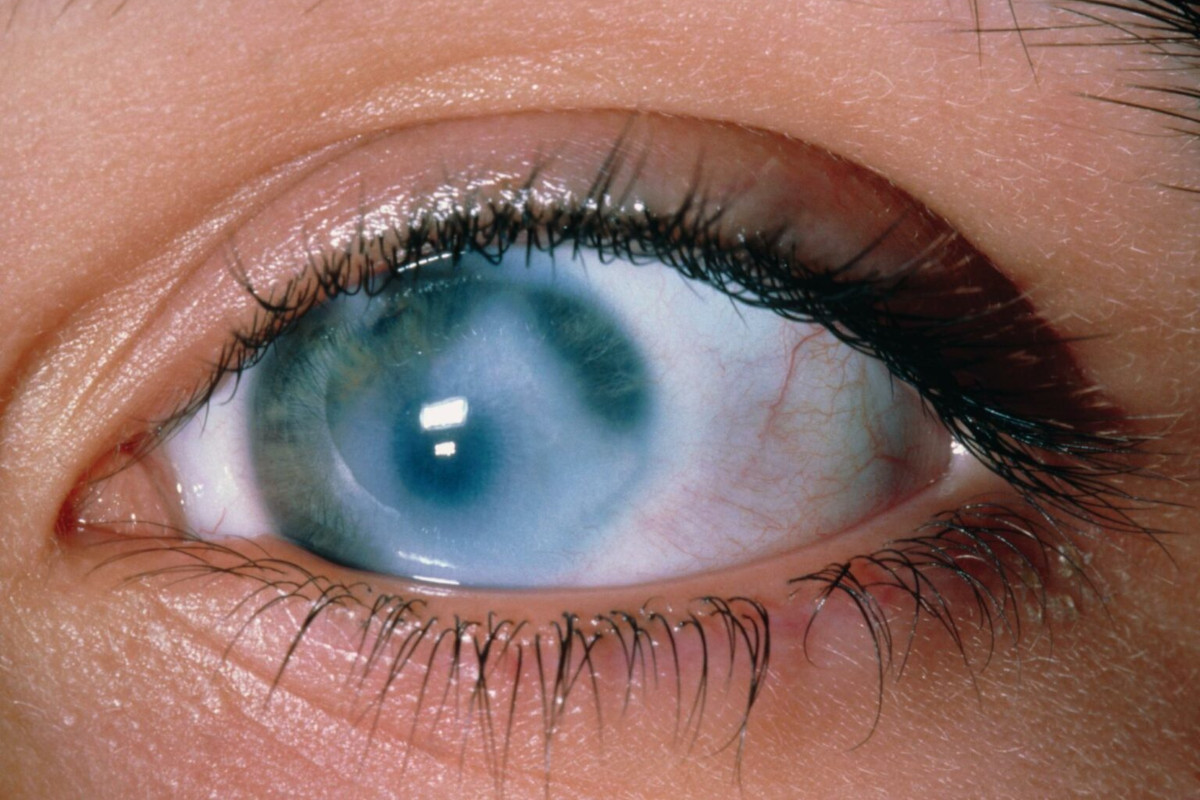
Most newborns are born slightly long-sighted (the light is focused behind the retina). As the child grows and the eye gets bigger, this usually corrects itself. Light becomes focused on the retina and the eye stops growing, in a feedback loop known as emmetropisation.
Sometimes, however, the eye keeps growing and becomes longer than it should. “It’s this lengthening that causes blurred vision and makes the eye more at risk of certain diseases,” says Coverdale.
This means that myopia usually emerges during childhood and then stabilises after adolescence. In western populations, however, a third or more cases emerge in early adulthood.
No one’s exactly sure why, but Coverdale has shown that myopia can also get worse during this time.
In a study of 147 undergraduate students, a fifth had eyeballs that grew longer over the year and a half they were assessed. Other studies have found similar results. “The progression may be relatively small,” says Coverdale, “but if you progress all the way through your twenties, it adds up.”
So, what’s going on? Why do some people’s eyeballs grow too long, and why are rates of myopia soaring?
The search for a cause
For a long time, myopia was thought to be genetic. Not only can the condition run in families, but researchers have identified hundreds of genetic variants that are related to it as well.
Each of these subtle changes to a person’s genetic code can slightly alter the odds of becoming myopic.
Some of these variants have also become more common over time, hinting that myopia may have an evolutionary component.
According to the theory of natural selection, characteristics (and the genes that underpin them) are likely to become more common if they help an organism to survive and produce more offspring.
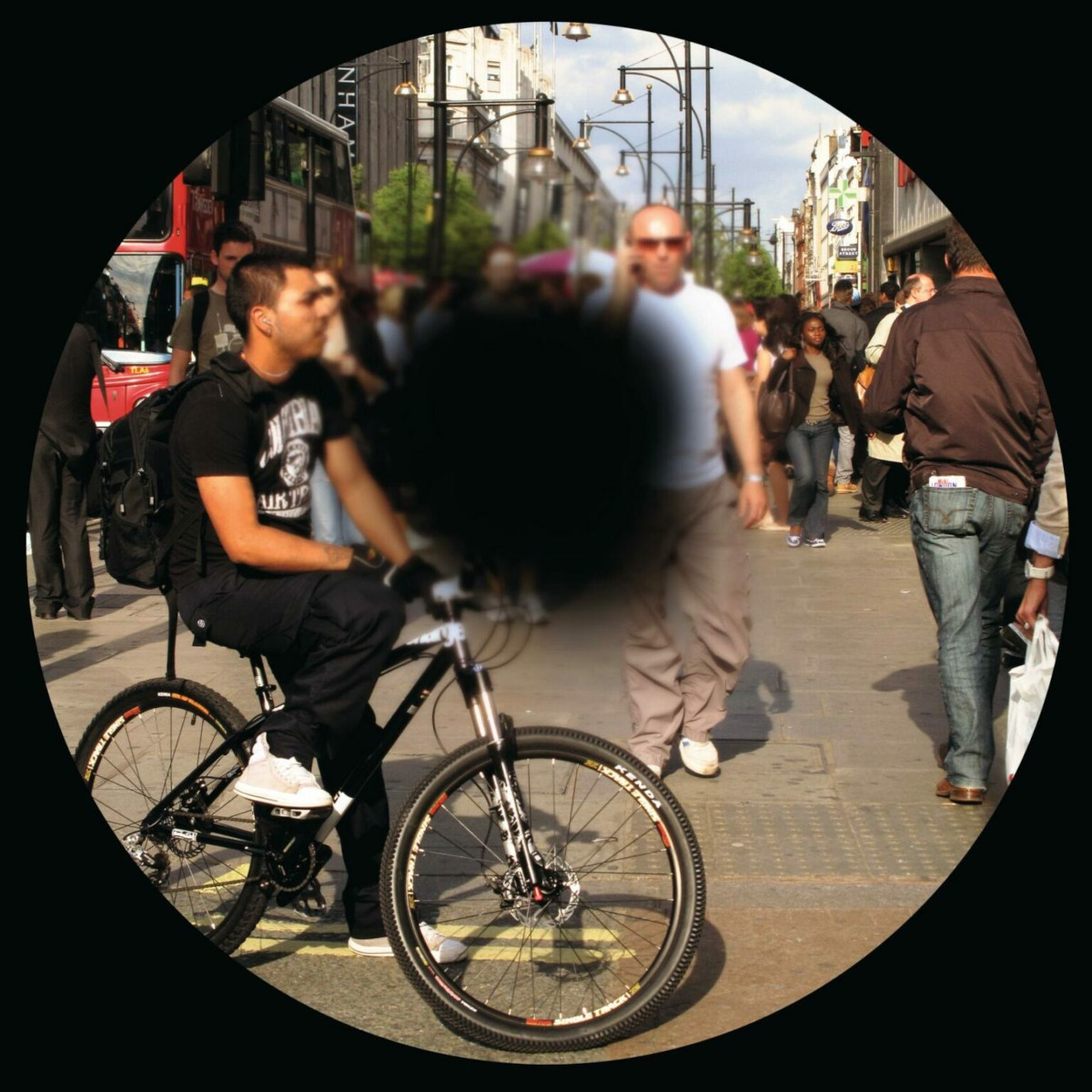
Myopia doesn’t do this, but some of the variants may be linked to other traits that do affect reproductive success and so have spread through the population. According to a study published in 2021, natural selection may be responsible for an extra 100,000 myopia cases per generation.
Compared with the total number of people who have myopia, however, this figure is a drop in the ocean. In addition, the prevalence of myopia has increased so rapidly that it can’t be pinned solely on genetic change, which occurs over much slower time frames.
This suggests that while genetics plays a role, something in the environment must also be having an effect.
Various environmental culprits, including too little vitamin D and too much refined sugar, have been proposed and then discarded. The available evidence points towards two key factors.
The first is education. For all the benefits that formal learning brings, there’s a definite downside for eye health. “We know that kids who study intensively end up more myopic,” says Prof Ian Morgan from the Australian National University in Canberra.
Alongside places such as Singapore, Taiwan and South Korea, China has a lot of myopia. Around 80–90 per cent of school leavers have the condition.
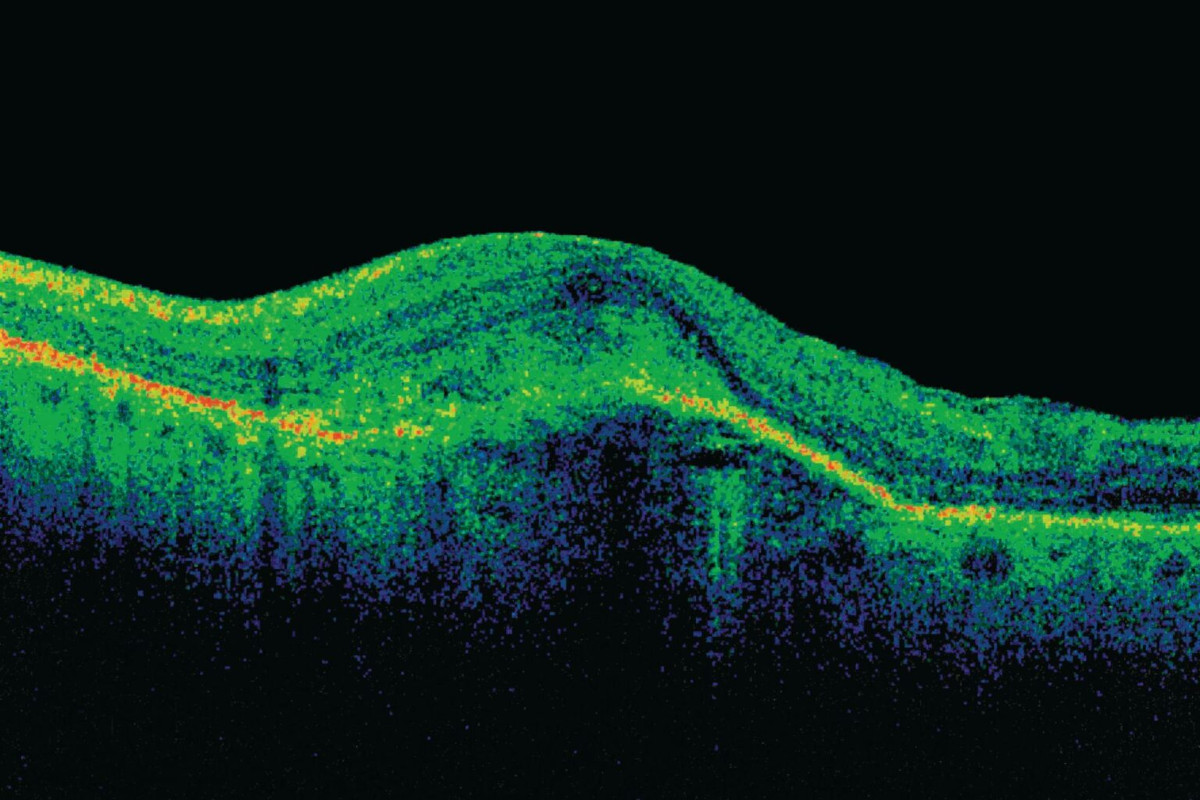
China also has strict cut-off dates for school enrolment, meaning that children of the same age can end up in different year groups, providing an opportunity for Morgan to study the causes of myopia.
In a 2022 study performed in China, Morgan showed that six-year-olds who were in school were more myopic than six-year-olds who were in preschool. Looking further up the year groups, higher-grade children were also more myopic than same-age children in the year below.
This shows that exposure to school life has a greater impact on the development of myopia than age alone. “There’s no doubt that it’s the school experience that starts to make them myopic,” Morgan says.
This link isn’t correlative. Researchers have since proved that it’s causal, and it helps to explain why myopia is so common in East and Southeast Asia – the schooling is intensive and starts young.
Linked to this, children in many parts of the world are also spending more time indoors and less time outdoors. This too is fuelling the myopia boom.
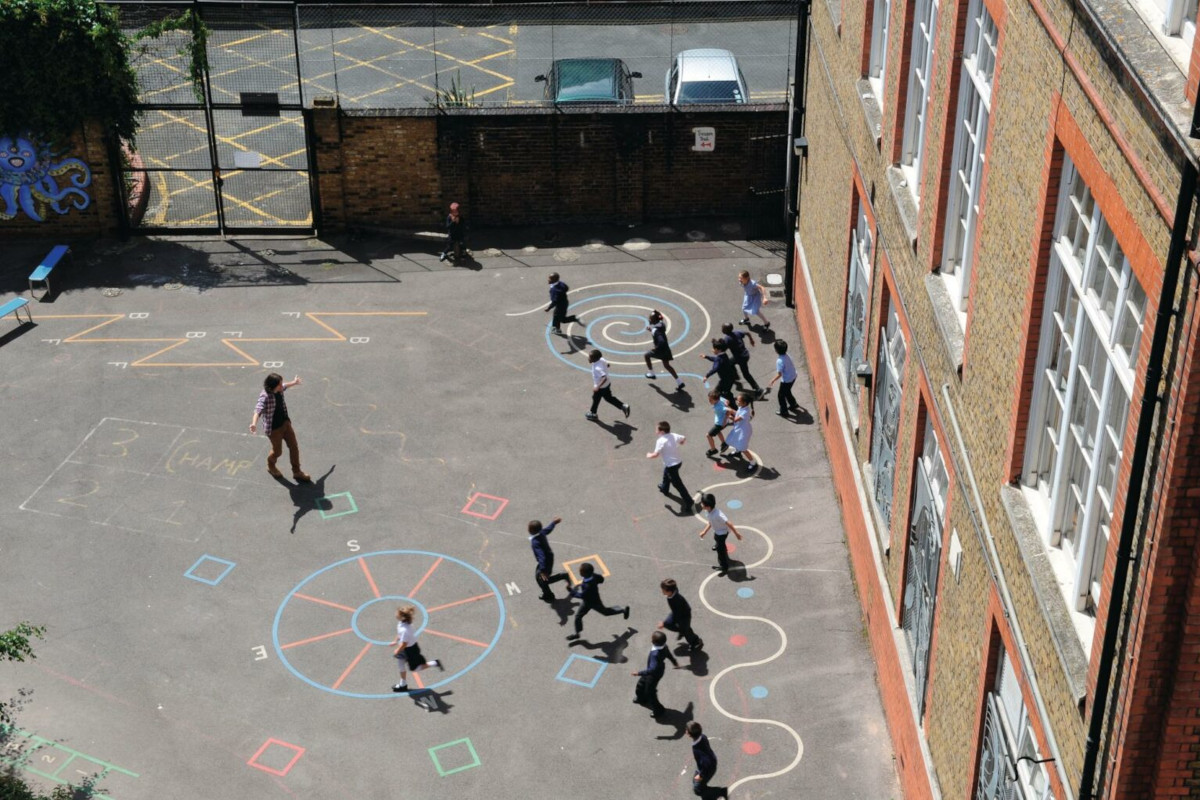
Around 20 years ago, in a study of around 4,000 children at 51 Sydney schools, Morgan found that myopia was more common in children who went outside less often, and less common in those who went outside more.
Another more recent study highlighted the importance of outdoor time, when researchers found that myopia worsened during the COVID-19 pandemic, when restrictions forced children to stay inside.
Studies have shown that outdoor light nudges the retina to release a signalling molecule called dopamine. This slows the growth of the eyeball and prevents it from growing too long.
In animal studies, this has been shown to prevent the development of myopia. “We can say, without doubt, that spending time outdoors helps to protect against myopia,” says Morgan.
The effect can be seen in the real world, too. In 2010, Taiwan introduced ‘Tien-Tien 120’, a policy encouraging all preschool children to spend at least two hours outdoors every school day. Over time, the prevalence of myopia there halved, says Morgan. “It was spectacular work.”
“So, the simple solution is to stop sending kids to school and get them all outdoors,” Morgan quips. “Or, more practically, find out what it is about education and indoor time that makes myopia more likely, and use this information to help people.”
Read more:
- Is human eyesight getting worse?
- Why hasn't evolution sorted out eye defects?
- Would my eyesight deteriorate more slowly if I didn't wear my glasses?
Screenburn
Education itself isn’t the culprit, but the way people access information could be. In recent years, an increasing reliance on smartphones and digital devices has prompted some to question whether increased screen time could be to blame.
It’s an interesting idea, but digital screens came along after rates of myopia started to rise, and research looking for links has yielded mixed results.
A study from 2025, incorporating more than 300,000 people, did find that the risk of myopia increased by 21 per cent with each additional hour of screen time, but the effect only held for up to four hours of use.
After that, it tapered off, a finding that wouldn’t be expected if more screen time causes more myopia.
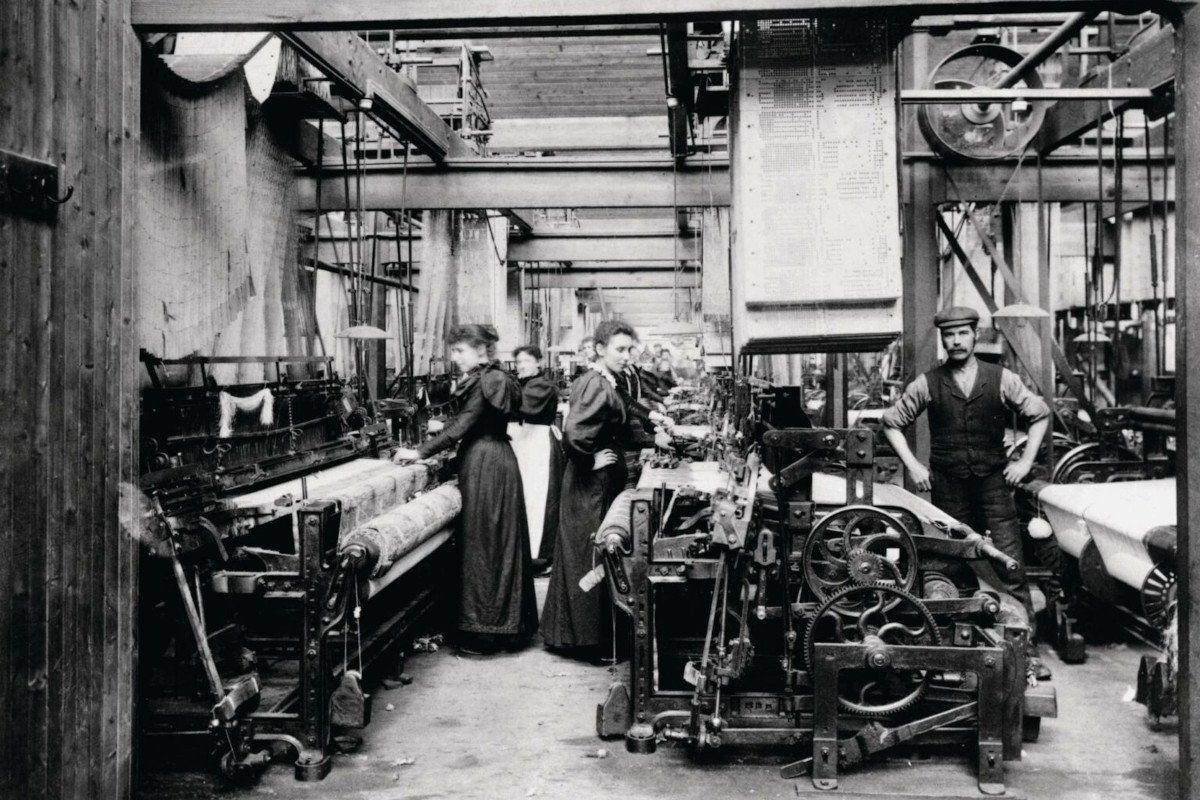
Instead of screens, then, what about the way we hold them? Excessive ‘near work’, including prolonged reading and smartphone use, is associated with a higher risk of myopia. “We see this historically,” says Prof Nicola Logan from Aston University, in the UK.
“Hundreds of years ago, myopia was prevalent among textile workers.”
And while researchers can’t say for sure that near work causes myopia, rather than just being associated with it, it’s still a good idea to limit close-up work.
The ‘20-20-20 rule’ is useful and easy to remember. Every 20 minutes or so, look at something 20ft away (6m) for 20 seconds. While there’s no direct evidence to suggest this can affect myopia, it certainly won’t hurt, and it can help with eye strain.
Some people think that myopia is less about close-up work and more about the fact that it tends to be done indoors. Indoors versus outdoors, the eye receives very different sorts of information.
Light intensity, for example, is much greater outside than it is inside. Lighting in a typical office or classroom is around 500 lux. Outside, however, it can be anything from 1,000 lux on a cloudy day to 10,000-plus lux on a really sunny one.
Studies have shown, however, that being exposed to a light intensity of at least 5,000 lux, for a couple of hours a day can help to protect against myopia.

There’s also more visual stimulation outdoors. Instead of straight lines and monochrome walls, there’s more variability. One idea is that these ‘high spatial frequencies’ help to protect against the condition.
To find out if this was the case, researchers from Central South University in China brought the outside in. They decorated a school classroom to look like a woodland, even painting the ceiling to look like sky.
Over the course of a year, the eyes of children who learned in the decorated classroom elongated less than those who learned in a traditional classroom, suggesting that the novel environment may help to ward off myopia.
A growing body of evidence now suggests that spending time outdoors in bright light and engaging in visually rich environments can help to reduce the risk of developing myopia.
Over time, policies that encourage these behaviours, especially in children, could help to reduce rising rates, but is there hope for those who are already myopic?
Myopia treatments
“Myopia is a lifelong condition that’s irreversible,” says Logan. “But there are treatments that can slow its progression.”
Traditional glasses and contact lenses focus light on the retina. They provide clear distance vision, but don’t stop myopia from progressing. Speciality lenses, on the other hand, do both.
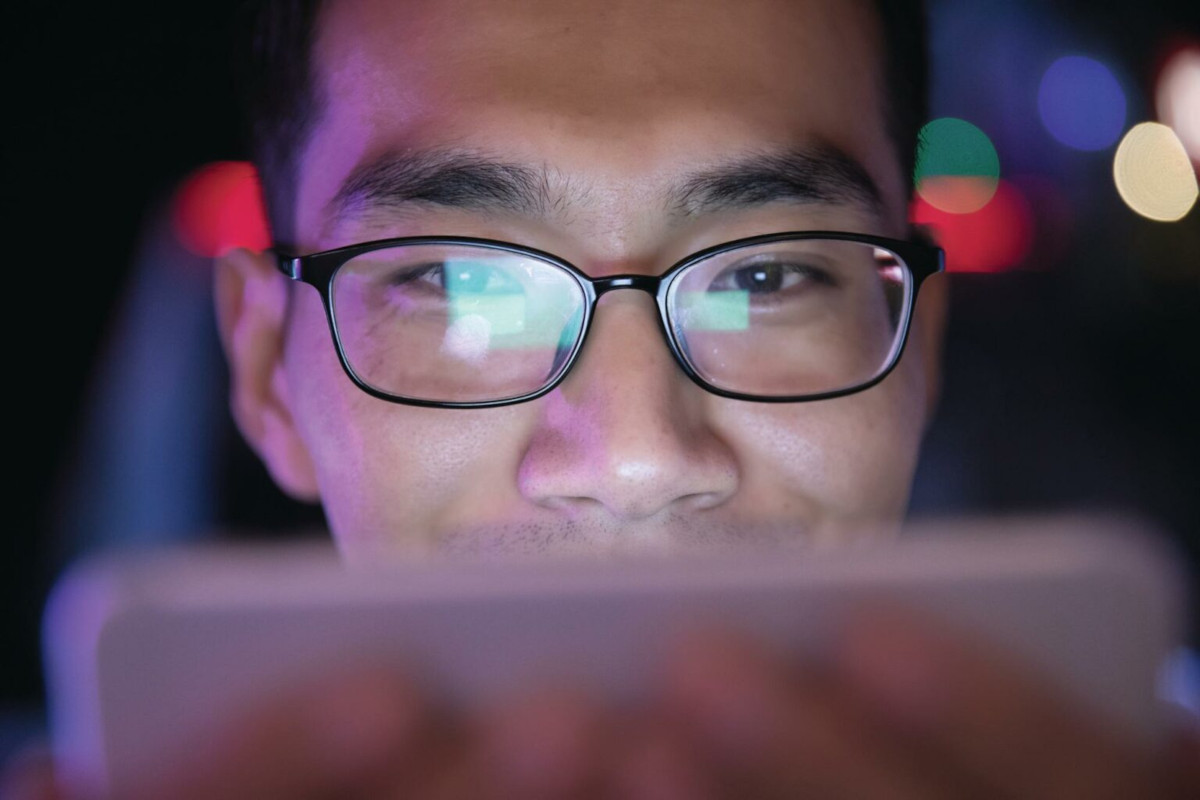
Logan was involved in a clinical trial for one of these, called MiSight. This is a soft, disposable contact lens with a concentric ring design. The central part corrects the distance prescription, while the outer part deliberately defocuses light in the peripheral visual field.
This ‘myopic defocus’ is thought to generate a signal that slows the elongation of the eye.
Over the three years of the clinical trial, children who wore the MiSight lenses showed less myopia progression than a control group of children who wore regular, disposable lenses.
In 2019, the lens became the first contact lens authorised by the US Food and Drug Administration for slowing the progression of myopia in children. And although it’s not available on the NHS in the UK, it can be bought in high-street optometrists.
Another option is orthokeratology – rigid contact lenses you wear at night, which can gradually change the shape of your corneas.
They also help to focus light correctly and slow the progression of myopia.
There are drops, too. Atropine eye drops partially paralyse the muscles that control the size of the iris. In eye examinations, the drops are used to dilate the pupils, but at lower doses, they can reduce both the incidence and progression of myopia.
No one’s exactly sure how they do this, but Logan thinks that the drops trigger a cascade of signals in the retina. Sometimes side effects can occur, such as blurred vision and light sensitivity, so researchers are studying the effects of different concentrations.
In the meantime, a third option is red light. Repeated low-level red light (RLRL) therapy involves shining a laser, with a specific wavelength of 650 nanometres, onto the retina of the eye for around three minutes, twice a day.
The therapy was originally devised to treat amblyopia, or lazy eye, but then researchers realised that it was slowing – in some cases even reversing – myopia.
“Cases were reported where there was actual repair of some retinal holes,” says Morgan, who was involved in some of the early work.
Researchers don’t know exactly how red light does this, but Morgan suspects that it triggers the production of chemical energy, which then creates knock-on effects in the retina.
For now, most of the data on RLRL therapy comes from children, but a small 2022 trial in adults found that a month’s use can improve blood flow to the back of the eye and slightly decrease the eye’s length.
That’s not the same as showing it can reverse myopia in adults, but it’s promising, nevertheless.
For now, RLRL devices are available through specialised optometrists, where they’re usually prescribed for children, but can also be accessed by adults.
Morgan is optimistic. Speaking about specialist lenses, atropine drops and red-light therapy, he says “they’re all highly effective and capable of reducing the progression rate by roughly half.”
In addition, he thinks the widely quoted figure, which suggests that half the world will be myopic by 2050, is “hopelessly wrong” and “based on flawed projections.”
Myopia remains a serious condition, but with a growing number of public health policies in place to prevent its onset and slow its progression – in East Asia and elsewhere – the future is not only looking brighter, but it’s looking clearer too.
Read more:
