The patient needed water – that much was clear. By the time the 32-year-old man arrived at a South Carolina emergency department, he’d been suffering from diarrhoea for an entire week.
The culprit, he said, was retatrutide, an experimental ‘triple agonist’ weight loss drug that mimics three gut hormones involved in appetite, fullness and how the body burns energy. It is still in clinical trials and has not been approved anywhere, but versions of it are widely sold online. That’s where he had bought his.
In trials, the highest dose of 12mg a week helped people lose nearly a quarter of their body weight in just under a year. He had recently moved up to 20mg. Then he forgot he’d already taken his weekly dose and injected another the next day, leaving roughly 40mg in his system.
Within hours, he was rushing to the toilet every 20 to 30 minutes. By the time he reached hospital he was dehydrated and his kidneys were struggling.
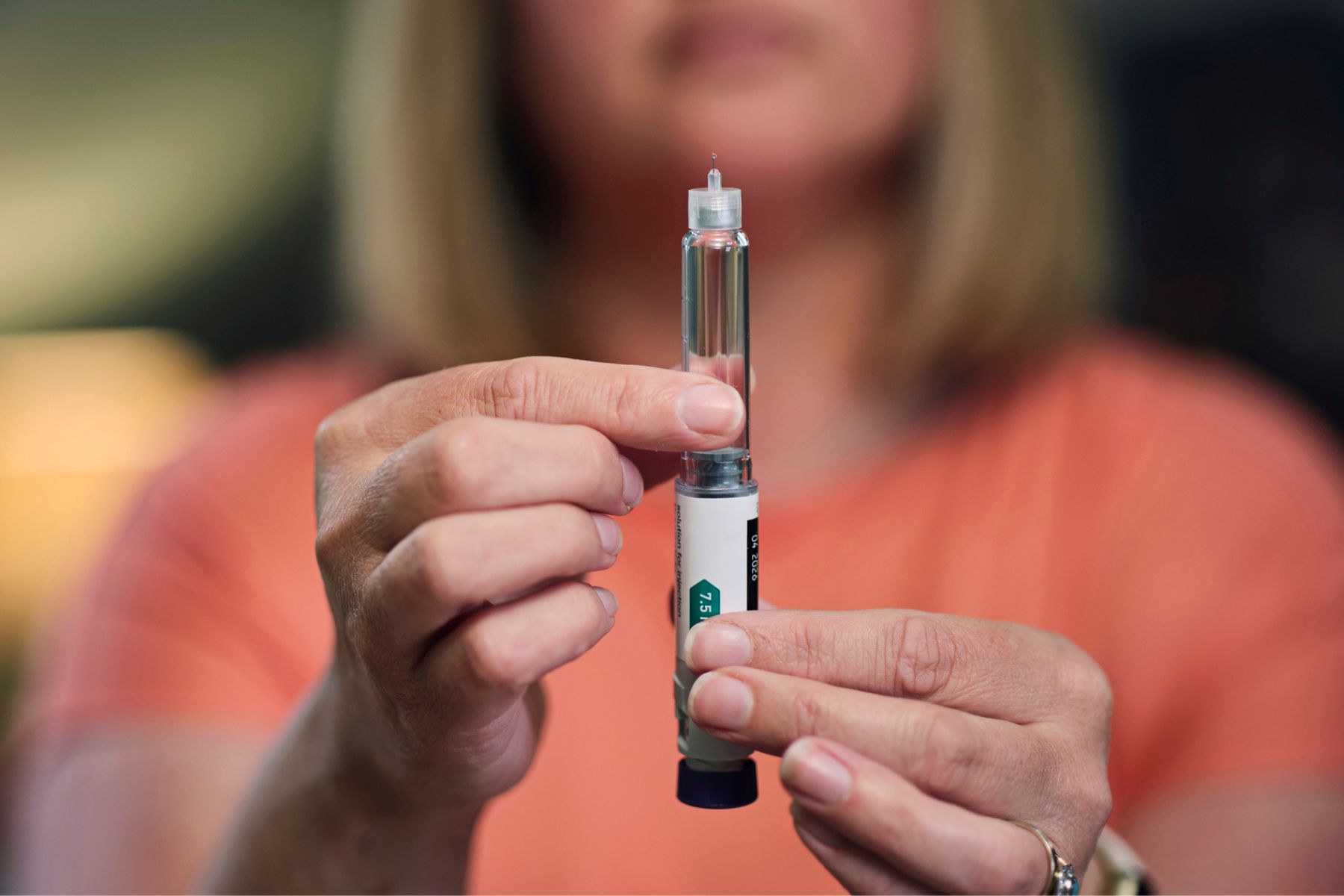
That case report is one of an increasing number of overdose incidents involving GLP-1 and related weight loss drugs.
Last year, there were over 25,000 cases of dosing mistakes with the drugs by patients and clinicians, according to a KFF Health News analysis of the FDA’s Adverse Event Monitoring System, up from 2,000 five years ago.
Meanwhile, US poison centres reported a 1,500 per cent increase in overdose or side effect-related calls between 2019 and 2025.
Most symptoms mirror those of food poisoning: nausea, vomiting, diarrhoea and stomach pain. Others are more dramatic.
One 50-year-old man who accidentally injected himself with four times more GLP-1 than normal experienced a combination of profound physical weakness and a general feeling that his skin was burning.
Another 67-year-old patient who overdosed intentionally presented himself to physicians with multiorgan failure, hypoglycemia and duodenal ulcers, while a 7-year-old girl who accidentally took her mother’s Mounjaro thinking it was stomach medication was hospitalised in great pain from recurrent vomiting.
Why people overdose GLP-1s
It shouldn’t be surprising that some people accidentally overdose on GLP-1s, says Martin Whyte, a professor of metabolic medicine at the University of Surrey.
“I’ve seen people overdose on a whole load of bizarre things,” recalls Whyte, including relatively innocuous medications like paracetamol and aspirin.
Statistically speaking, too, the increasing consumption of GLP-1s will also point toward an uptick in such incidents, not just in the US – where 12 per cent of Americans are reported to have used them – but in France, Belgium and Australia too.
Many of these cases will have resulted from simple dosing mistakes by patients entrusted with a pack of GLP-1 autoinjector pens, often at the start of the medication regimen when a step-up approach to dosage is recommended.
“You have one box a month, and [patients] have it at home,” explains Whyte. In that setting, impatience or confusion may see people take a higher-than-normal dose or simply forget that they took a normal dose the day before.
Those who do either of these things shouldn’t necessarily expect to be hospitalised. One study in 2024 found that, out of 152 overdose cases, two-thirds reported no symptoms whatsoever.
Those that did, however, presented with “[n]ausea, vomiting, generalised weakness, and abdominal pain.”
Read more:
- The weight-loss pill everyone wants is finally here
- The best way to come off weight-loss drugs without regaining fat
- Ozempic made rapid weight loss easier. But here’s when keeping body fat is healthier, according to doctors
Why some groups are at greater risk
GLP-1s work by increasing the production of hormones linked to appetite suppression.
Taking a massive dose early in the regimen, therefore, may produce a “starvation effect” in the patient, explains Professor Roy Taylor, an emeritus professor of medicine and metabolism at Newcastle University. That’s not as dramatic as it sounds.
“Starvation is something that the human race has evolved to recover from,” says Taylor, “so it’s not a disaster. But it may produce short-term ill health, as in, being unable to eat sufficiently [and] to be able to genuinely maintain protein balance.”
These symptoms may be less pronounced later in the regimen, he adds.

That’s less true of diabetic patients prescribed GLP-1s on a long-term basis. If they’re being co-treated with insulin, says Whyte, “that’s going to have potentially quite a dramatic effect on their insulin or glucose levels,” with hypoglycaemia a smaller, secondary risk after vomiting and diarrhoea.
Another at-risk cohort may be those with eating disorders like bulimia, some of which are beginning to be treated using GLP-1s in experimental trials.
“Whether or not they’re going to be more prone to an overdose situation, only time will tell,” says Whyte.
The overdose danger compounded
Ironically, the GLP-1 overdose epidemic may have been worsened during a shortage of the most popular branded versions of the drug.
In 2022, the FDA declared that semaglutide and tirzepatide, active ingredients present in Ozempic and Mounjaro, respectively, would be placed on its drug shortage list.
Consequently, state-licensed pharmacies and clinicians were permitted to create compounded versions of the drugs using largely the same ingredients.
Though not strictly FDA-approved, these GLP-1s were perfectly legal for physicians to dispense and patients to take, albeit using vials and syringes instead of autoinjector pens pre-filled to safe dosages.
This can easily lead to dosing errors among patients, especially those that don’t necessarily know the difference between prescribed units of measurement.

Much more affordable than their branded counterparts, compounded GLP-1s exploded in popularity, with telehealth firms regularly prescribing the drugs to patients keen on a bargain.
But in Karleigh McClain’s case, neither seemed to know for sure what a correct dose looked like.
Speaking to KFF News in May, McClain explained that she’d successfully lost 22 kilograms (50 pounds) a couple of years ago using a branded GLP-1.
When her insurance discontinued coverage for that medication, however, she looked for more affordable, compounded alternatives.
McClain found one being dispensed by a telehealth company, but, after being advised to inject nine times the normal amount of the semaglutide-based medication, she was hospitalised with diarrhoea and vomiting.
Such cases are likely to diminish with the FDA’s proposed withdrawal of semaglutide, tirzepatide and liraglutide from its ‘503B bulks list’, banning large outsourcing companies from mixing new medications from drugs in bulk and cutting off telehealth firms from their main source of compounded GLP-1s.
(The FDA has also sent 30 warning letters to many of them about their conduct in prescribing weight loss medications.)
Pharmacies, for the moment, are still permitted to make them, but as one industry watcher noted: “The legal pathways for compounding these GLP-1 medications are narrowing across the board."
A hard pill to swallow
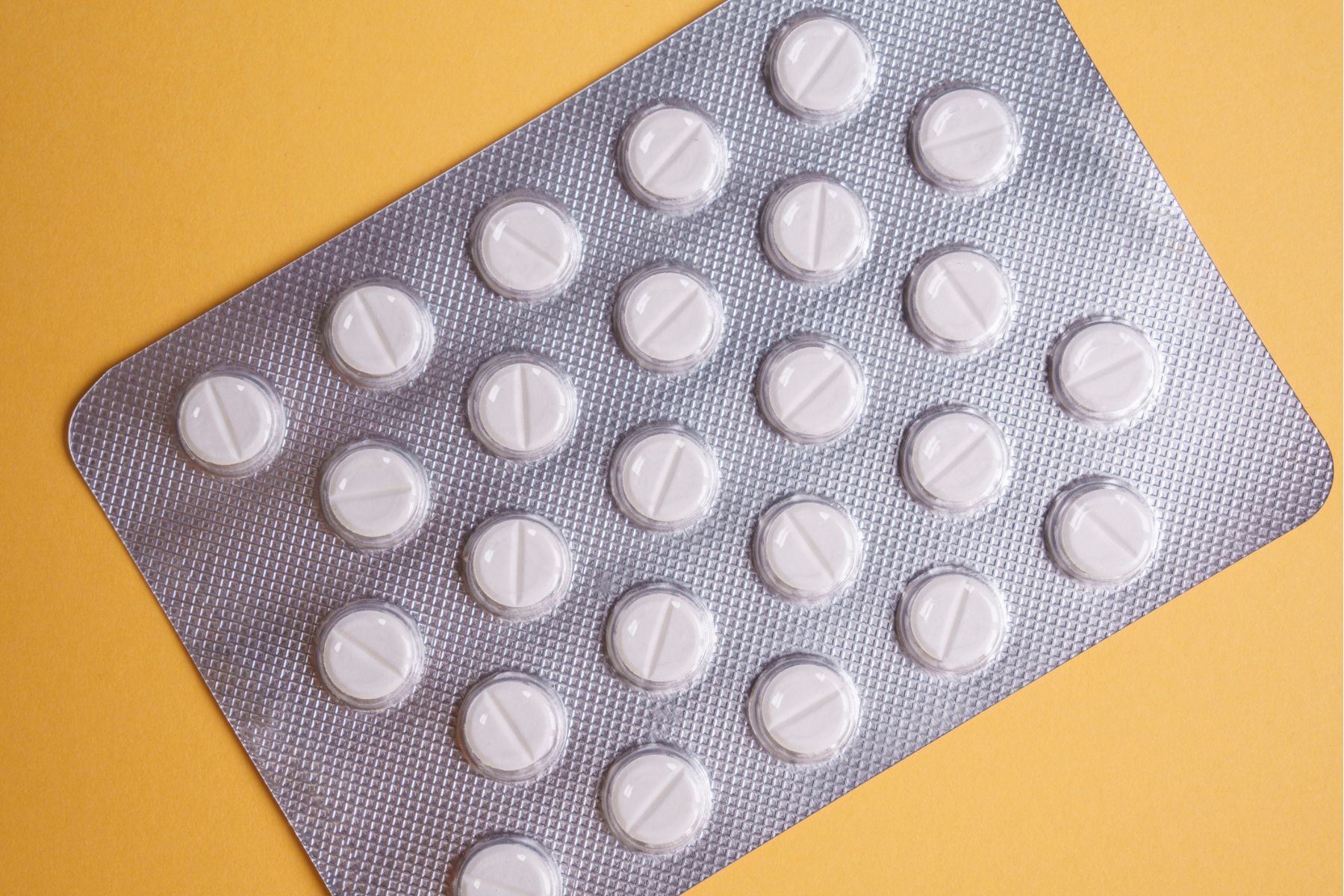
A great unknown on the prevalence of GLP-1 overdoses, however, has recently appeared in the form of the new pill versions of the drugs.
In the US, the FDA approved Novo Nordisk's Wegovy pill (once-daily oral semaglutide 25mg), the first oral GLP-1 approved for weight management, in December 2025, and it launched in the United States in early January 2026.
Also now approved for use in the UK by the Medicines and Healthcare products Regulatory Agency in June and prescription-only (though not available on the NHS), Wegovy tablets are predicted by PwC to lead to a 250 per cent increase in the usage of such weight-loss medications.
This presents new risks, says Whyte, compared to the single-use, pre-filled autoinjector pens currently used to deliver single doses of GLP-1s.
Once the button is pressed on the pen and the patient hears the reassuring click of the needle being deployed, he says, almost the entire dose is delivered before the instrument is discarded.
“Hence, there is a structural brake to overdose,” says Whyte. No such brake exists with blister packs in a medicine cabinet.
Whether that translates into a fresh wave of dosing errors is, for now, exactly the kind of unknown that worries doctors.
Read more: