
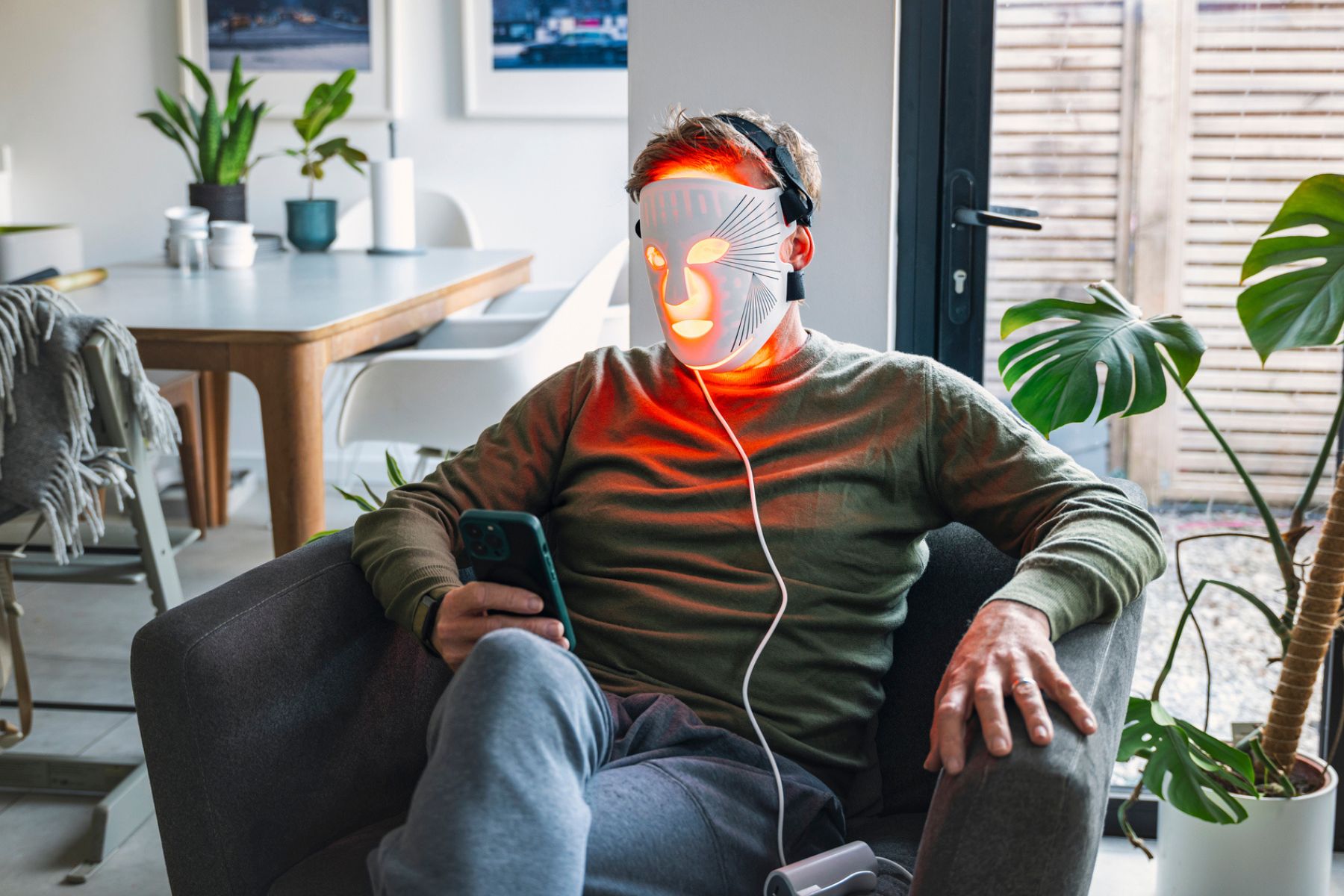
There's something a little creepy about a red-light therapy mask. The featureless frame washed in a red glow resembles something from a horror film. But red-light masks are more than just another internet fad.
One market analysis estimates red-light therapy has grown into a billion-dollar industry and the treatment itself is rooted in decades of research.
“The basic science is absolutely there. This isn’t something fake,” says Zakia Rahman, a clinical professor of dermatology at Stanford School of Medicine, in the US.
The question isn’t whether red light can affect cells, but how much it affects them and who it can help.
Red light's effects
Anyone who’s been sunburnt knows the effect light can have on cells. Ultraviolet light is the classic villain. But what about the other colours?
That’s the question Hungarian scientist Endre Mester asked in 1967. He wanted to reproduce results from another experiment that found a powerful red laser could shrink tumours in mice. But with his weaker laser, he couldn’t replicate the results.
What he found was weirder, though. The lab mice, which he shaved before the treatment, grew hair much quicker under the gentle red light.
This idea – that while high-powered light can damage cells, lower-powered light can have beneficial effects – led to red-light therapy, or photobiomodulation.
While the exact mechanism behind it is still being debated, many scientists believe that the red light acts on a molecule found in the mitochondria.
“When red light hits your skin, it’s absorbed by a key enzyme in the mitochondria of your cells known as cytochrome c oxidase, which activates a series of signalling and energy production mechanisms,” says Dr Jessica Garelik, a dermatologist based in New York City.
The tricky part is turning that neat lab story into strong evidence in the real world. As Garelik puts it, “the way the studies were designed varies. Therefore, more research is needed to fully understand the effects.”
Still, a consensus is forming that it can be beneficial. One recent review concluded that red-light therapy can help treat nerve pain, certain types of hair loss, hard-to-heal skin ulcers and skin burns caused by radiation treatment.
When it comes to skin rejuvenation, Rahman says there’s “significant data”. Red-light therapy is thought to reduce pigmentation and increase collagen production, which together can improve tone and texture and soften fine lines.
One 2005 study found that 90 per cent of participants experienced improved signs of ageing after a few weeks of LED red-light therapy.
But some of the “greatest supporting evidence” for red-light therapy is for conditions such as ulcers, acne, wounds and scar treatment, Garelik says.
Scientists have proposed far broader applications for red light therapy based on the research, some of which have received substantial media attention.
They range from treating arthritis pain to dental conditions, certain eye problems, ADHD, dementia and even traumatic brain injuries. But here the caveats grow louder.
More research is needed, and we don’t know about the long-term effects yet, but the evidence we have so far is promising enough that many clinicians see red light as a helpful tool in some niches.
Read more:
- Why is red light used on submarines?
- The surprising truth behind Korea's most effective skincare products
- 9 ways to easily upgrade your skincare, according to a dermatologist
What to look for
Suppose you want to try red-light therapy. Where do you start?
Devices vary in size, power and marketing claims. They include masks, wands, panels, caps and helmets. Treatment can be done at home, usually with LEDs, or in the clinic, often with more powerful lasers.
Be wary of any official stamps of approval, though. “It’s a bit of a pet peeve of mine when these devices say [they’re] FDA approved,” Rahman says.
FDA approval is reserved for higher-risk medical products, such as drugs or vaccines. Red-light therapy devices only need to be cleared by the FDA, with what’s known as a 501(k) clearance.
It’s a much less rigorous process that allows the FDA to determine if the device is similar to a previously classified equivalent.
Broadly speaking, all ‘FDA-cleared’ tells you is that the device is deemed to be safe, not how effective it is as a treatment.
Some devices are marketed as being more powerful, but again, exercise caution. “High power doesn’t necessarily mean better,” says Garelik. Especially as there’s a risk of overdoing it.
It’s better to be consistent with red-light therapy and follow the manufacturer’s recommendations.
You also have to commit to it. If you stop, “the benefits fade away,” Rahman says. Garelik advises people to “have realistic expectations” and appreciate that “it may take time to see any results,” because one size does not fit all when it comes to skin regimens, and red-light therapy is no exception.
Both experts recommend talking to a dermatologist before going ahead with it.
This is especially true for anyone with a disorder that makes them sensitive to light, such as lupus or melasma, and people with darker skin.
According to the American Academy of Dermatology, darker skin tones are more sensitive to visible light and can be susceptible to hyperpigmentation, leading to longer-lasting dark spots than if the skin were exposed to regular sunlight.
But like any skincare regimen, red-light therapy should come second to a healthy, balanced lifestyle.
For those without the budget for a red-light device, time spent outside remains a powerful tool. Rahman suggests sunset walks, not just because you’re likely to be exposed to natural red light, but also because it’s known to reduce cortisol and improve cognition.
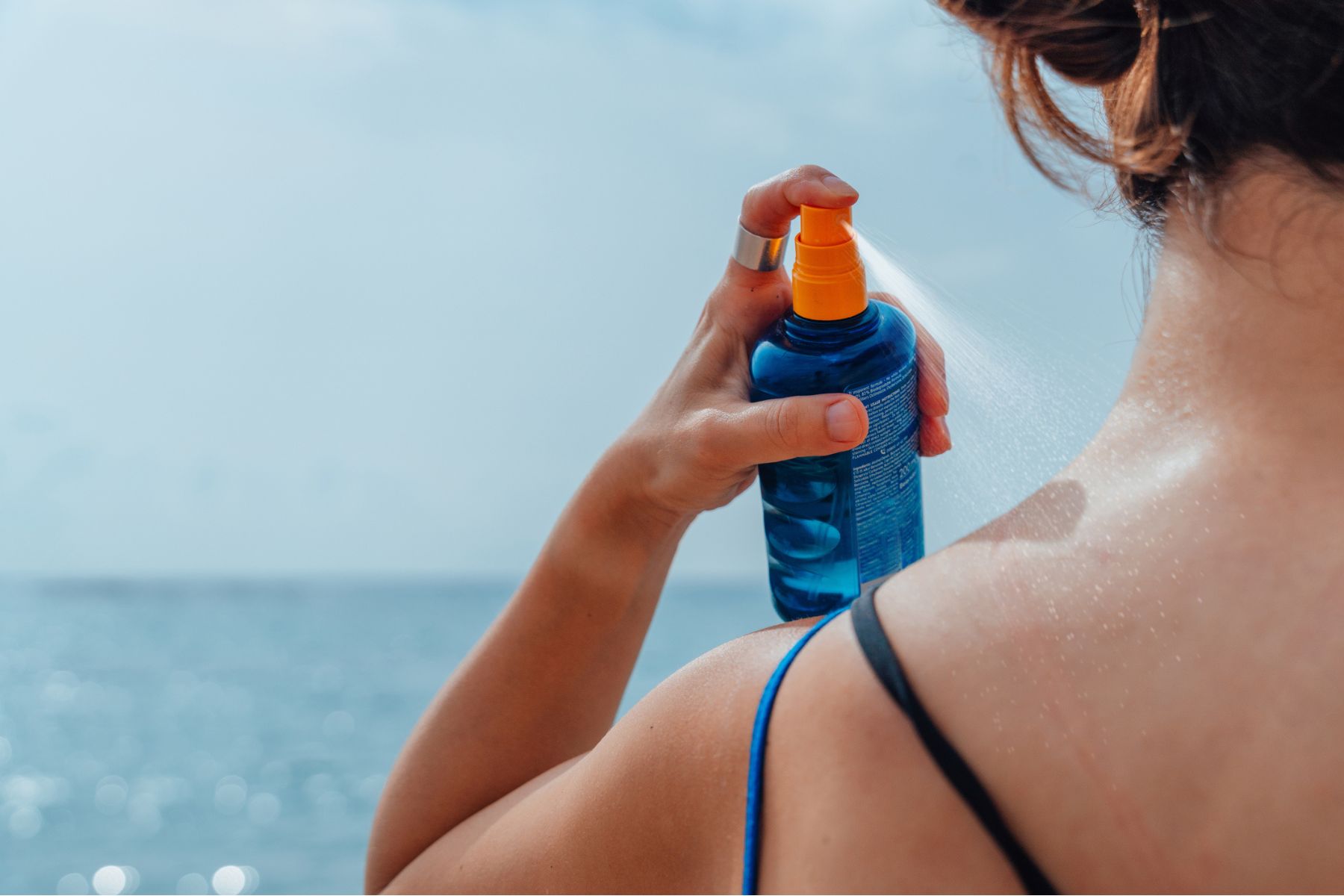
She also adds that there’s no beating a simple sunscreen when it comes to preventing premature skin ageing.
Read more:
