
Lithium is the mineral du jour. As a vital component of many rechargeable batteries, tech companies are clamouring for more of the mineral, driving demand to an all-time high.
Currently, the US imports more than half the lithium it needs – but that could all be about to change based on new research released by the US Geological Survey (USGS).
A team of USGS geologists has found that the Appalachian region of the eastern United States contains an estimated 2.3 million metric tonnes of undiscovered, economically recoverable lithium oxide. This is enough to replace 328 years of US imports at last year’s level.
Of that lithium, 1.43 million metric tonnes are believed to be held in the Southern Appalachians, concentrated in the Carolinas. A further 900,000 metric tonnes is in the Northern Appalachians, predominantly in Maine and New Hampshire.
The lithium is found in pegmatites, large-grained rocks similar to granite.
Lithium is fast becoming one of the world’s most important minerals, used in the lithium-ion batteries that power computers, vehicles, military equipment and energy-grid storage. The USGS has projected that due to rapidly increasing demand, the world’s production capacity for lithium will double by 2029.
That production requires a lot of raw materials to support it. The US currently has just one producer of lithium – an active commercial mine in Nevada. The country relied on imports for more than half its lithium usage last year. In fact, the USGS included it on its 2025 List of Critical Minerals.
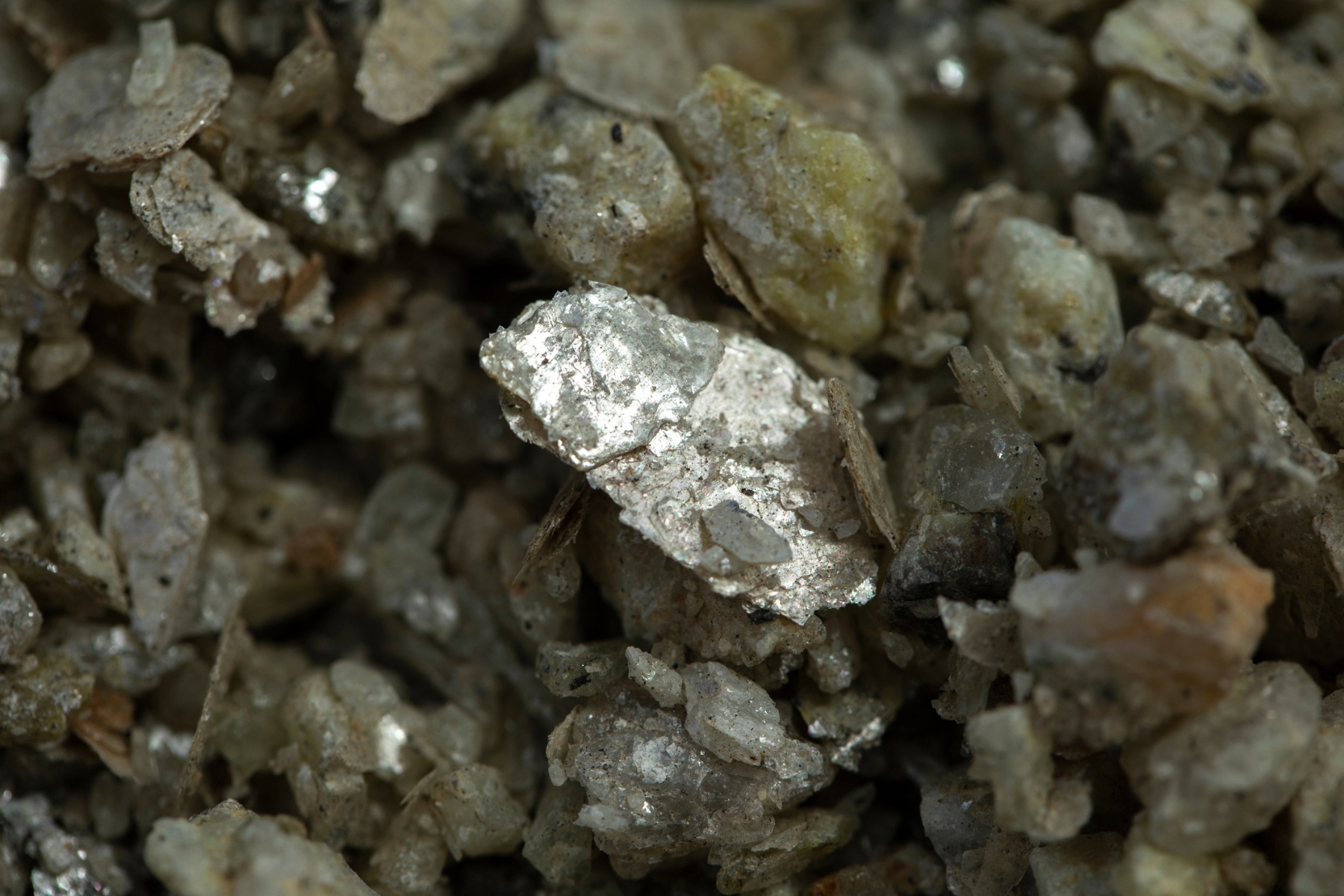
Australia is currently the world’s largest producer of lithium, with China coming in second.
The findings, published in Natural Resources Research, suggest that the lithium oxide found in the Appalachian region would provide enough lithium for 1.6 million grid-scale batteries, 130 million electric vehicles, 180 billion laptops or 500 billion mobile phones.
That’s 1,000 years’ worth of laptops at current demand, or 60 phones for every person on Earth.
“This research shows that the Appalachians contain enough lithium to meet the nation’s growing needs – a major contribution to US mineral security, at a time when global lithium demand is rising rapidly,” said USGS director Ned Mamula.
To undertake the research, a team of USGS geologists combined datasets to estimate how many undiscovered lithium deposits could be found in the Northern and Southern Appalachian regions, and how much lithium they hold.
“What is eventually produced is decided by others informed by our science, and what it means for other countries depends on what is produced,” said Colin Williams, USGS mineral resources program coordinator, to BBC Science Focus.
“We do know that global demand for lithium is rising, as is production, as well as interest in increasing US production.”
The lithium-rich pegmatites in this area were formed more than 250 million years ago, when Africa, Europe and North America collided into a supercontinent known as Pangea. This process created magmas, which were rich in lithium.
Matching pegmatites can be found in Ireland and Portugal, which previously bordered the Appalachians.
Read more:
