
Menopause is an experience roughly half of Earth’s population will go through at some point in their life. It’s the point where menstruation stops and marks the end of natural reproduction.
And yet, that is often the limit of what people know about menopause. The average person’s understanding of what actually happens to the body during this life change is probably comparable to that of how to make a soufflé – it’s got something to do with eggs and heat, but a lot of the important details are missing.
According to a large-scale study published by The Menopause Society, one third of women over age 35 are not sure if they’re in perimenopause or not. Of the 7,600 participants, 56 per cent said they were confused about what symptoms they might expect to experience.
“One of the biggest misconceptions is that perimenopause only starts when your periods become irregular or stop altogether,” says Dr Eloise Elphinstone, GP and a British Menopause Society registered specialist.
“In reality, many women develop symptoms years before their menstrual cycle noticeably changes, so they don’t even consider that hormones could be playing a role.”
Perimenopause is the transition phase that takes place before menopause, as the body prepares for menstruation to end. It most commonly occurs in a person’s mid-40s, but can begin much earlier for some, and typically lasts around four years until you reach menopause – which is taken to be when you have no menstrual cycle for 12 consecutive months – though this number can vary too.
“Unfortunately, menopause education is still lacking, so many women simply don’t know what to look out for or when to seek advice,” says Elphinstone.
Menopause is historically under-researched, which means that around half of those entering this key life stage lack knowledge on how their bodies might change and, crucially, how to cope with those shifts.
Most of us will never have to make a soufflé if we don’t want to, but almost everyone with ovaries – and the people who love and care for them – will navigate perimenopause in some capacity. So it’s important to know the signs and be aware of the support that’s available.
“Hot flushes and night sweats are the symptoms most people recognise, but they’re really only part of the picture,” says Elphinstone. “In fact, I often see women whose first symptoms are completely different.”
5 key signs of perimenopause you might miss
1. Sleep disturbances
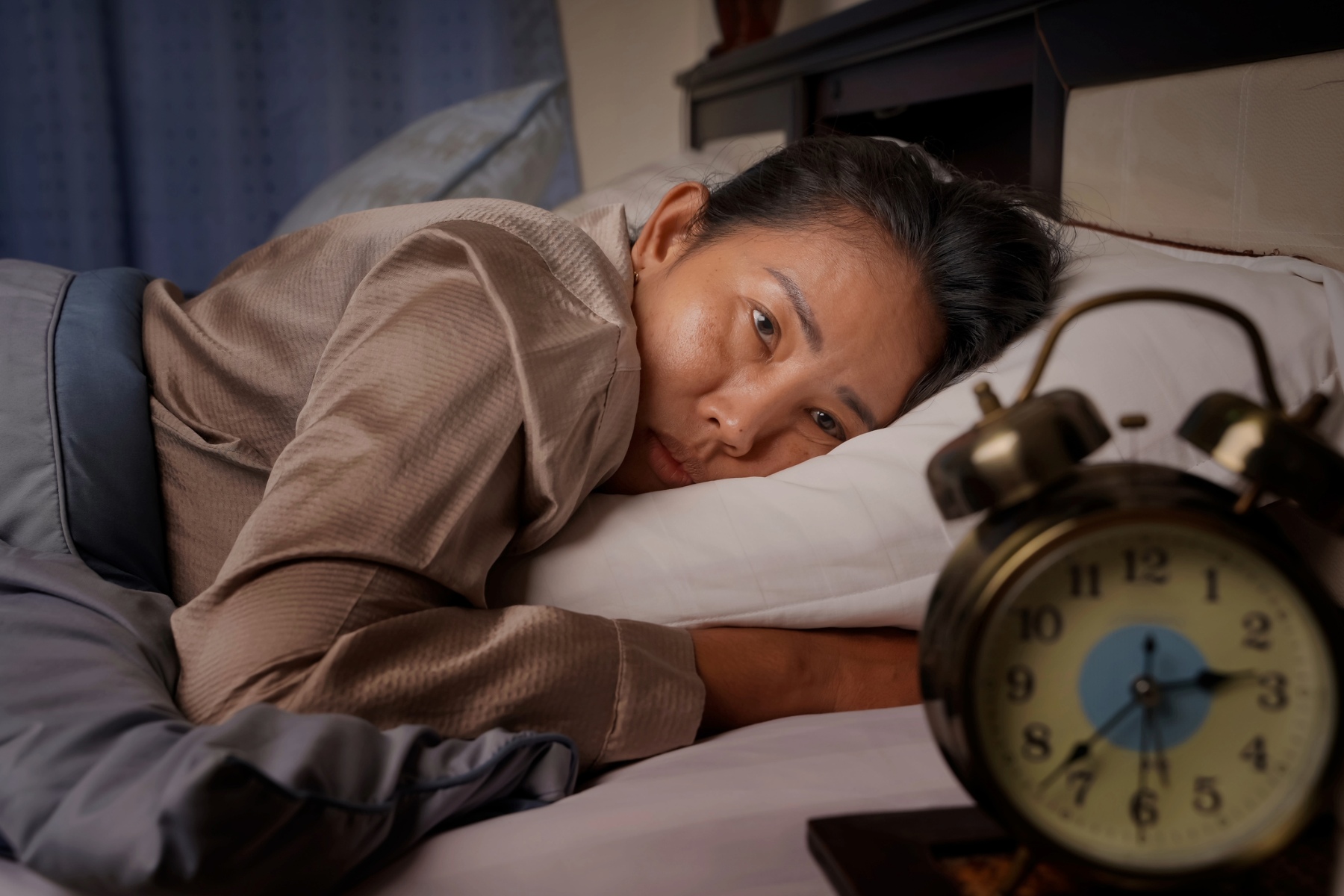
Sleep disturbances are incredibly common in those experiencing perimenopause, says Elphinstone. According to a study by The British Menopause Society, 40 to 56 per cent of people report sleep issues during the change.
There’s no singular cause for interrupted sleep, but research shows that insomnia, sleep-related breathing disorders and movement disorders are all prevalent in perimenopause.
“Some women wake because of night sweats, but many simply find they wake in the early hours of the morning and struggle to get back to sleep, even if they’ve always been good sleepers,” says Elphinstone.
Read more:
- How the Moon actually impacts your menstrual cycle
- ‘Even the test mice are male!’: 5 shocking ways sex bias shapes women's healthcare
- The gender pain gap: Why it’s time to take women’s health more seriously
2. Psychological changes
Perhaps the most concerning symptom is a psychological shift that can occur during perimenopause. Despite being common, the change can often catch women off guard.
“Women often describe feeling more anxious than usual, more irritable, less resilient or just not quite themselves,” says Elphinstone. “Brain fog is also something I hear about every day in clinic, with women struggling to concentrate or feeling mentally slower than they used to, which can have an impact on work and home life.”
Increased anger, stress and depression are all frequently reported by women in perimenopause. Some experience memory issues too.
“If women do not know that these can be caused by hormonal fluctuations during the perimenopause, they may think they are going crazy, or getting dementia,” cautions Prof Joyce Harper, who studies reproductive science at University College London.
3. Aches and pains
Physical symptoms, like psychological ones, vary massively from person to person. Around 70 per cent of people going through perimenopause reported joint and muscle pain, according to one study. Headaches, migraines and heart palpitations are also common.
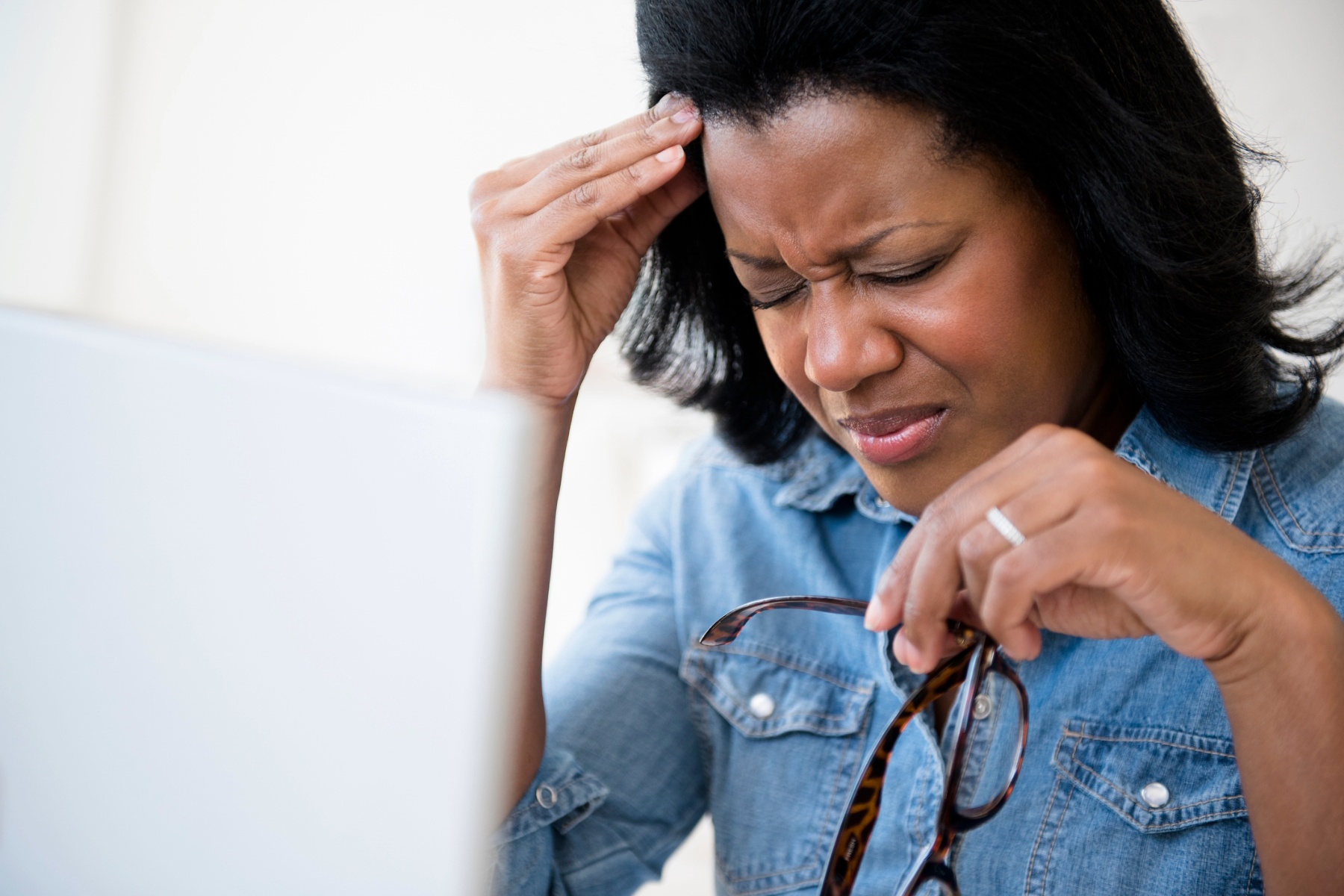
“Some women experience dizziness, tinnitus or a sensation of itchy or crawling skin, which can come as a real surprise because they don’t immediately associate these symptoms with hormonal changes,” says Elphinstone.
Others, she says, notice tingling or pins and needles, electric shock-like sensations, or increased sensitivity to noise.
4. Eye, skin and vaginal issues
Declining oestrogen levels can impact the body’s ability to retain moisture and produce collagen. In particular, this can affect the skin, eyes and genitourinary system.
“Women may notice dry skin, dry eyes, vaginal dryness, recurrent urinary tract infections or needing to pass urine more frequently or urgently,” says Elphinstone.
Hormonal acne is also common in perimenopause, especially in those who had flare-ups during their teenage years. Increased skin sensitivity can be an indicator too.
Read more:
- Fatherhood may actually start months before conception, experts suggest
- What you're (probably) getting wrong about sexual desire
- Why humans simply aren’t built for strict monogamy
5. Changes in libido
Around 40 to 50 per cent of women report a reduction in their sex drive during menopause.
Fluctuating hormones play a big part in that libido dip, as levels of both oestrogen and testosterone often drop during perimenopause.
There are also the other physical changes we’ve mentioned here that can have an impact. Reduced vaginal lubrication, as well as thinning tissue around the vulva and vagina, can make sex uncomfortable, or even painful.
Along with the hot flushes, emotional changes, and sleepless nights, many women find they are simply no longer in the mood for sex.

How to navigate perimenopause
The key takeaway, according to Elphinstone, is that everyone’s experience of perimenopause is different. “Symptoms can come and go, change from month to month and affect almost every part of the body, which is why so many women feel confused.”
Importantly, though, you shouldn’t wait until your symptoms become unbearable before asking for help. “If any symptoms are causing problems for daily quality of life, you should see your GP as there are many options,” Harper advises.
Elphinstone concurs and, along similar lines, stresses the importance of not dismissing red flags. “Symptoms such as very heavy bleeding, bleeding between periods, bleeding after sex, persistent pelvic pain, unexplained weight loss or ongoing dizziness or palpitations should always be assessed to rule out other causes,” she says.
The good news is that medical professionals have lots of tools at their disposal to support you through perimenopause, Elphinstone assures.
“Whether that’s lifestyle advice, cognitive behavioural therapy, non-hormonal treatments or HRT [hormone replacement therapy], the important thing is that women know they don’t have to simply put up with symptoms or feel they’re ‘just part of getting older’.”
Read more:
