There's a temptation to think that dementia is pre-written into your genes. If you're going to get it, there's nothing you can do about your fate. Scientists, however, are becoming increasingly confident that this is not the case.
As with many illnesses that don’t arise from accident or infection, dementia risk is a see-saw where genes and lifestyle can both tip the balance.
Genetic factors – like which variant of the APOE gene you carry – can certainly increase or decrease your chances, but so too can your diet, activity, behaviours, education and stress levels.
In fact, you, rather than your genes, may hold a greater share of the power.
In 2020, researchers at Rush University, Chicago, found that stacking four to five healthy lifestyle factors could lower your risk of dementia by as much as 60 per cent compared to people with zero to one of those factors.
The same researchers found, in a separate study, that even in people with a strong genetic predisposition, the life you lead has a large bearing on your long-term brain health.
“APOE4 is a well-recognised and strong genetic risk factor for dementia,” says Dr Klodian Dhana, an associate professor and epidemiologist at Rush who co-authored both papers.
“We demonstrated that a healthy lifestyle may still be associated with a slower rate of cognitive decline even among APOE4 carriers.”
Dhana says that debate continues among researchers about the extent to which lifestyle factors can outmuscle our genetics. Still, it’s clear that for many of us, the choices we make can at least influence our chances.
In 2024, an extensive report in The Lancet concluded that “evidence is increasing and is now stronger than before that tackling the many risk factors… reduces the risk of developing dementia.”
The report listed well-established risk factors: lower education, hearing loss, hypertension, smoking, obesity, depression, physical inactivity, diabetes, excessive alcohol consumption, traumatic brain injury, exposure to air pollution and social isolation.
It also added untreated vision loss and high LDL cholesterol as new factors.
It’s a long list, and it demonstrates how our choices interact with our likelihood of getting dementia. But one of the notable things about these risks is that many of them become an issue in middle age.
Some scientists believe this could be a key window for action because that’s also when dementia begins in our brains – years or even decades before symptoms appear.
“It’s definitely a good thing,” says Prof Gill Livingston, a researcher at University College London and author of The Lancet report.
“[Everyone in the UK] is supposed to have a midlife cholesterol check from age 40 onwards. If you get your blood pressure checked while you’re there, you can address these either through diet or medication.”
Not that your 40s and 50s are the only time to make a change – Dhana says the right lifestyle can lower your risk at any age.
“Engaging in healthy behaviours as early as possible may have a greater cumulative benefit, but we also demonstrated that lifestyle factors were associated with better cognitive functioning independently of common dementia-related brain pathologies,” he says.
In other words, even if you have the beginnings of dementia, the right actions can slow its progression for longer. But what should you actually do?
Well, hundreds of studies have found some kind of relationship between specific behaviours and dementia risk.
In 2026, for example, Japanese researchers noted a correlation between preparing home-cooked meals and a lower risk of the disease.
However, the study prompted debate about how much we can actually learn from observational studies – because they show correlation, not causation.
“Home-cooked food is very complicated because it partly depends on what you cook, and it’s often a reflection of having a generally healthier lifestyle,” says Livingston.
“Also, if you have the time to cook, you probably – not definitely, but probably – eat with other people, which is also a good thing.”
Dementia pathology is long and complicated, so it’s difficult to prove that a single change in behaviour will cut your risk.
Clusters of behaviours might be the best defensive strategy. Which is why we’ve collated 25 of them, all shown to protect your brain in the long run.
Category 1: Food / nutrition
Brain food
Your diet can have a profound impact on whether you develop dementia.
“We found that irrespective of genetic vulnerability, following a healthy diet seems to be linked with lower dementia risk,” says Dr Oliver Shannon, a nutrition researcher at Newcastle University.
His research found that a Mediterranean-style diet lowers a person’s chances, but other dietary patterns and even some individual ingredients are also thought to be beneficial.
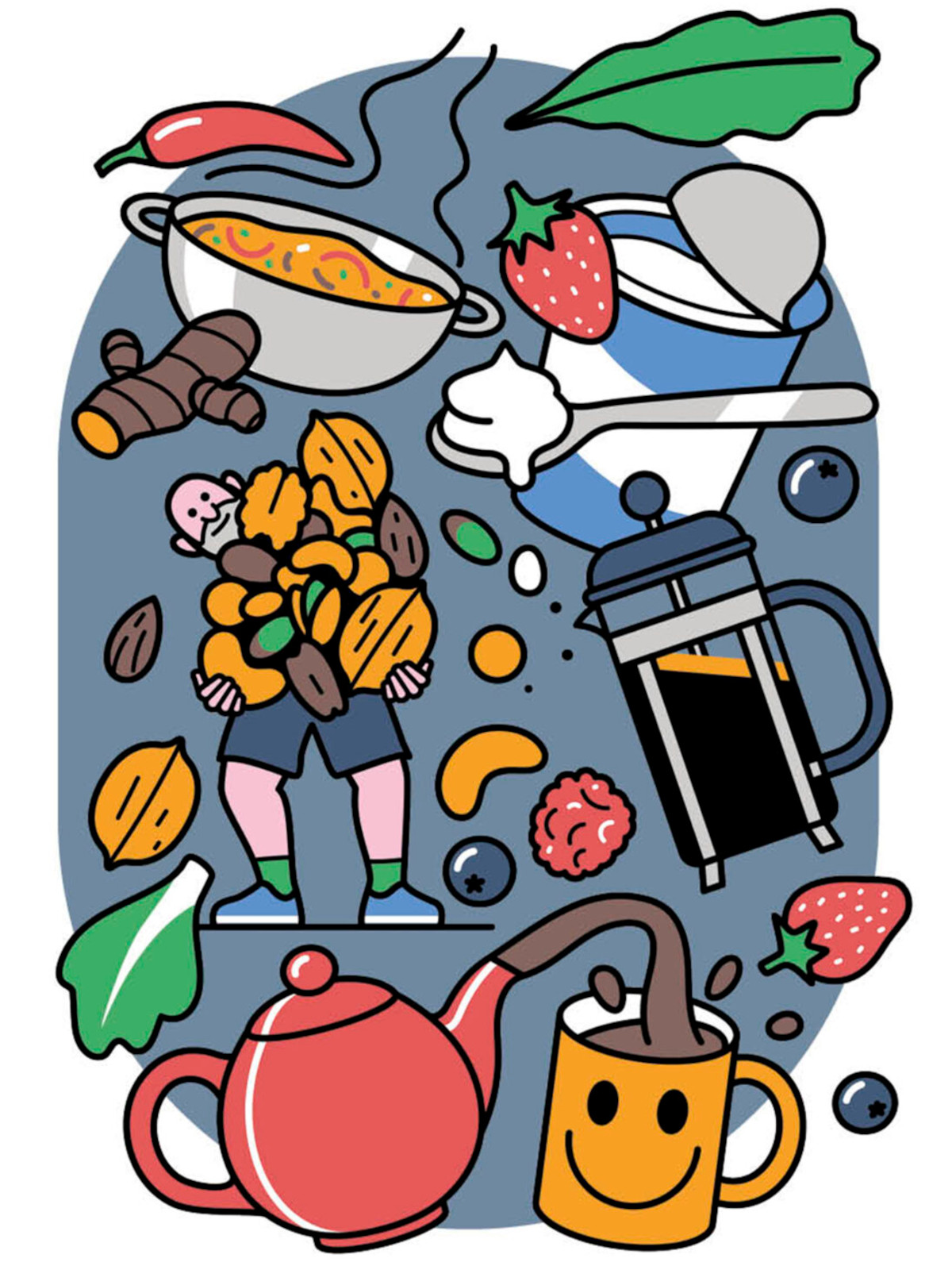
“There are studies looking at individual foods and nutrients, but the evidence is generally a bit more ambiguous,” Shannon says.
“But if you can find little tweaks, whether that’s eating more fruit and veg, or a bit more fish or nuts, or swapping out your choice of cooking fat, those switches seem to be the easiest way for people to make those changes.”
1. Eat berries, beans and leafy greens
These are hallmarks of the MIND (Mediterranean-DASH Intervention for Neurodegenerative Delay) diet, designed specifically to reduce your risk of neurodegeneration.
It’s a hybrid of Mediterranean eating and the DASH (Dietary Approaches to Stop Hypertension) diet, which was devised to combat high blood pressure.
In one study, researchers at Rush University found that people with the highest MIND diet adherence had a 53 per cent lower incidence of Alzheimer’s disease.
2. Go nuts for nuts
Eat three or more handfuls a day if you can. In research using data from the UK Biobank, this was associated with a 12 per cent lower risk of Alzheimer’s.
3. Order a curry...
…Or better still, make one at home. Curcumin, an active component in turmeric, has neuroprotective properties.
Researchers suggest it lowers dementia risk by dampening inflammatory responses and oxidative stress in the brain.
4. Ferment your synapses
Daily consumption of fermented foods like kefir, kimchi, yoghurt and sauerkraut may also help to prevent or slow dementia. Studies indicate they lower neuroinflammation and may also act on the gut-brain axis to improve cognition.
5. Put the kettle on
Observational research has long suggested that coffee and tea help the brain, thanks to the antioxidant properties of caffeine.
In 2026, Harvard researchers added to that evidence with a study that concluded moderate intake could lower the risk of dementia and slightly improve cognition.
They don’t call it brain juice for nothing.
Read more:
Category 2: Cognitive stimulation
Good thinking
Use it or lose it. That’s the message from dementia researchers who repeatedly find that using your head is good for the brain.
Higher levels of education are associated with a lower risk of dementia, with the mechanism thought to be some combination of increased neuroplasticity, better neurotransmitter function and building a ‘cognitive reserve’.
But lifelong learning isn’t the only way.

For the average person who wants to lower their risk of dementia, Dhana recommends “starting with cognitive activities, such as engaging in puzzle games or reading.”
Researchers have also linked all of the following brainy activities with healthier brains.
6. Turn off maps
Using your phone’s GPS to find your way around robs your brain of the chance to practise spatial awareness.
Impairment in this skill is a known risk factor for dementia in later life, while London taxi drivers – who famously navigate the city by memory – have a noticeably lower rate of mortality by Alzheimer’s.
7. Learn another language
Few tasks test your brain like writing, speaking or thinking in another language, as it increases your cognitive reserve.
Many studies have found that bilingual people have a lower risk of dementia. Even if they do develop it, onset is often delayed by four to five years.
8. Download Wordle...
…Or other word puzzle games. Researchers at the University of Exeter found that in people over 50, a higher frequency of doing word puzzles was linked to better cognitive function.
Engaging with digital technologies as we age has also been shown to offer some protection.
9. Get your headphones out
Learning to play musical instruments has long been associated with better chances of dodging dementia.
But research at Monash University in Melbourne, Australia, shows that just engaging with music regularly also has a protective effect, particularly on memory.
10. Try juggling
No, really. Research has found that experienced jugglers have greater neuroplasticity than non-jugglers, even if they learn in later life.
Fine motor skills decline rapidly in dementia, so building a kind of reserve offers protection. Writing by hand also enhances brain function and connectivity.
Category 3: General health
Everyday smarts
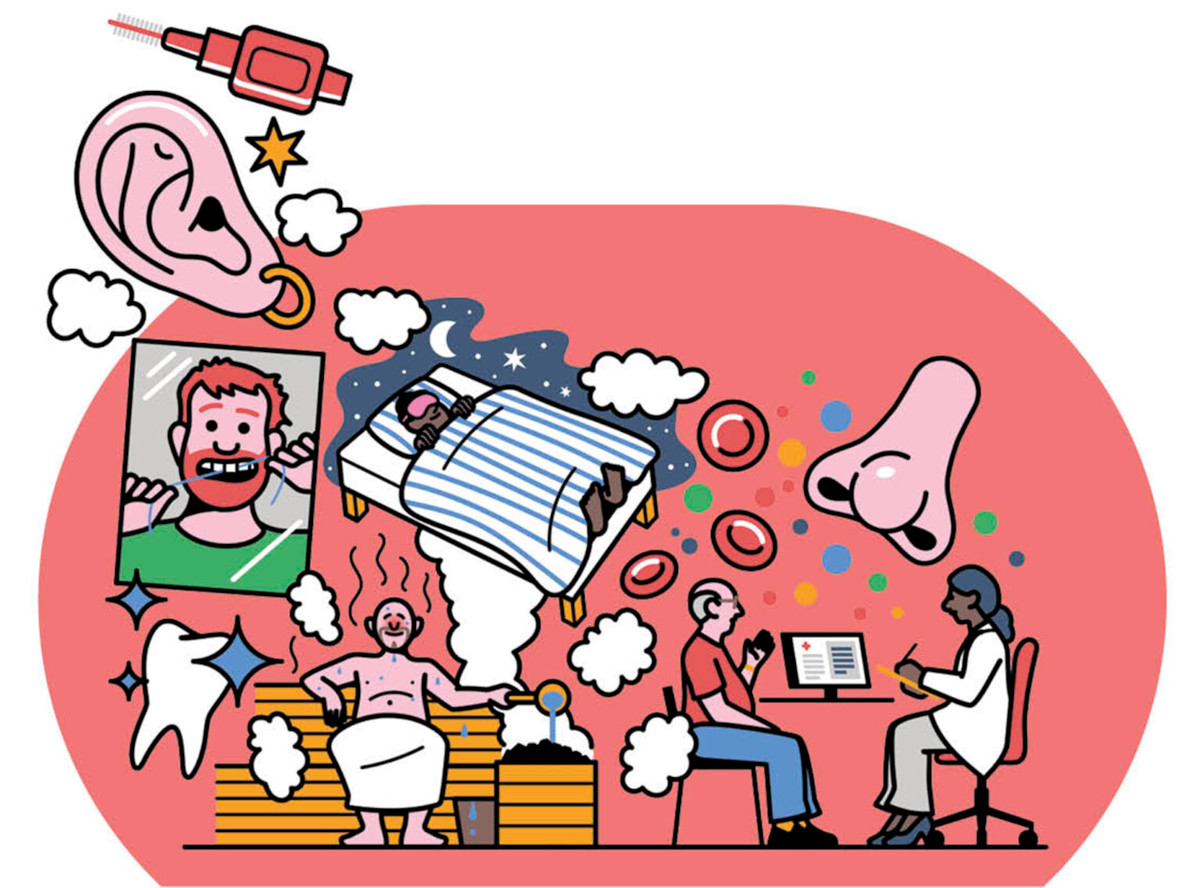
One of the best predictors of brain health is general health.
Dementia is much more likely if you have high cholesterol, high blood pressure, diabetes, obesity or chronic insomnia. Smokers and heavy drinkers are also at higher risk.
On the flip side, managing these factors is one of the most powerful things you can do to temper your risk of neurodegeneration. Here’s how.
11. Visit your GP
Avoiding the doctor in midlife robs you of vital chances to manage some of the biggest risk factors for dementia.
High LDL (low-density lipoprotein) cholesterol, the ‘bad’ one, which can be treated with diet or statins, is a key marker because it can lead to the build-up of beta-amyloid plaques in the brain, which are strongly associated with neurodegeneration.
Keeping your LDL down is associated with a 26 per cent lower risk of dementia, according to a 2025 Korean study.
12. Pass your oral exam
Looking for another reason to keep up with your dental flossing? There is a mountain of evidence linking poor oral hygiene with dementia risk.
Researchers believe the inflammation associated with gum disease, plaque build-up and tooth loss contributes to one of the pathways that lead to dementia.
13. Get a sense check
Vision, hearing and smell loss are all associated with a higher risk of dementia. Why? Because losing our senses cuts off a major source of cognitive stimulation.
There can also be overlaps in the pathologies of dementia and our senses. Addressing these issues, however, can have a huge impact.
Researchers found, for example, that cataract surgery leads to 29 per cent lower risk of dementia.
14. Get some Goldilocks sleep
Not too much, not too little. That seems to be the message from research that shows regularly having longer than eight hours of sleep or less than six hours – especially in middle age – increases the risk of dementia.
The brain uses sleep to flush away waste products including those telltale beta-amyloid proteins.
15. Sweat it out in the sauna
Regularly visiting a sauna seems to protect people against dementia, but you have to do it a lot.
Research in Finland, where sauna culture is popular, showed that men who visit the sauna four to seven times a week have a 65 per cent lower risk of being diagnosed with dementia, irrespective of other factors.
Researchers speculate that all that heat improves markers like blood pressure, circulation and inflammation, while it may also help manage protein build-up in the brain.
Read more:
- What your neighbourhood now says about your dementia risk
- Air pollution linked to an increased risk of dementia
Category 4: Exercise
Mental workouts
Much like with virtually every other long-term health outcome, our dementia risk is lower if we exercise regularly. “Exercise increases blood flow to your brain, and the brain is very hungry for oxygen,” says Livingston.
“Studies show that exercise is associated with the size of the temporal lobe, which is related to memory and is usually the one that decreases first in dementia.”
Exercise also helps by managing other risk factors, like cardiovascular health and depression. Again, it’s not just a young person’s game.
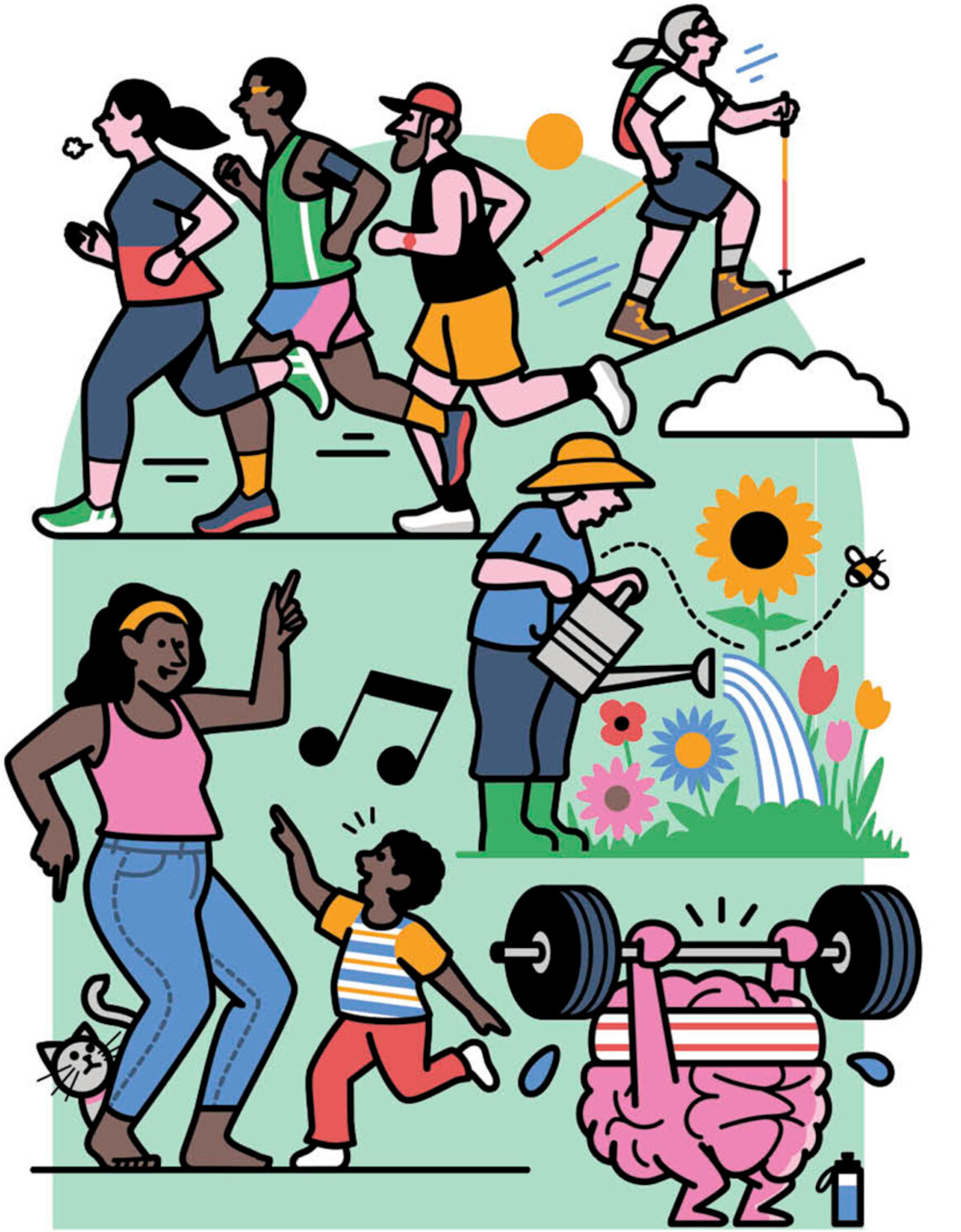
Research from Boston University in 2025 found that people with the highest levels of physical activity in midlife and their later years had 41 per cent and 45 per cent lower risks of all-cause dementia, respectively.
16. Take a hike
Walking 10,000 steps a day is recommended so often it’s almost boring. But how’s this for a reason to listen? It halves your risk of dementia, something no drug on the planet can do.
That was the conclusion of a large study looking at the data of more than 70,000 Brits. Do it often and keep a brisk pace for best results.
17. Raise your heart rate
Spin classes, kettlebells, run clubs, chasing after toddlers… Whatever gets your heart and lungs pumping also does your brain a world of good.
Analysis of UK Biobank data found that high cardiorespiratory fitness reduces everybody’s risk of getting dementia, including those with a genetic predisposition, which is lowered by an impressive 35 per cent.
18. Become headstrong
Our muscles begin to shrink in middle-age, but counteracting that with resistance training protects the hippocampus from similar decline and lowers our risk of dementia in the long run.
In 2025, researchers counted grip strength and lower-limb strength as two key markers. Aim for at least two strength workouts a week.
19. Nurture your garden to nurture your brain
Gardening is increasingly recognised as something of a multi-tool in fighting dementia. As well as mobility and muscle strength, it improves mood, memory, sensory stimulation and problem-solving skills.
University of Edinburgh researchers found that regular gardening can soften the slope of cognitive decline as we get older.
20. Dance it off
Back in 2003, researchers ranked dancing among the best physical leisure activities people can do to ward off dementia.
The study found regular dancing reduced the risk of dementia by twice as much as a non-physical activity, such as reading. Fancy footwork requires memory, coordination and spatial navigation as well as physical activity. If you’re asking…
Category 5: Stress and mental health
Head protection
Social and psychological factors are the other big risk category for dementia. “There’s a bidirectional relationship between depression and dementia,” Livingston says.
“If you’re developing dementia, you’re more likely to get depressed because your brain is less resilient and you can’t cope with stress as well. But people with untreated depression in midlife are also much more likely to develop dementia.”
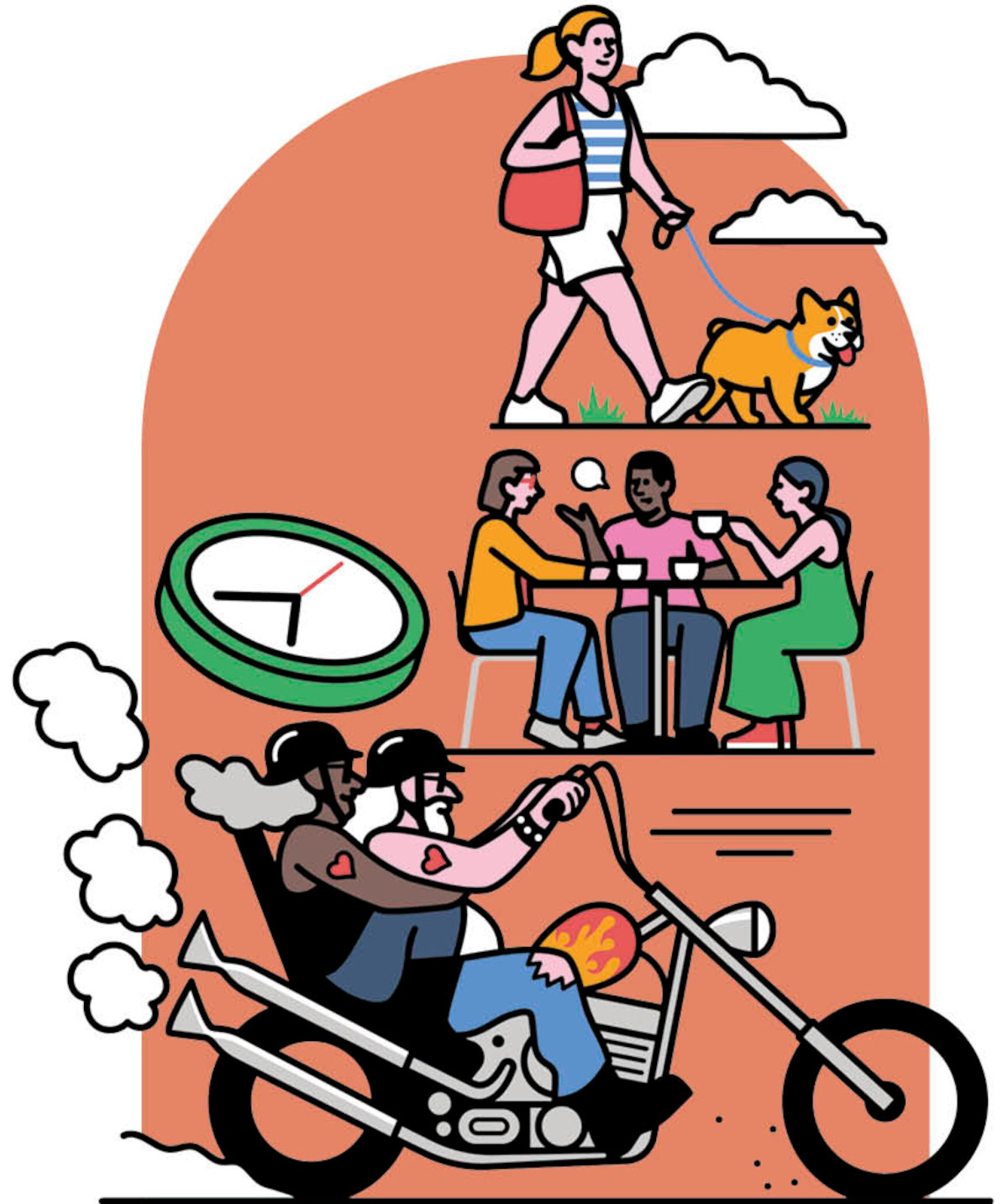
The mechanisms aren’t fully understood, but low mood and depression may cause people to exercise and socialise less, and be less proactive in their broader health.
As with the other factors, however, we all have the power to do something about it, with regular activities and behaviours playing a role alongside mental health treatment options.
21. Be a social butterfly
Loneliness is deadly and increases the risk of dementia by 31 per cent, according to researchers at Florida State University. Social interaction is good for mood, sensory and cognitive stimulation.
Rush University researchers showed that regular social activities can delay the onset of dementia by as much as five years.
22. Keep a regular routine
Having a strong sense of routine and rhythm in life can protect the brain, researchers believe. Practically, it can help to make healthy behaviours automatic, but there may also be a link with our body clocks.
Researchers at the University of Texas found that regular routines, including steady sleep-wake cycles, lower our risk of dementia.
23. Get a pet
Preferably a dog. A pet of any kind seems to reduce loneliness, stress and anxiety – all risk factors for dementia. The extra benefit of having a dog is getting out for regular walks and potentially engaging with other owners.
Chinese researchers found that dog ownership can cut dementia risk by as much as 40 per cent.
24. Go with the group
Book clubs, travel groups, volunteering, biker meet-ups – whatever you’re into, join the club. Regularly engaging in group activities can lower the risk of dementia, according to research from Osaka Metropolitan University in Japan.
As well as boosting social contact, scientists believe that clubs often involve mental stimulation of some kind.
25. Grab life by the nuts
People who have a high sense of purpose in life are 28 per cent less likely to develop cognitive impairment in old age.
That was the conclusion of researchers at the University of California, who found that the brain is more resilient in those with a steadfast devotion to family, work, spirituality or personal goals.
Read more: