
Losing weight, and keeping it off, can be notoriously difficult. Now scientists may have uncovered one reason why: obesity could leave a lasting ‘memory’ in immune cells found in fat.
A study in mice found that obesity caused long-lasting changes to immune cells called macrophages, disrupting processes that normally help fat tissue function properly.
Crucially, these changes persisted even after obese mice were switched to a low-fat diet, and may explain why they struggled to lose weight.
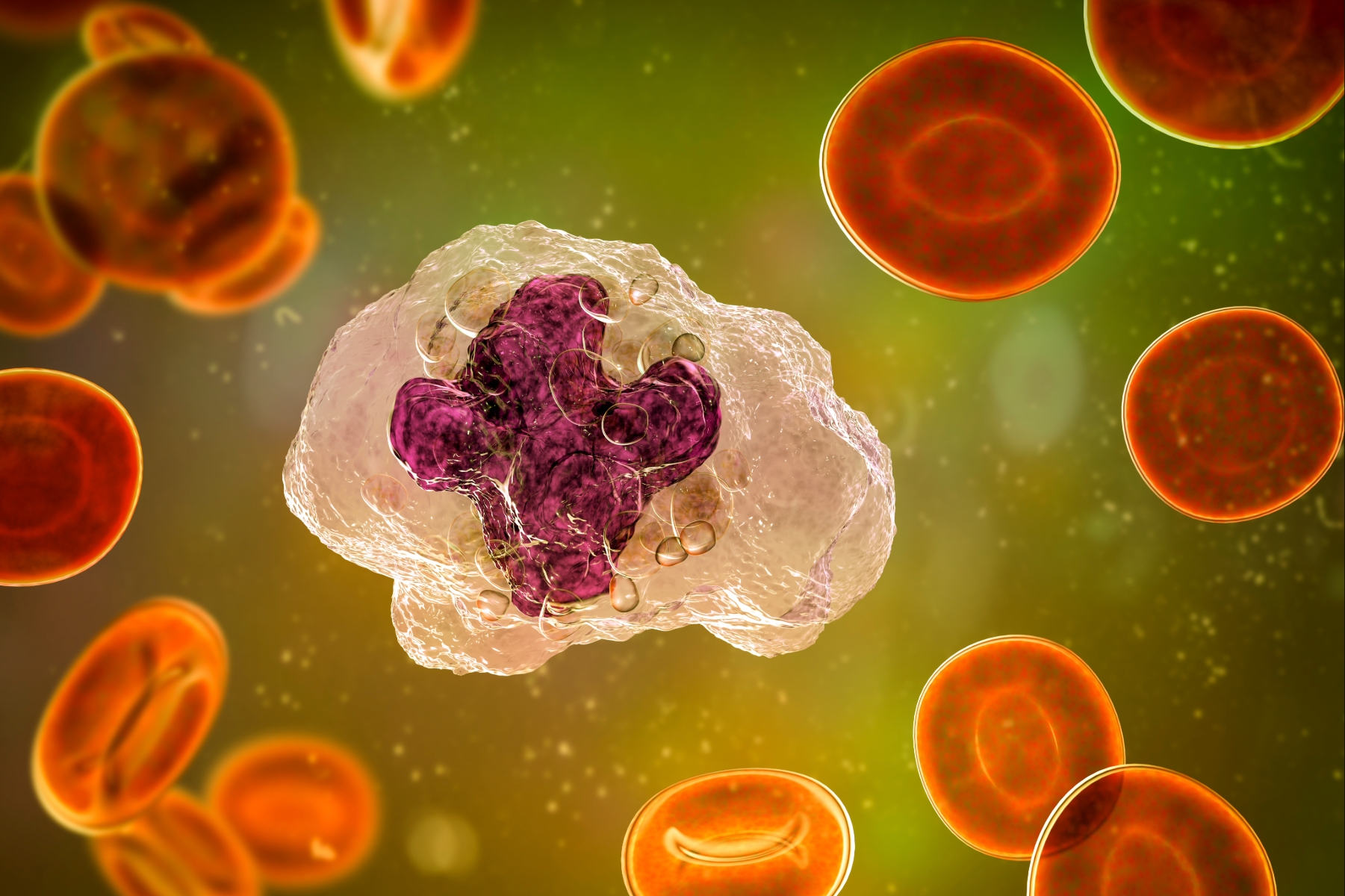
The researchers say this cellular ‘obesity memory’ could help explain why the body might resist fat loss.
Dr Amelie Bonnefond, an obesity genetics expert who was not involved in the study, told BBC Science Focus that the findings from the mouse experiments provide “novel” and “compelling mechanistic evidence” for how cells latch on to the memory of obesity.
Macrophages in fat tissue have several jobs, including removal of dead cells and recovering substances that promote fat breakdown.
But in order to function normally, macrophages must be able to carry out ‘alternative splicing’ – a process that allows cells to take copies of genetic code and rearrange them in different combinations. This process enables a single gene to produce a wide range of biological molecules, and is fundamental for normal cell function.
When the researchers examined macrophages in the fat tissue of obese mice, they found persistent problems with this process that were not seen in lean mice.
The team then investigated whether something similar might happen in people. When they analysed fat tissue samples from people with and without obesity, they found evidence of similar differences in macrophages.
Bonnefond, however, was not convinced by the human tissue experiments, highlighting them as a “major limitation” in the paper. The findings were based largely on correlations and did not account for potentially important factors such as age and sex, she said.
Prof Ferdinand von Meyenn, an expert in nutrition and metabolic epigenetics, said the study does not tell us whether the cellular changes induced by obesity are long-lasting in humans.
Targeting defective macrophages to aid weight loss is a “sensible therapeutic idea in principle”, von Meyenn told BBC Science Focus. However, he said, we are still a “long way” from turning this into a treatment for humans.
Read more:
