Every time you go to the toilet, you could be flushing away a valuable resource – your urine.
Today, we see urine as a waste product – but that wasn’t always the case. Historically, it was a highly valued commodity, used to dye cloth, tan leather and make gunpowder. Roman writer Pliny the Elder even recommended people use it to whiten their teeth (though don’t try that one at home).
But now, we see our pee as an unseemly bodily fluid that should be disposed of with as little fuss as possible. It’s hidden away from view in our sewer system, until it reaches a water treatment plant where it can be removed.
Such treatment takes a lot of energy though. As we become more and more aware of the impact our waste has on the environment, researchers are looking for ways we can turn our pee into something more useful.
One such ‘pee-cycling’ advocate is Prof Kai Udert from the Swiss Federal Institute of Aquatic Science and Technology. Udert has spent his career looking into ways we can improve our sanitation systems and trying to break down the taboos about urine.
We spoke to him about why he is so passionate about pee.
BBC Science Focus: How would you recycle urine?
Prof Kai Udert: Urine contains a lot of nutrients that we need in agriculture – nitrogen, potassium, phosphorus, sulphur and some other nutrients. We take those nutrients in with our food, but we excrete them when we don’t need them anymore. We discharge them to the toilet, to the sewer system.
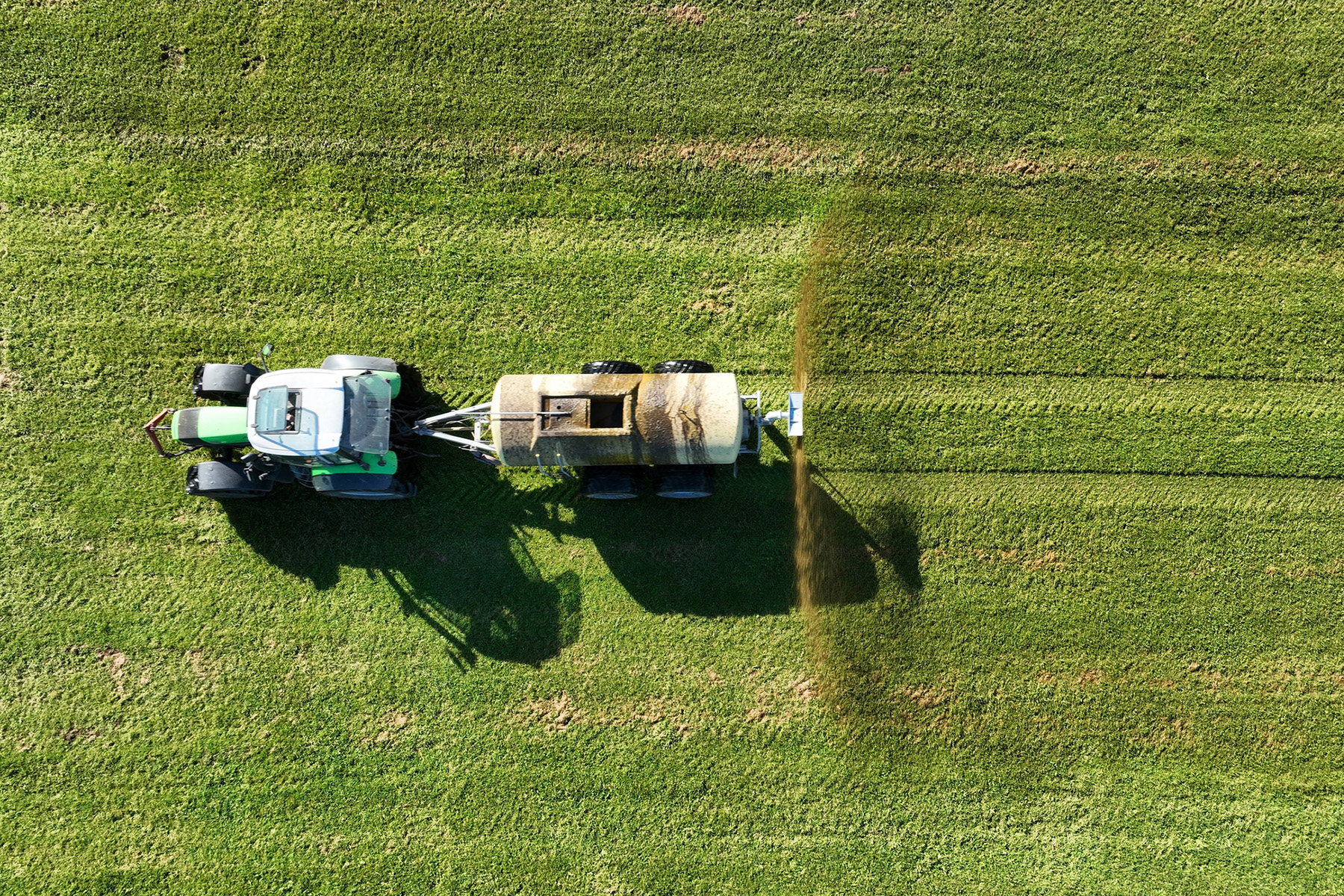
But actually, they can be reused to produce food again by making fertiliser.
In the old times, our excreta were used as a fertiliser. Our ancestors knew their plants grew better when they used our or animal excreta on them. This is something which has been done all over the world.
Then about 170 years ago, we installed large-scale sewer systems. In the beginning, that was about aesthetics and hygiene. Let’s just wash away our excreta and not think about it. We forgot that it could even be used as fertiliser.
There were also some studies on producing bricks or electricity from urine. We used to extract hormones and produce pharmaceuticals from human urine too, before the elaborate biotechnology of today. So, urine has a lot of possible applications.
SF: Are people on board with the idea of recycling their urine?
KU: There have actually been quite a lot of studies on that and most people say, “Why not?” But they want to make sure that the fertiliser is safe – they don’t want any pathogens or pharmaceutical residues in there. And it shouldn’t smell.
But we already use animal waste as fertiliser, and it can be smelly. It can also contain pathogens and pharmaceuticals, so it’s not such a big difference.
Urine itself does contain bacteria, so we treat the urine to make sure those pathogens are killed or removed. For example, during distillation to concentrate all those nutrients, the urine is heated to 80–90°C, which is enough to kill those pathogens.
Read more:
- What your pee can actually reveal about your health
- Here’s why scrolling on the toilet is a really bad idea
- What your nails are trying to tell you about your health
SF: Could this urine-based fertiliser improve the environment?
KU: We have a huge nutrient problem worldwide. We all talk about carbon dioxide and climate change, but we should also talk about how we are overloading the oceans with nitrogen and phosphorus.
When our current wastewater systems were installed, they initially didn’t treat the waste. They just conveyed it somewhere else, put it into nature. People thought the buffers – the carrying capacity of the receiving waters, such as rivers, lakes and the ocean – were high enough and strong enough to deal with this waste.
This was not true. Very quickly, those rivers and lakes became polluted.
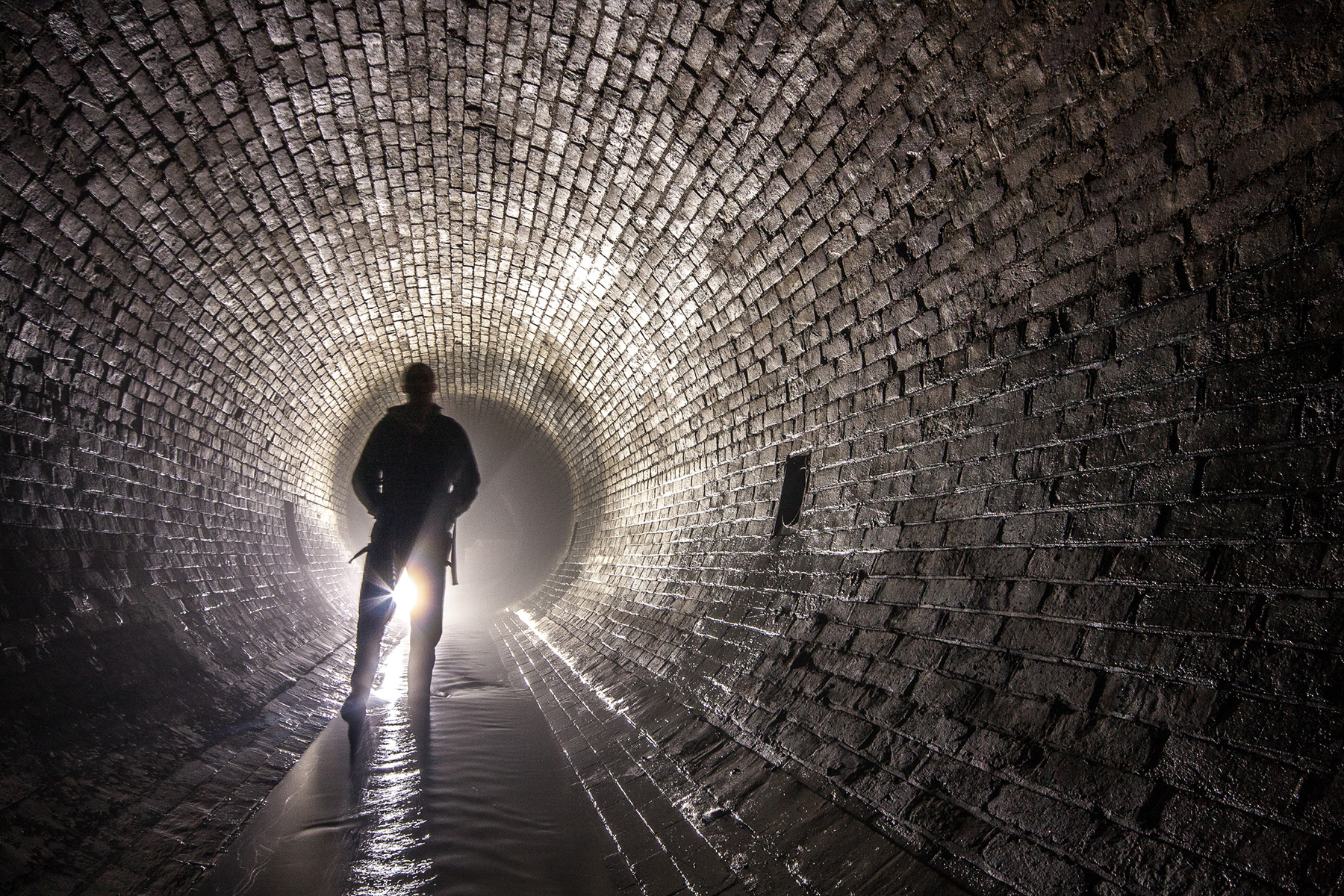
For a long time, we have been working on reducing this pollution by building wastewater treatment plants and taking out the organic materials, as well as nitrogen and phosphorus.
The problem is those nutrients act as fertiliser for algae in the ocean, rivers and lakes. Those algae shouldn’t grow there. And this is a big issue because when those algae settle they can consume oxygen, so there’s not enough for fish and other animals in the water.
So, by recovering nitrogen and phosphorus from the wastewater, we already help the environment.
There are also pharmaceuticals. About two-thirds of the active ingredients from pharmaceuticals are excreted with the urine. Those are potent chemicals. For example, we know artificial hormones have effects on fish. There are some countries, such as Switzerland, that have already started to remove pharmaceuticals from wastewater.
By removing urine from the wastewater, we already can make sure that those pharmaceuticals never end up in the aquatic environment to begin with.
SF: Is this an improvement on how we currently make fertiliser?
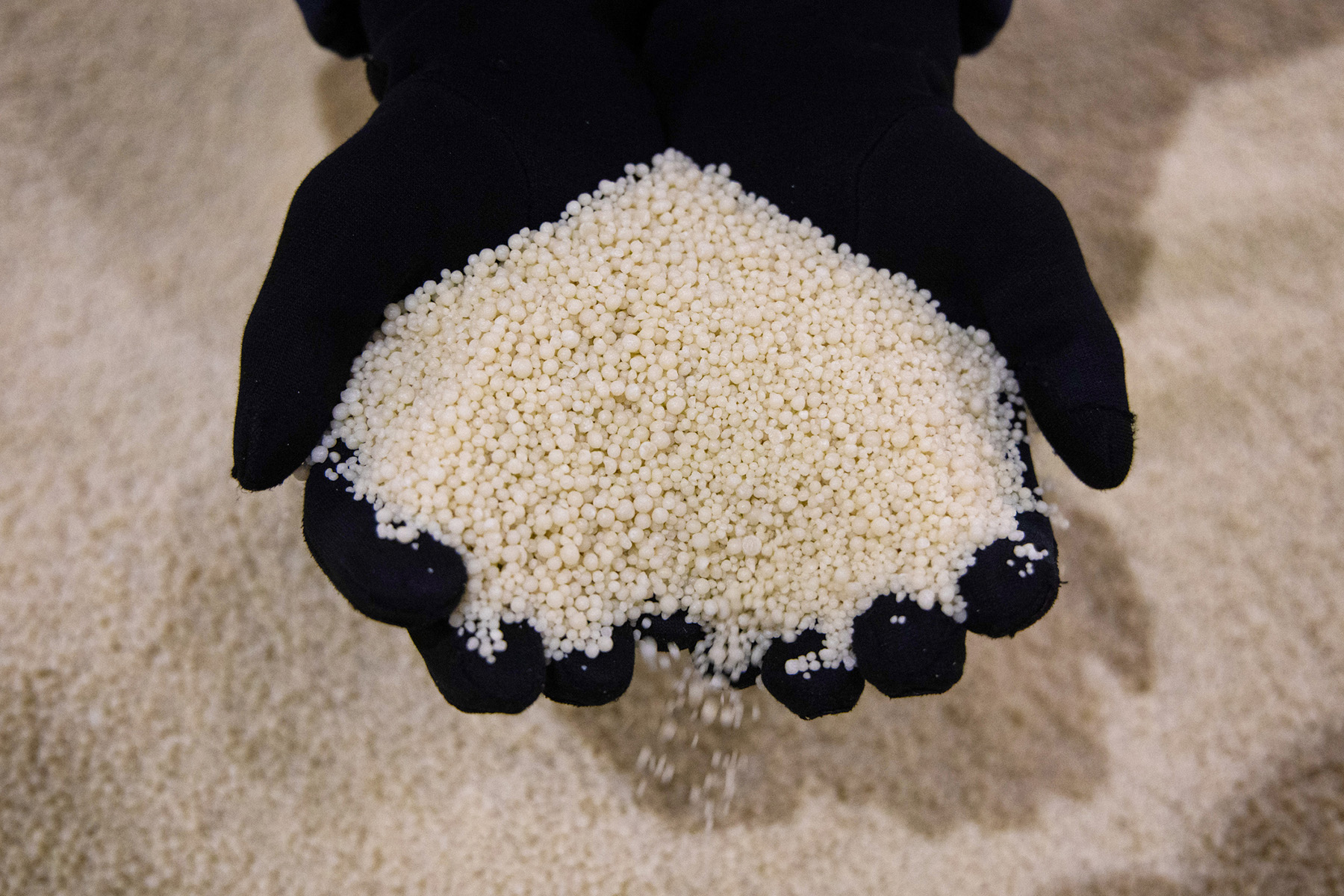
KU: Currently, we capture nitrogen from the atmosphere, which takes a lot of energy. Phosphorus is mined. There are some estimates about how long those limited resources will last, but it’s more about what else those minerals contain – metals like cadmium that we don’t want to spread on our fields. There’s also a dependence on foreign countries. We don’t produce phosphorus in Europe, for example.
The supply chains and such are all established for modern fertilisers as we know them, so they are cheaper than recycling urine. But think about solar technology. It was super expensive 10, 20, 30 years ago. Now it’s cheaper. The same will be true of urine treatment as well.
SF: What are the biggest hurdles in turning urine into fertiliser?
KU: Wastewater is a mixture of a lot of different waste. The valuable fertilisers that we excrete with urine (and partly also with faeces) are mixed with a lot of pollutants, and this makes it difficult to extract those nutrients.
This is actually the beginning of the whole story. Let’s not mix urine with the remaining wastewater. Instead, let’s capture it as early as possible, close to the source so that we can actually extract the nutrients and produce a fertiliser.
We started looking at the user interface, the front end, when it comes to sanitation technologies.
Basically, special urine source separating toilets that separate the urine at the source. We have urine-separating toilets with no flushing water, as well as some with flushing water which provide the same comfort as we are used to.
I think one of the big issues is that wastewater management starts at the house. This would be a totally new approach to sanitation. Suddenly the architect has to start thinking: ‘Where do I install the system to recover the nutrients from urine or the tanks to collect it?’
You could install this additional drainage line that we need to collect the urine on new buildings.
But then again, when the sanitation system as we know it today was installed, London was already a major city with a lot of buildings. Paris as well. It was still possible to introduce water flushing systems. And I think that was an even bigger change than what we would have to do today.
This conversation has been edited for length and clarity
Read more: